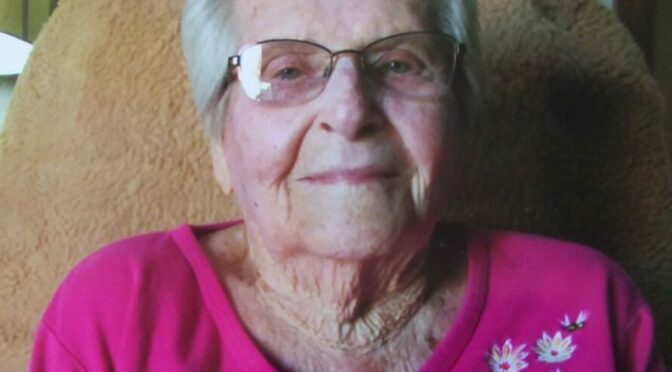
Anna Rose of Uniontown will be celebrating her 100th birthday on November 14th at the First Missionary Baptist Church in Uniontown from 2 p.m. to 4 p.m.
Friends and family are invited to come celebrate with her.
If not able to attend, her address is:
Anna Rose
P. O. Box 85
Uniontown, KS. 66779
Pandemic relief measure provides rental, utility, and internet assistance to more than 9000 Kansas families
TOPEKA, Kan.— The Kansas Emergency Rental Assistance (KERA) program has provided more than $51.9 million in relief funding to communities across the state. To date, KERA funds have supported 23,834 residents of 9,220 tenant households and 3,786 landlords facing financial hardship as a result of the COVID pandemic.
When Nick Baumgartner’s small business began to flounder in 2020, he could not afford to pay his rent and was barely keeping up with utility bills. “I never had to ask for any kind of financial assistance before,” said Baumgartner, whose Topeka business served local restaurants. “But because restaurants were so negatively impacted by the pandemic, my profits suffered too.”
That’s when Baumgartner’s landlord suggested they jointly apply for Kansas Emergency Rental Assistance (KERA). After receiving rental assistance, his landlord was made whole, and Baumgartner was able to keep his own business running, helping local restaurants bounce back financially. He has since reapplied for three prospective months of rental assistance.
KERA provides rent, utility, and internet assistance to households financially impacted by the COVID pandemic. Landlords and tenants apply via a joint application process, and payments are made directly to housing and service providers. Once eligible KERA applicants receive assistance for any past-due amounts, they are eligible to recertify for three prospective months of rental assistance at a time, for a total of up to 15 months of support.
Recent program updates have streamlined application processing and provided additional resources to Kansans at risk of eviction:
Thanks to recent changes in Treasury rules, KERA applicants can now self-attest to eligibility guidelines including household income, COVID hardship, and housing instability, easing the documentation burden and shortening processing time.
The program’s new Bridge to Housing Stability initiative has partnered with community organizations across the state, providing more than $7.3 million to support Kansans experiencing homelessness. Bridge partners use KERA funds to provide hotel vouchers, housing counseling, and rapid rehousing solutions, helping tenants enter into new leases with KERA funding.
KERA has prioritized applicants at imminent risk of eviction and utility shutoff, halting 349 active evictions, preventing utility shutoffs for more than 1,900 households, and restoring utility services to more than 100 homes.
Through partnerships with the legal community, KERA has provided free representation to applicants engaged in eviction proceedings, as well as program resources and training to attorneys and judges. These efforts have helped tenants avoid eviction and helped landlords avoid legal action.
Funded by the federal Coronavirus Response and Relief Supplemental Appropriations act of 2021, the KERA program is administered by Kansas Housing Resources Corporation (KHRC).
Kansas Housing Resources Corporation (KHRC) is a self-supporting, nonprofit, public corporation committed to helping Kansans access the safe, affordable housing they need and the dignity they deserve. KHRC serves as the state’s housing finance agency (HFA), administering essential housing and community programs to serve Kansans.
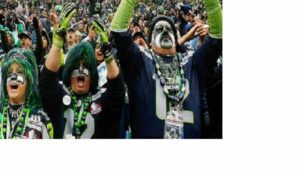
Not the ones who boo, but the ones who dress up in goofy outfits, paint their faces in team colors, scream until they are hoarse, hug strangers in celebration and embarrass their dates.
When the NFL or MLB cameras pan the audience and zero in on one of those crazy devotees, I have to smile. Gosh, they love their teams. And I think that’s cool!
Arriving hours before the game, they schmooze with strangers while waiting for the turn-styles to open. They join like-minded buddies and tail-gate in the parking lot, grilling hotdogs and betting on who will win
. It can be 20-degrees below zero, and there they are, sometimes shirtless with painted chests, reinforcing just what a wimp I am. They stay long after the game has ended, trying to catch a glimpse of their favorite players as they leave the park, desperate for an autograph.
That life is not for me. I, instead, will cheer from my couch, buttered popcorn in hand (with no concession stand delay), rooting for my favorite teams (Go, Chiefs and Royals!), second-guessing coach’s choices (You called WHAT play?) and appreciating replays.
Sometimes my comment precedes the television analysts’, making me question aloud if I missed my calling. When Dave hears that, he begins talking under his breath. I take that as an affirmative.
I am not a true fan. True fans will do whatever it takes to support their team. Some have faces of football players or club logos inked on their bodies. They sacrifice time, money, ego, travel, jobs, family get togethers, their vocal cords and their newborn’s names in honor of the team they support, and conversation about their favorite team dominates their talk.
Oh, that we would be that loyal to Jesus! After all, the day will come when his true “fans”–those who sacrifice everything to share him with whomever they meet, who risk ridicule to be “fools” for Jesus–will be given Heavenly crowns to celebrate their loyalty.
Are you a fool for Jesus? Do you awaken to check the box score of blessings from the day before? Does he dominate your conversation and your time? Are you willing to travel from house to house (or town to town) to share your passion for him? Or are you a wimp? Does potential ridicule or inconvenience prevent you from showing your unwavering love for the one who gave his life for you?
Think about it. Professional athletes will not die for you, no matter how much you idolize them or their performances. And even if they did, there would be no eternal gains from their death.
Oh Christians, we cannot be content to watch from our couches, unwilling to be bothered, keeping our faith to ourselves.
The City and County Commission will hold a work session on Tuesday, October 26th, 2021 at the Empress Event Center, 7 North Main Street, Fort Scott, Kansas at 12:00 p.m. Even though a majority of City Commissioners will be present, no City business will be conducted.
PRATT – As the days get shorter and weather gets cooler, the breeding season for deer will begin. Traversing pastures, roadways, rivers and streams – male white-tailed and mule deer will begin a nearly month-long quest for suitable mates, stopping for very little, including motorists.
Commonly referred to as the “rut,” this time of year marks the distinct period when deer-vehicle collisions are most frequent, and the Sunflower State is no exception. That’s why the Kansas Highway Patrol, Kansas Department of Transportation, Kansas Department of Wildlife and Parks and AAA Kansas offer helpful tips that can help drivers safely navigate Kansas roadways and potentially avoid collisions with deer.
“If you are unfortunate enough to have a deer enter the highway in front of your car, it is best to hit the animal and not swerve to avoid it,” said KHP Lieutenant Candice Breshears. “Often, we find more serious crashes occur when you swerve to miss the deer, potentially losing control of your vehicle, leaving the road or veering into oncoming traffic.”
While the vast majority of deer-vehicle collisions do not involve serious injury, data collected by KDOT indicates that from 2011-2019, 51 people have been killed in Kansas crashes involving deer.
“In addition to potentially causing human injuries and loss of life, deer collisions often cause significant vehicle damage that can lead to large expenses for the vehicle owner if not properly insured,” said Shawn Steward, public and government affairs manager for AAA Kansas. “Of the animal strikes reported by AAA Insurance policy holders in 2020, the average cost per claim was nearly $5,500, an increase of more than $1,000 per claim from 2019.”
Steward attributes the higher repair costs to advanced driver assistance technology and the expensive sensors and calibration requirements in newer vehicles.
To avoid incurring costly vehicle repairs, or worse, state experts offer these helpful tips:
Be especially watchful at dawn and dusk, when deer are more active.
If you see one deer, expect others, as deer seldom travel alone.
Drive at a reduced speed and be extra vigilant near wooded areas or green spaces, such as parks and golf courses, and near water sources such as streams and ponds.
Deer crossing signs show areas where high numbers of vehicle/deer crashes have occurred in the past; heed these warnings.
Use bright lights when there is no oncoming traffic, and scan the road ahead for the reflective eyes of deer.
Do not swerve to avoid hitting a deer – the most serious crashes sometimes occur when motorists veer and collide with another vehicle or run off the road and hit an obstacle.
Always wear a seat belt and use appropriately-fitting child safety seats, as these are the best defenses in a crash.
Honk the vehicle’s horn using one long blast, as this may frighten large animals, such as deer, away from the roadway.
Lastly, if a collision occurs, move the vehicle to the shoulder of the roadway, if possible, and call law enforcement – KHP dispatch at *47, the Kansas Turnpike at *KTA and local law enforcement at 911.
Anyone involved in a deer-vehicle crash resulting in personal injury or property damage that totals $1,000 or more is required to immediately report the incident to the nearest law enforcement agency. Failure to report any vehicle crash is a misdemeanor and may result in suspension of driving privileges.
To remove a deer carcass, or any part of a deer, from a crash site, a salvage tag must first be obtained. Salvage tags can be issued by KHP troopers, sheriff’s deputies or KDWP game wardens.
This fall season, motorists can ensure the “holiday traffic” they encounter remains as safe as possible, for humans and deer, by staying alert and simply slowing down.
Click here to download the KDOT Motor Vehicle/Deer Crash Summary.
Judith Arlene Stuart, age 78, a resident of Overland Park, Kansas, passed away Wednesday, October 20, 2021, at the Overland Park Regional Medical Center.
She was born January 15, 1943, in Blue Mound, Kansas, the daughter of Colyer Elton Cox and Arlene Mae Farris Cox.
Judy graduated from the Mound City High School. She first married Larry Krull. They had three sons, Steve, Galen and Mike. They were later divorced. Judy later married Burton P. “Bud” Stuart, Jr., on June 1, 1991, at Liberty, Missouri. He preceded her in death on January 25, 1998.
In her earlier years, Judy was employed by the Western Insurance Company in Ft. Scott. She later was employed for twenty years by the Girard, Kansas school district where she served as special services secretary.
Following her move to Overland Park, she was employed by Axcet HR Solutions where she remained active with this job until 2020. Judy dearly loved spending time with her family.
Survivors include her three sons, Steve Krull (Beth) of DeSoto, Kansas, Galen Krull of Columbus, Ohio, and Mike Krull (Misty), of Arma, Kansas; eight grandchildren, Cameron Krull, Aaron Krull, Chris Hird, Wesley Krull, Kaylee Krull, Sydney Krull, McCade Mason (Caitlin) and McCarly Neil (Justin) and four great-grandsons, Zekkiah, Kobe, Preston and Rip. Also surviving is a niece, Kimberly Mitchell (Rick) of San Antonio, Texas and a great-niece, Lauren.
In addition to her husband, Bud, Judy was preceded in death by her parents and a sister, Jan Blevins.
Graveside services will be held at 11:00 A.M. Monday, October 25th at the U. S. National Cemetery in Ft. Scott, Kansas.
Family and friends will meet at the Cheney Witt Chapel on Monday prior to leaving for the cemetery at 10:45 A.M.
The family will also receive friends from 3 to 5 P.M. Sunday afternoon at the Cheney Witt Chapel
. Memorials are suggested to the Ft. Scott Community Foundation and may be left in care of the Cheney Witt Chapel, 201 S. Main, P.O. Box 347, Ft. Scott, KS 66701. Words of remembrance may be submitted to the online guestbook at cheneywitt.com.
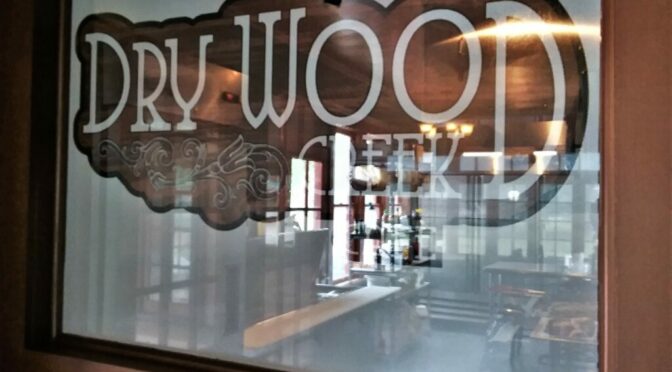
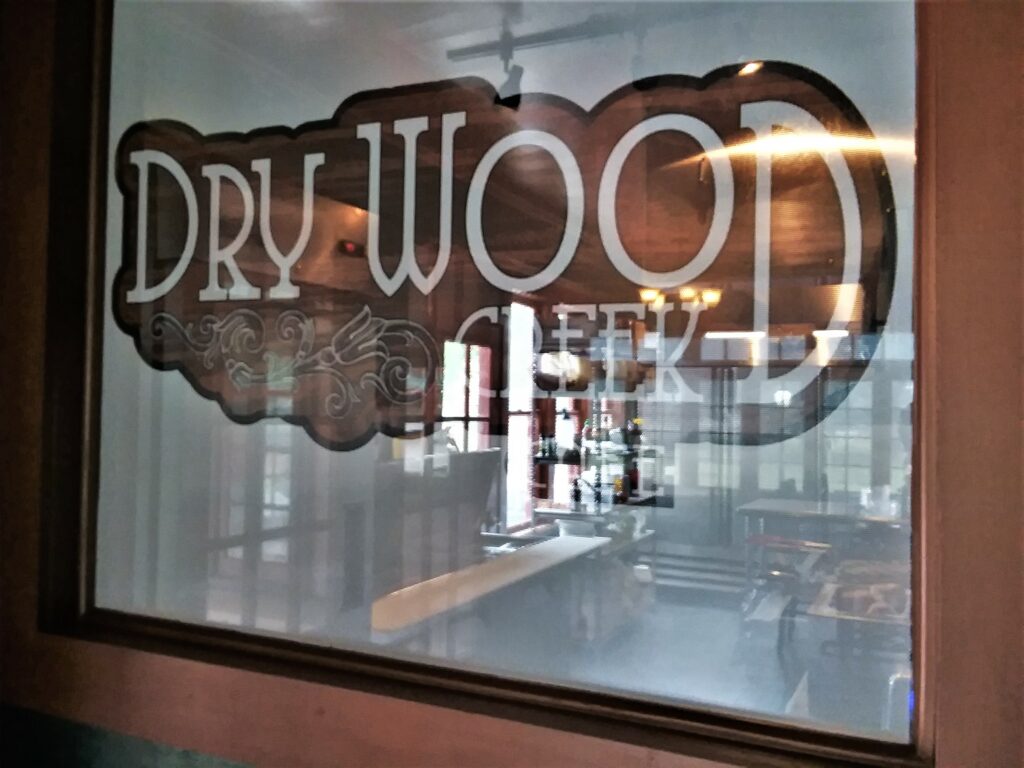
The cafe sign just inside the door reflects the glassed-in eating area at Drywood Creek Cafe.
After the Lyons family closed the Twin Mansions on National Avenue in March 2020, the bed and breakfast along with the restaurant remained shuttered.
The family closed as the COVID-19 Pandemic shut down businesses in the nation.
A new chapter started in June 2021 when the Elton family moved from Kansas City into the northern mansion to make their home at 742 S. National Avenue and in September 2021, the southern mansion at 750 S. National Avenue was once again opened as a restaurant.
Dry Wood Creek Cafe is owned by Chef Marty Elton and his wife, Carrie.
Dry Wood Creek Cafe Chef Marty Elton. Submitted photo.
The new business venture idea came about during downtime following lockdown, because Elton’s K.C. area catering business was affected by COVID-19 as well.
“During COVID, a catering business was up in the air,” Elton said.
His own home needed some remodeling and he looked on Zillow for possible properties to look at and saw the property in Fort Scott, known as the Twin Mansions.
“The property attracted us, and the people and town have been great,” Elton said in a break from restaurant work on Wednesday morning.
He is hoping to have a grand opening later in the year, close to the holidays, he said.
Until then, he and his four employees are serving breakfast and lunch from Wednesday through Friday from 8 a.m. to 3 p.m. and Saturday and Sunday from 7 a.m. to 3 p.m.
He said after decades in the business he knew he wanted more time with his family and the cafe hours allow that.
“I’m spending my evenings with my kids,’ Elton said.
Elton also caters meals to all size orders, from box lunches to weddings, he said.
In the southern mansion on an upper level, the Elton’s have an office for rent that would be suitable for an accountant or lawyer, he said.
Dry Wood Creek Cafe is located at 750 S. National and can be reached at 620-224-2970. For the latest info, see their Facebook page.
TOPEKA – Kansans that live in area codes 785 or 620 will be required to use 10-digit dialing when making local calls beginning on Sunday, October 24. At that time, local calls dialed with only seven digits will not go through, and a recording will inform you that your call cannot be completed as dialed. This change, while it may take some time to get used to, will make it easier for persons in crisis to reach the National Suicide Prevention Lifeline.
Last July, the Federal Communications Commission (FCC) approved 988 as the new abbreviated number for the National Suicide Prevention Lifeline. As a result, any area code that uses the 988 prefix in telephone numbers is mandated to adopt 10-digit dialing. That includes Kansas area codes 785 and 620, which cover the majority of the state. In total, 82 area codes in 36 states will make the change.
The FCC initiated a practice period in April allowing both 7-digit and 10-digit dialing to help callers adjust to the change. On Sunday, 10-digit local calling becomes mandatory with the exception of any three digit abbreviated numbers available in the community, such as 911. Callers will still dial 1 + the area code and telephone number for all long distance calls.
With the switch to 10-digit dialing about to take effect, residents are encouraged to make sure any services with automatic dialing equipment, such as life safety systems, medical monitoring devices, security systems and fire alarms, mobile phone contact lists and call forwarding settings are reprogrammed if needed.
Beginning July 16, 2022, callers can reach the National Suicide Prevention Lifeline by calling 988. Until then, callers will continue to dial 1-800-273-8255 (TALK).
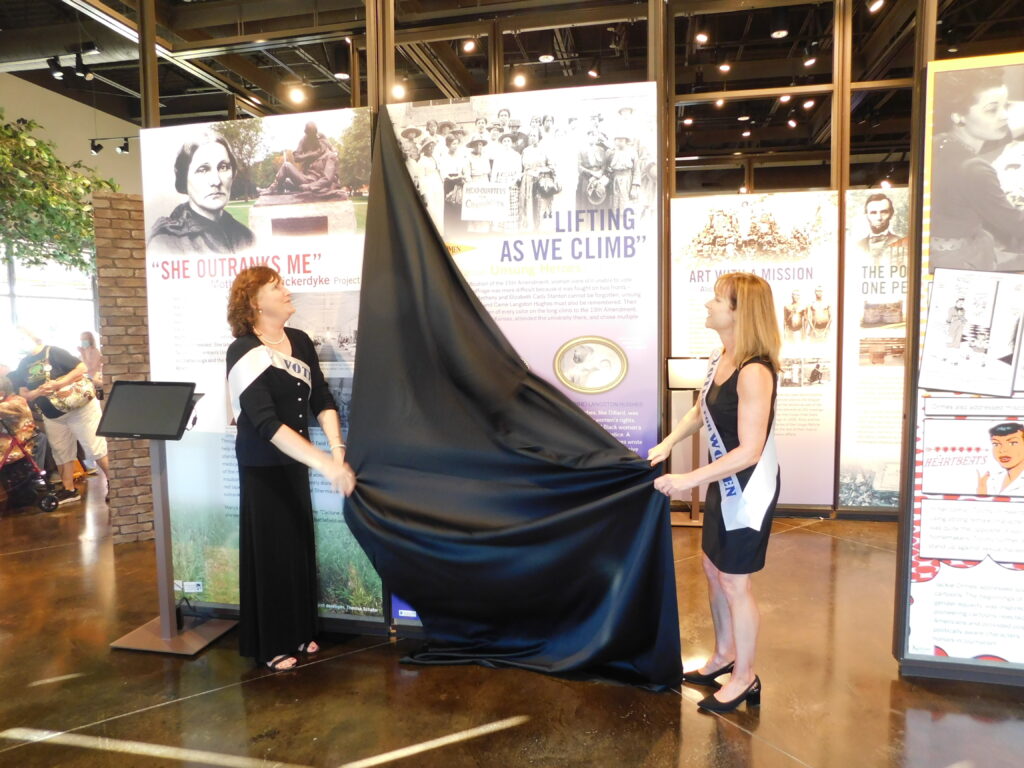
The unveiling of the exhibit honoring African American Suffragettes Mamie Dillard and Carrie Langston Hughes by Lowell Milken Center Docent Rhonda Hassig, left, and Miah Lugrand, the principal of Pinckney Elementary School, Lawrence, KS. Both Dillard and Hughes lived in Lawrence.
The Lowell Milken Center for Unsung Heroes, 1 S. Main, has expanded its’ exhibits into the park south of the building.
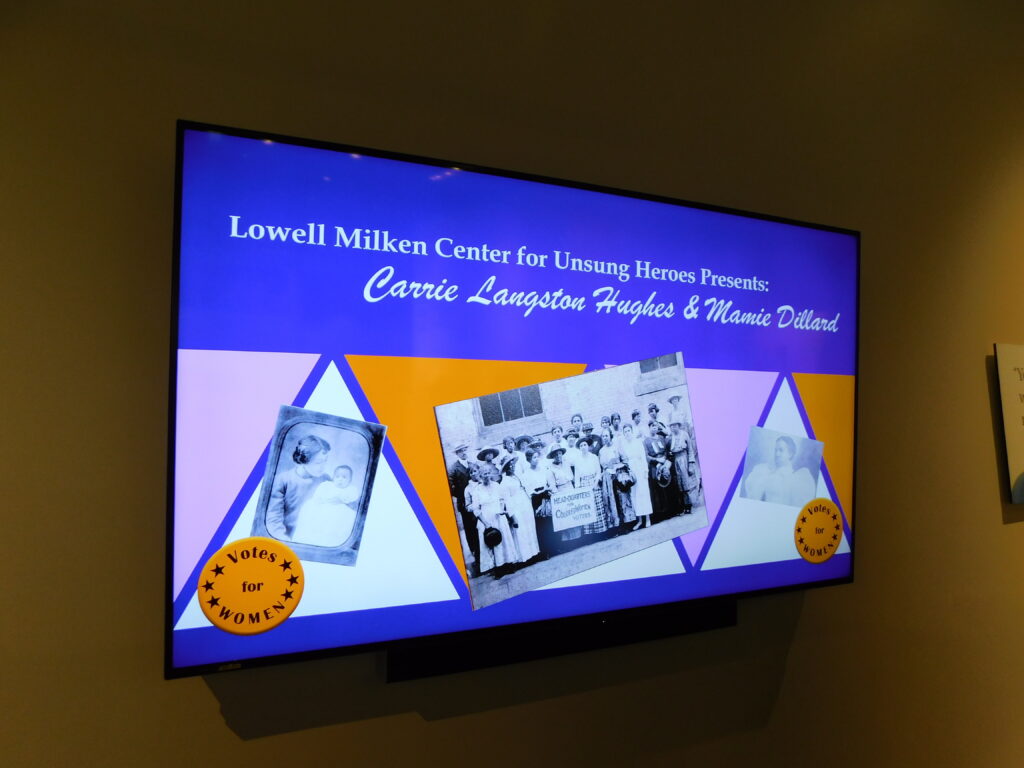
On October 8, the center hosted an unveiling of two Kansas black women who were suffragettes in the movement to allow women to vote. The exhibit was sponsored by a Kansas Humanities Grant and featured Carrie Langston Hughes and Mamie Dillard.
In addition, that day several new exhibits were unveiled in the green space area south of the center, named the Unsung Heroes Park.
“The objectives of the park are to provide a place for visitors to enjoy the pleasant outdoor scenery, learn about unsung heroes, and offer a centralized community gathering space for programs and activities, while also complementing the downtown area,” according to a prior LMC press release.
A Lowell Milken Center for Unsung Heroes screen announcing the new exhibit featuring Kansas Suffragettes Carrie Langston Hughes and Mamie Dillard.
The new outside exhibits in the Unsung Heroes Park are inter-changeable and will be occasionally switched out, Ronda Hassig, LMC Docent, said.
“We are still awaiting murals that will be placed on the north side of the center, facing Wall Street and also on the south side of the center, facing the park,” she said.
The biggest part of the funding for the park was by the center’s founder Lowell Milken. Milken believes “education can awaken the mind, sustain curiosity and strengthen our engagement with others. More importantly, … education has the power to instill in people the impulse to take initiative for the good of others,” according to the LMC for Unsung Heroes website.
Others who helped with the park funding: the American Association of Retired People Challenge Award, The Timken Foundation, and a Sunderland Grant, Hassig said.
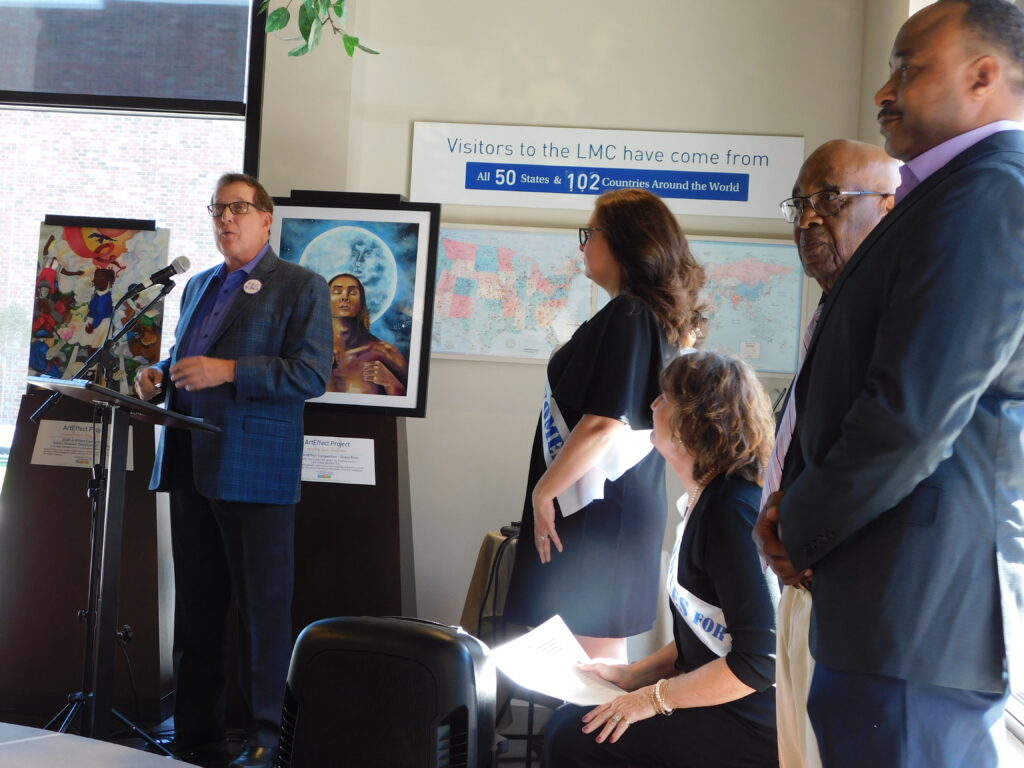
Lowell Milken Center Director Norm Conard, left, welcomes the crowd to the unveiling of new exhibits on Oct. 8. Megan Felt, LMC Program Director; Ronda Hassig, LMC Docent; Robert Nelson who sang a moving spiritual as part of the program and Gordon Parks Museum Director Kirk Sharp look on.
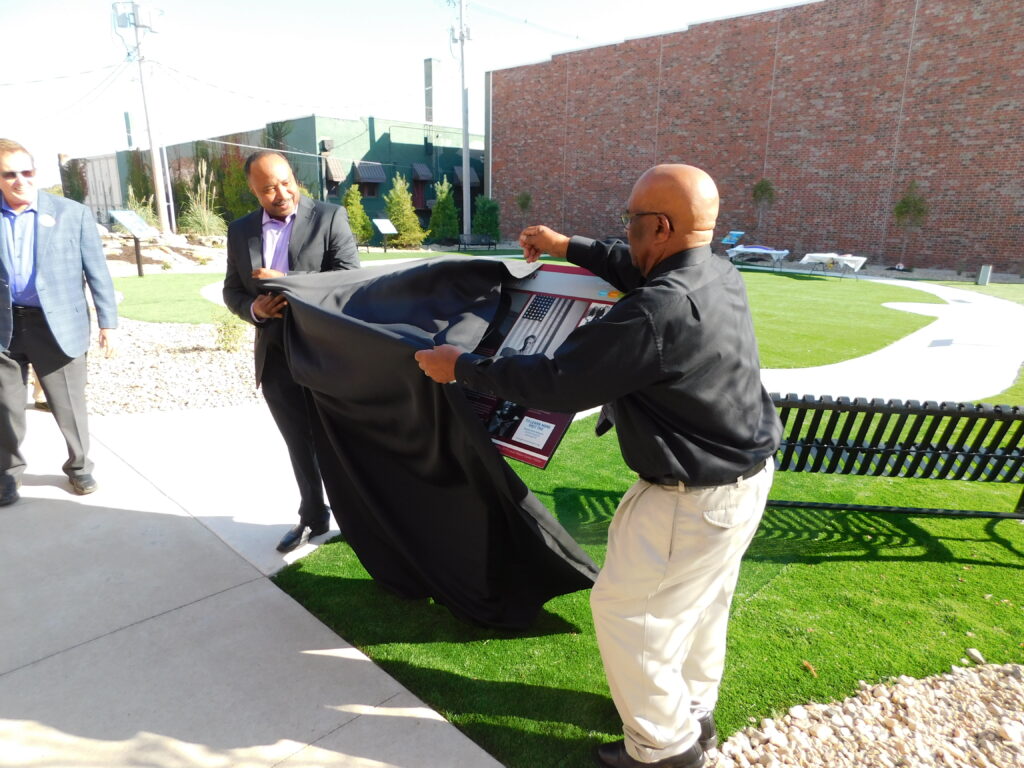
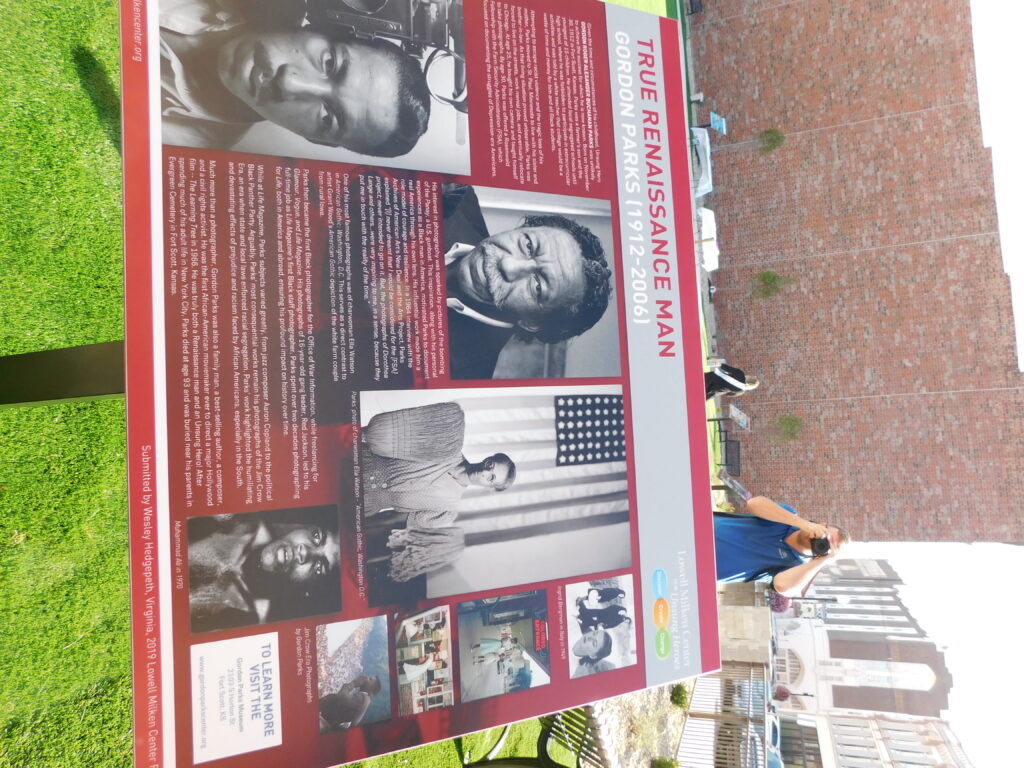
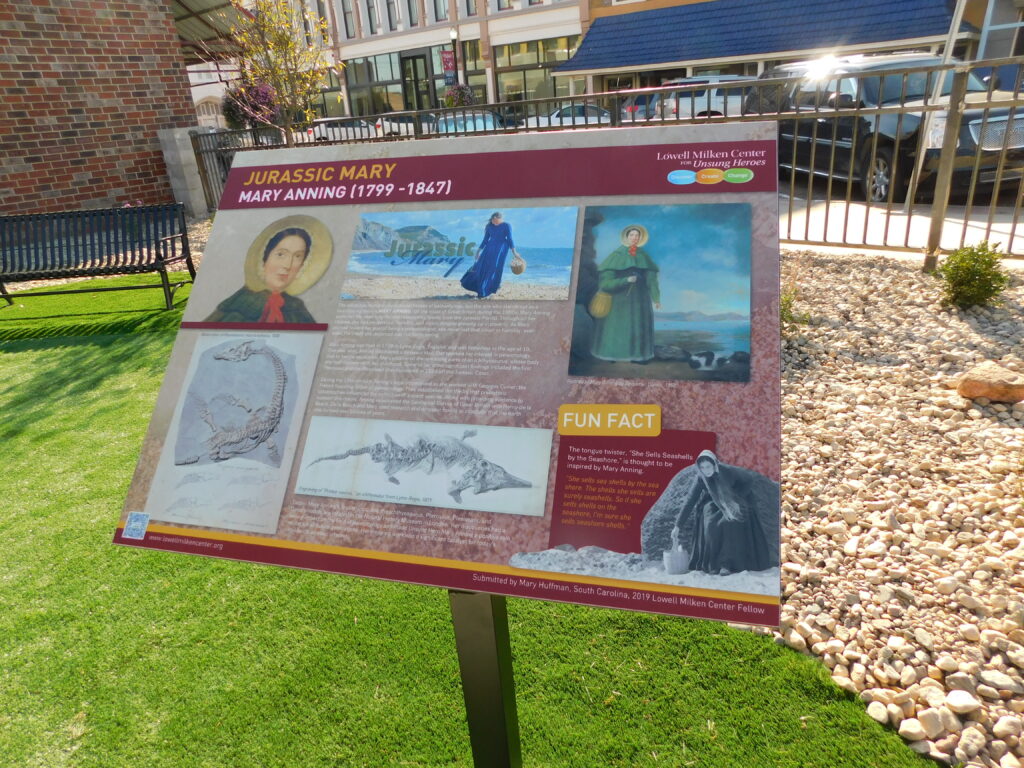
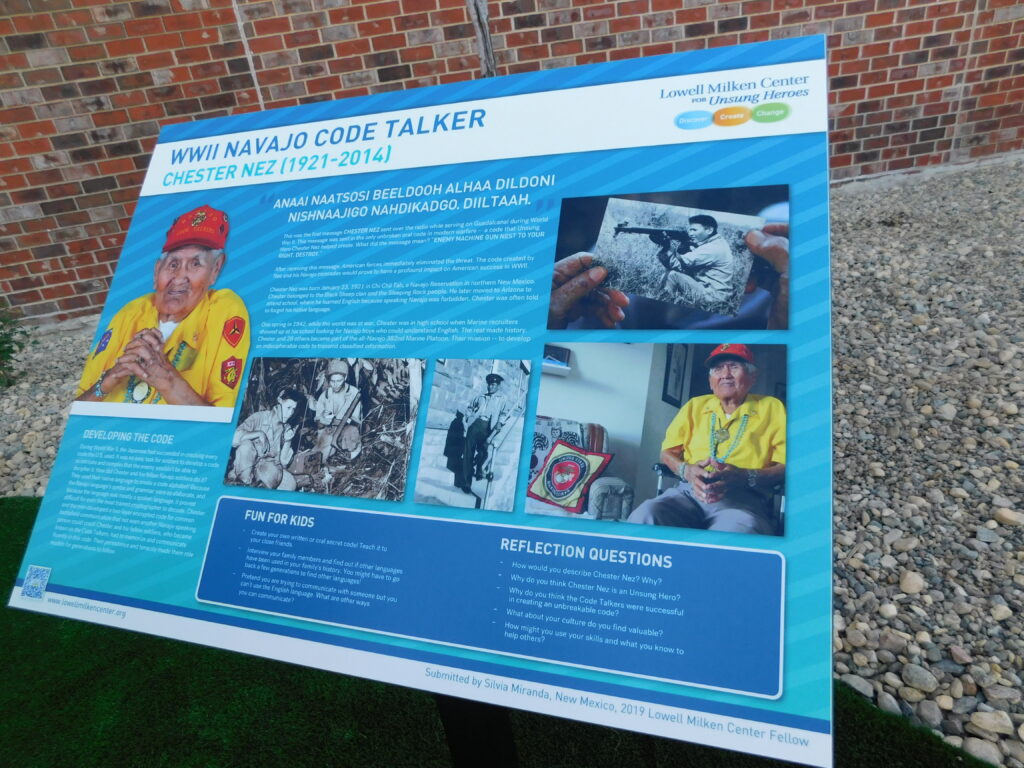
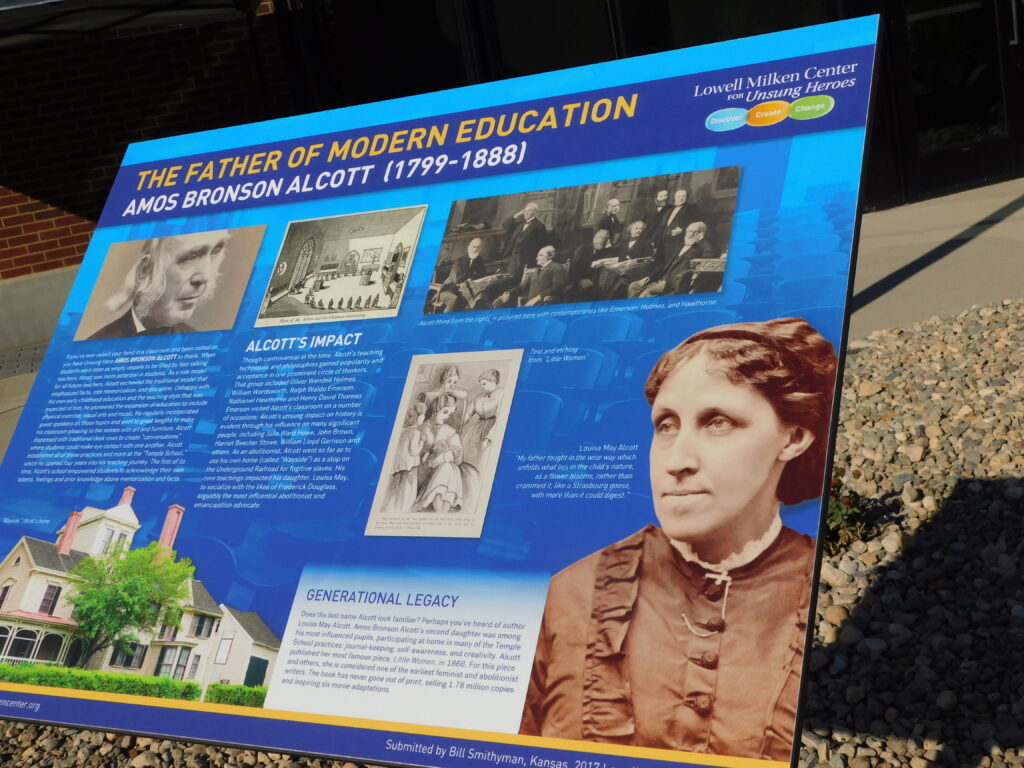
Norm Conard, left, watches as Kirk Sharp and Robert Nelson unveil the Gordon Parks exhibit, which is part of the new expanded space for exhibits south of the Lowell Milken Center in downtown Fort Scott.The storyboard, also called a story rail, of Gordon Parks, who had a humble beginning in Fort Scott and went on to be a famed photographer, journalist, author, and film producer.One of the new exhibits features Mary Anning.Chester Nez, a World War II Veteran, who was a Navajo Code Talker in service to his country, is featured on the new story rail in the Lowell Milken Center Unsung Heroes Park.Juanita Moody is a new featured exhibit in the Unsung Heroes Park.Amos Bronson Alcott is newly featured in the Unsung Heroes Park.A waterfall feature adds to the beauty of the Unsung Heroes Park.The greenspace south of the Lowell Milken Center at Main and Wall Street in downtown Fort Scott has new exhibits in the expanded area. The picture is taken from the southside of the center looking south. Main Street is to the right.