|
||||||||||||||||||||||||||||||||||||||||||||||||||||||||||
|







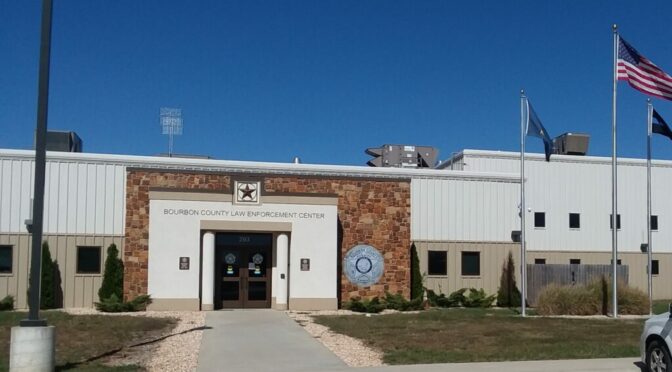
The Bourbon County Sheriff’s Office Daily Reports December 2
System upgrade to take some court systems offline this weekend
|
|


KS November Total Tax Collections Below the Estimate
|

From the Bleachers by Dr. Jack Welch
Honor the Contract or Change the System?
In college athletics, few debates stir up as much passion as whether administrators should honor the full length of a coach’s contract. Every hire is a gamble. Some coaches arrive with little proven success at the level they’re stepping into. Others come with résumés full of championships, rebuilds, and turnarounds. Yet in every case, everyone, the administration made the choice. They believed the coach was the right person for the job, or they never would have signed their name on the contract.
A contract, after all, is not a suggestion. It’s a roadmap. When a coach is hired on a three-, five-, or seven-year deal, that length isn’t arbitrary. It represents the time needed to recruit players, build a system, implement a culture, and create the foundation for long-term success. No coach worth their whistle expects instant magic. They build a plan aligned with the years they were promised, or did they? Maybe the administration expected immediate results. Maybe the administration realizes they made a big mistake.
In today’s impatient sports world, many coaches never get the chance to finish what they started. A season and a half in, maybe two years at most, administrators decide that the win-loss record isn’t good enough, the crowd size isn’t big enough, or the social media noise is too loud. So, the coach is dismissed, sometimes with one, two, or even three years left on the contract. If both sides truly agreed on the plan from the start, shouldn’t the coach be allowed to execute it? Unless the coach is failing according to the agreed upon plan.
Legally, the structure is clear. Coaching contracts often include clauses allowing institutions to terminate the agreement without cause, if they pay the agreed-upon buyout. Contracts also outline “for-cause” conditions, major misconduct, violations, or ethical breaches, which allow a school to sever ties without further obligation. Most dismissals fall under the former, not the latter. Consequently, the college writes the check, honors the buyout, and moves on. Reassignment is another option.
Honoring the dollars isn’t the same as honoring the contract. Paying someone to go away may satisfy the legal requirement, but it doesn’t satisfy the ethical one. It raises a bigger question: If a school hires a coach based on a vision that supposedly takes years to fulfill, why abandon the vision before the time is up? Or did they have an agreement to produce immediate results?
Some argue that administrators must react quickly when things go poorly. Others say you can’t preach commitment, stability, and trust to student-athletes while modeling the opposite at the administrative level.
Colleges have every right to make a change if they believe it’s needed. They also have a responsibility to ensure they’ve done their part: reviewing the plan thoroughly on the front end, providing the promised time and resources, and allowing the coach a real chance to succeed. Otherwise, we don’t just fail the coach, we fail the process.
Thought for the Week, “Commitment loses its meaning the moment convenience replaces conviction.” Jack Welch

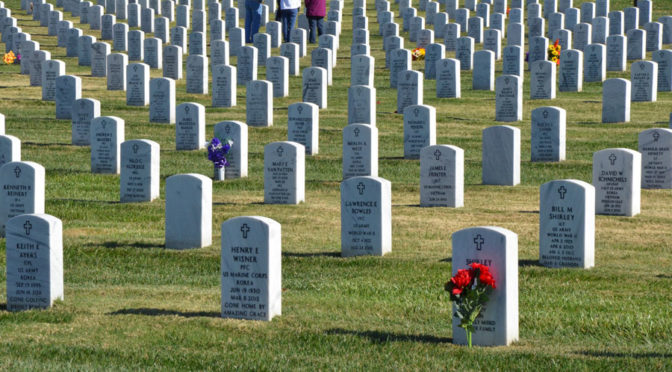
Funeral Notice for Marlean J. Roberts
Marlean J. Roberts, age 66, a resident of Ft. Scott, Kansas passed away October 12, 2025. Her husband, Weldon B. Roberts preceded her in death on May 9, 2020. A memorial service for both Marlean and Weldon Roberts were held at 10:00 A.M. Friday, November 28th at the Cheney Witt Chapel. Burial will follow in the U. S. National Cemetery. Arrangements are under the direction of the Cheney Witt Chapel, 201 S. Main, Ft. Scott, Kansas.

Applications for 2026 Boys State of Kansas Session Open

December 1, 2025 — The American Legion Boys State of Kansas is accepting applications for its 2026 session. The event is set to be held Sunday, May 31, through Saturday, June 6, at Kansas State University in Manhattan. This will be the program’s 34th consecutive session at KSU and 88th overall.
Traditionally, Kansas Boys State has been for individuals who will complete their junior year of high school in the spring just prior to the start of each session. However, the ALBSK program will again expand the pool of applicants for this year’s session to also include those who will complete their sophomore year of high school this spring.
The American Legion Boys State of Kansas program provides a relevant, interactive, problem-solving experience in leadership and teamwork that develops self-identity, promotes mutual respect and instills civic responsibility to inculcate a sense of individual obligation to community, state and nation. Boys State is a “learning by doing” political exercise that simulates elections, political parties and government at the state, county and local levels, providing opportunities to lead under pressure, showcasing character and working effectively within a team. It’s also an opportunity to gain pride and respect for government, and the price paid by members of the military to preserve democracy.
The cost to attend the Boys State of Kansas program is $375; however, in many instances, sponsors pay the majority of the fees, with the delegate or his family paying $50. Those wishing to attend the 2026 session should visit ksbstate.org to apply. The deadline to apply for the 2026 program is Thursday, April 30; applications are accepted after that date, but on a space-available basis. In addition, those who register by Saturday, Jan. 31, will receive a KBS sweatshirt or polo. Furthermore, delegates who are returning for a second year have the opportunity to attend the 2026 session for just $50 total, provided they get at least three people from their school (or another school) to attend.
Kansas Boys State attendees are eligible to receive a three-hour course credit (Introduction to Political Science [POLSC 110-C]) through Kansas State University at a 72% discount, as well as earn merit badges to attain the Eagle Scout rank through Boy Scouts of America. Additionally, attendees can apply to win a Samsung American Legion Scholarship. The American Legion Department of Kansas finalist is guaranteed a $1,250 scholarship, with the opportunity to receive up to $10,000 as a national scholar.
Potential sponsors, such as American Legion posts, civic organizations, businesses, clubs and interested individuals should visit ksbstate.org/sponsor. Questions? Contact the ALBSK at [email protected] or (785) 550-6492. For complete information about the American Legion Boys State of Kansas program, visit ksbstate.org.
For information about the 2026 American Legion Auxiliary Sunflower Girls State, which will be held Sunday, May 31, through Friday, June 5, at the University of Kansas in Lawrence, visit ksgirlsstate.org.
— #KSBoysState —
The American Legion Boys State of Kansas is an interactive simulation that teaches high school seniors-to-be the value of democracy and civic duty. Participants form mock governments and campaign for positions at the city, county and state levels. After the elections, participants find out firsthand the difficult decisions made daily by those in government through a series of challenging simulations. Delegates, nominated to attend by their high school counselors and other influential people in their lives, are sponsored by American Legion posts and various civic organizations from across the state. All delegates demonstrate outstanding leadership qualities in student government, athletics and/or other activities.
The Boys State program was founded by Legionnaires Hayes Kennedy and Harold Card in Illinois in 1935, and was first held in Kansas two years later in Wichita. The Kansas program moved to the University of Kansas in Lawrence in 1963 and remained there until 1991. The following year, it moved to its current location at Kansas State University in Manhattan. For more information about the American Legion Boys State of Kansas, visit ksbstate.org.

Blythe Family Christmas Concert Is December 5

Everyone in the community is invited to Parkway Church of God Holiness this Friday, December 5 at 7 pm for a Christmas concert featuring the Blythe Family. The address for the church is 1111 State Street.
Submitted by Alex Arnold
The Bourbon County Sheriff’s Office Daily Reports December 1

Love is Spelled T I M E by Carolyn Tucker

Keys to the Kingdom
By Carolyn Tucker
Love is spelled T I M E
Uncle Dennis once said that kids spell love as “TIME.” In truth, I believe all ages spell it the same way. When I was in high school, my typing teacher would instruct the students to type, “Now is the time for all good men to come to the aid of their country” over and over. This phrase contained words that are super easy to type which facilitated in developing an efficient rhythm without errors.
Now is the time to be thankful for what we’ve got and forget what we “don’t got.” Every so often God will provide an opportunity to jolt us into counting the blessings that matter the most. While on a family vacation this summer, we pulled off the highway so a couple of us could use the facilities at a rest stop. When my six-year-old granddaughter took a step to cross the single-lane driveway in the parking lot, a speeding car came from out of nowhere. Vivienne immediately stood still, but she was visibly shaken. This near-accident happened in the blink of an eye and there was nothing any human could have done to prevent a heartbreaking outcome. We were all thankful for God’s hand of protection on Vivienne.
Our topic of conversation between the five adults on the ten-hour drive from Kentucky were varied. There were times of hilarity, but eventually the conversation turned serious. My daughter-in-law Emily asked me a question and my heartfelt response was, “Everything I need and am most thankful for are the eight people in this vehicle.” The most-treasured blessings God gives us are flesh-and-blood family and friends. When I was recently involved in an auto collision, the emergency responders kindly reminded me,
“Vehicles can be replaced; people cannot.” We can individually “give thanks to the Lord for His unfailing love and His wonderful deeds for me” (Psalm 107:8 NIV).
The prophet Jonah prayed from the great fish’s belly, “But I will offer sacrifices to You with songs of praise, and I will fulfill all my vows. For salvation comes from the Lord alone” (Jonah 2:9 NLT). Like Jonah, I want to use my voice of thanksgiving for all the things God prevented from happening and the things He has caused to happen. Anything that’s good is from God. “Whatever is good and perfect comes down to us from God our Father, who created all the lights in the heavens. He never changes or casts a shifting shadow” (James 1:17 NLT).
It’s important to remember that believers are surrounded by His blessings everywhere. We’re recipients of a neighbor’s helping hand, prayers of a church family, the love and care of family and friends, and the sunshine of a smile. A steady stream of giving thanks to the Lord should be the solid foundation of our daily lives. “Therefore, let us offer through Jesus a continual sacrifice of praise to God, proclaiming our allegiance to His name” (Hebrews 13:15 NLT).
When we count our blessings, we are focusing on the goodness of God. We can joyfully give thanks to the Father for what we have. “May you be filled with joy, always thanking the Father” (Colossians 1:11-12 NLT).
The Key: Now is the time for all thankful people to joyfully praise God for all His blessings.

Vitamin A Matters: Supporting Reproduction, Growth, and Immunity in Cattle by Hunter Nickell
Southwind Extension District
Livestock Production Extension Agent
1006 N. State St.
Iola, KS 66749
Office: (620) 365-2242
Cell: (620) 473-3298
[email protected]
Vitamin A Matters: Supporting Reproduction, Growth, and Immunity in Cattle
Vitamin A deficiency in cattle can manifest through a range of clinical signs, including reduced feed intake, growth issues, night blindness, and reproductive failures like low conception rates and stillborn calves. Calves born to vitamin A-deficient cows can exhibit signs of a depressed immune system, making them more vulnerable to disease. Recent concerns about the rising incidence of stillborn and weak calves across the United States have led some nutritionists to emphasize the critical importance of vitamin A supplementation in beef cattle production.
All animals require a dietary source of vitamin A. Vitamin A is typically provided to animals in plant products through its precursor, carotene. Cattle convert beta carotene from green vegetation into vitamin A. In a normal pasture season, the daily intake of carotene that is converted into vitamin A is three to five times the requirement. Cattle can store up to four months of vitamin A in the liver during this period. Under ideal conditions cattle fed good quality hay during the winter will maintain adequate vitamin A status.
Green, lush pastures are an excellent source of vitamin A, primarily due to their high beta-carotene content, the pigment found in these plants. During winter months or periods of drought, vitamin A deficiencies can arise because dormant plants contain significantly less beta-carotene compared to fresh forages. Cows grazing on dry, brown grass or consuming hay made from drought-stressed forages are likely to have low vitamin A. Even hay from good green forage may not maintain adequate vitamin A levels over time, as carotene is unstable and can degrade, even when stored properly. This degradation can result in a loss of one-third to one-half of beta-carotene levels each year. Therefore, it’s crucial to keep mineral supplementation sources fresh to ensure adequate vitamin A intake, as feed grains and concentrates typically have low beta-carotene content.
Luckily, adding vitamin A to cattle diets is both simple and budget-friendly. It’s best to provide this supplement in winter since summer pastures offer plenty of green grass. By the end of summer, cattle typically store ample vitamin A in their livers, but without supplementation during winter, deficiencies can develop. If dietary vitamin A is not adequate, a good time for injection in pregnant cows is at least two months prior to calving to build up stores in the cow and ensure that adequate amounts of vitamins are present in the colostrum. For cows deficient in vitamin A, a single injection may not be enough. These cows have a diminished capacity to store vitamin A in their liver, which means they might require more injections until their vitamin A reserves are sufficient or until adequate oral supplementation can be established. Calves have minimal vitamin reserves at birth and are highly dependent on an adequate supply of vitamins from the dam through colostrum and milk.
Thank you to Emma Briggs, Extension Beef Specialist, for the content of this article. If you have further questions regarding Vitamin A as we are approaching the winter, please feel free to reach out to Hunter Nickell, Livestock Production Agent at any Southwind Extension District office, or by email at [email protected].

December 1, 2025 Bourbon County Commission Agenda

Bourbon County Commission Agenda: December 1, 2025
Location: Bourbon County Commission Chambers, 210 S National Ave. Date & Time: Monday, December 01, 2025, 5:30 PM (PDF Page 1)
I. Opening Protocol (PDF Page 1)
-
Call Meeting to Order
-
Roll Call
-
Pledge of Allegiance
-
Prayer
II. Approval of Agenda (PDF Page 1)
III. Approval of Minutes (unofficial until approved) (PDF Page 1)
-
Minutes from November 17, 2025, and November 18, 2025
IV. Recognition (PDF Page 1)
-
St. Luke’s Award – EMS
V. Consent Agenda (PDF Page 1)
-
Approval of November 21, 2025 Accounts Payable: $93,276.25
-
Approval of November 26, 2025 Accounts Payable and Payroll: $327,304.73
VI. Executive Session (PDF Page 1)
-
Executive session pursuant to KSA 75-4319 (b)(1) to discuss personnel matters of individual nonelected personnel to protect their privacy – Jennifer Hawkins
VII. Public Comments (PDF Page 1)
VIII. Old Business (PDF Page 1)
-
Sale Tax
-
2026 Benefits – Susan Walker (HSA, FSA, COBRA)
-
Longevity – Susan Walker
-
Lines of Communication – Susan Walker
-
Road Closure Application – Patricia Daniels
-
Schwab-Eaton Engineering Services Agreement – Dustin Hall/Kenny Allen
-
190th Street Benefit District – Johnson
-
Sanitation Discussion – Beerbower
-
Handbook Discussion – Tran
-
BBCO Planning Commission Moratorium
IX. New Business (PDF Page 1)
X. Build Agenda for Following Meeting (PDF Page 1)
XI. Commission Comments (PDF Page 1)
XII. Adjournment (PDF Page 1)
📋 Information Packet Summary
Minutes from November 17, 2025 (PDF Pages 3-6)
-
Key Topics Discussed: Health insurance options (facing a 17% rise in claims and higher premiums), longevity pay (general fund does not have enough budget room), aging vehicle fleet and infrastructure investment, asphalt plant repairs, a potential moratorium on new commercial/industrial businesses, and an engineering service agreement for a bridge project (PDF Page 3).
-
Decisions Made/Action Taken:
-
Approved the Enterprise Fleet Management Agreement to lease 11 vehicles for the sheriff’s department, funded through the jail sales tax (PDF Page 4).
-
Tabled the discussion on longevity pay to a special meeting the next day (November 18, 2025) (PDF Page 5).
-
Approved a letter of support for the Tri-Valley Coordinated Transit District’s transportation grant application (PDF Page 4, 6).
-
Approved a real property tax relief application for a total loss property (PDF Page 5-6).
-
Approved benefit Option D presented by Don Doherty for benefit plans and contributions (PDF Page 5).
-
Tabled the Bourbon County Planning Commission Moratorium until the next meeting (PDF Page 4).
-
Approved the lease agreement for 11 vehicles for the Sheriff out of the Jail sales tax fund for $399,216 (PDF Page 5).
-
Minutes from November 18, 2025 – Special Meeting (PDF Pages 7-8)
-
Key Topics Discussed: Resolution to break a tie in a Uniontown council race, revisions to meeting rules (including public comments on agenda items), increase in dental insurance contributions, and funding for employee longevity pay (PDF Page 7).
-
Decisions Made/Action Taken:
-
Approved Resolution 35-25, breaking a tie in the Uniontown Council race with Stewart Troutman winning (PDF Page 7).
-
Voted to repeal Resolution 34-25 and replace it with Resolution 36-25, which allows public comments on agenda items (PDF Page 7).
-
Approved the employer taking on the increase in dental insurance contributions for 2026 with BCBS, resulting in a $4,000 increase to the county’s budget (PDF Page 7-8).
-
Approved funding the $55,100 longevity pay by moving $305,000 from the jail sales tax fund to the Sheriff’s operational fund, and then moving $55,100 from the Sheriff’s operational fund to the general fund (PDF Page 7-8).
-
Accounts Payable and Payroll Details (PDF Pages 9-44)
-
Total Accounts Payable (11.21.25): $93,276.25 (PDF Page 22, 34)
-
The largest single fund expense was Road and Bridge at $46,986.12 (PDF Page 22).
-
The second largest was County Sheriff/Correctional at $25,454.04 (PDF Page 22).
-
-
Total Accounts Payable & Payroll (11.26.25): $327,304.73 (PDF Page 43, 44)
-
The largest single fund total was Employee Benefit expenses at $92,651.97 (PDF Page 43).
-
The second largest was County Sheriff/Correctional at $71,932.69 (PDF Page 43).
-
The Road and Bridge fund total was $47,575.12 (PDF Page 43).
-
Health Savings Account (HSA) and Flexible Spending Account (FSA) Details
-
Administrator Proposal: Presented by ABY Benefits LLC for Section 125 (FSA/DCAP/POP), HSA, and COBRA administration (PDF Page 45).
-
2026 HSA Contribution Limits:
-
Single Coverage: $4,400 (or $5,400 with $1,000 catch-up for age 55+) (PDF Page 52, 59).
-
Family Coverage: $8,750 (or $9,750 with $1,000 catch-up for age 55+) (PDF Page 52, 59).
-
Requires enrollment in a High-Deductible Health Plan (HDHP) with a minimum deductible of $1,700 for Single or $3,400 for Family (PDF Page 52).
-
-
FSA Contribution Limits for 2025:
-
Health FSA (Medical Expenses): $3,300 (PDF Page 46). Note: The enrollment booklet lists the maximum as $3,400 (PDF Page 64).
-
Dependent Care FSA (DCAP): $5,000 (PDF Page 46, 77). Note: The enrollment booklet lists the maximum as $7,500 (PDF Page 64).
-
-
FSA Details: Contributions are pre-tax, reducing taxable income and FICA taxes (PDF Page 46, 64). The benefit is subject to a “use-it-or-lose-it” rule, unless the plan allows up to a $680 carryover or a 2.5-month grace period (cannot have both carryover and grace period) (PDF Page 65, 78).
-
COBRA Administration: Federal law mandates continued benefits for employees experiencing a qualifying event (PDF Page 46). Consequences for non-compliance include fines up to $100/day to the IRS and up to $110/day to the Qualified Beneficiary (PDF Page 46).
Bourbon County Planning Commission Moratorium (PDF Page 86)
-
The Planning Committee unanimously recommended an immediate moratorium requiring any new commercial or industrial business that is not agricultural in nature and is located in unincorporated areas of the county to obtain a special use permit before commencing operations (PDF Page 86).
-
Purpose: To protect the county and residents while the Planning Committee develops more detailed and comprehensive zoning regulations (PDF Page 86).