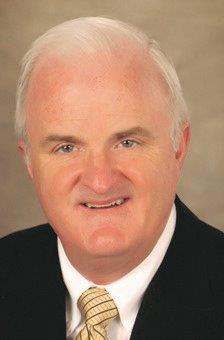
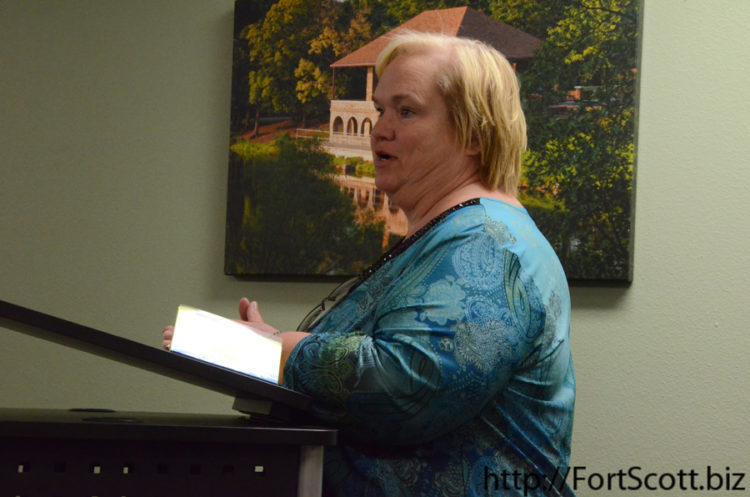
III. INVOCATION: Michael Mix, Public Utilities Director
IV. PROCLAMATIONS/RECOGNITIONS:
V. CONSENT AGENDA:
Approval of minutes of the regular meeting of August 21st, 2018.
Approval of Appropriation Ordinance 1222-A totaling $1,650,284.63.
Resolution 34-2018 – Notice of Hearing with Reference to Alleged Unsafe and Dangerous Structure and Accessory Structure located at 15 S. Crawford Street – Public Hearing Date – 10/16/2018 – 6:15 p.m.
VI. APPEARANCE/COMMENTS/PUBLIC HEARING:
APPEARANCE:
B. CITIZEN COMMENTS (Concerning Items Not on Agenda – 3 minute limit per citizen)
C. PUBLIC HEARINGS/COMMENTS: None
VII. CONSIDERATION:
Review of Water Plant KDHE Inspection
Letter of Conditions – USDA – River Intake Structure Grant
VIII. COMMENTS:
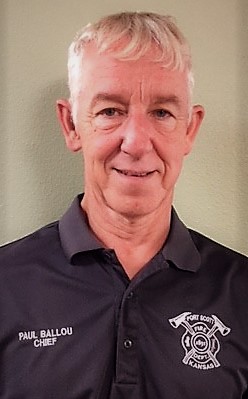
Director Updates: Paul Ballou & Dave Bruner
Commission:
City Attorney:
Director of Finance:
City Manager:
EXECUTIVE SESSION:
I MOVE THAT THE CITY COMMISSION RECESS INTO EXECUTIVE
SESSION FOR ________________________________ IN ORDER TO
(see below justification)
DISCUSS ______________________________________. THE
EXECUTIVE SESSION WILL BE ___________ MINUTES AND THE OPEN
MEETING TO RESUME AT ________________.
Justifications for Executive Sessions:
Personnel matters of non-elected personnel
Consultation with an attorney for the body or agency which would be deemed privileged in the attorney-client relationship
Matters relating to employer-employee negotiations whether or not in consultation with the representative or representatives of the body or agency
Confidential data relating to financial affairs or trade secrets of corporations, partnerships, trusts and individual proprietorships
Preliminary discussions relating to the acquisition of real property
Personnel matters of individual non-elected personnel
Consultation with an attorney for the body or agency which would be deemed privileged in the attorney-client relationship
Matters relating to employer-employee negotiations whether or not in consultation with the representative(s) of the body or agency
Confidential data relating to financial affairs or trade secrets of corporations, partnerships, trusts and individual proprietorships
Preliminary discussions relating to the acquisition of real property
Matters relating to the security of a public body or agency, public building or facility or the information system of a public body or agency, if the discussion of such matters at an open meeting would jeopardize the security of such public body, agency, building, facility or information system
Two openings (Must be a City resident) for the Fort Scott Library Board.
The function of the Fort Scott Library Board is to review requests in reference to the library. This Board meets monthly at 5:00 p.m. on the third Tuesday of the month.
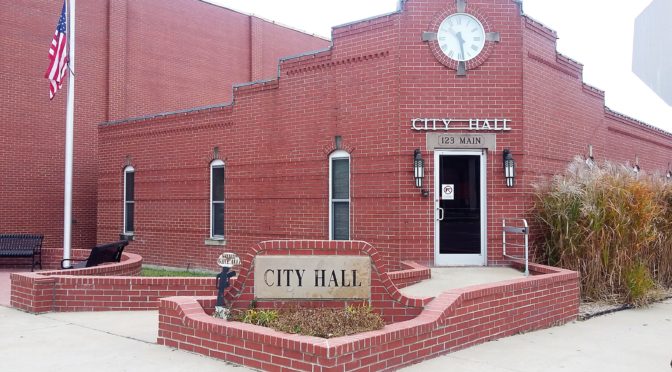
If you have a desire to serve on this board and meet the above requirements, please submit a letter of interest to the City Clerk, Diane Clay, 123 S. Main, Fort Scott, Kansas 66701. She will then submit your letter of interest for consideration to the City Commission. All of the boards and commissions serve on a volunteer basis and are not compensated. If you would like more information on this board, please contact Diane Clay, City Clerk at 620-223-0550 or [email protected]. Please submit your letter of interest by September 14th, 2018.
TOPEKA – Officials with the Kansas Departments of Wildlife, Parks, and Tourism (KDWPT) and Health and Environment (KDHE) want dog owners to be aware how dangerous harmful algae blooms (HABs) can be to their dogs.
A HAB is an abnormally high population of blue-green algae in a body of water. Whether you hunt with your dog near water or just take it out for a walk, there are things you can do to protect your four-legged partner.
HABs can occur in lakes, ponds, wetlands, creeks or drainage areas, generally coinciding with warm water temperatures and often flourishing in nutrient-laden waters.
Dogs can become seriously ill or die if they swim in, drink or retrieve a bird from water affected by a HAB.
They can even be sickened if they lick their fur after exposure or eat dried algae along the shore or floating in the water.
A HAB may look like foam, scum or paint floating on the water and be colored blue, bright green, brown or red.
There may also be a very strong musty odor or the smell of sewage or petroleum.
This season, if the water appears or smells suspicious or if there are decaying algae on the shore, do not let your furry friend drink, swim or retrieve birds in the water.
Blue-green algae are really a type of bacteria called “cyanobacteria,” which occurs naturally in all waters around the globe.
Under the right conditions, the algae can rapidly increase (bloom) and produce toxins. Although HABs typically begin in May, they can occur through October or later.
Algae can wash up on shorelines and in marshy areas and even after they are dead and dry, toxins that were produced can persist for long periods.
Dogs will still be at risk if they drink the HAB-affected water, walk on, roll in, eat decaying algae along the shore or retrieve a bird with algae on its feathers.
Just a small amount of blue-green algae can sicken or kill a dog.
The signs of illness in dogs usually occur within 30 minutes of exposure and include vomiting, diarrhea, lethargy, convulsions, difficulty breathing and general weakness.
If you suspect your dog has ingested algae or has any of these symptoms, contact your veterinarian immediately.
People may also become ill after contact with algae-produced toxins. Symptoms vary, depending upon the type of exposure (e.g. direct contact, ingestion, inhalation) but can include rash, vomiting, diarrhea, fever, sore throat, and headache.
If you or your dog come into contact with algae, immediately rinse the contact area with clean, fresh water. If you or your dog show signs of illness, call your physician or veterinarian.
KDWPT and KDHE offer the following tips to help prevent HAB poisoning in dogs:
· Carry potable water for yourself and your dog when hunting or going for walks along the shore.
· Train dogs to come to you for a drink of water.
· Rinse off your dog with potable water as quickly as possible if your dog swims in a HAB or walks through dried algae.
· Do not let dogs eat dried algae along the shoreline. A bluish color along the shore indicates dying, toxic blue-green algae.
· Do not let your dog lick their paws if they have walked through dried algae and remember that waterfowl in HAB-affected water may have toxic cells on their feathers.
KDHE samples publicly-accessible bodies of water for blue-green algae when the agency is alerted to a potential HAB.
When a HAB occurs, KDHE, in cooperation with KDWPT and other lake managers where appropriate, responds by informing the public of these conditions.
KDHE does not sample private bodies of water such as farm ponds or livestock watering tanks but has recommendations on what to look for, how to field test and who to contact for additional assistance on KDHE’s HAB website.
For the most up-to-date list of waters currently affected by HABs, or to report a suspected HAB not currently listed, visit www.kdheks.gov/algae-illness. Hunters and the public can also get current HAB-related lake conditions by calling 1-855-HAB-LAKE (1-855-422-5253).
Executive Session-Privileged in the attorney-client relationship-30 min.
NRP-5 min.
1:30-4:30-Commissioner to work on 2019 Budget
Justifications for Executive Session:
Personnel matters of individual non-elected personnel
Consultation with an attorney for the body or agency which would be deemed privileged in the attorney-client relationship
Matters relating to employer-employee negotiations whether or not in consultation with the representative(s) of the body or agency
Confidential data relating to financial affairs or trade secrets of corporations, partnerships, trusts and individual proprietorships
Preliminary discussions relating to the acquisition of real property
Matters relating to the security of a public body or agency, public building or facility or the information system of a public body or agency, if the discussion of such matters at an open meeting would jeopardize the security of such public body, agency, building, facility or information system
Increase in Questions about Bats and Rabies, State Agencies Offer Guidance
Safety tips provided for coming in contact with bats and other animals
TOPEKA – The Kansas Departments of Health and Environment (KDHE) and Wildlife, Parks, and Tourism (KDWPT) have had an increase in the number of calls recently from residents who have questions about bats in their homes. Experts from the State agencies encourage Kansans to be aware of the rabies risk associated with exposure to bats.
“Although only 3 percent of about 1,000 bats tested over the last five years were positive for rabies in Kansas, they remain an important cause of human rabies cases in the United States,” said Dr. Ingrid Garrison, State Public Health Veterinarian at KDHE. “Contact with bats is a concern because their teeth are so tiny that a bite may not be felt or even leave a noticeable mark. That is why it is important to speak with someone who can evaluate your situation for potential exposure to rabies,” said Dr. Garrison.
Rabies is a fatal viral disease in mammals, including people. Infection with the rabies virus can occur from a bite by a rabid animal or when saliva from a rabid animal comes into contact with the eyes, inside the mouth, or a fresh, open wound. In Kansas, skunks are the animal that most commonly tests positive for rabies.
“We see an increase in bat activity, usually in July and August, as baby bats learn to fly,” said Samantha Pounds, an ecologist with KDWPT. “Of the more than 1,000 species of bats around the world, 15 have been found in Kansas. Bats play a vital role in the Kansas ecosystem by consuming millions of insects each year, including agricultural pests and mosquitoes. They can eat one-half of their body weight in insects each night. However, some bats may also be infected with rabies. We want people to be aware of bats, but not afraid of them,” said Pounds.
It is best to exclude bats from your home in the early spring or fall when they are not roosting (giving birth and raising young). Young bats that are not able to fly can get trapped inside, which can lead to an upset mother bat or foul-smelling dead bat. Bats often enter homes through unsealed cracks, gaps or small holes, so filling in these entry points is one way to keep bats out of a home. Another method is to use an exclusion tube or small piece of mesh to create a one-way exit for bats living in an attic. Professional help to exclude or capture bats may be available in your area.
KDHE asks that you call your health care provider or local health department if you have had any contact with a bat if a bat is found in the room of a sleeping person, unattended child, or anyone who is unable to tell you about the encounter. If possible, the bat should be captured safely and not released. Tips for safely capturing a bat can be found on the Bat Conservation International website at www.batcon.org. If the bat is not available for rabies testing, the person who was exposed to the bat should seek medical care and receive rabies prevention shots.
KDHE and KDWPT offer the following tips about bats and other animals regarding rabies for your safety:
If you wake up in a room with a bat present, regardless if there is evidence of a bite or scratch, seek advice from your health care provider or local health department. If possible, trap the bat for testing. Do not release the bat.
If bitten by any animal, seek medical attention and report the bite to your local health department or animal control department immediately.
If your animal is bitten, contact your veterinarian for advice.
Do not handle or feed wild animals. Never adopt wild animals or bring them into your home; it is both unsafe and illegal.
Do not try to nurse sick or injured wild animals back to health. Call animal control or an animal rescue agency for assistance.
Teach children to never handle unfamiliar animals, wild or domestic, even if they appear friendly.
Have your veterinarian vaccinate all dogs, cats, ferrets, horses and valuable livestock (cattle and sheep) against rabies.
TOPEKA – A federal court in Texas ruled yesterday that money collected as part of Obamacare, known as the Health Insurance Provider fee, be returned to the states by the Federal government. Kansas and five other states were part of this legal action, in which $142-million was ordered to be returned to the state of Kansas.
“This is just another example of the monumental failure of Obamacare and the expensive toll it has taken on our state,” said Governor Jeff Colyer, “This fee has been illegally collected for far too long, and I am grateful to Attorney General Derek Schmidt for going to bat for Kansas and ensuring that a legal remedy was made for returning millions of dollars that should have never been taken from taxpayers in the first place.”
Attorney General Schmidt said in a statement earlier today that an appeal is likely, so the funds should not be counted just yet, but he feels confident in the strength of the case should it be appealed.
10:30-10:45-Commissioners to discuss Health Insurance
11:00-12:00-Justin Meeks
Executive Session-Privileged in the attorney-client relationship-15 min.
Handbook-10 min.
NRP-5 min.
1:30-4:30-Commissioner to work on 2019 Budget
Justifications for Executive Session:
Personnel matters of individual non-elected personnel
Consultation with an attorney for the body or agency which would be deemed privileged in the attorney-client relationship
Matters relating to employer-employee negotiations whether or not in consultation with the representative(s) of the body or agency
Confidential data relating to financial affairs or trade secrets of corporations, partnerships, trusts and individual proprietorships
Preliminary discussions relating to the acquisition of real property
Matters relating to the security of a public body or agency, public building or facility or the information system of a public body or agency, if the discussion of such matters at an open meeting would jeopardize the security of such public body, agency, building, facility or information system
The City’s tree and brush dump site will be open from 8:00 a.m. till 5:00 p.m. Monday, August 20th through Friday, August 24th, 2018 from 8:00 a.m. to 5:00 p.m. Saturday hours will return to normal hours which are 8:00 a.m. to 12:00 p.m. and normal hours will resume the following week. Residents are encouraged to take their tree damage from the recent storm to the brush dump.
If you have questions, call City Hall at 223-0550.
The site is located on North Hill Street, off of Wall Street, past the city’s animal shelter.
Nominations Now Being Accepted for Kansas Health Champion Awards
Exceptional efforts to promote health and fitness in Kansas to be recognized
TOPEKA – The Governor’s Council on Fitness is now accepting nominations for its annual Kansas Health Champion Awards. Awards are given to individuals and organizations that make an exceptional effort to model, encourage and promote health and fitness in Kansas. Award recipients will be recognized at the Community Health Promotion Summit on Jan. 24, in Manhattan, Kan. The deadline for nominations is Sept. 30.
“The Kansas Department of Health and Environment (KDHE) is proud to partner in this important initiative to improve the health and wellness of Kansans,” said KDHE State Health Officer, Dr. Greg Lakin. “Many people and organizations throughout the state have made healthy living a priority, and it’s important that we recognize their efforts that impact others”.
Nominees would be expected to have demonstrated:
Work that goes above and beyond what is expected to model, encourage and promote fitness
Far-reaching impact
Sustainable influence or activity
“In addition to promoting effective models for increasing physical activity, nutrition and tobacco-free living for replication by organizations and communities around the state, the awards also allow us the opportunity to honor the outstanding work of one individual and one organization this year,” said Marlou Wegener, Manager of Community Relations, Blue Cross and Blue Shield of Kansas.
Eligible nominees might include an outstanding volunteer, a school, a local community, a newspaper or individual reporter, a local or State policy maker, or an employer, among others.
For more information and to submit a nomination, go to getactivekansas.org, and click on the nomination form link. If you have questions about the nomination process, contact Jennifer Church at 785-296-6801.
The Governor’s Council on Fitness advises the Governor and others on ways to enhance the health of all Kansans through promotion of physical activity, good dietary choices and prevention of tobacco use.
Farlington – The future for some of Kansas’ most imperiled aquatic species got brighter Thursday, August 16, with the grand opening of the Kansas Aquatic Biodiversity Center (KABC) at the Farlington Fish Hatchery in southeast Kansas. More than 60 people attended the opening ceremony for the facility, which culminated more than 10 years of planning and work.
The KABC is operated by the Kansas Department of Wildlife, Parks and Tourism (KDWPT). It is part of a program to propagate imperiled aquatic wildlife for reintroduction into areas where they have had serious population declines due to human activities and other factors. It will also be a holding facility for animals in immediate peril due to a decline in the quality of their habitat. In the next few months, KABC staff will work to propagate common, non-imperiled animals to develop procedures and get the rearing systems up and running. Once the systems are ready, KABC staff will begin propagating a few select species that have been determined by KDWPT to be important to restoring existing populations.
Robin Jennison, KDWPT Secretary, told a crowd at the event the facility could have a quick impact by raising and releasing aquatic animals currently on a threatened or endangered species list. Jennison said the center will play a huge role in the recovery of species in future disaster areas, such as where a chemical spill has impacted miles of a particular stream. As well as a place to take survivors of the disaster, the center could also propagate replacement animals far faster than the species could reproduce naturally. KABC will also participate in research projects pertaining to such aquatic animals.
Dan Mosier, KABC manager, said building the facility required the collaboration of various state and federal agencies. KDWPT, the U.S. Fish and Wildlife Service and the Kansas Department of Health and Environment (KDHE) contributed to the $853,000 construction cost. KDHE provided more than half, largely with funds collected from mitigation agreements with corporations responsible for past ecological disasters. Such funding will help support the center in the future, too.
“KDHE is proud to partner with the KDWPT on this crucial aquatic biodiversity facility. This facility will allow for critical research and production work with species that are in need of conservation,” said Leo Henning, KDHE director of the division of environment.
Mosier said KABC is currently working on a research project concerning alligator snapping turtles with a Missouri university.
The Farlington Fish Hatchery is located at 101 Hatchery Rd., Farlington, which is below the Crawford State Fishing Lake Dam in Crawford County. The KABC will not be open to the public, but tours may be given by prior arrangement by calling 620-362-4166.