COUNTY CLERK’S NOTICE OF CANDIDATES TO BE VOTED ON
AT THE GENERAL ELECTION NOVEMBER 3, 2020
State of Kansas County of Bourbon
In compliance with K.S.A. 25-105, and the General Election Laws of the State of Kansas, I submit herewith the list of National, State and District Candidates certified to me by the Secretary of State, and the list of those filed as candidates in Bourbon County in the forthcoming General Election to be held, Tuesday, November 3, 2020.
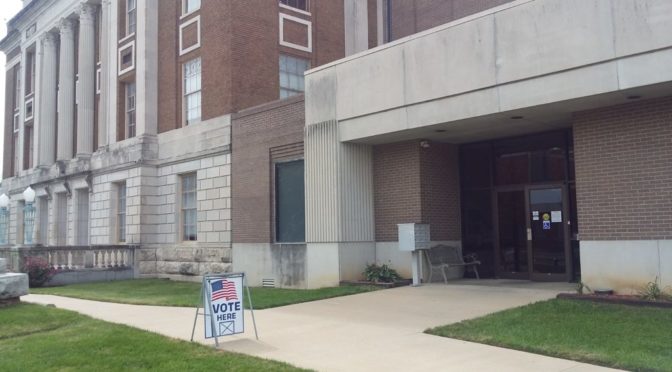
And, I hereby give further notice that the election will be held in the voting places listed below in Bourbon County, Kansas, and that the polls will be opened and closed at the regular time specified by law for the conduct of elections. All precincts in the county will open at 7:00 am and will close at 7:00 pm.
Sales Tax Question on the ballot:
To vote in favor of any question
submitted upon the ballot, darken
the oval to the left of the word
“YES”;
to vote against it, darken
the oval to the left of the word
“NO”.
Shall the following be adopted?
Shall Bourbon County, Kansas,
levy (renew) a one percent
countywide retailers’ sales tax to
take effect on July 1, 2021, and
expire on June 30, 2031, with the
allocated shares pursuant to
K.S.A. 2019 Supp. 12-192 to be
used as follows: (1) to Bourbon
County, for the purpose of
maintenance and construction of
hard surface roads, and (2) to
each city located in Bourbon
County, for the purpose of
providing funding for public
services?
Residents living in the City of Fort Scott vote at the following locations:
1st Ward Community Christian Church – 1919 S Horton, Fort Scott
2nd Ward Grace Baptist Church – 502 S Margrave, Fort Scott
3rd Ward Grace Baptist Church – 502 S Margrave, Fort Scott
4th Ward Community Christian Church – 1919 S Horton, Fort Scott
5th Ward Community Christian Church – 1919 S Horton, Fort Scott
6th Ward Community Christian Church – 1919 S Horton, Fort Scott
7th Ward Grace Baptist Church – 502 S Margrave, Fort Scott
Residents living out in the county vote at the following locations:
Drywood Grace Baptist Church – 502 S Margrave, Fort Scott
Franklin Mapleton Community Building – 565 Eldora, Mapleton, KS
Freedom Fulton Community Building – 408 West Osage, Fulton, KS
East Marion Uniontown City Hall – 206 Sherman Street, Uniontown, KS
West Marion Bronson Community Building – 504 Clay Street, Bronson, KS
Marmaton Redfield City Hall – 312 N Pine, Redfield, KS
Millcreek Redfield City Hall – 312 N Pine, Redfield, KS
Osage Fulton Community Building – 408 West Osage, Fulton, KS
Pawnee Redfield City Hall – 312 N Pine, Redfield, KS
North Scott Community Christian Church – 1919 S Horton, Fort Scott
South Scott Grace Baptist Church – 502 S Margrave, Fort Scott
Timberhill Mapleton Community Building – 565 Eldora, Mapleton, KS
Walnut Uniontown City Hall – 206 Sherman Street, Uniontown, KS
| NATIONAL AND STATE OFFICES |
|
|
|
|
|
|
|
|
| For President and Vice-President of the United States |
|
|
|
Joseph R. Biden / Kamala D. Harris |
1209 Barley Mill Road
Wilmington, DE 19807 |
Democratic |
|
|
Donald J. Trump / Michael R. Pence 1100 S. Ocean Blvd.
Palm Beach, FL 33480 |
Republican |
|
|
Jo Jorgensen / Jeremy “Spike” Cohen |
Greenville, SC |
Libertarian |
|
| For United States Senate |
|
|
|
| |
Barbara Bollier |
6910 Overhill Road
Mission Hills, KS 66208 |
Democratic |
|
| |
Roger Marshall |
PO Box 1588
Great Bend, KS 67530 |
Republican |
|
| |
Jason Buckley |
8828 Marty Ln
Overland Park, KS 66212 |
Libertarian |
|
| For US House of Representatives – District 2 |
|
|
|
|
Michelle De La Isla |
3250 SW Briarwood Dr
Topeka, KS 66611 |
Democratic |
|
|
Jake LaTurner |
2329 SW Ashworth Pl
Topeka, KS 66614 |
Republican |
|
|
Robert Garrard |
2287 N 300 Rd
Edgerton, KS 66021 |
Libertarian |
|
| Kansas Senate, District 12 |
|
|
|
|
Mike Bruner |
1002 Pecan St.
Humboldt, KS 66748 |
Democratic |
|
|
Caryn Tyson |
PO Box 191
Parker, KS 66072 |
Republican |
|
| Kansas Senate, District 13 |
|
|
|
|
Nancy J. Ingle |
511 E. 21st
Pittsburg, KS 66762 |
Democratic |
|
|
Richard Hilderbrand |
240 Cleveland Ave
Baxter Springs, KS 66713 |
Republican |
|
| Kansas House of Representatives, District 2 |
|
|
|
| |
Lynn D. Grant |
202 S. Appleton
Frontenac, KS 66763 |
Democratic |
|
| |
Kenneth Collins |
102 E First Street
Mulberry, KS 66756 |
Republican |
|
| Kansas House of Representatives, District 4 |
|
|
|
| |
Bill Meyer |
14 Golfview Drive
Fort Scott, KS 66701 |
Democratic |
|
| |
Trevor Jacobs |
1927 Locust Road
Fort Scott, KS 66701 |
Republican |
|
| For County Commissioner – District 2 |
|
|
|
| |
Jim Harris |
2302 Jayhawk Rd
Fort Scott, KS 66701 |
Republican |
|
| For County Commissioner – District 3 |
|
|
|
| |
Clifton Beth |
2236 215th,
Fort Scott, KS 66701 |
Republican |
|
| |
Phillip G. Hoyt |
2422 242nd Terrace
Fulton, KS 66738 |
Democratic |
|
| For County Clerk |
|
|
|
| |
Kendell Dawn Mason |
2 S Eddy
Fort Scott, KS 66701 |
Republican |
|
| For County Treasurer |
|
|
|
| |
Patty Love |
901 Shepherd St
Fort Scott, KS 66701 |
Republican |
|
| For Register of Deeds |
|
|
|
| |
Lora Holdridge |
1814 Richards Rd
Fort Scott, KS 66701 |
Republican |
|
| For County Attorney |
|
|
|
| |
Jacqie Spradling |
PO Box 576
Spring Hill, KS 66083 |
Republican |
|
| For County Sheriff |
|
|
|
| |
Mike Feagins |
1964 Justice Rd
Fort Scott, KS 66701 |
Democratic |
|
| |
Bill Martin |
502 Meadow Ln
Fort Scott, KS 66701 |
Republican |
|
| TOWNSHIP TRUSTEE |
|
|
|
| Drywood |
Richard Cullison, Jr. |
506 260th
Garland, KS 66741 |
Republican |
|
| Franklin |
Tony Bradbury |
631 Soldier Rd.
Bronson, KS 66716 |
Republican |
|
| Freedom |
Janice Seested |
2330 215th St.
Fort Scott, KS 66701 |
Republican |
|
| Marion |
Steve Geiger |
1121 Hwy 3
Uniontown, KS 66779 |
Republican |
|
| Marmaton |
David Duffey |
1201 Locust Rd
Redfield, KS 66769 |
Republican |
|
| Millcreek |
Yvonne Beck |
1821 159th Street
Fort Scott, KS 66701 |
Republican |
|
| Osage |
Brian Wade |
2618 Soldier Rd.
Fort Scott, KS 66701 |
Democratic |
|
| Pawnee |
Karen A. Endicott-Coyan |
1635 Fern Rd
Fort Scott, KS 66701 |
Republican |
|
| Scott |
Jim Sackett |
2019 Maple Rd
Fort Scott, KS 66701 |
Republican |
|
| Timberhill |
Dan Laughlin |
2275 105th St.
Mapleton, KS 66754 |
Republican |
|
| Walnut |
No Republican or Democratic Candidates filed |
|
|
|
|
|
|
|
|
| TOWNSHIP TREASURER |
|
|
|
| Drywood |
No Republican or Democratic Candidates filed |
|
|
|
| Franklin |
No Republican or Democratic Candidates filed |
|
|
|
| Freedom |
Karen A. Paddock |
608 W Cedar St.
Fulton, KS 66738 |
Republican |
|
| Marion |
Rex Wilson |
905 Clay St.
Bronson, KS 66716 |
Republican |
|
| Marmaton |
Wilma K. Graham |
102 W 4th
Redfield, KS 66769 |
Democratic |
|
| Millcreek |
Betty L. Graham |
1458 Tomahawk Rd
Fort Scott, KS 66701 |
Democratic |
|
| Osage |
Kathleen Valentine |
2638 Tomahawk Rd
Fort Scott, KS 66701 |
Republican |
|
| Pawnee |
Sharon Middleton |
1374 Eagle Rd
Fort Scott, KS 66701 |
Democratic |
|
| Scott |
Harold Rogers |
2189 Ironwood Rd
Fort Scott, KS 66701 |
Republican |
|
| Timberhill |
David Scharenberg |
1045 Yale Rd
Mapleton, KS 66754 |
Republican |
|
| Walnut |
No Republican or Democratic Candidates filed |
|
|
|
| |
|
|
|
|
| STATE OF KANSAS OFFICIAL JUDICIAL BALLOT |
|
|
| Supreme Court Justice, Court of Appeals Judges, District Court Judges and District Magistrate Judge |
|
|
| Question #1, |
Shall the following Supreme Court Justice be retained in office? |
|
|
Eric S. Rosen |
1928 S.W. Indian Woods Ln.
Topeka, KS 66611 |
Position 4 |
|
|
|
|
|
|
| Question #2, |
Shall the following Court of Appeals Judges be retained in office? |
|
|
Sarah E. Warner |
Kansas Judicial Center
301 SW 10th Ave
Topeka, KS 66612 |
Position 4 |
|
|
David E. Bruns |
Olathe |
Position 6 |
|
|
G. Gordon Atcheson |
301 SW 10th Ave
Topeka, KS 66612 |
Position 8 |
|
|
Karen M. Arnold-Burger |
301 SW 10th Ave
Topeka, KS 66612 |
Position 9 |
|
|
Kathryn Gardner |
301 SW 10th Ave
Topeka, KS 66612 |
Position 14 |
|
| |
|
|
|
| Question #3, |
Shall the following Judges of the District Court be retained in office? |
|
| |
Terri L Johnson |
PO Box 311
Pleasanton, KS 66075 |
District 6, Division 2 |
|
| |
Mark A. Ward |
829 190th St
Fort Scott, KS 66701 |
District 6, Division 3
|
|
| |
Steven C. Montgomery |
22404 S. Roosevelt St.
Spring Hill, KS 66083 |
District 6, Division 4 |
|
| |
|
|
|
| Question #4, |
Shall the following Judge of the District Magistrate be retained in office? |
|
| |
Valorie R. Leblanc |
210 S. National
Fort Scott, KS 66701 |
District 6 |
|
| Shall the following be adopted?
Shall Bourbon County, Kansas,
levy (renew) a one percent
countywide retailers’ sales tax to
take effect on July 1, 2021, and
expire on June 30, 2031, with the
allocated shares pursuant to
K.S.A. 2019 Supp. 12-192 to be
used as follows: (1) to Bourbon
county, for the purpose of
maintenance and construction of
hard surface roads, and (2) to
each city located in Bourbon
county, for the purpose of
providing funding for public services? |
|
|
|
|
|
|
|
|
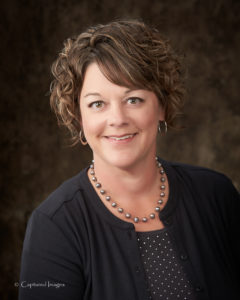
Kendell Mason, County Clerk &
(SEAL) Bourbon County Election Officer