|
FSACF Celebrates Successful Second Match Day to End Off 2024!
The Fort Scott Area Community Foundation (FSACF) is excited to announce that their 2nd annual Match Day raised $50,121 in community donations to 11 FSACF funds!
FSACF and other CFSEK affiliate foundations raised over $155,000. In total, community donations along with matching funds resulted in over $650,000 raised through Match Day, which will benefit Southeast Kansas communities.
Since 2023, FSACF has raised over $100,000 through Match Day to help increase endowments for area nonprofits. Endowments with FSACF are meant to ensure each agency has access to guaranteed funds every year, forever. This year, thanks to the Patterson Family Foundation FSACF was able to offer $25,000 in matching funds.
“Our community truly gave with their hearts during our 2024 Match Day,” said Becky Tourtillott, FSACF Chair. “We are incredibly grateful for every donation, and those donations combined with the matching dollars, are key to us funding projects that meet real needs in Bourbon County.”
The generosity of the Fort Scott community (and beyond) makes Match Day so impactful. The FSACF board would like to thank all the Match Day donors for their continued generosity this Match Day!
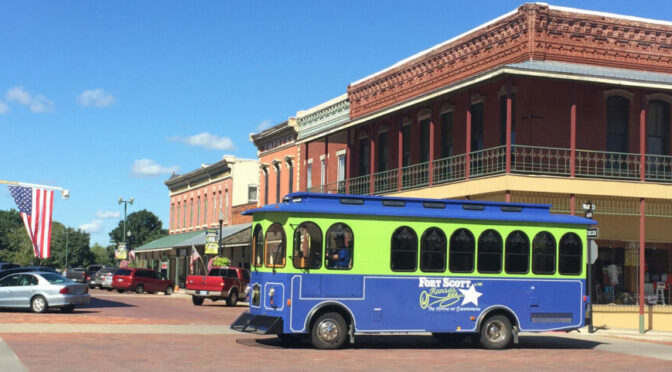
Businesses That Are Now Opening on Mondays
Several downtown Fort Scott businesses have opened recently on Mondays to serve their community.
Bartelsmeyer Jewelry
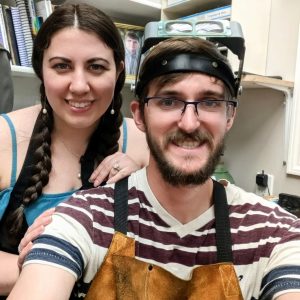
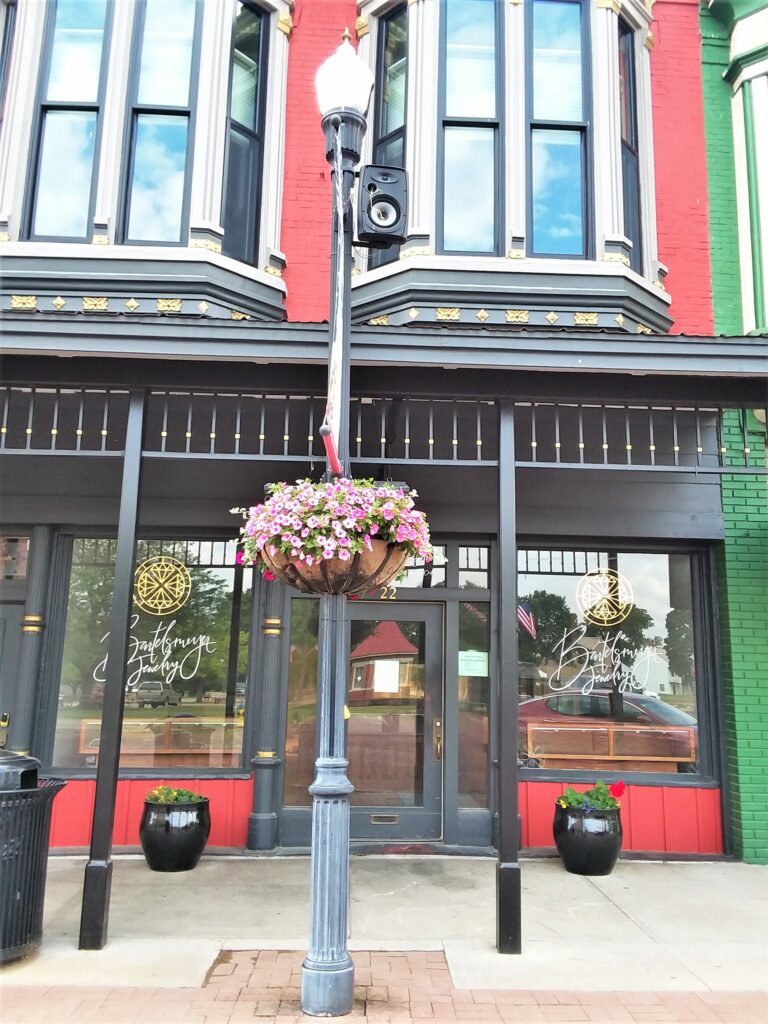
Bartelsmeyer Jewelry, 22 No. Main Street, is now open Mondays until Christmas, during the store’s normal business hours of 10 a.m. to 5:30 p.m. Monday through Friday. Saturdays, they are open 10 a.m. to 1 p.m.
Owners Wyatt and Krista Hulbert have several pieces on sale and there is a coupon on the back of the current sales flyer for a sterling silver and diamond necklace that will go to someone whose name is drawn.
Brickstreet BBQ
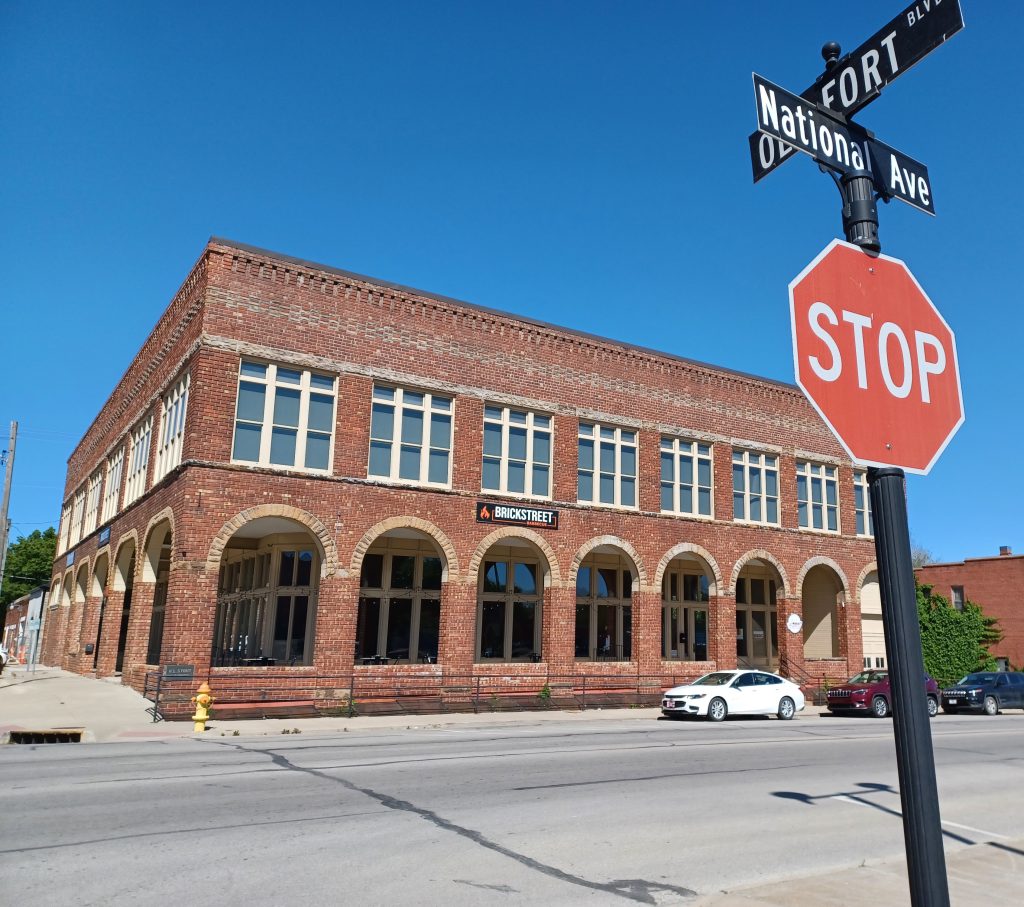
Brickstreet BBQ, 3 W. Oak, has recently started opening its doors on Mondays as well.
“We are starting to open on Mondays to see how it goes,” said Trisha Query, a shift leader at the restaurant.
The owners are Carissa and Alex Bowman.
Hours of the business are Monday through Thursday, 11 a.m. to 8 p.m., Friday and Saturday from 11 a.m. to 9 p.m., and Sunday 11 a.m. to 3 p.m. in the winter.
Outpost 13 West
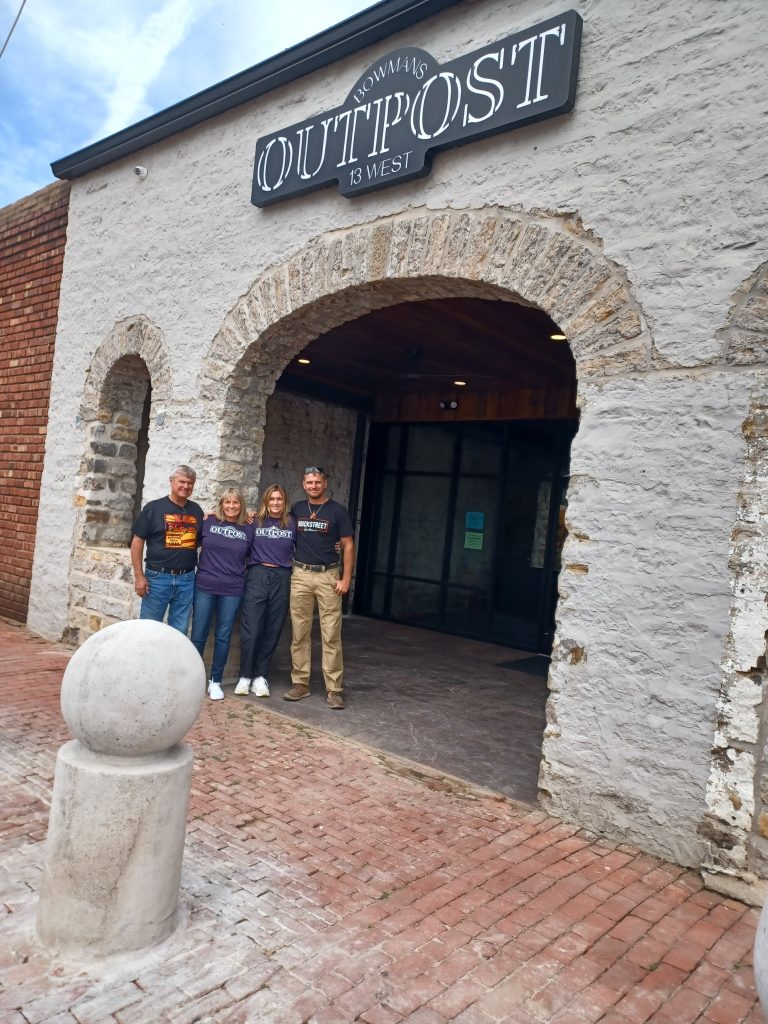
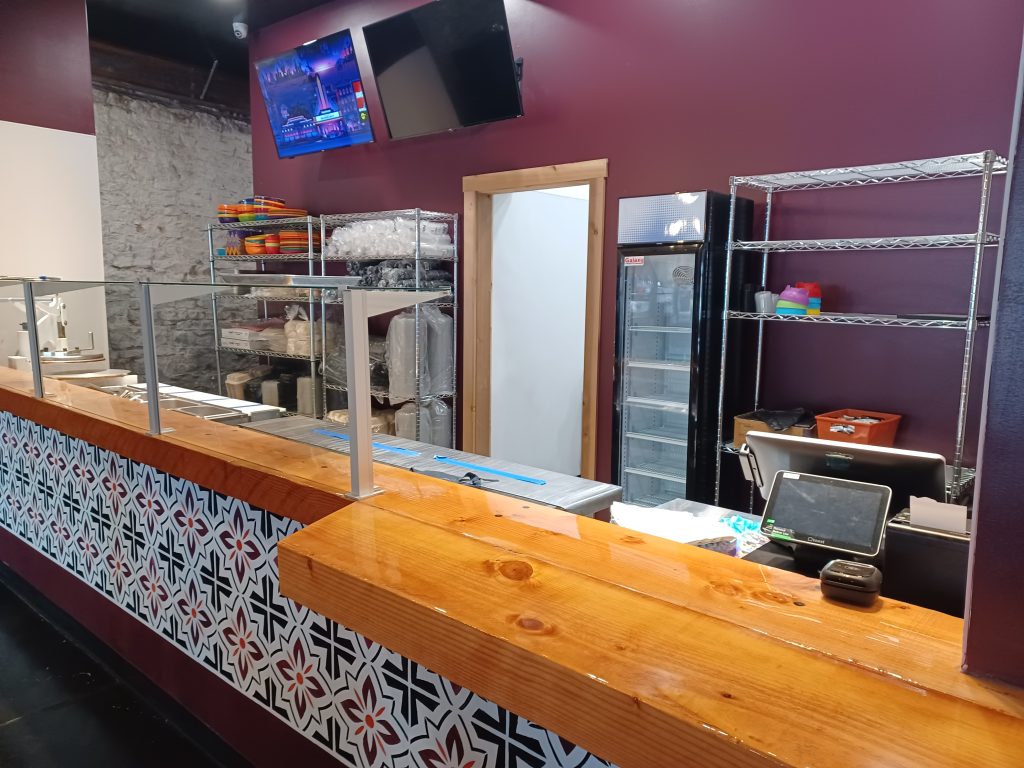
Outpost 13 West, 13 W. Oak Street, is a build-your-own burrito-bowl-taco restaurant just west of Brickstreet BBQ that this month started to have Monday hours of operations.
Hours are 11 a.m. to 8 p.m. Monday through Saturday, closed on Sunday.
Owners are John and Cindy Bowman, son, Alex Bowman, and his wife, Carissa.
The Bourbon County Sheriff’s Office Daily Reports Dec. 16
Obituary of Helen Bolling

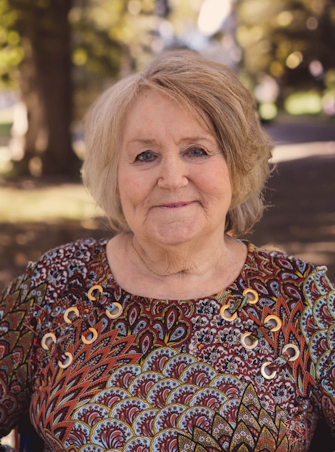
Helen Louise Bolling, 82, of Bronson, Kansas, passed away peacefully on December 13, 2024, surrounded by her loving family.
Born to Archie and Neola Clark, Helen was a woman of remarkable creativity and generosity. Affectionately known as the “Archi-tect,” she had a passion for remodeling and reimagining her home, creating a sanctuary for all who entered. A gifted seamstress, Helen crafted everything from tuxedos to intricate wedding gowns, often providing emergency fixes to save the day. Her hands not only created beautiful garments but also wove together the fabric of her family and community with love and care.
Helen’s journey with her beloved husband, Chub, began when they married as teenagers on December 14, 1958. Their union spanned 66 years, weathering every storm life presented. Their marriage was the cornerstone of Helen’s life, a testament to enduring love and commitment. Together, they built a family rooted in unity and strength, with children Michael, Mitchell, and Amber.
A voracious reader, Helen found great joy in scriptures and religious texts, deepening her faith and embodying the teachings of Christ through her daily actions. She pastored a handful of churches, along with a Chub, throughout her lifetime, including the Paint Creek Church in Redfield. Her home was the heart of many gatherings, notably her legendary Easter dinners that welcomed all, sometimes hosting over 100 guests. Her generosity extended beyond her immediate family, offering refuge and mentorship to many in times of need.
Helen was preceded in death by her parents, Archie and Neola Clark; brother, Jerry; sisters, Norma Kuns and Joyce Totten; and great-granddaughter, Claire Louise Bolling.
She is survived by her devoted husband, R.T. (Chub) Bolling; sons, Michael (Melinda) Bolling, Mitchell (Sharon) Bolling, daughter, Amber (Eric) Ericson; siblings, Ruth Emmons, John Clark, and Joe Clark; sister-in-law, Wanda Kring; grandchildren, Lindsey (Brian) Shaughnessy, Cara (Daniel) Thomas, Austin Bolling, Seth (Disheila) Bolling, Garrett (Mandie) Ericson, and Ethan (Tyler) Ericson; and great-grandchildren, Sage (Tea) Shaughnessy, and Maya Shaughnessy, Aidan, Victoria, and Kian Thomas, Caroline Bolling, Theodore and Eldon Bolling, and Julian, Jameson, and Journee Ericson. She is also survived by an incredible number of people who became the family of her heart, including Richard and Steve Shadden.
Helen’s memory will forever inspire those who knew her to live with generosity, faith, and an open heart, just as she did every day. The family extends their heartfelt gratitude for the outpouring of love and support during this difficult time.
A visitation will be held on Friday, December 20, 2024, from 12:30 p.m. to 2:30 p.m. at the Bronson Community Center, located at 509 Clay St., Bronson, KS 66716.
A graveside service will follow at 3:00 p.m. at Bronson Cemetery.
In lieu of flowers, the family requests memorial contributions be made to the City of Bronson Park Renovation Fund. Memorial contributions may be left in the care of the Konantz-Cheney Funeral Home, 15 W. Wall Street, P.O. Box 309, Fort Scott, KS, 66701. Friends and family may sign the online guest book and share memories at www.konantzcheney.com.

Red Pants on a Flag Pole by Carolyn Tucker

Keys to the Kingdom
By Carolyn Tucker
Red Pants on a Flag Pole
Many years ago, a family friend erected a hefty flag pole in our yard because he knew I wanted to fly the U.S. flag. The pole has been in need of some repair work and new hardware for awhile. So one day my son Aaron loaded the pole into his truck bed so he could work on it at his house. The pole extended several feet past the tailgate, which meant a red flag was needed for safety purposes as he transported it down the highway. I walked into the kitchen where the family was having a problem-solving discussion. Aaron asked if I had a red rag to tie onto the end of the flag pole. I knew I didn’t have a red cloth or towel, so I went to the closet and cleverly found something that would work great! I enthusiastically presented the item to my son. He took one look at it and asked, “Where do you wear these?” I said, “At home in the winter.“ I smiled to myself as he drove away with my red velour leggings zip-tied to the pole and blowing in the wind.
The term, “red flag” is a metaphor for a warning sign of a problem. A red flag at the beach means danger, no swimming allowed. Some communities fly a red flag when it’s too windy and dry to burn anything outside.
Believers have internal red flags that can pop up inside us when we’re in the middle of doing life. All too often these red flags are overlooked, ignored, or disregarded. One of the wonderful and necessary works of the Holy Spirit is to help guide us.
All Christ followers have the Holy Spirit living inside them. We aren’t even able to follow Christ without the Holy Spirit’s help. He will wave a red flag telling us that we need to apologize, repent, change our mind, change our direction, re-think a bad decision, forgive others, give mercy, etc. When we offend the Holy Spirit, our conscience hurts us and we no longer have peace. “Don’t you realize that all of you together are the temple of God and that the Spirit of God lives in you?“ (1 Corinthians 3:16 NLT). When we’re in close communion with the Spirit of God who dwells inside us, we know when we’ve sinned against God or offended others. We experience an uncomfortable red flag in our soul when peace makes its exit.
Jesus told His disciples, “If you love Me, obey My commandments. And I will ask the Father, and He will give you another Advocate [Comforter, Encourager, Counselor] who will never leave you. He is the Holy Spirit, who leads into all truth. The world cannot receive Him, because it isn’t looking for Him and doesn’t recognize Him. But you know Him, because He lives with you now and later will be in you [and is in you]” (John 14:15-17 NLT). We can think of the Holy Spirit as our defense attorney because He advocates and intercedes for us 24-7.
There’s a lot of new and strange ideologies in the world today. It’s a good thing Jesus asked His Father to send us the Holy Spirit to lead us into what’s true, right, and biblical. Without Him we might be tempted to fall for some of the crazy stuff today’s culture is sucking out of their thumbs.
The Key: Watch out for a red flag — it could be your neighbor’s pants.

Jingle Bell Market This Weekend at The Bourbon County Fair Cloverleaf Event Center

The 4th Annual Bourbon County Fair Association’s Jingle Bell Mart is this Saturday, December 14th from 9 am to 4 pm inside the Cloverleaf Event Center on the Bourbon County Fairgrounds, 2102 S. Huntington Blvd.
This event is a fundraiser for them to help maintain the fairgrounds including the barns, show ring, and rodeo arena, according to Emeila Whiteaker, event organizer.
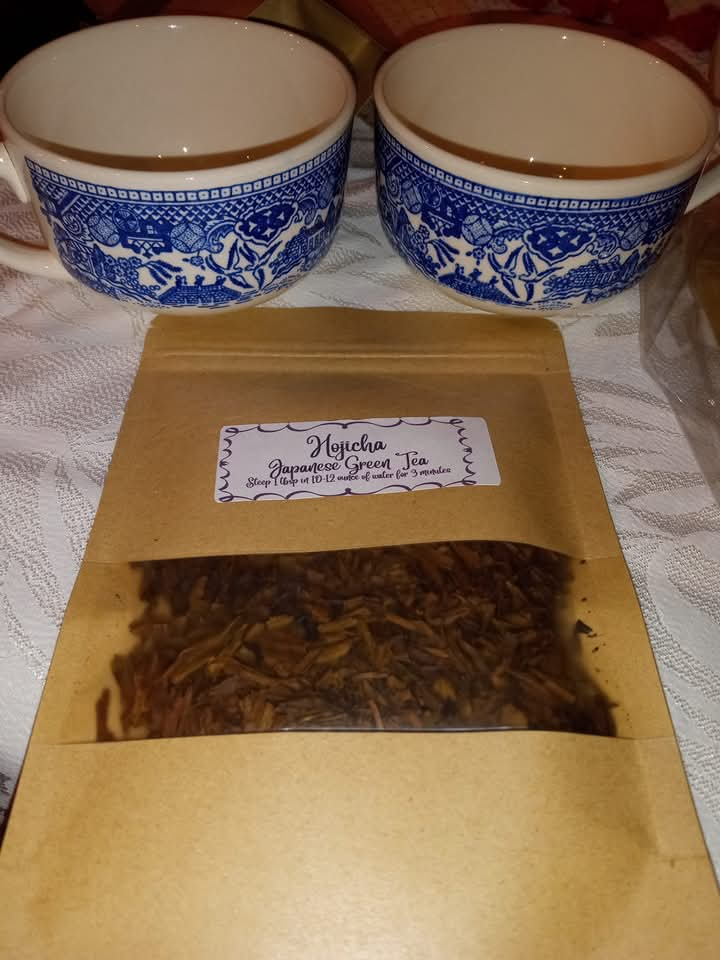


This year there are 16 vendors including returning and new participants.
This year includes:
Blessed B Creations – Machine Embroidery items
The Market Lady – 3D printed creations
Uppa Creek Ranch – Honey
Blue Dog Wine Co.
Hamilton’s Artisan Bakery
Sally Kraft – Home Sewn items
Happy Little Candle Factory
Locust Hill Lamanch Goat Milk Products
Scentsy
Flying P Ranch – Western apparel and accessories
Gyp and Jo – Dog items
WriteOn – decorative pens
Osage Jewelry
Donna Jo Beerbower – Fudge
Tessie’s Nails – Color Street
Mmm Flavor Shop
“The Southwind Canine Club, the local 4-H dog project group will have breakfast and lunch for sale,” she said. “This fundraiser is to help them replace old/broken equipment and new equipment that is required to move to the next level. The club has three members who have completed at the Kansas State Fair and placed in the top 10 for two years.”
“Many of our vendors have items that are under $15 and make wonderful stocking Stuffers. These vendors are also long time supporters of the Bourbon County Fair Association, taking part in not only past Jingle Bell Mart but also during the Bourbon County Fair which is the third week in July.”


Low-Cost Tree and Shrub Seedlings Now Available
The Kansas Forest Service is offering low-cost conservation tree and shrub seedlings for purchase again this year. These seedlings are to be used in conservation plantings, such as home/livestock windbreaks, living snow fences, Christmas tree plantations, firewood lots, habitats for game birds and wildlife, barriers to reduce noise pollution, blocking ugly views, marking property lines and creating habitat for songbirds.
These plants are 1 or 2 years old, and their sizes vary from 12 to 18 inches, depending on species. Most of the trees are bare-root seedlings, however some are available as container-grown seedlings such as Ponderosa pine and Southwestern white pine. Some of the deciduous trees that are available include: bald cypress, black walnut, bur oak, cottonwood, hackberry, redbud, and sycamore. Shrubs available include American plum, chokecherry, lilac, and sand hill plum. This is not a complete listing of available trees and not all trees are recommended for this area.
The Kansas Forest Service also offers tree “bundles” for purchase. The Quail Bundle offers a variety of shrubs designed to attract quail, including American plum, fragrant sumac, golden current and chokecherry. It was created in cooperation with Quail Forever to provide excellent food and habitat for upland bird species in eastern Kansas.
Another popular favorite is the pollinator bundle. Designed to improve the habitat for a diverse array of pollinating insects, it primarily focuses on native bees, honey bees, butterflies and moths. This bundle is composed of seven species of shrubs and small trees – American plum, chokecherry, golden currant, false indigo, elderberry, buttonbush and eastern redbud.
Not certain what you would like to order? Stop by the Extension office and pick up a brochure that has color pictures of various trees and shrubs at maturity. Orders for conservation trees are accepted January 2nd through April 30th, with shipments beginning in March. However, I recommend that you order early to ensure availability of trees.
K-State Research and Extension is an equal opportunity provider and employer.
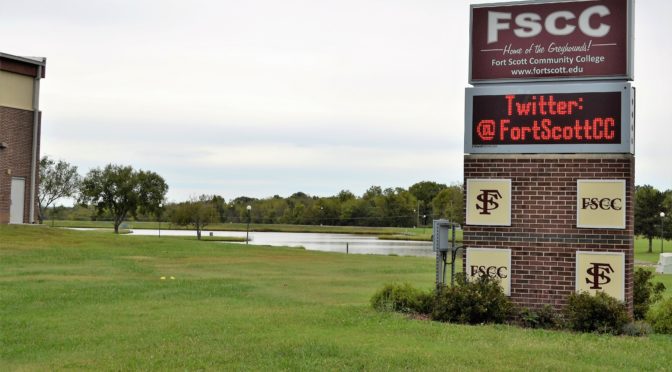
FSCC Trustees Agenda for December 16
To view the entire packet:
December 16, 2024
Board of Trustees
Fort Scott Community College
2108 S. Horton
Fort Scott, KS 66701
The Board of Trustees of Fort Scott Community College will meet in regular session on Monday,
December 16, 2024. The meeting will be held in Cleaver-Burris-Boileau Hall at Fort Scott
Community College.
5:30 p.m. Regular monthly Board meeting
THE AGENDA
5:30 ROLL CALL, 3
PLEDGE OF ALLEGIANCE
MISSION STATEMENT
Fort Scott Community College is an institution of higher learning with a long history of culture and
diversity that provides affordable academic, technical and occupational programs to meet student needs while
fostering a mutually supportive relationship between the college and its communities.
CALL TO ORDER, 4
A. Comments from the Chair, 4
B. Comments from the Public, 4
C. Housing Update, 4
CONSENT AGENDA, 5
A. Approval of Agenda, 5
B. Approval of Minutes of previous Regular Board Meeting conducted on November 18, 2024, 6
C. Approval of Bills and Claims, 8
D. Approval of Personnel Actions, 5
E. Approval of Gordon Parks Board Member Actions, 5
DISCUSSION ITEMS, 30
A. Board Retreat Dates, 30
B. Meeting Streaming, 30
ACTION ITEMS, 31
A. Resolution 2024 – 74: Consideration of Peaceful Assembly Policy, 31
B. Resolution 2024 – 75: Consideration of Progressive Discipline Policy, 34
C. Resolution 2024 – 76: Consideration of Faculty Qualifications Policy, 38
D. Resolution 2024 – 77: Consideration of Conflict of Interest Policy, 45
E. Resolution 2024 – 78: Consideration of Credit Hour Policy, 50
F. Resolution 2024 – 79: Consideration of Purchasing Policy, 52
G. Resolution 2024 – 80: Consideration of Employee Handbook Updates, Part 2, 58
H. Resolution 2024 – 81: Consideration of Construction Technology Program Revisions, 110
I. Resolution 2024 – 82: Consideration of Security Awareness Training Solution Purchase, 115
J. Resolution 2024 – 83: Approval of Hot Water Tank Replacement Expenses, 138
K. Resolution 2024 – 84: Consideration of Digital Marketing Service Contract, 140
REPORTS, 1621
Board of Trustees
Fort Scott Community College
2108 S. Horton
Fort Scott, KS 66701
The Board of Trustees of Fort Scott Community College will meet in regular session on Monday,
December 16, 2024. The meeting will be held in Cleaver-Burris-Boileau Hall at Fort Scott
Community College.
5:30 p.m. Regular monthly Board meeting
THE AGENDA
5:30 ROLL CALL, 3
PLEDGE OF ALLEGIANCE
MISSION STATEMENT
Fort Scott Community College is an institution of higher learning with a long history of culture and
diversity that provides affordable academic, technical and occupational programs to meet student needs while
fostering a mutually supportive relationship between the college and its communities.
CALL TO ORDER, 4
A. Comments from the Chair, 4
B. Comments from the Public, 4
C. Housing Update, 4
CONSENT AGENDA, 5
A. Approval of Agenda, 5
B. Approval of Minutes of previous Regular Board Meeting conducted on November 18, 2024, 6
C. Approval of Bills and Claims, 8
D. Approval of Personnel Actions, 5
E. Approval of Gordon Parks Board Member Actions, 5
DISCUSSION ITEMS, 30
A. Board Retreat Dates, 30
B. Meeting Streaming, 30
ACTION ITEMS, 31
A. Resolution 2024 – 74: Consideration of Peaceful Assembly Policy, 31
B. Resolution 2024 – 75: Consideration of Progressive Discipline Policy, 34
C. Resolution 2024 – 76: Consideration of Faculty Qualifications Policy, 38
D. Resolution 2024 – 77: Consideration of Conflict of Interest Policy, 45
E. Resolution 2024 – 78: Consideration of Credit Hour Policy, 50
F. Resolution 2024 – 79: Consideration of Purchasing Policy, 52
G. Resolution 2024 – 80: Consideration of Employee Handbook Updates, Part 2, 58
H. Resolution 2024 – 81: Consideration of Construction Technology Program Revisions, 110
I. Resolution 2024 – 82: Consideration of Security Awareness Training Solution Purchase, 115
J. Resolution 2024 – 83: Approval of Hot Water Tank Replacement Expenses, 138
K. Resolution 2024 – 84: Consideration of Digital Marketing Service Contract, 140
REPORTS, 1621
EXECUTIVE SESSION, 172
ADJOURNMENT, 173
UPCOMING CALENDAR DATES:
• December 16, 2024 Board Meeting
• December 20, 2024 – January 3, 2025 Campus Closed – Winter Break
• January 20, 2025 Campus Closed – Martin Luther King Jr. Day
• January 21, 2025 Spring Semester Begins
• January 27, 2025 (Changed from January 20 due Board Meeting
to Dr. Martin Luther King, Jr. Day)
• February 17, 2025 Board Meeting
• March 24, 2025 (Changed from March 17 due Board Meeting
to spring break)
• March 17 – 21, 2025 Campus Closed – Spring Break
• March 28, 2025 Aggie Day
• April 18, 2025 Campus Closed – Good Friday
• April 21, 2025 Board Meeting
• May 19, 2025 Board Meeting
• May 26, 2025 Campus Closed -Memorial Day
• June 16, 2025 Board Meeting
Sincerely,
Bryan Holt, Chair
Sara Sutton, Interim President
FSCC’s vision for the future is to support “Students First, Community Always” through a
central focus on teaching and learning; advancing strong, innovative programs and
departments; maximizing and leveraging opportunities; initiating efficient and effective
processes; and developing the region’s workforce.2
ROLL CALL
_____ Ronda Bailey
_____ John Bartelsmeyer
_____ Jim Fewins
_____ Bryan Holt
_____ Chad McKinnis
_____ Doug Ropp3
CALL TO ORDER
A. COMMENTS FROM THE CHAIR
B. COMMENTS FROM THE PUBLIC
C. HOUSING UPDATE4
CONSENT AGENDA
A. APPROVAL OF AGENDA
B. APPROVAL OF MINUTES OF PREVIOUS MEETINGS
Attached are the minutes of the Regular Board Meeting conducted on November 18,
2024
C. APPROVAL OF BILLS and CLAIMS
Attached are the Treasurer’s and Bills and Claims Report.
D. APPROVAL OF PERSONNEL ACTIONS
Additions
1) Sandy Tucker, CAMP Tutor/Mentor, effective January 6, 2025
2) Heidi Martinez, Allied Health Instructor, effective January 6, 2025
3) Lillie Grubb, Accounting Clerk – Part Time, effective January 6, 2025
4) Carolyn Smith, Foundation Assistant, effective Janauay 6, 2025
Separations with IDEA Transition, effective December 31, 2024
Matthew Campbell
Marivel Chavez
Paulin Conde
Mayte Fuentes
Sierra Higginbotham
Adriana Holguin
Janet Reynolds
Faustino Rosales
Magdalena Rosales
Melanie Stuart-Campbell
Yasmine Lennon
Allie Birket
Steve Britt
John Fink
Mikel Fire
CJ Heaton
Pam Hightower
Jennifer Quick
Leticia Suastegui
Tracie Kalic
Jessica Castaneda
Melissa Schelah
E. APPROVAL OF GORDON PARKS BOARD MEMBER PERSONNEL ACTIONS
Additions
1) Angel Wilson, effective January 1, 2025
Separations
1) Debra Wood, effective January 1, 2025
RECOMMENDATION: It is recommended that the Consent Agenda items be approved as presented.
BOARD ACTION: MOTION _____ SECOND _____ VOTE _____
DISCUSSION:
VOTE: Bailey Bartelsmeyer Fewins
Holt McKinnis Ropp5
Separations
1)Philip Redrick, Head Track and Field Coach, effective December 31, 2024
Minutes of the FSCC Trustees Meeting on November 18
FORT SCOTT COMMUNITY COLLEGE
Minutes of the Board of Trustees Meeting
November 18, 2024
PRESENT: Ronda Bailey, John Bartelsmeyer, Jim Fewins, Bryan Holt, Chad McKinnis, and Doug Ropp
ALSO PRESENT: Sara Sutton – Interim President, Juley McDaniel – Board Clerk, faculty, staff, community members
Chairman Holt called the meeting to order at 5:30 pm in the meeting rooms of the Cleaver-Burris-Boileau Agriculture Building.
The meeting was opened with the Pledge of Allegiance and Holt reading FSCC’s mission statement.
COMMENTS FROM THE CHAIR: None
COMMENTS FROM THE PUBLIC: None
TRIO PROGRAM UPDATE: TRIO Director Holli Mason provided a summary of the TRIO program to the
Board. TRIO is a federally funded grant focused on increasing college graduation and retention rates and/or transfer
rates from a 2 year to 4 year program. The program serves 150 students per year that meet at least one of the
identified criteria (low-income, first generation, or documented disability). The program has to provide tutoring,
advising, assistance with completing FAFSA, financial literacy, and information regarding federal student aid. Most
of the program’s time is spent in individualized counseling for personal, career, and academic information.
Approximately 15 FSCC employees outside of the TRIO employees serve as TRIO mentors. FSCC receives 8% of
TRIO’s budgeted funds in administrative allowance. The program operates on a five year grant cycle, and FSCC
has already reapplied for 2025-2030 with help from Bonnie Houk from Greenbush.
CONSENT AGENDA:
A motion was made by Fewins, seconded by Ropp, and carried by unanimous vote to approve the consent agenda,
noting that the executive session will be moved to occur between Discussion Items and Action Items.
DISCUSSION ITEMS:
A. PEACEFUL ASSEMBLY POLICY: The board reviewed a proposed policy regarding peaceful
assembly. The policy will be presented for approval at the next board meeting.
B. PROGRESSIVE DISCIPLINE POLICY: The board reviewed a proposed policy regarding progressive
discipline. The policy will be presented for approval at the next board meeting. Holt clarified an
assumption of human resources’ involvement throughout the process, as well as the need to training of
supervisors on the process.
C. FACULTY QUALIFICATIONS POLICY: The board reviewed a proposed policy regarding faculty
qualifications. The policy will be presented for approval at the next board meeting.
D. CONFLICT OF INTEREST POLICY: The board reviewed a proposed policy regarding employee
conflicts of interest. The policy will be presented for approval at the next board meeting. In the Annual
Disclosure section the policy references the Board of Regents instead of Board of Trustees, so will need
revised.
E. CREDIT HOUR POLICY: The board reviewed a proposed credit hour policy. The policy will be
presented for approval at the next board meeting.
F. PURCHASING POLICY: The board reviewed a proposed purchasing policy. The policy will be
presented for approval at the next board meeting.6
G. EMPLOYEE HANDBOOK UPDATES, PART 2: The board reviewed proposed revisions to the
employee handbook. This section will be presented for approval at the next board meeting. Suggested
revisions should be provided before the next board meeting.
H. MEETING STREAMING: FSCC stopped streaming some months ago in an effort to support a
minimally staffed IT Department. The Board discussed the pros and cons of streaming meetings, including
what other public entities and community colleges stream meetings. The Board would like feedback from
other entities that do or don’t stream.
EXECUTIVE SESSION: A motion was made by Bailey, seconded by Bartelsmeyer, and carried by unanimous
vote to adjourn to executive session for fifteen minutes beginning at 6:25 pm for the purpose of discussing non-
elected personnel as it relates to discussion of identifiable information of non-elected personnel with action not
expected to follow. The Board invited Sonia Gugnani and Sara Sutton to join.
OPEN SESSION: A motion was made by Bailey, seconded by Ropp, and carried by unanimous vote to return to
open session at 6:41 pm.
ACTION ITEMS:
A. Resolution 2024 – 68: A motion was made by Bartelsmeyer seconded by Ropp, and carried by unanimous
vote to approve the Family and Medical Leave Policy.
B. Resolution 2024 – 69: A motion was made by Bailey, seconded by Bartelsmeyer, and carried by
unanimous vote to approve the International Student Deposit Policy.
C. Resolution 2024 – 70: A motion was made by Ropp, seconded by Bartelsmeyer, and carried by unanimous
vote to approve Employee Handbook Updates, Part 1.
D. Resolution 2024 – 71: A motion was made by Bartelsmeyer, seconded by Fewins, and carried by
unanimous vote to approve the revised Substance Abuse Policy.
E. Resolution 2024 – 72: A motion was made by Bartelsmeyer, seconded by Ropp, and carried by unanimous
vote to approve the revised Program Review Policy.
F. Resolution 2024 – 73: A motion was made by Bartelsmeyer, seconded by Fewins, and carried by
unanimous vote to approve the 3 BCBS health plans as presented, the BCBS dental plan as presented, and
the EyeMed vision plan as presented.
G. Resolution 2024 – 74: A motion was made by Bailey, seconded by McKinnis, and carried by unanimous
vote to reject the sublease agreement from Southeastern Technical Academy for Rural Students (STARS)
in the interest of having further conversation with STARS.
H. Resolution 2024 – 75: A motion was made by Ropp, seconded by Bartelsmeyer, and carried by unanimous
vote to approve the commercial real estate sales contract for the property at 810 Burke Street.
REPORTS:
• ADMINISTRATION – The Board reviewed and heard updates from Academic Affairs, Student Services,
Foundation, Finance and Operations, and the Interim President.
ADJOURNMENT: There being no further business to come before the Trustees, a motion to adjourn was made at
7:50 pm by Bartelsmeyer, seconded by Bailey, and carried by unanimous vote.
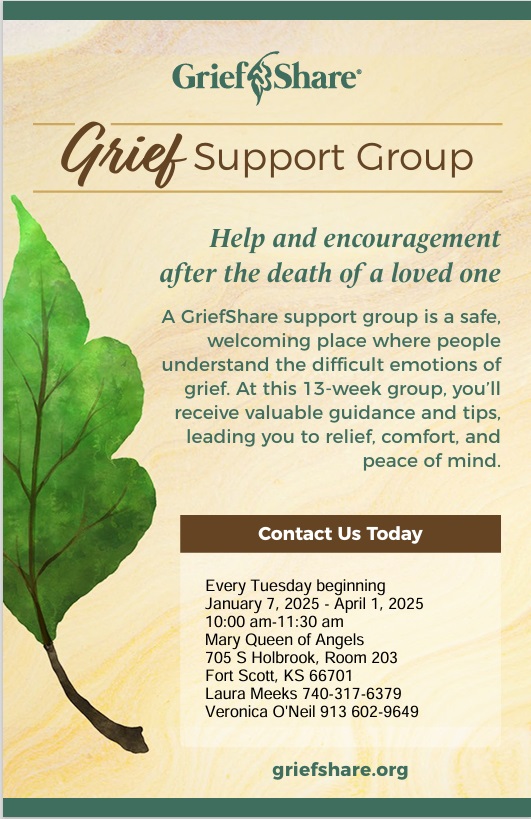
Grief Share Support Group Starts on January 7
Obituary of Dawnelle Ornstein
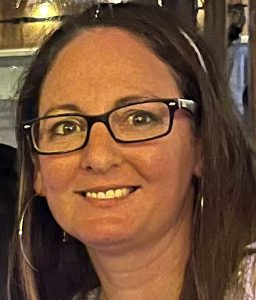
Dawnelle Rose Ornstein, age 36, a resident of Ft. Scott, Kansas, passed away Wednesday, December 11, 2024, at her home. She was born April 30, 1988, in Ft. Scott, the daughter of Jimmy Dean Kimler and Donna Chaplin. After completing high school, Dawnelle went on to become a CNA.
She was united in marriage to Alan Ornstein on May 9, 2009. Dawnelle and Alan’s wedding ceremony was held at Elm Creek Lake west of Ft. Scott.
Dawnelle had worked as a CNA and as a clerk at Five Corners Mini Mart. Currently she was working as a customer service representative for Clarity Insurance Company, formerly Cobalt.
Her most important job, however, was being a loving and devoted wife and mother. Dawnelle loved being a mom and faithfully attended her sons’ sporting events. She also enjoyed being outdoors. Favorite times were spent camping with her family or going for a ride on the motorcycle.
Survivors include her husband, Alan and their three boys, Terrian Joseph, Tavian Alan and Talan Dean, all of the home in Ft. Scott. Also surviving is her mother, Donna Chaplin of Ft. Scott and a brother, Jody Chaplin, of Uniontown, Kansas and several aunts, uncles and cousins.
Dawnelle was preceded in death by her father and a sister, Cherokee Springston.
Funeral services will be held at 1:00 P.M. Wednesday, December 18th at the Cheney Witt Chapel.
Burial will follow in the Large Cemetery.
The family will receive friends from 5 to 7 P.M. Tuesday at the Cheney Witt Chapel.
Memorials are suggested to the Dawnelle Ornstein Memorial Fund and may be left in care of the Cheney Witt Chapel, 201 S. Main, Ft. Scott, KS 66701. Words of remembrance may be submitted to the online guestbook at cheneywitt.com.