Showcase Your Business at FSCC’s Annual Women’s Luncheon on March 26
|
||||||||||||||||||||||||||||||||||||
|
||||||||||||||||||||||||||||||||||||
|




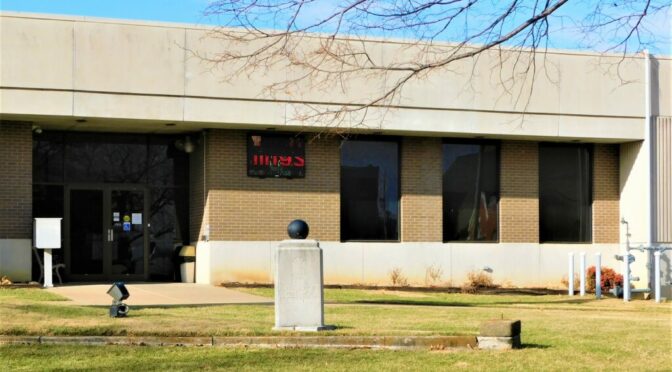
County Commission Tables Noise Resolution, Continues to Work on New Payroll System
BOURBON COUNTY COMMISSION MEETING AGENDA
Commission Chair Samuel Tran asked that the clerk’s office include invoices with the checks he’s required to sign. Susan Walker, County Clerk, agreed to change her office’s procedures to fulfill his request.
Citizens Comments
Kevin Allen about the landfill
Allen thanked the commission for taking his calls. He said his company hauls a lot of garbage to the county transfer station. He asked that the commission consider keeping the it open on minor holidays.
His business used to haul trash out of county, but about 10 years ago, they switched back to Bourbon County, “to help support the community,” even though it cost more than hauling it out of county.
“We’re just trying to get in and give you more money,” he concluded.
Clayton Miller about the landfill
Miller said that the county transfer station has only recently started closing on minor holidays such as President’s Day. It makes it hard for trash haulers to do their jobs.
Commissioner Joe Allen said that in his past he worked hauling trash and he agrees that it is difficult to haul trash when the transfer station is closed.
Old Business
CIC — Tran
Tran asked to add Laura Crom to the CIC (the county’s accounting software) to give her access so she can do her job. Currently, two elected officials have access.
“Even if it’s read-only she needs access to there because she’s generating reports for people,” he said.
Commissioner Mika Milburn-Kee said that in the past Sheriff Bill Martin has asked for access as well.
Tran said he’s been getting push-back on granting access to Crom.
There was a heated discussion about the reports that Tran said Crom had asked for. Tran saying she asked for them on Feb. 9, and County Clerk Susan Walker denying that she ever received the request.
Crom had asked Walker to do the payroll audit.
“Regardless, I’m going to ask you to give Laura Crom access to CIC,” said Tran.
“She will not have the information that she needs to create the work comp report because you have payroll in both systems,” said Walker. She created the report with the Payentry group by tweaking the report to include all wages.
“The work comp report is actually in the system,” said Walker. She went on to point out the problems with communication that are continuing between the commission’s administrative assistant and her office.
“There’s been a bottleneck of information since I’ve been here,” said Tran. “Either you work with us or you don’t work with us.”
The commission voted unanimously to give read-only access to Crom.
Auction
Allen and Commissioner David Beerbower talked about the process for getting rid of unneeded items in the county’s inventory. They plan to contact all the departments and have them mark the items in the courthouse basement they still want, contact an auctioneer, and proceed to get rid of the unneeded items.
Noise Resolution
Milburn-Kee said that she has concerns about the resolution, particularly the complaint form. She wants to go over it with the county attorney and lay out the process from start to finish.
“To make sure that it’s going to work,” said Milburn.
She is concerned about enforceability. “We’ve learned that we can’t complete the process on our own,” she said, referring to sanitation codes the county has.
Beerbower agreed with her efforts. The resolution was tabled until the next meeting.
New Business
Payentry — Joe Allen
Allen said he has taken some calls about issues that county employees are having with Payentry.
Undersheriff Davidson was invited to speak. He went into detail about the problems the new system is causing his department.
Sheriff Bill Martin asked if he and his department heads could have a conversation with Payentry to learn about how to make the system work for them and how other public safety departments use the system.
Martin said they are also having problems with vacation time not showing up. Other department heads agreed.
Milburn said she would send the contact information to him.
Tran thanked the department heads for being willing to work with the commission on this issue. The county is going through growing pains as they adjust to the Payentry system.
He suggested developing a different procedure for the sheriff’s office and the EMS department than the rest of the county employees.
Beerbower offered to facilitate the meeting with Payentry that the sheriff had requested.
Cemetery & Township Financial Reports
Commissioner Gregg Motley pointed out that some of the cemeteries are running on razor thin budgets.
Milburn said that the reports have been signed by people in various offices. Walker said there are no legal ramifications if the signatures are improper.
The commission approved the reports.
Unclaimed Property — Allen
Allen brought to the commission’s attention a list by the Kansas State Treasurer’s office of unclaimed property belonging to Bourbon County. Walker said she would ask the County Treasurer to look into it.
Commission Comments
Allen: “I just want to say that it seems like some of these meetings get a little tense…We all have the same goal…to make our community better.”
“I think we’re on the right road, for the most part,” he said.
Tran: Agreed with Allen’s statement. He said he wants to help the county government members do their jobs.

Help Wanted – Alignment Services
We need a full-time & possibly a part-time employee that will be here EVERY DAY to change tires and perform basic auto repair.
 Please apply in person or just stop by and pick up an application.
Monday-Friday
8:00 to 5:00
Closed Noon hour
Alignment Services
24 West 19th street
Fort Scott, Ks
620-223-5310
Chamber Coffee Feb.26 Is Hosted By FSCC Rodeo and Ag. Department
|
||||||||||||||||||||||||||||||||||||||||||||||||||||||||||
|


The Bourbon County Sheriff’s Office Daily Reports Feb. 24
Bo Co Arts Council Art Exhibit is March 5
|
|||||||||||||||||||||||||||||||||||||||||||||
|


Newsletter of U.S. Senator Jerry Moran
|
|||||||||||||
|


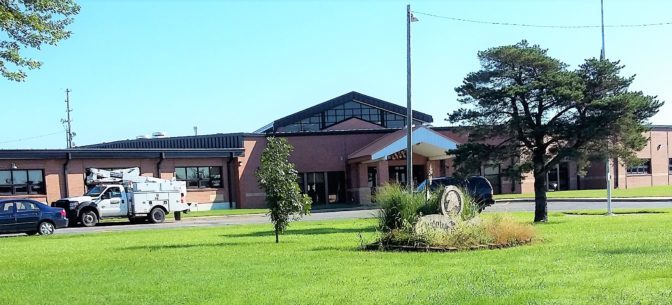
Uniontown High School Talon Magazine Can Be Viewed Online
The February issue of the Uniontown High School Talon is ready to view here:
Chamber Downtown Meet/Greet Feb. 20: Changes in Downtown
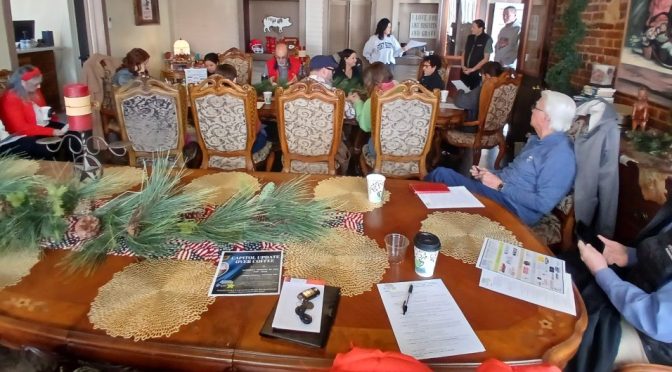
Lindsay Madison, Fort Scott Area Chamber of Commerce Director, led the Quarterly Downtown Meet and Greet on Feb.20. at the Courtland Hotel and Spa and told of changes happening in the historic district.
The former After Effect Beauty Salon, 14 E. Wall, will be a leather business in the future, she said.
Better in Bourbon Boutique on Main Street will be moving to the former H & H Insurance/Real Estate, 2 Old Fort Bvd. Rachel Pruitt is the owner. The timeline is uncertain at this point, Pruitt said.
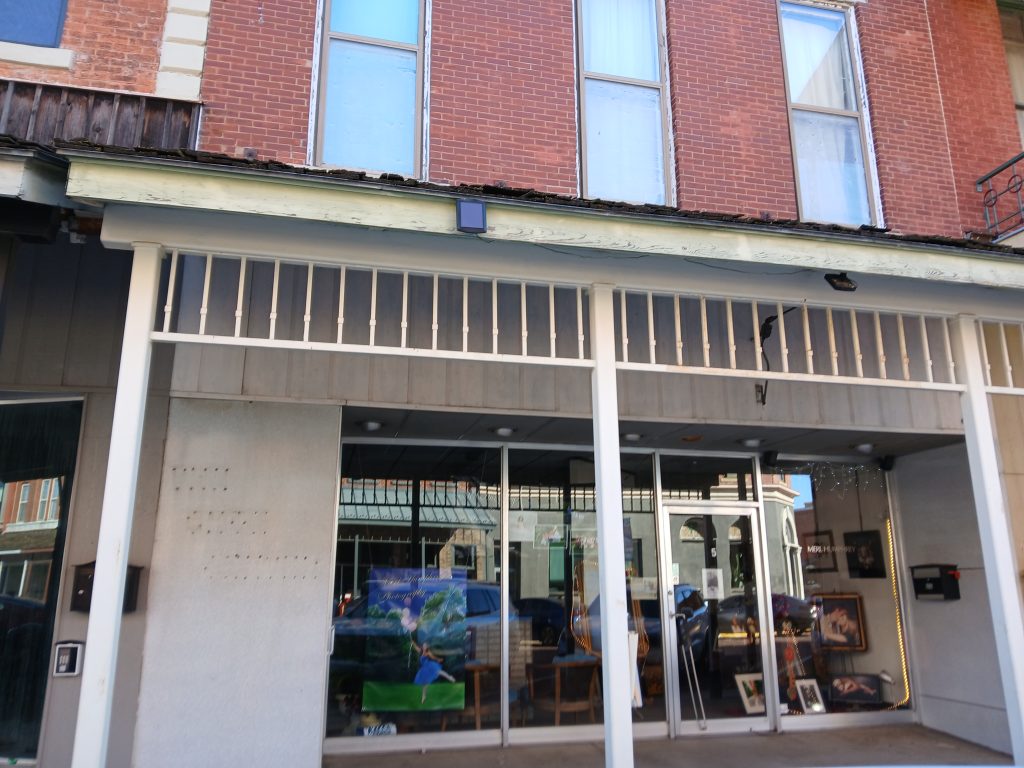
Merle Humphrey has retired from his insurance business, but will still operate his photography business from the back of the store. He is also updating the second floor for another business project. The storefront will be available to rent.
Barbara Trimbur, owner of the Iron Star Antiques and Such Store, closed and sold the store to new owners this month. This store is 3 N. Main, Fort Scott.
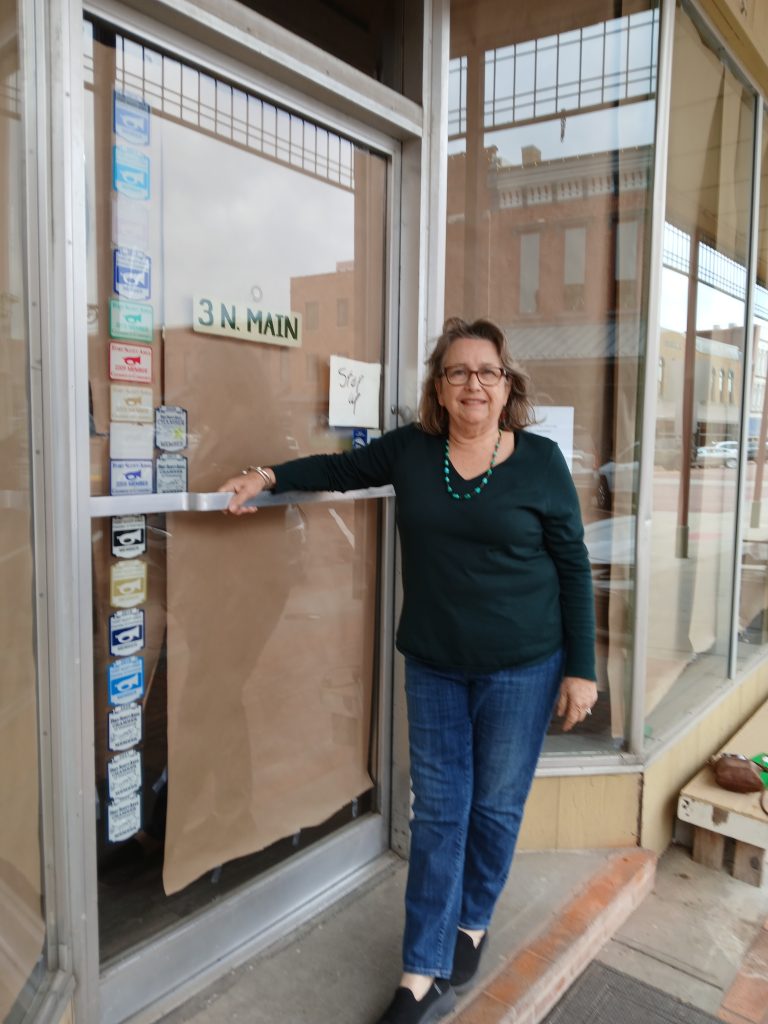
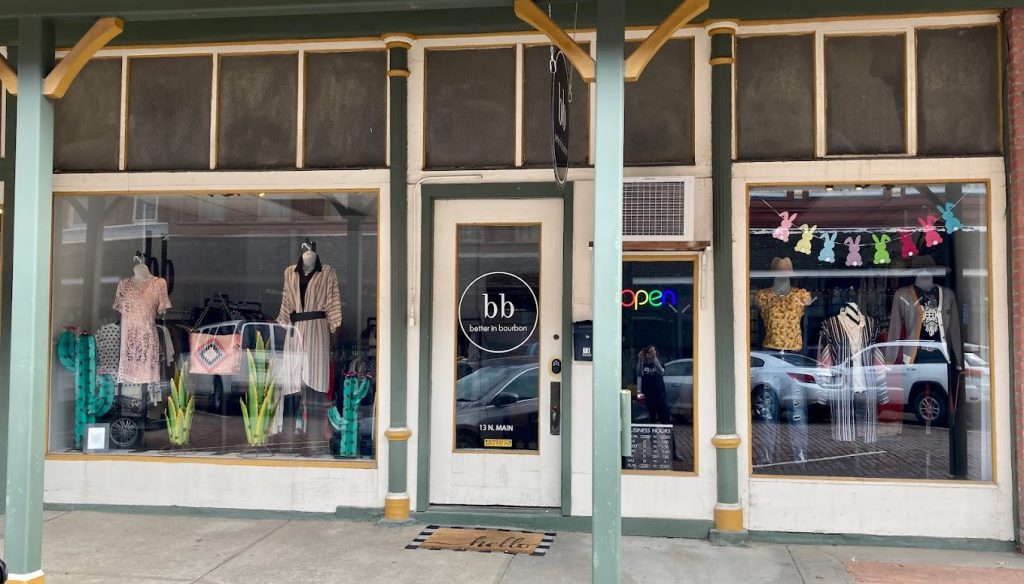
The subject of “unhomed people” was discussed among the group.
“The city is meeting with the unhomed people,” Rachel Carpenter, Human Relations/Project Coordinator for the City of Fort Scott said. “They are moving out of the gazebo area.” The Heritage Park Gazebo is located at First and Main Street.
“The unhomed have been hanging laundry on a line, taking ownership of the spot,” Madison said.
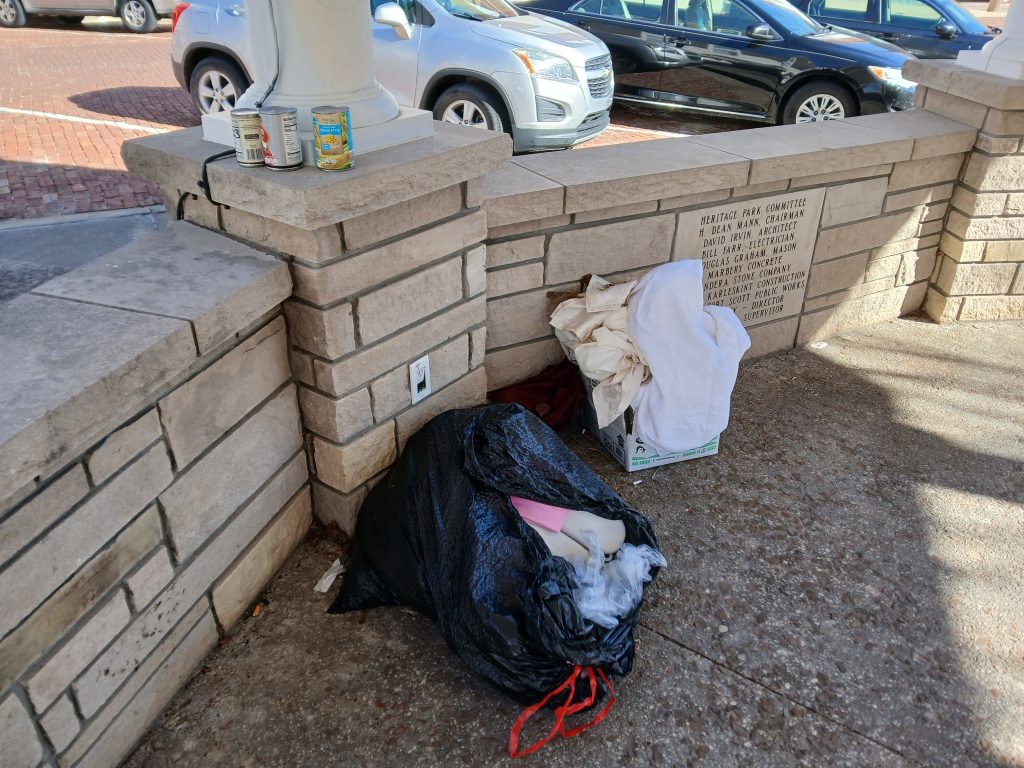
John Hill, a meeting participant, noted that there is currently a “car blocked up on bricks” in the parking lot of the gazebo.”
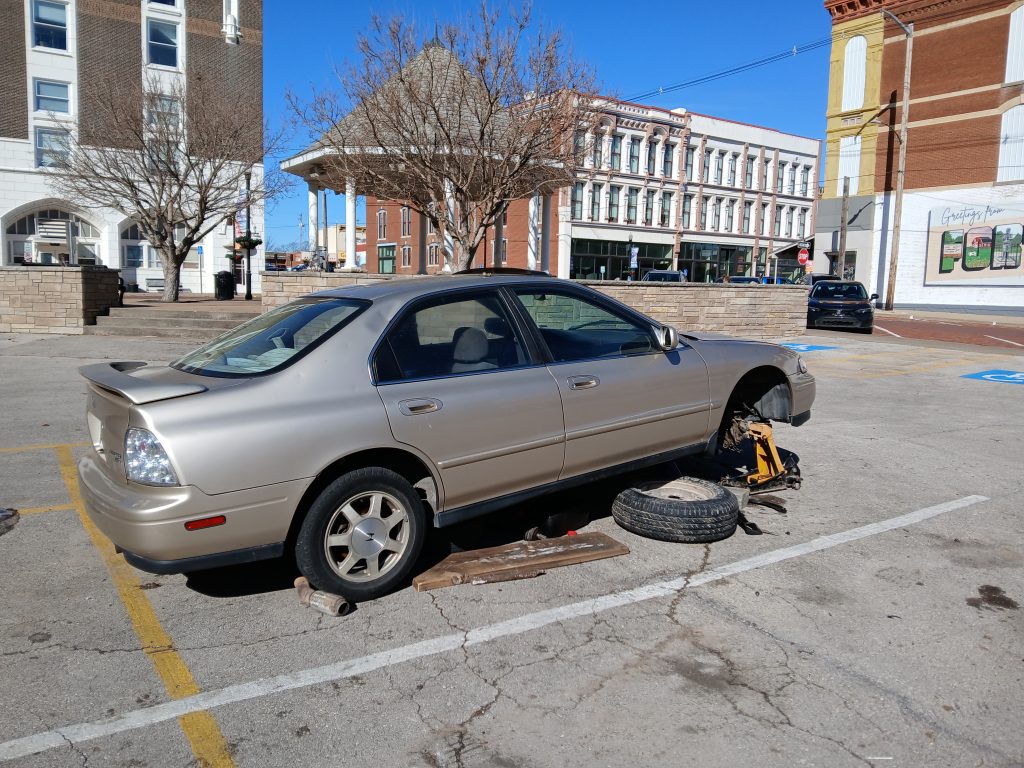
Carpenter said “It is a work in progress,” indicating that the city is working to resolve the issue.
Carpenter also said there is a prospective buyer of the former Fort Scott Barber Shop building, 118 E. Wall. The building has been vacant for an extended time.
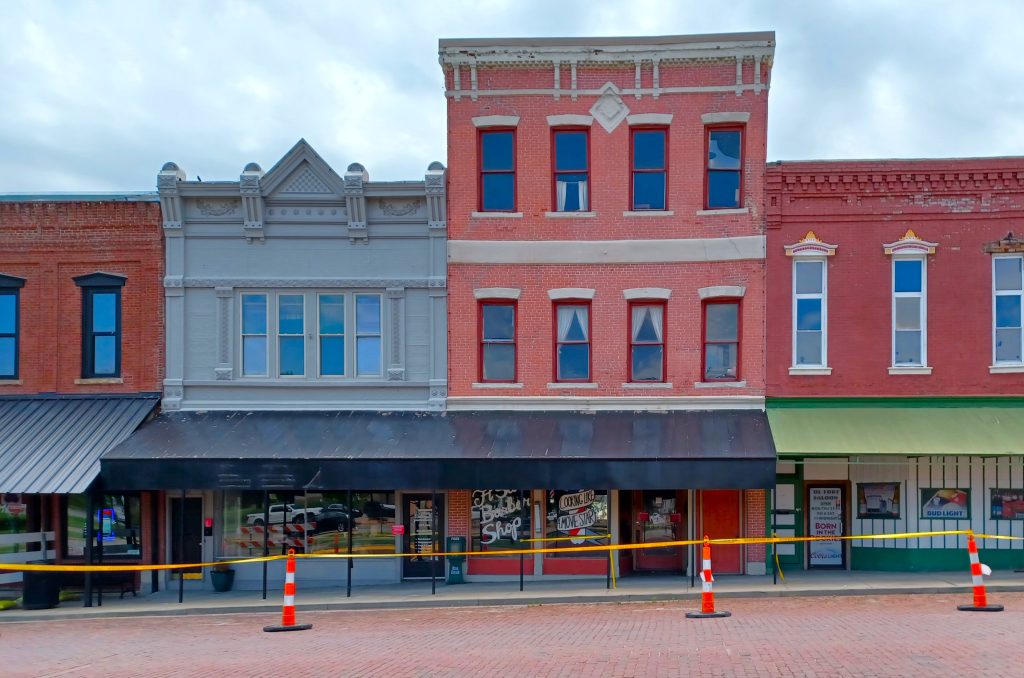
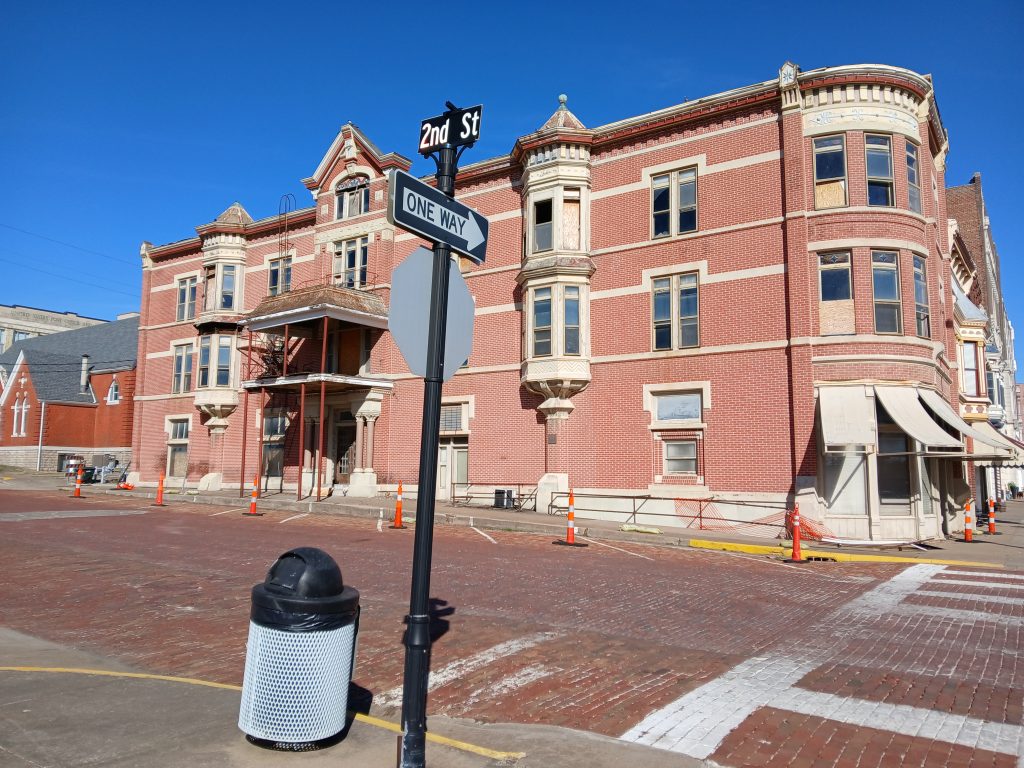
The Moody Building at 2nd and Main Street has a person interested in purchasing it, she said. The building has been deteriorating for several years.
Madison reminded the group that a Civil War Encampment is scheduled for April at the Fort Scott National Historic Site, at the north end of Main Street.
The Friends of the Fort Scott National Historic Site has a flag pole subscription as a fundraiser currently. They will set up a flag at your site on special occasions during the year. To learn more about the event, here is a prior announcement: Civil War Encampment April 27-28 at FSNHS
Carpenter said the World Cup soccer matches will be in Kansas City in June and July (six matches) this year, and http://VisitKC.com is doing all the marketing for the Kansas City region. Fort Scott Tourism is making plans for visitors to come by bus for a day trip. The event is listed on TripAdvisor, she said.
The Fort Scott Dragoons Baseball Team, a new collegiate summer team in the Mid-America League, will have its first season at the LaRoche Baseball Stadium this year. Volunteer hosts are needed for the men.

Christmas on the Bricks, the winter festival in Fort Scott has monthly meetings with local organizer, Diane Striler, leading.
“We need more people to help,” she told the attendees. “Put and take down” some of the temporary buildings for the event. We are hoping to add next year that clubs will help with the skating rink staffing and get a percentage of the profits. Maybe we could start having the rink open from Thanksgiving to Valentine’s Day.”https://fortscott.com/christmas-on-the-bricks

The Lowell Milken Center for Unsung Heroes, Wall and Main Street, is bringing a large dinosaur exhibition celebrating a paleontologist in the near future.
The Artificers Art Gallery is having a textile show through the end of March at the shop on North National Avenue.
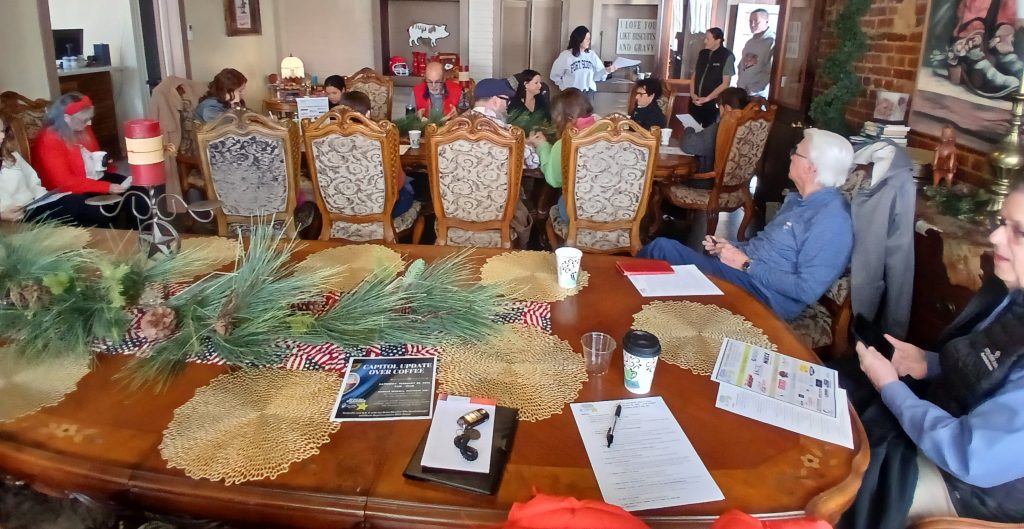
The hotel owners, Frank and Cheryl Adamson, purchased the historic property at 121 E. First Street in 2004. He said many people who stay at their hotel “praise what’s going on in our downtown.”
People have been purchasing historic buildings and renovating them into new businesses.
“Many people don’t realize the diversity of restaurants the downtown has to offer,” Frank Adamson said. The attendees tallied the total of restaurants to be 11 in the downtown district.
FSCC Board Reviews CDL Program, Approves Construction Grant Project, and Advances Athletics Growth
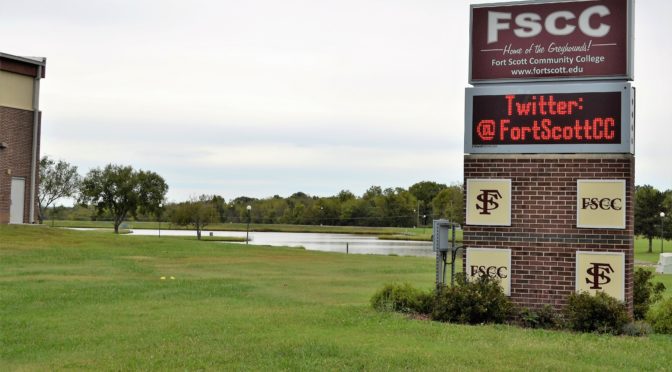
Fort Scott, KS – The Fort Scott Community College Board of Trustees met February 16 to review program updates, approve key initiatives, and outline next steps for institutional growth and workforce development.
Board members received a comprehensive update on the college’s Commercial Driver’s License (CDL) program, which has been reestablished in Bourbon County. The six-week program operates under the federally required Entry-Level Driver Training (ELDT) model and reports strong enrollment momentum, with new cohorts cycling approximately every six weeks.
The program highlighted high job placement outcomes and growing industry demand, citing a significant nationwide truck driver shortage. Trustees discussed pursuing state recertification that would allow the college to administer final CDL exams in-house, creating additional revenue opportunities and streamlining student completion.
The Board formally accepted a warranty deed tied to a $528,000 frame grant that will fund the construction of duplex housing units. The project will support the college’s construction trades program, providing hands-on learning opportunities for students in all phases of the build, from foundation to finishing work. Plans call for constructing four total living units, with two completed per year. The strategy includes building one duplex immediately and partially enclosing a second structure to allow for an expedited build in Fall 2026. An RFP for a general contractor was approved to move the project forward.
The Board was introduced to several new coaches across multiple sports programs, including soccer, softball, and track and field. Officials reported roster growth and projected that new and expanding athletic programs could bring an additional 120–130 students to campus. The softball team has already opened its season with a 2-0 record, and the newly established track and field program is rapidly building participation numbers.
During the meeting, trustees approved scholarship proposals as recommended by the scholarship committee, authorized the presentation of an honorary associate degree to Jack Gilmore, accepted the warranty deed for the frame grant site, and approved the contractor RFP for the project.
The meeting also included the Pledge of Allegiance, prayer, and roll call, with trustees Bailey, Brown, Cosens, Hoyt, McKinnis, and Ropp recorded as present.
The February meeting reflected continued momentum for FSCC in workforce training, athletics expansion, and infrastructure development as the college advances strategic growth initiatives across its campuses.
###

From the Bleachers – 752 by Dr. Jack Welch
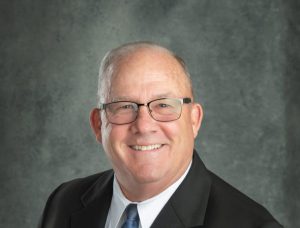
FROM THE BLEACHERS-752
BY DR. JACK WELCH
Interceding Leadership.
In Mark chapter 6, Jesus sends His disciples straight into a storm. He knew it was coming. While they were out on the sea straining at the oars, He was up on the mountain praying for them. He saw them. He wasn’t surprised by the wind, and at the right time, He came to them.
That’s leadership. A real leader doesn’t stand on the shoreline pointing out what everyone is doing wrong. When people are grinding and the wind is in their face, a leader sees it. He steps in. He guides. He helps steady the boat.
In Good to Great, Jim Collins talks about Level 5 leaders, men and women who combine strong resolve with real humility. They’re tough-minded, but they’re not self-centered. They make hard decisions, but they don’t beat their chest about it. When things go wrong, they own it. When things go right, they pass the credit. That’s the kind of leadership that lasts.
Accountability matters. Standards matter. Results matter, but there’s a difference between coaching someone up and constantly pointing fingers. Most good employees want to do well. Sometimes they just need clarity. Sometimes they need development. Sometimes they need someone willing to stand in the gap long enough to help them grow.
Strong leaders don’t just endure storms. They pray for others in their storms. Leadership is not a solo act. If an organization is going to move forward, everybody has to buy into the mission. We won’t agree on every detail. Every idea won’t be exactly how I would draw it up, or how you would. That’s fine. That’s collaboration, but once we set direction, we pull together. When talented people line up behind a shared purpose and support the plan, even if it wasn’t their first choice, progress speeds up. When everyone pulls the same way, success isn’t luck. It’s the outcome.
I like to say we can hang on the rope together and hold each other up. When we communicate honestly and accept coaching, the climb is hard but manageable, but if someone insists on climbing alone, rejecting feedback and pushing back on accountability, the weight gets too heavy. Eventually, they fall by themselves. Guiding good employees can make them great, but if someone refuses direction, accountability rests on their shoulders.
Leadership isn’t about shouting from the shore. It’s about seeing clearly, guiding patiently, and stepping into the storm with your team. Real strength isn’t loud. Real strength kneels.
Thought for the Week:
“Stepping into the storm with your team is far more powerful than leading from the shore.” Jack Welch
Dr. Jack Welch serves as President of Fort Scott Community College. With a career spanning professional sports, public education, and rural community development, he brings a servant-leader mindset and a passion for building trust-driven cultures that empower people to thrive in the classroom, on the field, and in life. He is also the author of Foundations of Coaching: The Total Coaching Manual.