County Lawsuit Conflict of Interest And Motions to Dismiss

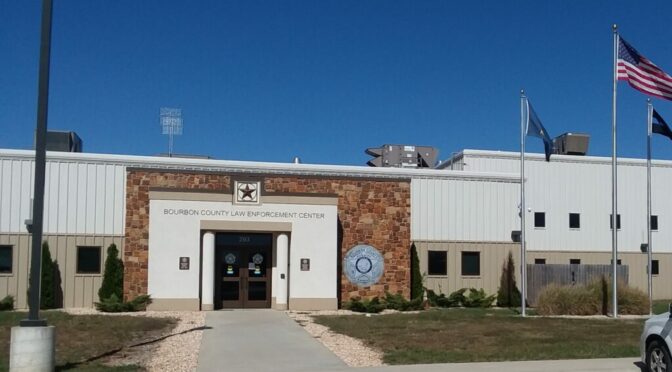
BB-2024-CV-000075 is an ongoing lawsuit by all three members of the Board of Bourbon County Commissioners against the Board of Bourbon County Commissioners. The Commissioners are joined on the plaintiff side by six citizens and on the defendant side by four solar companies.

Jennifer Hill, the lawyer representing the Bourbon County Commissioners on the Defendant side of the lawsuit, filed a motion to withdraw as counsel because “the fact that since the filing of this lawsuit, the Board of County Commissioners of Bourbon County, Kansas is now made up of three individuals who are all also named Plaintiffs in the litigation. Plaintiffs Whisenhunt, Beerbower, and Kruger are the three elected board members of the County commission. Such continued representation violates KRPC 1.7.”

She went on to say that if the County Commission cannot retain counsel, they would need to appear at any future hearings personally.  KRPC 1.7 deals with situations where a lawyer discovers that representing a client creates a conflict of interest.  For example, any conversation Ms. Hill had with her clients of the County Commission as defendants of the lawsuit would necessarily be shared with three of the people who filed the lawsuit against the County Commission.

Rule 1.7 does allow  a lawyer to continue to represent a client even when there is a conflict of interest, but only if:

“the representation does not involve the assertion of a claim by one client against another client represented by the lawyer in the same litigation or other proceeding before a tribunal;”

This conflict of interest would appear to apply to any counsel that the County Commission retained. If that is the case, then the County Commission may be forced to represent itself.

Patrick Hughes of Adams Jones Law Firm in Wichita is representing the Plaintiffs.  If Rule 1.7 required Jennifer Hill to withdraw as counsel due to a conflict of interest, it would seem there would be a conflict by the counsel representing the Plaintiffs as well.

On 2/5/2025, three solar companies filed briefs supporting their motion to dismiss. They claim that the plaintiffs appear to be trying to make changes to their petition without following the correct procedures, failing to address the Defendants’ arguments, and having no standing to file the lawsuit in the first place.

The Responses to the Defendants’ Motions to Dismiss only serve to reinforce the notion that the sole basis of Plaintiffs’ claim is that they do not like the Agreements but do not have any actual, legal injury that entitles them to relief. Accordingly, dismissal is required.

BB-2024-CV-000075 – Defendant Hinton Creek Solar LLCs Reply Brief in Support of Motion to Dismiss

BB-2024-CV-000075 – Tennyson Creek Solar LLC Tennyson Creek Solar II LLCs Reply in Support of Their Motion to Dismiss.

“The Kansas City Monarchs and America’s National Pastime” Rescheduled to Feb. 14


Presentation Explores the History of Baseball in Kansas

Rescheduled Due to Forecasted Weather


Fort Scott, Kan. With the potential winter storm that is forecasted for this Wednesday, Feb 12, the Gordon Parks Museum hosted event “The Kansas City Monarchs and America’s National Pastime,” a presentation and discussion by Phil Dixon is rescheduled to Friday, February 14, 2025 at 12:00 p.m. at The Danny and Willa Ellis Family Fine Arts Center at 2108 S. Horton St. Members of the community are invited to attend the free program. Contact the Gordon Parks Museum at 620-223-2700 ext. 5850 for more information. The program is made possible by Humanities Kansas.


This is a free Lunch and Learn event, with desserts provided by Great West Dining. Drinks and chips will also be provided. Fort Scott T-Mobile will also have a table set up for free raffle drawing for a chance for the attendees to win T-Mobile prizes.


“Everyone is welcome and encouraged to attend this presentation event to learn more about the Kansas City Monarchs” said Museum Director, Kirk Sharp.


2020 marked two major milestones for baseball: the Negro Leagues celebrated their 100th anniversary and Major League Baseball merged statistics of these African American players with those of the major league. The history of Negro League baseball in America mirrors the racial strife experienced by African Americans in society. It was plagued by discrimination, racism, and inequity, while its athletes were celebrated for their resiliency, professionalism, and athleticism. The Kansas City Monarchs barnstormed across Kansas and the region to play more than 400 games between 1920 and 1957 against local towns. This talk sheds new light on this sports history and the history of baseball in Kansas.


Phil S. Dixon a co-founder of the Negro Leagues Baseball Museum in Kansas City. He is the author of nine books about baseball, including biographies about Wilber “Bullet” Rogan and John “Buck” O’Neil. In the course of his research, he has interviewed over 500 former Negro League players and family members.


“The Kansas City Monarchs and America’s National Pastime” is part of Humanities Kansas’s Speakers Bureau, featuring humanities-based presentations designed to share stories that inspire, spark conversations that inform, and generate insights that strengthen civic engagement.


For more information about “The Kansas City Monarchs and America’s National Pastime” in Fort Scott, Kansas, contact the Gordon Parks Museum at 620-223-2700 ext.5850 or visit gordonparkscenter.org.


About Humanities Kansas

Humanities Kansas is an independent nonprofit leading a movement of ideas to empower the people of Kansas to strengthen their communities and our democracy. Since 1972, our pioneering programming, grants, and partnerships have documented and shared stories to spark conversations and generate insights. Together with our partners and supporters, we inspire all Kansans to draw on history, literature, ethics, and culture to enrich their lives and serve the communities and state we all proudly call home. Visit humanitieskansas.org.


###


Seven Kansas Non-profits Awarded Big Game Hunting Permits for Fundraising


PRATT – Seven lucky conservation organizations are set to receive Commission Big Game Hunting Permits after their applications were drawn by Kansas Wildlife and Parks Commissioners during the January 30th public meeting. The Commission Big Game Hunting Permit program allows Kansas-based non-profit organizations that focus on wildlife conservation and promoting the hunting and fishing heritage to apply for one of seven permits. The permits can then be sold by the winning group to raise funds for conservation projects in Kansas. The winning organizations typically raffle or auction the permit to the highest bidder and keep 15 percent of the sale price to support their missions. The remaining 85 percent is held by the Kansas Department of Wildlife and Parks (KDWP) until a mutually agreed upon conservation project is approved.

“Last year, proceeds from Commission permits supported the Habitat Specialist program which is one of our key conservation partnerships with Pheasants Forever,” said Wes Sowards, assistant director of the wildlife division at KDWP. “Habitat specialists work across the state to manage wildlife habitat on both private and public land with a special emphasis on conservation objectives in the State Wildlife Action Plan.”

“These habitat specialists are the true heroes in our eyes,” said Bob Hix, a regional representative from Pheasants Forever and Quail Forever. “The Kansas Pheasants Forever habitat team and the local chapters are committed to doing even more habitat work for all wildlife in Kansas.”

Other projects supported by the Commissioner permit proceeds have included wetland improvement at Cheyenne Bottoms Wildlife Area and special youth hunt programs.

“Ducks Unlimited is honored to receive these Commission permits which have been part of an ongoing and hugely successful partnership between DU and KDWP,” said Matt Hough, Kansas conservation programs manager for Ducks Unlimited. “Proceeds from these permits will be put to great use for priority projects of both organizations for the conservation of wetlands and waterfowl habitat that also provide public benefits to the people of Kansas.”

Based on applicant preference, seven deer permits were awarded to the following conservation groups for 2025:

Ducks Unlimited Wyandotte Chapter
Mike Bulk
785-294-1280
[email protected]

Backcountry Hunters and Anglers Kansas Chapter
Marshal Loftus
816-489-1023
[email protected]

Kansas Bowhunters Association
Jamie Howarter
[email protected]

Ducks Unlimited Kansas University Chapter
Mike Bulk
785-294-1280
[email protected]

Pheasants Forever Stanton County Chapter
Bob Hix
303-588-1542
[email protected]

Pheasants Forever Osborne Chapter
Bob Hix
303-588-1542
[email protected]

National Wild Turkey Foundation Salty Spurs Chapter
Nate Watson
505-401-6474
[email protected]

Members of the public are encouraged to contact the representatives listed to learn when and where each of these permits will be auctioned or raffled in the future.

Complete rules for the Commission Big Game Permits can be found at ksoutdoors.com/KDWP-Info/Commission.

###

The Kansas Department of Wildlife and Parks (KDWP) is dedicated to the conservation and enhancement of Kansas’s natural resources for the benefit of both current and future generations. KDWP manages 29 state parks, 177 lakes and wildlife areas, more than 300 public waterbodies, and 5 nature centers, Other services include management of threatened, endangered, and at-risk species, law enforcement, and wildlife habitat programs. For more information about KDWP, visit ksoutdoors.com.

The seven-member, non-partisan Kansas Wildlife and Parks Commission serves in an advisory capacity in formulating policies and plans for KDWP. The commission facilitates public hearings on rules and regulations proposed by the Secretary of KDWP, ultimately voting to approve, modify, or reject those proposed rules and regulations. The Commission Big Game Permits are authorized by K.S.A. 32-970.


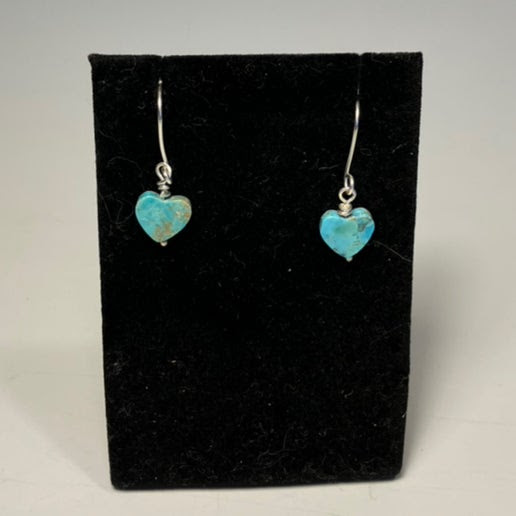
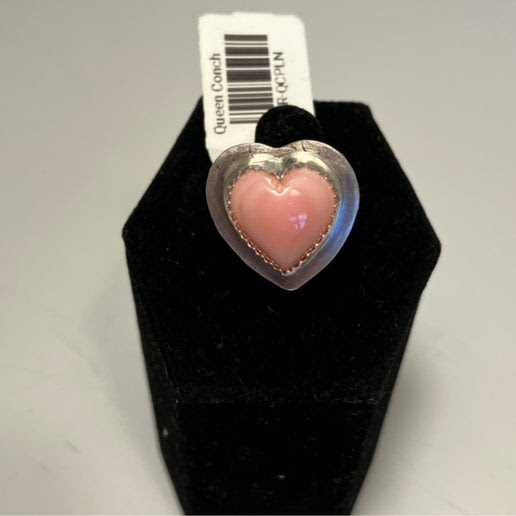
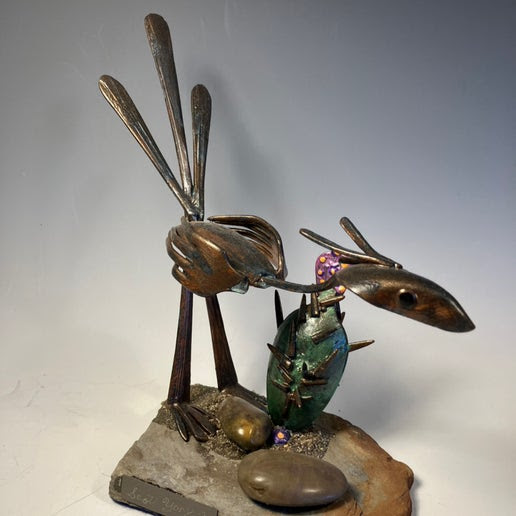
Valentine Art for Every Heart at the Artificers


Logo

Skip the Flowers,

Give the Gift of Art!

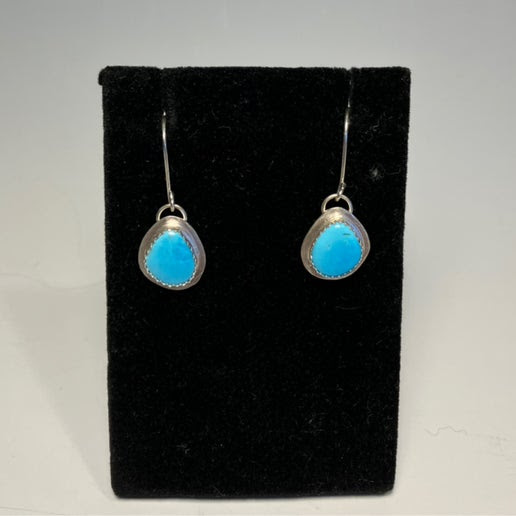
Checkout our Newest Artist’s Jewelry: Wendy Brittain!

Shop Wendy’s Jewelry!

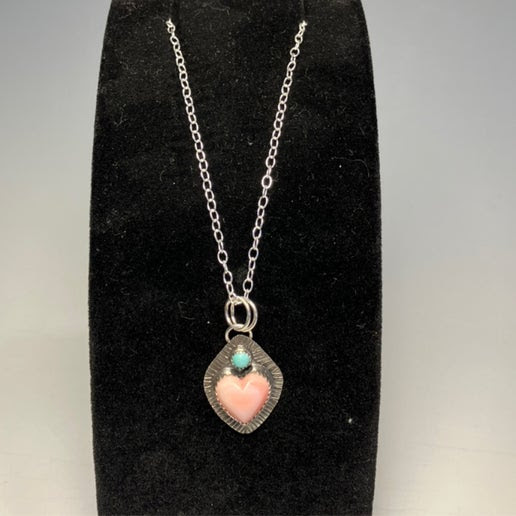
Valentine’s Art for Every Heart!

Amy Smith’s Hearts:

Shop Amy’s Originals!

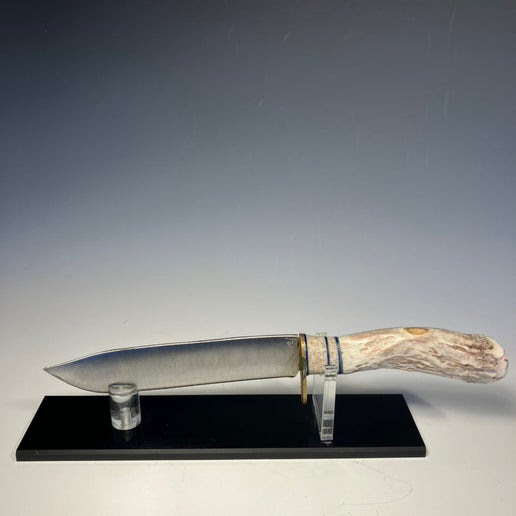
Something for HIM!

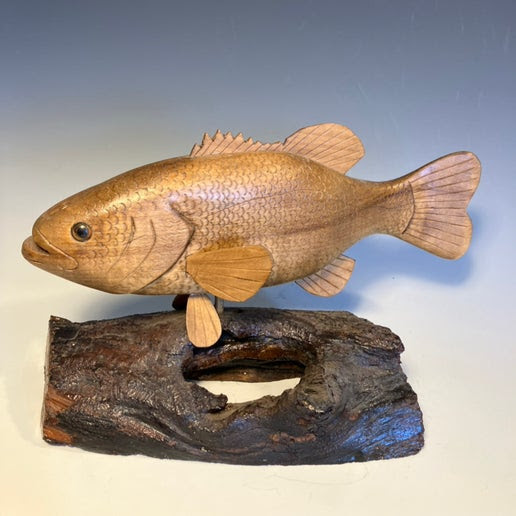
Tony Fornelli & Scott York’s Art!

Shop Tony’s Wood Art
Shop Tony’s Metal Art!
Shop Scott’s Metal Art!

Shipping is available

as well as Pick Up!

8 N National Ave, Fort Scott, KS

Thank you for viewing

our Online Valentine’s Feature!

Email us!
Call us!
Facebook icon
Instagram icon
Logo

Copyright (C) *|2025* *|The Artificers|*. All rights reserved.
You are receiving this email because you opted in via our website.

Our mailing address is:

T.E.Freeman Studio

8 North National Avenue

Fort Scott, KS 66701

A Fun Refrigerator Door by Carolyn Tucker

Keys to the Kingdom

By Carolyn Tucker


A Fun Refrigerator Door


My brother, Randy, was the best. He was ten years older than me and we got along wonderfully. We shared the same sense of humor and he made my life a delight. He was engaging, fun, entertaining, ingenuitive,  patient, thoughtful, and kind.

One snowy winter day, when I was six to eight years old, Randy found an old refrigerator door by the barn and brought it to the house. He tied a rope to it, told me to get on, and then he pulled me around the yard on the snow as I sat on the fridge door. Like the witch of Narnia, I had my very own reindeer and sleigh! Back in the 1960s, we made use of what we had and simply created our own fun. My brother made my day and that’s why I still have this delightful memory tucked away in my heart.


Randy has been gone since June 2022, and I miss him. He did his best to stick around for his family, but one summer day he drew his last breath and slipped away to Heaven. My sweet brother reminds me of this scripture, “…There is a friend who sticks closer than a brother” (Proverbs 18:24 NKJV). This verse is often applied to the intimate walk we have with Christ Jesus, and I agree with that theology. Like a good brother, Jesus is there. Like a bridge over troubled waters, Jesus is there.


Being a friend and having a friend go hand in hand. There are friends and then there are special friends, such as a dear friend, best friend, close friend, bosom friend, etc. A genuine friend is someone in whom you have a strong bond, dependable, keeps your secrets, and is honest and trustworthy. Jesus is a friend like no other. No matter how many fantastic friends you have, Jesus outshines them all.


Notice that Jesus called Judas Iscariot “friend” when he betrayed Him in the Garden of Gethsemane. “So Judas came straight to Jesus. ’Greetings, Rabbi!’ he exclaimed and gave Him the kiss. Jesus said, ‘My friend, go ahead and do what you have come for’” (Matthew 26:50 NLT). This was an atrocious act because the kiss was a symbol of friendship and honor. Nevertheless, Jesus spoke with gentle compassion even though Judas’ heart was as hard as stone. Jesus is a true friend that will not betray you. He’ll stick with you like Gorilla glue.


Jesus was known to be a friend of sinners and He would often join them for supper. Saving sinners was the purpose of His coming, so He spent time with them in order to introduce the gospel and welcome them into the kingdom of God (see Matthew 9:9-13).


In the 1800s, Joseph Scriven wrote a poem and sent it to his mother to encourage her because she was ill. He wanted to remind her that she had a never-failing Friend in Jesus. The poem later became a much-loved song in our hymnals: “What a Friend we have in Jesus, all our sins and griefs to bear! What a privilege to carry everything to God in prayer! O what peace we often forfeit, O what needless pain we bear. All because we do not carry everything to God in prayer.”


The Key: Believers have a special Friend in Jesus and He will stick even closer than a big brother.

Getting To The Heart Of The Matter

Tara Soloman-Smith, Family and Wellness Agent, Sunflower District of Kansas State University’s Extension Office. Submitted photo.


Getting to the Heart of the Matter

Heart disease is the leading cause of death in the United States. One in five deaths is due to heart disease, even though it is largely preventable.

Keeping your heart healthy starts with living a heart-healthy lifestyle. But first, you need to get smart about your heart. Knowing what causes heart disease, what puts you at risk for it, and how you can reduce those risks can help you make informed decisions to protect your heart and keep it strong.

Want to test your knowledge? Take this short Heart Smart Quiz:

  1. True or False? High blood pressure is also known as hypertension and occurs when your blood pressure is consistently 130/80 mm Hg or higher.
  2. True or False? Cholesterol helps make hormones, vitamin D, and substances to help you digest foods. Your body needs it for good health, but in the right amounts.
  3. True or False? Eating lots of vegetables, fruits, and whole grains, using fat-free or low-fat dairy products, and limiting foods high in saturated fat or sugar-sweetened beverages are all part of a heart-healthy diet.
  4. True or False? Not getting enough sleep or getting poor quality sleep on a regular basis increases the risk of having high blood pressure, heart disease, and other medical conditions.
  5. True or False? To strengthen their heart, adults should aim to get at least 150 minutes of moderate-intensity aerobic activity such as brisk walking each week.

How did you do?  The answer to all questions is true.  Knowing your own risk factors for heart disease can help guide your lifestyle choices, so talk to your healthcare provider to make sure you’re clear. Just as important: know your numbers. Your weight, waist size, blood pressure, cholesterol, and blood sugar levels all affect your heart. If they aren’t where they should be, make a pledge to begin improving them.

Adding more physical activity to your day, eating a heart-healthy diet, managing stress, getting enough quality sleep, and not smoking can put you on the path to better heart health.

Learn more about heart disease prevention at www.hearttruth.gov or for more information contact Tara Solomon-Smith, [email protected], 620-244-3826.


# # #

Kansas State University Agricultural Experiment Station and Cooperative Extension Service


Helping Children Understand Time, Talent and Money

Amanda Classen. Submitted photo.


Understanding concepts like time, talent, and money can be challenging for young children. Bradford Wiles, a child development specialist with K-State Research and Extension, explains, “Early childhood is filled with symbols. Money is one of those symbols—it represents time, talent, effort, and investment.”

Wiles notes that the idea of earning money—trading time and skills for a reward—begins to form at a very young age. “As children grow and gain independence, money becomes more meaningful to them,” he says. However, young children often do not fully understand its value. For instance, they may choose a nickel over a dime simply because it appears larger. Understanding what money represents is a developmental milestone that children must achieve before they can grasp the concept of saving.

Moreover, money is frequently a source of conflict within families, and children pay close attention to how adults manage it. “Kids learn what it means to be a person by observing the adults around them,” Wiles states. “This includes learning about money and resources. Parents can set a strong example by modeling positive behaviors, such as balancing spending, saving, and giving.”

Wiles provides an example of a child asking for a toy in a store. A typical response might be, “We can’t afford that,” which could lead the child to think the family has no money. Instead, he recommends saying something like, “That’s not in the budget right now,” or explaining that the family has other spending priorities. “It’s not about avoiding spontaneous purchases,” he emphasizes. “It’s about teaching children that managing money involves considering long-term goals and making choices that align with those priorities.”

Children can also learn the value of money by earning it through their efforts. “In many households, this starts early,” Wiles explains. “Giving kids responsibilities around the house and rewarding them, whether with money, extra playtime, or other privileges, introduces the concept of earning.” He adds, “Kids understand the idea of receiving something in exchange for their contributions long before they fully comprehend money itself.”

By helping children connect their efforts with rewards and modeling thoughtful financial habits, parents can establish a foundation for lifelong financial literacy.


For more information on money management for youth, please contact Amanda Clasen, Community Vitality Agent, at [email protected] or at 620-244-3826.


Native Grass Establishment by Lonnie Mengarelli

Lonnie Mengarelli. Submitted photo.

I have had several questions about planting farm ground back to native grass. The area used to be all native and many have been plowed up for row crop and then put back to cool season grasses such as fescue and smooth brome. The reason for this is first of all native seed was hard to come by and second fescue and brome are much easier to establish. For those who are wanting to go back to native grass here is what KSRE recommends.

Establishment is the most important phase to ensure system longevity when planning the long-term use of a seeded native grass stand. Native species are slow to establish and do not compete well with other plants, such as undesired weeds and forage mixes. For this reason, native grass pastures can take up to four years to become fully established. Use known cultivars because they have been selected for better establishment and forage production characteristics. Species and cultivar selection, site preparation, seed quality, seed source, and seeding date must be considered to ensure the successful establishment of a native grass pasture. Planning is the key to achieving a successful stand. Before seeding, it is important to assess resources, including soil type, fertility, current and past cropping uses, and how these resources affect the establishment of new native pastures. Producers must understand the potential challenges (existing weed problems, seed bank, and potential cropland herbicide carry-over), necessary changes in the farming operation, available equipment, seed sources, the intended use of the seeded area, costs and returns anticipated, and suitability for wildlife habitat. This information contributes to the preparation for seeding.

The first step in knowing the potential yield for haying or grazing is understanding more about the soil. Soil texture can be identified by a lab test or by searching NRCS soil survey maps available through the NRCS Web Soil Survey (websoilsurvey.nrcs.usda.gov). Additionally, soil chemical properties need to be determined. Previous cropping history, particularly herbicide use, is necessary to prevent seedling damage from herbicide carryover. Seedling damage can result from long-residual herbicides, particularly those used for grass control. Short-residual herbicides are less likely to injure seedlings. Herbicides with rotation restrictions for corn or grain sorghum are an indication of potential seedling damage. Check labels for plant-back intervals and expected suppression. The species and cultivar selected should be adapted to the field’s soil. If several different soils occur in a field, splitting the field should be considered, and changes in seedbed preparation may be required.

A firm, weed-free seedbed is recommended. Seedbed preparation depends on climate, soils, and intended use. In most cases, clean-tilled seedbeds are preferred to establish pastures, especially where precipitation is greater than 32 inches on average annually. The seedbed is tilled as needed to destroy all weeds and leave a firm, friable seedbed. Weed control is a significant requirement for a successful stand. Using a cultipacker or similar equipment before and/or after seeding can greatly improve the stand of grass, especially during seasons of low rainfall. This approach stores soil moisture but requires precipitation after seeding to ensure a successful stand. As with all seeds, proper seeding depth is important to obtain adequate establishment of native grasses. Most seeds cannot emerge from deeper than 1/2 to 1 inch. Grass drills will handle the fluffy seed of most native grass species and ensure accurate placement, delivering the seed at a uniform rate.

Companies selling certified seed are required by law to inform buyers of seed quality. This allows buyers to determine the amount of seed to plant. Native grass seed quality is measured on a pure-live-seed (PLS) basis, which is calculated based on germination and purity. Seeding rates vary by soil, precipitation, and intended use of the seeding. For help selecting seeding rates and mixtures, consult the county Natural Resource Conservation Service Office, local K-State Research and Extension office, wildlife agencies, or seed dealers.

Recommended planting dates are based on research, but they may be adjusted for your region based on local knowledge. The optimum seeding date for warm-season grasses is about 2 weeks before the average last frost date and at least 6 weeks before hot, dry summer weather. If that is not possible, 1 month before to 3 weeks after the average last frost date may be an acceptable period for seeding. This allows the seedling 6 to 8 weeks to establish the permanent root system before hot, dry summer weather. We are in Zone 1 which translates to February 15th through May 1st time frame with the optimal dates of March 25th to April 10th in “typical” year.

Fertilizer maybe required when establishing a new stand of native grasses due to our higher precipitation in our area. Lime is suggested if the pH is below 6.0. Taking soil samples contributes to successful seeding. Consult NRCS or local K-State Research and Extension personnel for local needs. If soil test recommend fertilizer and it is applied it may stimulate weed competition during the establishment phase.

Although native grass is more difficult to establish, in the long run its valve outweighs the input cost.  The area used to be all native grasses and that is the standard in which soil health is based on, and we as stewards of the land should consider looking at  reestablishing natives grass when possible.

Lonnie Mengarelli is a K-State Research and Extension Agriculture agent assigned to Southwind District. He may be reached at [email protected] or 620-223-3720


Tina Sullivan, Northeast Area Agronomist
[email protected]

Bruno Pedreira, former Southeast Area Agronomist

Walt Fick, Professor Emeritus


Obituary of Gordon Phillips

Gordon Leon Phillips, age 67, recently of Englewood, Colorado, passed away peacefully in his sleep while at home on Sunday, February 2, 2025.

Gordon was born August 28, 1957, in Fort Scott Kansas, the son of Thomas E Phillips and Josephine Marie(nee McDaniel) Phillips.

Gordon worked as a mechanic for various businesses throughout his career.

He was a graduate of the Fort Scott Senior High, class of 1975.
He had a passion for music and played several types of guitars. He also had a passion for gardening and cooking, often sharing his garden harvests and food creations with his neighbors and friends.

Gordon is survived by his eldest daughter, Heather Phillips, a son Robert Phillips, a daughter Nicole Phillips Sweat, a son Adam Phillips, grandchildren are Shyanne, Skylar, Shane, Shelby, Cody, Mindy, Kaden, Jase, and great-grandchildren Trinity, Gabriel, Raelynn, and twins Brantley and Lilyana.

He is also survived by several cousins, friends, and his dog Chico.

He was preceded in death by his mother and his father, a brother Thomas Phillips Jr., half-brothers James and Robert Hughes, and a half-sister Nancy Hughes Wells.

He was a baptized Christian.

There are no services planned. His final resting place will be chosen at a later date.

Unapproved Minutes of the Fort Scott City Commission on Feb. 4

CITY OF FORT SCOTT CITY COMMISSION MEETING


Minutes of February 4, 2025                                   Regular Meeting


A regular meeting of the Fort Scott City Commission was held at 6:00PM in the City Commission Meeting Room at City Hall, 123 S. Main Street, Fort Scott, Kansas. The meeting was streamed live on YouTube.


The meeting was called to order at 6:00PM (0:09). Roll call was taken. Commissioners Dyllon Olson, Matthew Wells, Tracy Dancer and Kathryn Salsbury were present with Mayor Tim Van Hoecke.


In AttendanceBrad Matkin/City Manager, Jason Dickman/City Engineer-Earles Engineering & Inspections, Inc., Chief Jason Pickert/FSPD, Leroy Kruger/Codes Enforcement Technician, Jessica Oliphant/BakerTilly (via telephone), Lisa Dillon/Housing & Community Development Coordinator, Scott Flater/Water Utilities Director, Bill Lemke/Water Distribution & Collections Supervisor, Lisa Lewis/City Clerk, Steve Mason, Michael Hoyt, and Josh Jones.


  1. Farmer/City Attorney was absent.


VAN HOECKE led the Pledge of Allegiance and OLSON said a prayer asking God for guidance for the City, our Government and City officials.


Approval of Agenda  (1:28)

MOTIONWELLS moved to approve the Agenda as presented with the amendment of Item F/New Business worded 2024 Annual Report from the Land Bank.  SALSBURY seconded.


MOTION CARRIED 5-0.


Approval of Consent Agenda  (2:08)

  1. Approval of Appropriation Ordinance 1377-A – Expense Approval Report – Payment Dates of January 16, 2025 – January 29, 2025$548,345.32
  2. Approval of Minutes: January 21, 2025    
  3. Request to Pay – Heck & Wicker – Payment No. 7$97,296.07
  4. Request to Pay – Invoice #17735 – Earles Engineering & Inspection, Inc. Project No. 24-414 – Horton & 6th Street Improvements – Payroll$21,013.62


MOTION:  OLSON moved to approve the Consent Agenda as presented. SALSBURY seconded.


MOTION CARRIED 5-0


Public Comments

Josh Jones (3:59) –  addressed the Commission regarding contractor’s licenses specifically redundancy of existing regulations, potential administrative overload, limited effectiveness in ensuring quality of work and possible unintended consequences for contractors and new businesses.

Appearances (6:44) – None


Unfinished Business

Consideration  of Change Order for Davis Lift Station (6:50) FLATER presented a request to approve the change order (original appearance for project November 12, 2024) for JCI to rebuild pumps and motors which will cost $22,444.00. Discussion was had on the necessity of modifications to existing specifications and about the lifespan of rebuilt equipment compared to new.


MOTIONDANCER moved to approve the change order according to the new findings for $22,444.00. OLSON seconded.


MOTION CARRIED 5-0.


Status of 118 E. Wall (14:16) – MATKIN gave a status update stating that FARMER’S office sent legal communication to the barber shop owner on 1/28/2025 regarding a release of liability (Montanez and Family assume all liability) and that the insurance company requires the “Red Tag” to be removed for the owner to obtain insurance. There is currently no insurance on the building. MATKIN reached out to the owner but has not been able to contact him.


Discussion was had about the conditions previously agreed upon for reopening the building.


Discussion was had about the adjoining building.


Discussion was had about an alternative course of action with the City going for quotes to repair it to structural engineer’s report. WELLS stated that the City has the right to do the repairs (when the owner refuses) to keep the structure from falling. WELLS’ intention is to move forward and pursue legal recourse with the options that have been presented by the City Attorney.


ACTION:  MATKIN was directed to get (3) bids to repair the items necessary and will contact the insurance agent that contacted him regarding the building.


Status of 323 W. Wall (26:18) – WELLS met with the Land Bank, and they are excited about the opportunity to take this property along with others into the Land Bank before demolition is done. According to the Land Bank manager, the preferable way is to reach out to owners to see if they are willing to donate the property to the Land Bank before the City does the demolition. It could streamline the process of making it a viable property for contractors to come in and fix the properties instead of them being demolished.


WELLS stated he has not been able to contact the owner. The Land Bank Manager is reaching out as well.


Discussion was had on extending the timeline and tax grant rebate incentive.


KRUGER stated that the owner wishes to keep the property and is aware of the back taxes owed. The owner’s daughter has told him that they lack funds to save or demolish the home, but the owner will not agree to sell it. He also stated that this property has been on the radar (of the Codes Department and City Commission) for an extremely long time.


  1. Matkin left the meeting at (31:21.


Further discussion was had on the extended timeline for the unsafe building.


MOTION:  VAN HOECKE moved to press forward with the demolition of 323 W. Wall. DANCER seconded. DANCER and VAN HOECKE voted yes. SALSBURY, OLSON, WELLS voted no.


MOTION FAILED 2-3.


  1. Matkin left the meeting at (33:45.


MOTION:  OLSON moved to table 323 W. Wall until the first meeting in March (March 4, 2025). WELLS seconded.


ACTION:  WELLS will get permission from MATKIN to join KRUGER on a visit the owner of 323 W. Wall.


MOTION CARRIED 5-0.


Discussion on the use of storage container boxes (35:20) WELLS stated this topic was introduced last year because of community interest in using containers for residential and commercial purposes. It remains an issue regarding using the boxes as storage on properties and the trending interest in using them to build modern homes.


Discussion was had about how other communities manage the issue, use in the historic district, and what our current Zoning Regulation states and how it would need to be rewritten. KRUGER stated that as is currently written, Codes cannot address the issue; a rewrite, as presented, would be required. He stated that he has not addressed it with any citizen despite claims.


ACTION:  A Work Session is scheduled for February 24th, 2025, at 5:30PM.


New Business

Consideration  of Letter of Interest submitted by Heather Madison for Land Bank Trustee due to the expired term of Bailey Lyons – February 2025 (53:28)

MOTION:  WELLS moved to approve Heather Madison as a Land Bank Trustee. DANCER seconded.


MOTION CARRIED 5-0.


A brief discussion was had about David Beerbower/County Commissioner expressing interest in being the County Representative on the Land Bank. The current ordinance will need to be revised.


Presentation of 2024 Land Bank Annual ReportDILLION presented the report and answered Commissioners’ questions. The ending balance for 2024 reported as $71,560.00. Budget for the Land Bank in 2025 was reported by OLIPHANT AS $113,000.00 separate from the 2024 balance.


Discussion was had on the amount budgeted for 2025.


  1. Matkin left the meeting at (58:49).


  1. Matkin returned to the meeting at (59:28).


Discussion of Neighborhood Revitalization Program (NRP) (59:30) DILLION presented an introduction of the program which is a collaborative program between the City of Fort Scott and Bourbon County. The primary goal is to encourage property owners to invest in the rehabilitation, conservation, and redevelopment of properties within designated areas by offering property tax rebates for quality improvements. They are broken down into (3) categories: residential, commercial, and historic. She explained the tax rebates, the application, and requirements.


Further discussion continued with the proposed changes to the program for developer incentives.


Consideration to begin Demolition Proceedings for 301 N. Jefferson, 501 Osbun, and 314 S. ScottKRUGER presented an overview of conditions, owner contact history and answered questions for each of the (3) structures/properties. Codes determined these to be unsafe and dangerous and should be demolished. A Public Hearing is therefore set for March 18, 2025, with the passage of the resolutions.


MOTION: DANCER moved to approve Resolution No. 3-2025 – A RESOLUTION AND NOTICE OF HEARING WITH REFERENCE TO ALLEGED UNSAFE AND DANGEROUS STRUCTURE AT 301 N. JEFFERSON. VAN HOECKE seconded.


MOTION CARRIED 5-0.


MOTIONVAN HOECKE moved to approve Resolution No. 4-2025 – A RESOLUTION AND NOTICE OF HEARING WITH REFERENCE TO ALLEGED UNSAFE AND DANGEROUS STRUCTURE AT 501 S. OSBUN. DANCER seconded.


VAN HOECKE, SALSBURY, OLSON and DANCER voted yes. WELLS voted no.


MOTION CARRIED 5-0.


MOTIONWELLS moved to approve Resolution No. 5-2025 – A RESOLUTION AND NOTICE OF HEARING WITH REFERENCE TO ALLEGED UNSAFE AND DANGEROUS STRUCTURE AT 314 S. SCOTT. OLSON seconded.


MOTION CARRIED 5-0.


Consideration of Bids for Charles Street Lift Station (1:20:30) – DICKMAN presented the bid tabulation for the project that was opened on 1/23/2025. Three (3) bids were received and (1) bid was rejected. Earles Engineering & Inspections, Inc. recommended that the bidder Cardinal Siteworks, LLC – Pittsburg, KS – be awarded the bid.


MOTION:  WELLS moved to award Cardinal Siteworks, LLC the project for the rebuild at the Charles Street Lift Station.  SALSBURY seconded.


MOTION CARRIED 5-0.


Consideration of Change Order No. 4 – Horton St. & 6th St. Improvements – Heck & Wicker – Corrective Action for Rejection of Defective Work (EEI: 22-049 & 24-414) – DICKMAN stated that this approval was to close out the rejected work on the overlay work with the previously discussed compromise with Heck & Wicker. They have left the site for the winter but will return on March 10, 2025, to perform corrective action on the overlay consisting of the diamond grinding and a fog seal. Heck & Wicker will profile the road before beginning the diamond grinding and after and then fog seal. All corrective work is at no cost to the City. The Change Order No. 4 official document reflects “No Charge” and an additional (6) more days to the total calendar days for completion to account for weather issues.


(1:24:31) WELLS stated for the record that there were over (178) defects noted in the profiling that was done and few of those were more than an inch, they did a (3) inch overlay which was in violation of the specs which means in certain sections of the road, after the grinding takes place, there will be (2) inches or less of material in the overlay that will be left the grinding. Because this fall well outside the specs, because the job was not done according to specs, where it was clearly laid out how it should have been done, in (2)-(1.5) inch lifts and instead was done in (1)-(3) inch lift, we will be left with a road, in certain instances, that will be less than (2) inches thick on the overlay, I am not okay with the corrective action that has been brought forth.


(1:25:40)  DANCER and OLSON expressed their unhappiness which prompted further discussion.


(1:26:55) MATKIN requested an explanation of “tighter management” that was used during the discussion. DANCER replied and further discussion ensued over supervision of projects. DICKMAN provided an explanation of changes that will happen moving forward.


MOTION:  VAN HOECKE moved to approve Change Order No. 4 – Horton St. & 6th St. Improvements – Heck & Wicker – Corrective Action for Rejection of Defective Work for Earles Engineering.

ACTION:  DANCER requested formal action, changing our position, and stipulating in black and white the relationship between the City and Earles Engineering.


DANCER seconded.


DANCER, VAN HOECKE, SALSBURY, and OLSON voted yes. WELLS voted no.


MOTION CARRIED 4-1.


MOTIONOLSON moved to amend the agenda to allow for an Executive Session. WELLS seconded.


MOTION CARRIED 5-0.


MOTIONOLSON moved that the City Commission recess into Executive Session for the purpose of discussion with an entity pursuant to the financial affairs or trade secrets of corporations, partnerships, trusts and individual proprietorships exception in K.S.A. 75-4319(b)(4). The open meeting will resume in the Commission Room at 7:47PM. In the meeting will be the (5) City Commissioners and the City Manager. DANCER seconded.


MOTION CARRIED 5-0.


MOTIONVAN HOECKE moved to come out of Executive Session. DANCER seconded.


WELLS was absent for the vote.


MOTION CARRIED 4-0.


Reports and Comments    


CITY ENGINEER DICKMAN (1:47:52) –  No comments.


CITY MANAGER MATKIN (1:48:02)

City/County Work Session

– Bettis replaced Harbour Construction to complete our Cape Seal project and will be back in May (possibly sooner) repair what has been done and complete the remainder.  


  1. Wells returned to the meeting (1:48:18)


COMMISSIONER SALSBURY (1:50:25) – No comments.


COMMISSIONER WELLS (1:50:29)

Clarification on the intent of the Business License during the Work Session of 1/28/2025

– Previous passage of Contractor’s License and Ordinance – possible Work Session,

– Bourbon County Community Theater Adult Prom event

– 1st Street Alley repair with established policy

– Thank you to the Commission for staying focused for the benefit of our citizens


COMMISSIONER OLSON (2:06:51)

– Business License intent from 1/28/2025 Work Session


COMMISSIONER DANCER (2:07:36)

– Apology to Commissioner Wells regarding Business License and Contractor License issues

– Thank you to City Employees, City Manager, and fellow Commissioners

– Proposed a future Work Session regarding Tourism and Retailer Event Coordination


COMMISSIONER/MAYOR VAN HOECKE (2:09:43)

– Business Licenses and Contractor Licenses comments

– Fence in front of Memorial Hall – MATKIN stated it was removed.


MOTION:  DANCER moved to adjourn the meeting at 8:10PM (2:10:48). WELLS seconded.


FEBRUARY 4, 2025, MEETING ADJOURNED AT 8:10PM.


Submitted by Lisa A. Lewis, City Clerk

Bourbon County Local News