|
|
|
|

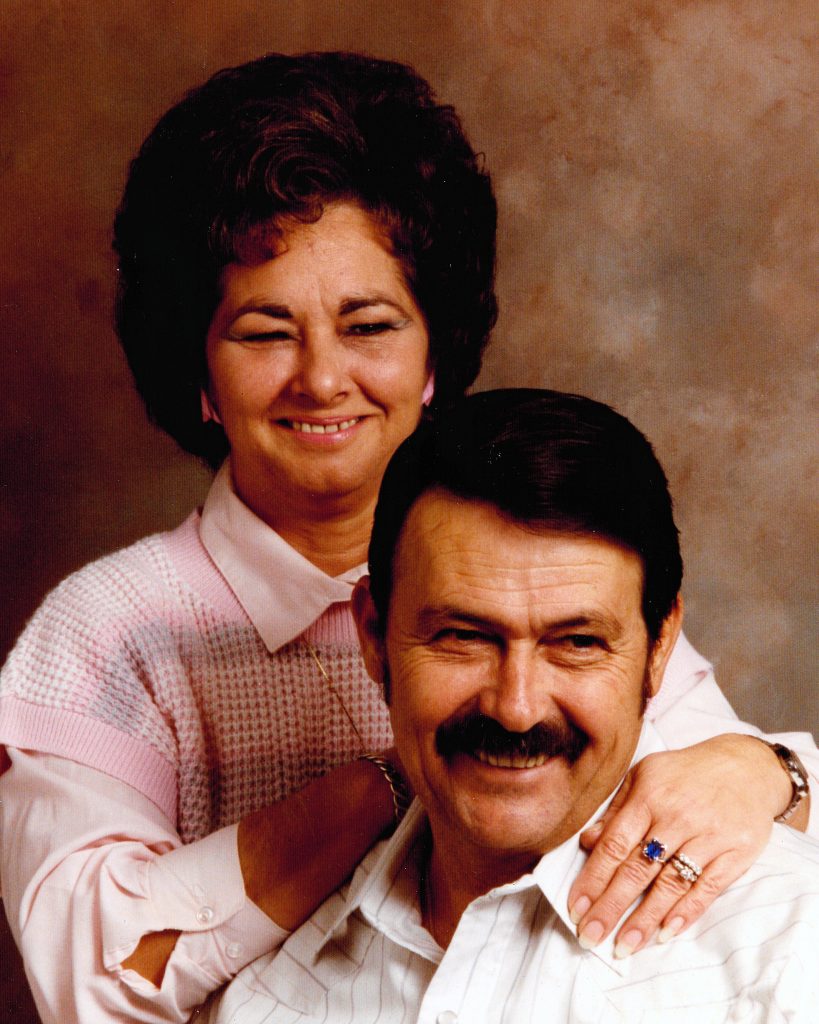
Jan Fritter, age 79, a resident of Springfield, Missouri, passed away Sunday, October 30, 2022, at the Cox South Hospital in Springfield, Missouri.
She was born September 3, 1943, in Nevada, Missouri, the daughter of William Faulconer and Vera Beatrice Davis Faulconer. Jan married Donald Fritter on November 7, 1975. She had worked as a nurse at the Nevada State Hospital and later as a nurse in Ft. Scott.
Jan is survived by her daughter, Michelle Mott of Jeffersonville, Indiana and her granddaughter, Cheldon Mott of Havelock, North Carolina. Her husband, Don Fritter, preceded her in death on August 23, 2019.
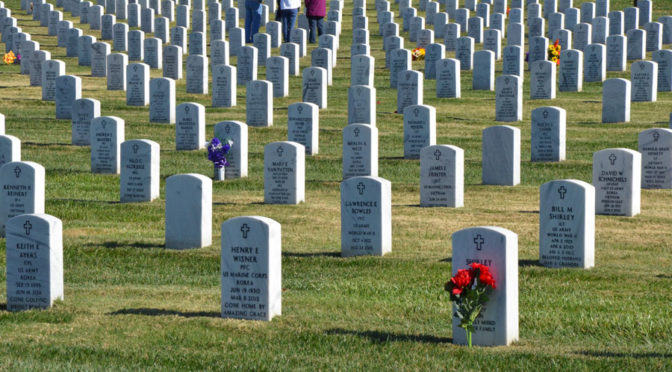
Graveside services will be held at 12:30 P.M. Thursday, November 3rd at the U. S. National Cemetery in Ft. Scott, Kansas.
Family and friends may meet at the Cheney Witt Chapel on Thursday until leaving for the cemetery at 12:45 P.M.
Arrangements are under the direction of the Cheney Witt Chapel, 201 S. Main, Ft. Scott, Kansas. Words of remembrance may be submitted to t
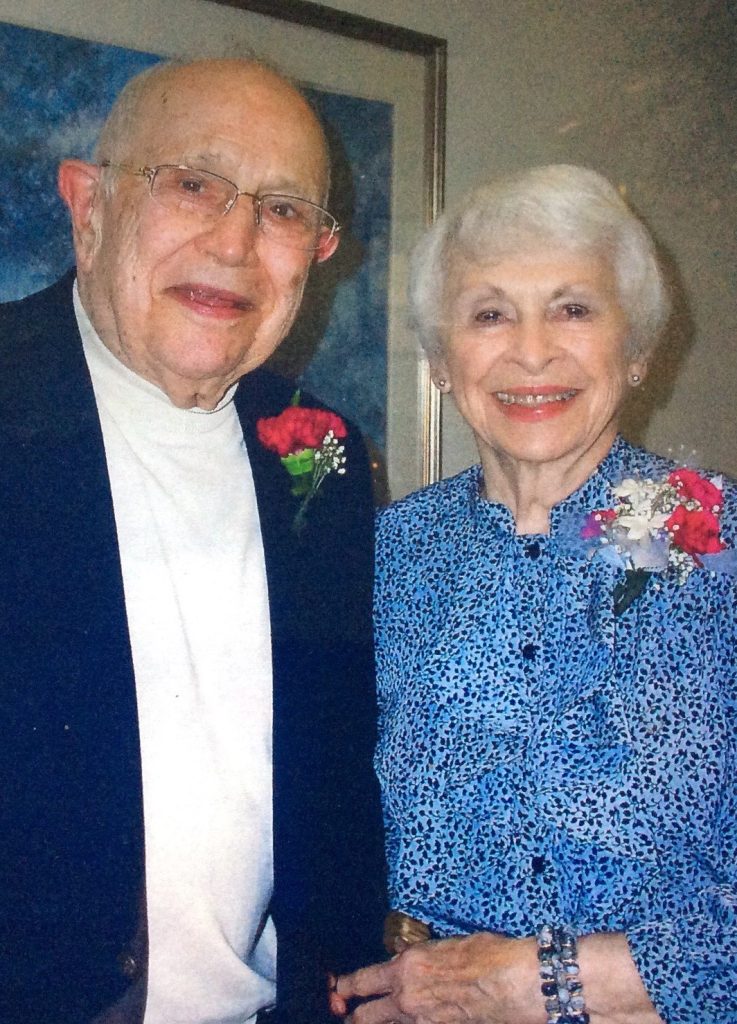
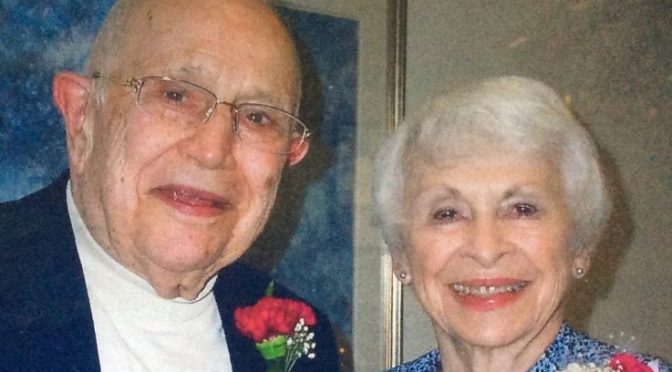
John and Pat Neff lived in Fort Scott decades ago, but were impacted by the Sisters of Mercy and decided to give back to the community.
“I was told that John grew up in the area and then they lived here early in their marriage…and adopted two children from Mercy Hospital,” Carla Farmer, Fort Scott Area Community Foundation (FSACF) member said. “Pat reached out in the 1990s and wanted to give back to the local Sisters of Mercy, who helped them adopt two children. That’s the basis of them wanting to give back to the community. This was a couple that was touched by our community decades ago. This was where they raised there children.”
“The Neff’s created an annuity that paid them until they passed away,” FSACF Chairman Craig Campbell said.
John Valentine Neff and Patricia Renfro Neff were married 69 years until his death, according to Pat’s Neff’s obituary. Pat died in July 2022.
Upon her death the annuity money went to the Mercy foundation, and now to the FSACF for distribution into the community for future health care funds.
|
|
|
Kansas Attorney General Derrick Schmidt will be in Fort Scott at Common Ground Coffee Shop at 1 p.m. to discuss the future of Kansas.
Schmidt is running for governor.
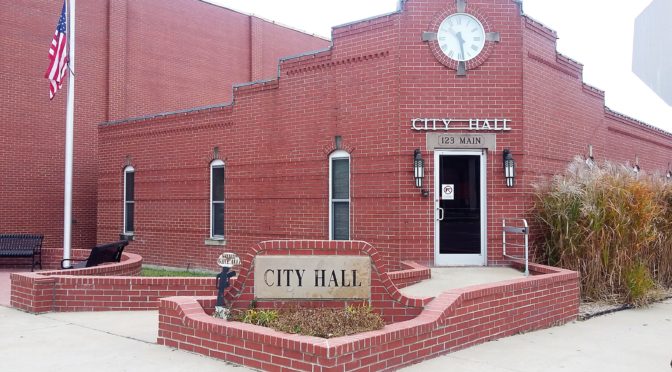
The Parks Advisory Board will meet Wednesday, November 2nd, 2022, at 4:00 PM at City Hall, 123 S. Main, Fort Scott, Kansas.
This meeting is open to the public. This meeting will also be made available via the City’s YouTube channel at City of Fort Scott.
TOPEKA – Today, Governor Laura Kelly called on Kansans to share their thoughts on how the State of Kansas can better prevent, respond to, and recover from wildfires. The Governor’s Wildfire Task Force, established by Governor Kelly this past July, is seeking public input as it takes a comprehensive look at mitigating wildfire threats, reviews how local and state officials respond to such emergencies, and considers how to better support communities impacted by wildfires.
“Wildfires take a devastating toll on Kansas families and businesses, which is why we want to hear directly from the people most impacted by these disasters,” Governor Laura Kelly said. “If you have thoughts on how our state can prevent or better prepare for future disasters, please let the Wildfire Task Force know. Together, we will continue working to protect our first responders, our farmers and ranchers, and our communities.”
The Governor’s Wildfire Task Force was founded in the wake of Kansas experiencing several large-scale wildfires. Over the last five years, the Kansas State Fire Marshal has received reports of an average of 6,000-plus wildland fires each year. Since 2016, the state has experienced three large wildfires that burned over 800,000 acres.
The Task Force is led by Kansas Secretary of Agriculture Mike Beam and includes bipartisan representatives from local, state, and federal agencies and organizations. The group has met several times since its creation.
“Reducing the fuel load to mitigate the risk of large-scale wildfires is a high priority; it will involve many partners and may look not look the same across the state, as different regions have different needs and challenges,” Secretary of Agriculture Mike Beam, Chair of the Task Force, said. “We have been engaged in extended discussions about the critical impact of wildland fires and look forward to input from the public on these issues.”
Public input can be submitted on the Kansas Department of Agriculture’s website: www.agriculture.ks.gov/
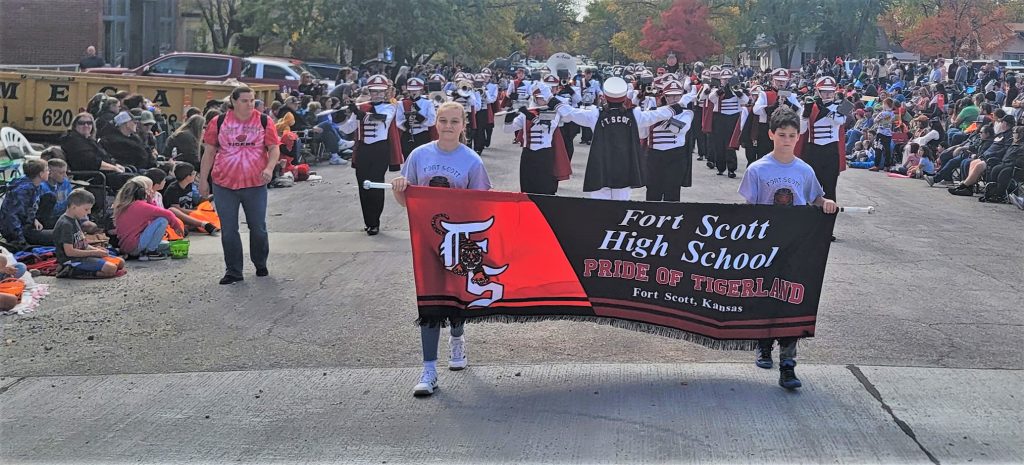
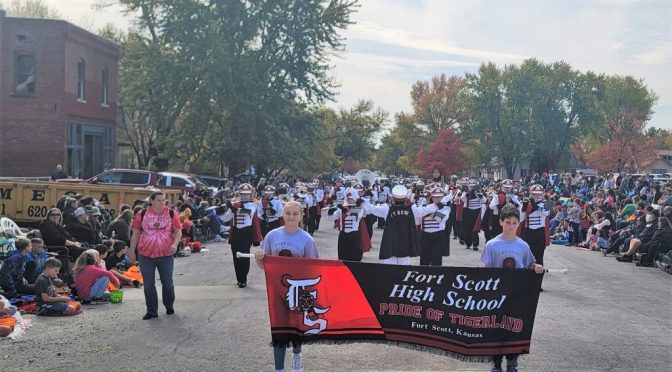
The Fort Scott Band earned a 1-rating this past weekend, marching in the Neewollah Parade in Independence, KS.
“Thirty-four students were in the parade,” Justin Robinson, FSHS Band Director said. “And two middle school students were carrying the banner.
” The scale is 1-5, with top indicating a superior rating, ” he said. They will receive a plaque for this rating.
FSHS Band participated in the Neewollah Grand Parade on Saturday, October 29th. “This is the first parade, we will plan on doing the Fort Scott Christmas Parade”(on Dec. 1), he said.
“There were a total of 32 bands that participated in the parade this year and a total of 123 entries in the parade, Robinson said.
The band works approximately fours hours a week on playing their musical instruments and marching.
“We meet 45 minutes a day,” he said. “We go to the auxiliary gym if it’s raining. But we go out and hit the streets of Fort Scott when we can.”
The band also plays all the high school home games.
This is Justin Robinson’s second year as the band director.


The Kiwanis Club of Fort Scott Pioneers will hold their 34th annual Chili Feed on Thursday, November 10 at the United Methodist Church at 301 South National in Fort Scott. “The annual fundraiser will be drive through only.” according to Kiwanis Pioneer President Millie Karleskint.
A meal of the Pioneers’ signature chili with crackers and a homemade cinnamon roll will be served from 11:00 a.m. to 1:30 p.m. and 4:00 p.m. – 6:00 p.m. for a free will donation (suggested minimum $7.00 donation per meal) to be collected at the door. Pick-ups will be available under the canopy on the National Avenue side of the church. Please take care not to block private driveways as you are waiting in line for service.
This is the Kiwanis Pioneers’ major fundraiser for the year. In keeping with the Kiwanis motto of “Improving the world one child and one community at a time”, the Pioneers support more than 40 community projects including College scholarships, CASA, the Backpack food program, FSHS Key Club, playground equipment, the Beacon, United Way, Foster Kids, Feeding Families in his Name, Care to Share, and school reading and arts programs. “All of the funds raised stay in Bourbon County” stated Karleskint.
Deliveries will be available for orders of ten or more by calling 620-224-0563 during serving hours.
######
Even though we didn’t get enough rain last week to be a true drought buster, we did receive enough moisture to get the cool season broadleaf weeds to germinate. My residence is in the far southern portion of Neosho county, and my lawn had been brown as brown could be for several months. However, I did notice over the weekend that the fescue was trying to green up and there were little green weeds poking through the soil. It was henbit!
Cool season broadleaf weeds such as henbit, dandelions and chick weed all germinate in the cool moist periods of September and October. It was actually a bit delayed this year because of the dry conditions. They overwinter as small plants, barely visible unless you get down close to the ground to look. Once warm weather arrives in the spring, the plants grow rapidly and flower.
Fall control is ideal for these cool season broadleaf weeds. The weeds are storing food in their roots and will send a leaf applied herbicide to their roots as well. The herbicides will translocate to the roots and will kill the plants from the roots up. These plants are also small and easily controlled right now.
There are several products on the market that are effective on these fall germinating weeds. Herbicides such as 2,4-D or combination products that contain 2,4-D, MCCP and Dicamba, sold under the trade names of Trimec, Weed-B-Gon, or Weed-Out, can be used. A product called Weed Free Zone is also an option. It contains the three active ingredients mentioned above plus carfentrazone.
Newly planted lawns should not be treated with any herbicide until the new grass seedlings have been mowed two or three times depending on the product. Read and follow label directions closely.
Herbicide drift can be a problem during the spring when warm temperatures prevail along with winds. The cooler fall temperatures and the dormant state of most plants reduce this problem considerably, making it an ideal time for application.
As we enter November, it is also the time to give cool-season lawns the last nitrogen application of the season. Why November? November is a good time because it will really help the grass next spring. As the top growth slows due to the cool temperatures in November, grass plants continue making food (carbohydrates). Carbohydrates that are not used in growth are stored in the crown and other storage tissues in the plant. These reserves help the turfgrass green up earlier in the spring and sustain growth into May without the need for early spring nitrogen application.
How much fertilizer should you apply? One to 1½ pounds of actual nitrogen per 1,000 square feet of lawn area is sufficient. A quick nitrogen carrier such as urea or ammonium sulfate should be used.
Weed control is going to be more important this year than ever because our turf has taken such a hit from the drought. Because some of the turf may have actually died out, it makes the perfect opportunity for weeds to take over. Take action now to have a beautiful, weed-free lawn next spring!
Krista Harding is a K-State Research and Extension Agricultural agent assigned to Southwind District. She may be reached at [email protected] or 620-244-3826.
K-State Research and Extension is an equal opportunity provider and employer.