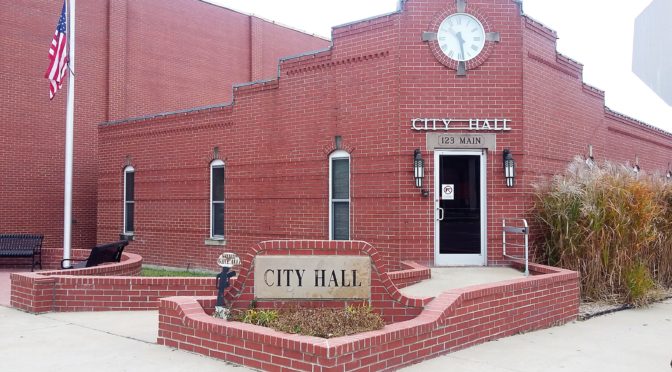
List of Upcoming City of Fort Scott Meetings

Several City of Fort Scott Meetings are planned next week:

DESIGN REVIEW BOARD MEETING

When: Tuesday, March 26th

Time: 4:00 pm

Location: City Hall

Topic for discussion: – Certificate of Appropriateness for 17 S. Main Street

The meeting is open to the public and the recording is available on YouTube.

For more information:  [email protected] or 620.223.0550


CITY COMMISSION WORK SESSION

When:  Tuesday, March 26th

Time: 6:00 pm

Location: City Hall

Topic for discussion: Lake Lots

The meeting is open to the public and the recording is available on YouTube.

For more information:  [email protected] or 620.223.0550


PLANNING COMMISSION MEETING – PUBLIC HEARING

When:  Wednesday, March 27th

Time: 4:00 pm

Location: City Hall

Topic for discussion: Case No. 1045 – Zoning Change C2 to R2

The meeting is open to the public and the recording is available on YouTube.

For more information:  [email protected] or 620.223.0550


Submitted by

Lisa A. Lewis, City Clerk

Live Jazz Performance On March 21 At Ellis Center

Sending on behalf of Chamber Member Gordon Parks Museum…

Live Jazz Performance!

Join the Gordon Parks Museum for a night of character and story of Gordon Parks expressed through LIVE Jazz Performance!

The Honorary Gordon Parks Quintet Featuring:

Nate McClendon – Saxophone

Paul Hunt – Trombone

Desmond Mason – Piano

Nsiko Dieu-aime – Bass

Robert Rodriguez – Drums

Free and Open to the Public

Thursday, March 21st, 2024

Danny & Willa Ellis Family Fine Arts Center

7:30pm

For more information contact the Gordon Parks Museum at 620.223.2700 ext. 5857

Thank you to our Chamber Champion members below!
Facebook Share This Email
Twitter Share This Email
LinkedIn Share This Email
Fort Scott Area Chamber of Commerce | 231 E. Wall Street, Fort Scott, KS 66701

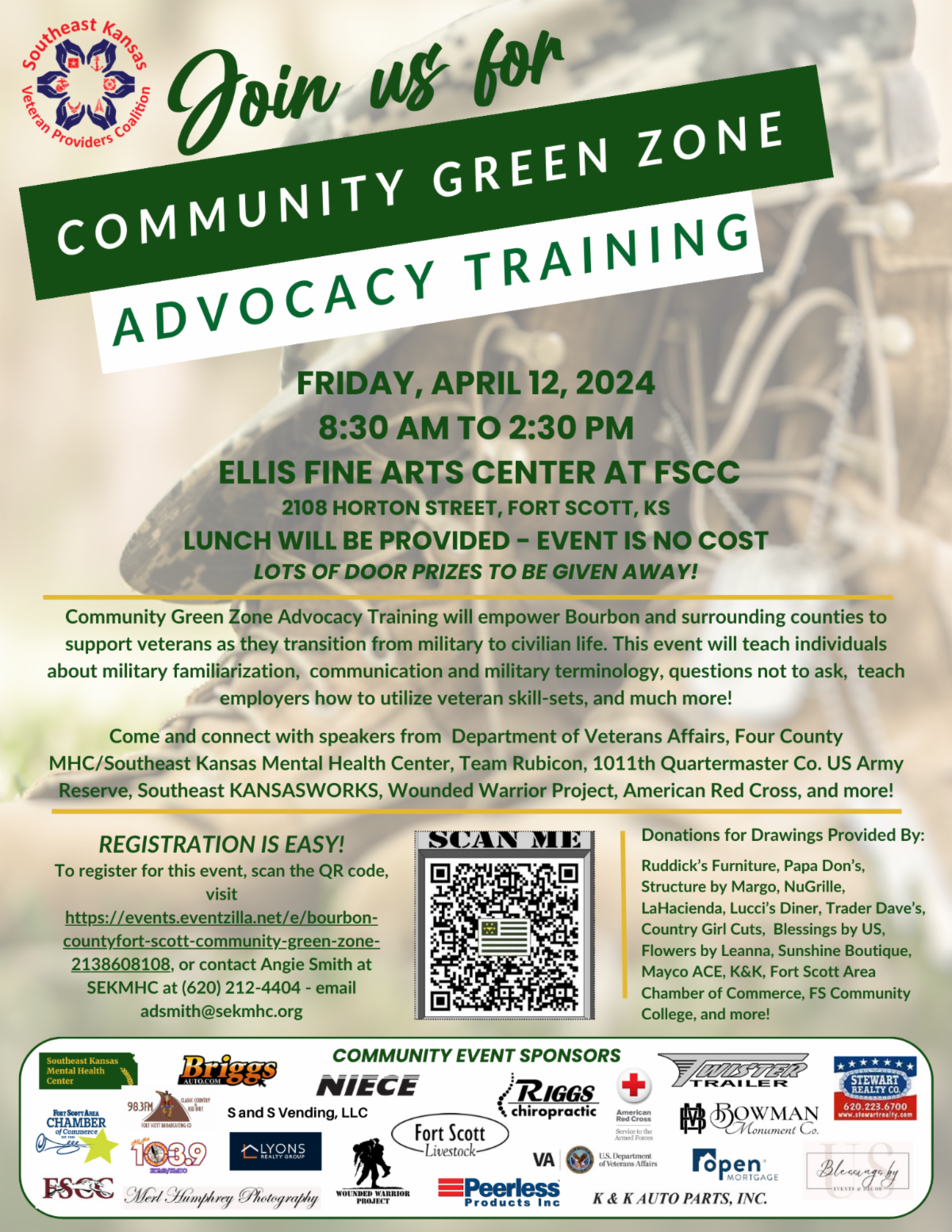
Veteran Support Training April12

Sending on behalf of Chamber Member Southeast Kansas Mental Health Center …

Community Green Zone Advocacy Training

Community Green Zone Advocacy Training will empower Bourbon and surrounding counties to support veterans as they transition from military to civilian life. This event will teach individuals about military familiarization, communication and military terminology, questions not to ask, teach employers how to utilize veteran skill-sets, and much more!

Come and connect with speakers from Department of Veterans Affairs, Four County MHC/Southeast Kansas Mental Health Center, Team Rubicon, 1011th Quartermaster Co. US Army Reserve, Southeast KANSASWORKS, Wounded Warrior Project, American Red Cross, and MORE!

To register for this event, scan the QR code on the flyer or visit https://events.eventzilla.net/e/bourbon-countyfort-scott-community-green-zone-2138608108 OR contact Angie Smith at SEKMHC at 620.212.4404 – email [email protected]

Thank you to our Chamber Champion members below!
Facebook Share This Email
Twitter Share This Email
LinkedIn Share This Email
Fort Scott Area Chamber of Commerce | 231 E. Wall Street, Fort Scott, KS 66701

New Service Offered at Bartelsmeyer Jewelry: Laser Engraving


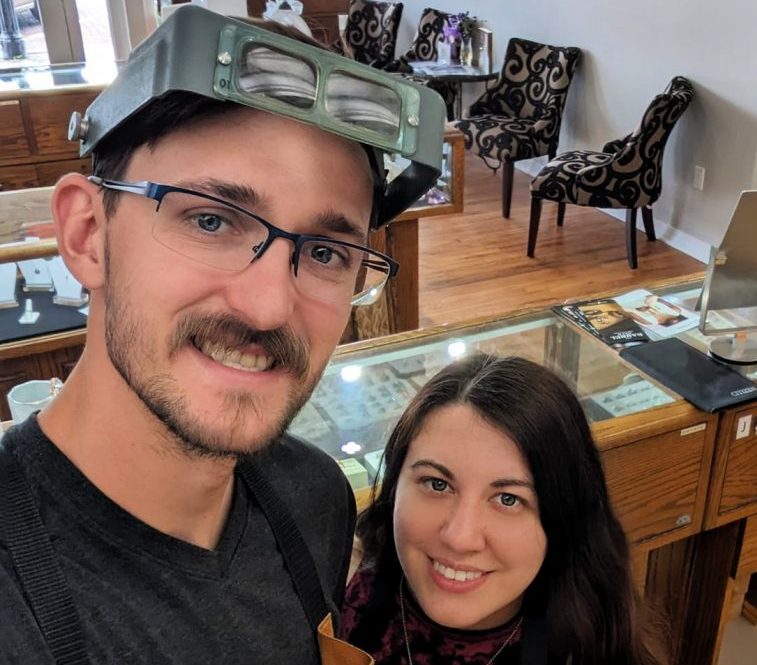
Wyatt and Krysta Hulbert in their store. Submitted photo.

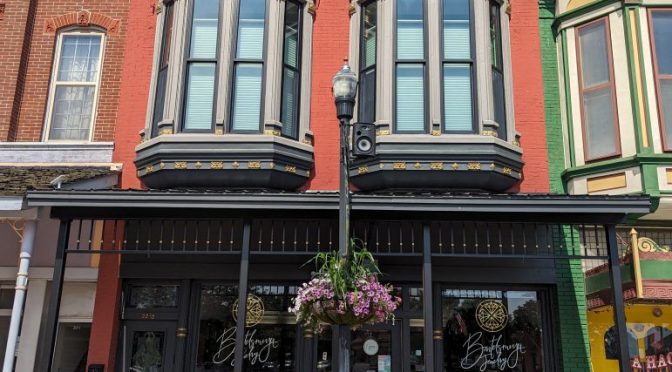
Bartelsmeyer Jewelry,  22 North Main in historic, downtown Fort Scott recently purchased a new laser tool for the store.

Wyatt and Krysta Hulbert are the owners of the store since July 2023, when they purchased it from John and Cindy Bartelsmeyer.

The  xTool P2, 55 Watt, CO2 laser engraver can cut through wood, multi-colored acrylics, leather and more, Krysta said.

Submitted photo.

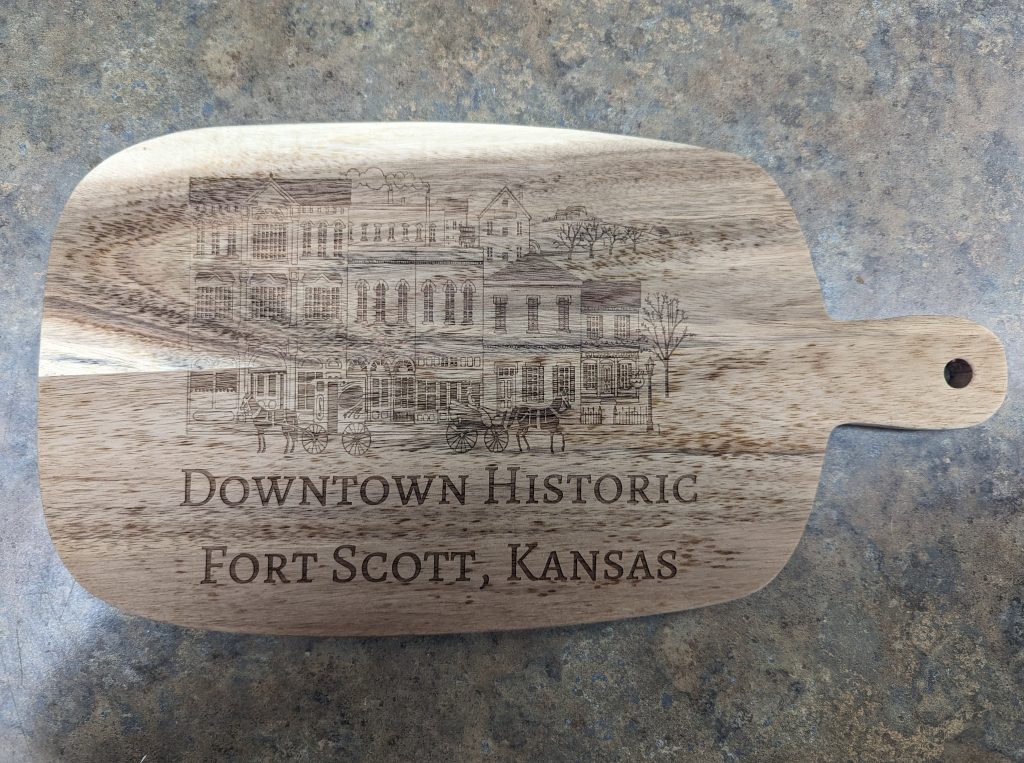
“We can also engrave pictures and designs on a diverse variety of materials such as paper, fabric, leather, acrylics, glass, slate coasters, phone cases, and wooden cutting boards,” she said. “With the addition of a special metal marking spray, we can create permanent etchings on the surface of several different types of metal as well.”

Submitted photo.

They purchased the new laser engraver in December of 2023 and spent a few months getting accustomed to the uses and creating displays to showcase what can be done.

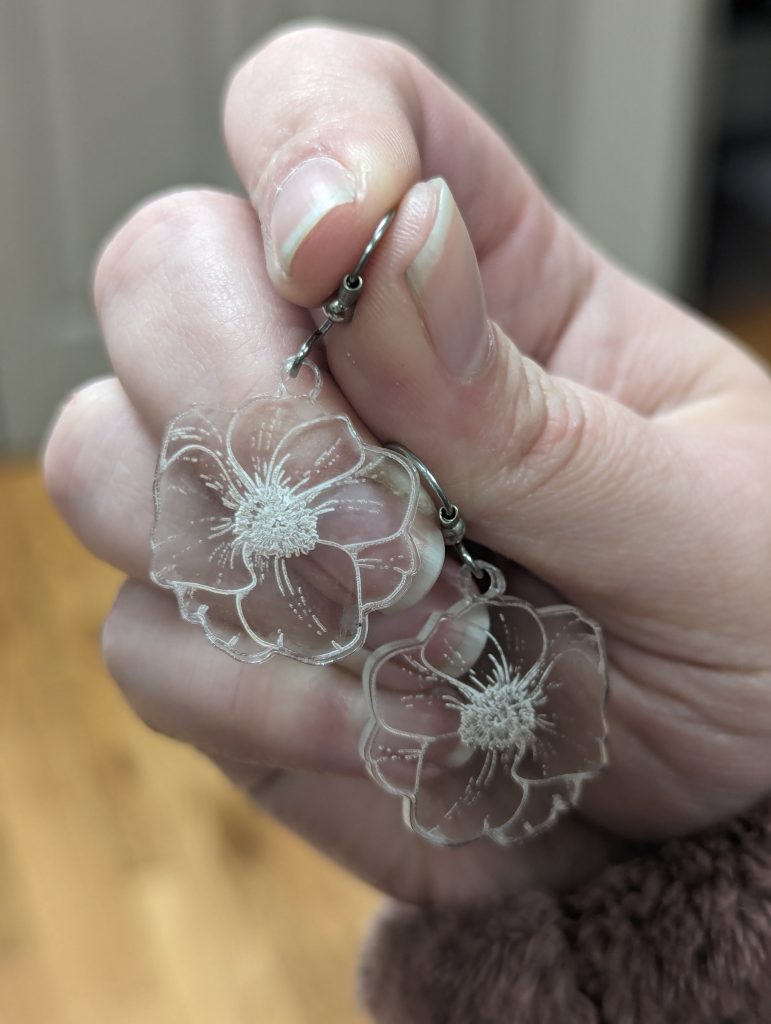
Submitted photo. Earrings made with the new laser.

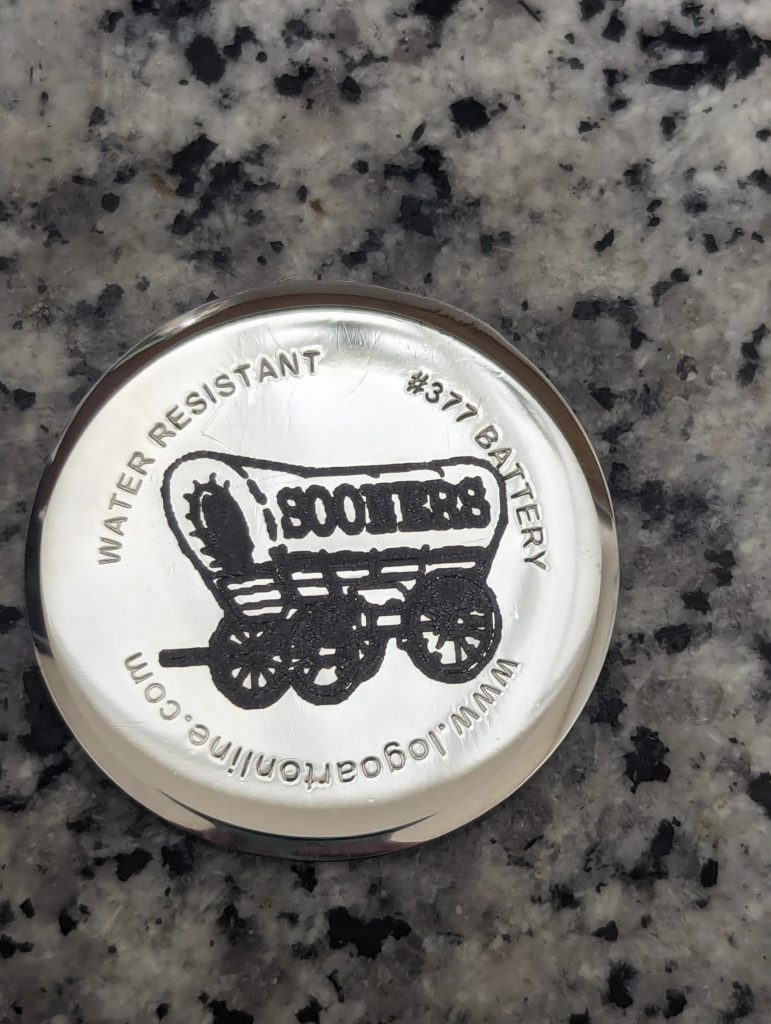
“So far, I have used our laser engraver to cut out and engrave acrylic and leather earrings, engrave a coated metal tumbler, engrave a wine glass, create a wooden photograph on basswood, and engrave a personalized wooden cutting board,” she said. “We have also engraved a stainless steel dog tag, and the back of a watch case using Cermark laser marking spray. As we continue working with this new equipment, I am sure we will find many more applications and uses.”

Submitted photo. A computer case engraved by Krysta Hulbert.

“The minimum charge to have an item that is laser engraved will be around $25, however, each project is different and will be quoted on a per-item basis,” she said.

Submitted photo.

About the store
The Hulberts provide other services/products to the community.

Jewelry repair, ring sizing, watch battery replacements and watch repair, stylus and laser engraving, buying and selling of gold and silver jewelry and coins, and custom jewelry design.

“We offer many products such as silver fashion jewelry, estate jewelry, diamond engagement rings, and many colored stone rings, necklaces, and bracelets,” she said. “We can special order a variety of gift items such as pen sets, jewelry chests, baby silverware, frames and piggy banks, and other specialty giftware items.”

“We have an amazing team working with us at Bartelsmeyer Jewelry,” she said. “You are sure to be met with a familiar, smiling face when you walk in our door!”

The team members include the  Hulberts, John Bartelsmeyer, Julie Kibble, Kerragan Davis, Sammie Ragan, Yvonne Holloway, and Anna Laubenstein.

Hours of operation are Tuesdays-Fridays from 10:00 am to 5:30 pm and on Saturdays from 10:00 am to 1:00 pm.

The store phone number: 620-223-2070
E-mail: [email protected]
Website: www.bartelsmeyerjewelry.com

AD: Kansas Recovery Institute Hiring For All Positions!

401 Woodland Hills Blvd. Kansas Renewal Institute, a behavioral healthcare treatment center will open soon.

The Kansas Renewal Institute, located at 401 Woodland Hills Blvd. in Fort Scott, is a pioneering behavioral healthcare center specializing in treating adults and adolescents.

Our mission is to provide exceptional, accessible behavioral health services across Kansas, fostering resilience and renewal in our communities.

Kansas Renewal Institute offers full-time, part-time, and per-diem employment for all persons wishing to become a part of an exciting team of behavioral health professionals.

We need dedicated, responsible, caring individuals who have a passion for assisting others throughout their treatment process.

Join Our Team!
If you have a passion for helping others, join Kansas Renewal Institute to be part of a team that is saving lives! Our team provides compassionate treatment for children, adolescents, and adults who are struggling with their mental health and/or substance
use concerns.

We work to meet each patient’s unique needs to help them achieve mental wellness so they can live happier lives full of hope.

Located in Fort Scott, our residential treatment programs provide modern, safe, and patient-friendly environments that encourage positive interactions conducive to health, hope, and healing.

Behavioral Health Technicians Needed: A Great Career Starter
Helping children as a Behavioral Health Technician (BHT) could be your calling! No experience, certification, or college degree is necessary – we will train you on the job! Applicants must be 20 years or older with a high school diploma or GED. As a BHT, you will provide care and support to patients ages 6 to 18 who are
struggling with their mental health. We invite you to be their bridge to better health!

Masters Level Therapist (must be licensed in Kansas or eligible for licensure):
Monday- Friday (days).

Case Manager: Monday-Friday (days).

Behavioral Health Technician providing direct care for Patients. Day, Night, and Weekend Shifts are needed.
(Applicants will be subject to a Drug Test and Background Check if hired)

If interested, please send an Inquiry to Jessica Allison @
jessica.allison@kansasrenewal.com

The beginning date is 03/25/2024.

Taking Care of Our Team

The heart of our work is helping people. That means offering our employees a robust benefits package that ensures they’re able to care for themselves and their families, while they help children in need. Benefits include:
 Competitive pay for the industry
 Medical plans with generous employer contribution
 Tuition, CEU and licensure reimbursement
 Generous paid time off
 A strong focus on promoting internally
 Commitment to diversity, equity, inclusion and belonging
 AND MUCH MORE!

**Must be at least 20 to apply.

If interested, please send an Inquiry to Jessica Allison @
jessica.allison@kansasrenewal.com

Measles Are On The Rise: Vaccines Are Encouraged

Submitted by Becky Johnson, BSN-RN
Administrator/SEK Local Health Officer

Increase in Global and Domestic Measles Cases and Outbreaks: Ensure Children in the United States and Those Traveling Internationally 6 Months and Older are Current on MMR Vaccination

Health Alert Network logo.
HAN_badge_HEALTH_ADVISORY_320x125

Distributed via the CDC Health Alert Network
March 18, 2024, 12:30 PM ET
CDCHAN-00504

Summary
The Centers for Disease Control and Prevention (CDC) is issuing this Health Alert Network (HAN) Health Advisory to inform clinicians and public health officials of an increase in global and U.S. measles cases and to provide guidance on measles prevention for all international travelers aged ≥6 months and all children aged ≥12 months who do not plan to travel internationally. Measles (rubeola) is highly contagious; one person infected with measles can infect 9 out of 10 unvaccinated individuals with whom they come in close contact. From January 1 to March 14, 2024, CDC has been notified of 58 confirmed U.S. cases of measles across 17 jurisdictions, including seven outbreaks in seven jurisdictions compared to 58 total cases and four outbreaks reported the entire year in 2023. Among the 58 cases reported in 2024, 54 (93%) were linked to international travel. Most cases reported in 2024 have been among children aged 12 months and older who had not received measles-mumps-rubella (MMR) vaccine. Many countries, including travel destinations such as Austria, the Philippines, Romania, and the United Kingdom, are experiencing measles outbreaks. To prevent measles infection and reduce the risk of community transmission from importation, all U.S. residents traveling internationally, regardless of destination, should be current on their MMR vaccinations. Healthcare providers should ensure children are current on routine immunizations, including MMR. Given currently high population immunity against measles in most U.S. communities, the risk of widescale spread is low. However, pockets of low coverage leave some communities at higher risk for outbreaks.

Background
Measles is a highly contagious viral illness and can cause severe health complications, including pneumonia, encephalitis (inflammation of the brain), and death, especially in unvaccinated persons. Measles typically begins with a prodrome of fever, cough, coryza (runny nose), and conjunctivitis (pink eye), lasting 2 to 4 days before rash onset. The incubation period for measles from exposure to fever is usually about 10 days (range 7 to 12 days), while rash onset is typically visible around 14 days (range 7 to 21 days) after initial exposure. The virus is transmitted through direct contact with infectious droplets or by airborne spread when an infected person breathes, coughs, or sneezes, and can remain infectious in the air and on surfaces for up to 2 hours after an infected person leaves an area. Individuals infected with measles are contagious from 4 days before the rash starts through 4 days afterward.

Declines in measles vaccination rates globally have increased the risk of measles outbreaks worldwide, including in the United States. Measles cases continue to be brought into the United States by travelers who are infected while in other countries. As a result, domestic measles outbreaks have been reported in most years, even following the declaration of U.S. measles elimination in 2000. Most importations come from unvaccinated U.S. residents.

Measles is almost entirely preventable through vaccination. MMR vaccines are safe and highly effective, with two doses being 97% effective against measles (one dose is 93% effective). When more than 95% of people in a community are vaccinated (coverage >95%) most people are protected through community immunity (herd immunity). However, vaccination coverage among U.S. kindergartners has decreased from 95.2% during the 2019–2020 school year to 93.1% in the 2022–2023 school year, leaving approximately 250,000 kindergartners susceptible to measles each year over the last three years. Thirty-six states plus the District of Columbia (DC) had less than 95% MMR coverage among kindergartners during the 2022–2023 school year. Of states with less than 95% MMR coverage, ten reported more than 5% of kindergartners had medical and nonmedical exemptions, highlighting the importance of targeted efforts at increasing vaccine confidence and access.

Recommendations for Healthcare Providers

  • Schools, early childhood education providers, and healthcare providers should work to ensure students are current with MMR vaccine.
    • Children who are not traveling internationally should receive their first dose of MMR at age 12 to 15 months and their second dose at 4 to 6 years.
  • All U.S. residents older than age 6 months without evidence of immunity who are planning to travel internationally should receive MMR vaccine prior to departure.
    • Infants aged 6 through 11 months should receive one dose of MMR vaccine before departure. Infants who receive a dose of MMR vaccine before their first birthday should receive two more doses of MMR vaccine, the first of which should be administered when the child is age 12 through 15 months and the second at least 28 days later.
    • Children aged 12 months or older should receive two doses of MMR vaccine, separated by at least 28 days.
    • Teenagers and adults without evidence of measles immunity should receive two doses of MMR vaccine separated by at least 28 days.
  • At least one of the following is considered evidence of measles immunity for international travelers: 1) birth before 1957, 2) documented administration of two doses of live measles virus vaccine (MMR, MMRV, or other measles-containing vaccine), or 3) laboratory (serologic) proof of immunity or laboratory confirmation of disease.
  • Consider measles as a diagnosis in anyone with fever (≥101°F or 38.3°C) and a generalized maculopapular rash with cough, coryza, or conjunctivitis who has recently been abroad, especially in countries with ongoing outbreaks. When considering measles, then:
    • Isolate: Do not allow patients with suspected measles to remain in the waiting room or other common areas of a healthcare facility; isolate patients with suspected measles immediately, ideally in a single-patient airborne infection isolation room (AIIR) if available, or in a private room with a closed door until an AIIR is available. Healthcare providers should be adequately protected against measles and should adhere to standard and airborne precautions when evaluating suspect cases, regardless of their vaccination status. Healthcare providers without evidence of immunity should be excluded from work from day 5 after the first exposure until day 21 following their last exposure. Offer testing outside of facilities to avoid transmission in healthcare settings. Call ahead to ensure immediate isolation for patients referred to hospitals for a higher level of care.
    • Notify: Immediately notify state, tribal, local, or territorial health departments (24-hour Epi On Call contact list) about any suspected case of measles to ensure rapid testing and investigation. States report measles cases to CDC.
    • Test: Follow CDC’s testing recommendations and collect either a nasopharyngeal swab, throat swab, and/or urine for reverse transcription polymerase chain reaction (RT-PCR) and a blood specimen for serology from all patients with clinical features compatible with measles. RT-PCR is available at many state public health laboratories, through the APHL Vaccine Preventable Disease Reference Centers, and at CDC. Given potential shortages in IgM test kits, providers should be vigilant in contacting their state or local health department for guidance on testing.
    • Manage: In coordination with local or state health departments, provide appropriate measles post-exposure prophylaxis (PEP) as soon as possible after exposure to close contacts without evidence of immunity, either with MMR (within 72 hours) or immunoglobulin (within 6 days). The choice of PEP is based on elapsed time from exposure or medical contraindications to vaccination.

Recommendations for Health Departments

Measles is an immediately notifiable disease. State, tribal, local, and territorial health departments have the lead in disease investigations and should report measles cases and outbreaks within 24 hours through the state health department to CDC ([email protected]) and through NNDSS.

  • Establish measles case reporting from healthcare facilities, providers, and laboratories to public health authorities.
  • If measles is identified, conduct active surveillance for additional (secondary) cases and facilitate transportation of specimens immediately to confirm diagnosis.
  • Record and report details about cases of measles, including adherence to recommended precautions and facility location(s) of index and secondary cases.
  • Enhance outreach and communications to under-vaccinated communities through trusted messengers.

Recommendations for Parents and International Travelers

  • Even if not traveling, ensure that children receive all recommended doses of MMR vaccine. Two doses of MMR vaccine provide better protection (97%) against measles than one dose (93%). Getting MMR vaccine is much safer than getting measles, mumps, or rubella.
  • Anyone who is not protected against measles is at risk of getting infected when they travel internationally. Before international travel, check your destination and CDC’s Global Measles Travel Health Notice for more travel health advice, including where measles outbreaks have been reported.
  • Parents traveling internationally with children should consult with their child’s healthcare provider to ensure that they are current with their MMR vaccinations at least 2 weeks before travel. Infants aged 6 to 11 months should have one documented dose and children aged 12 months and older should have two documented doses of MMR vaccine before international travel. Depending on where you are going and what activities you plan, other vaccines may be recommended too.
  • After international travel, watch for signs and symptoms of measles for 3 weeks after returning to the United States. If you or your child gets sick with a rash and a high fever, call your healthcare provider. Tell them you traveled to another country and whether you or your child have received MMR vaccine.

For More Information

The Centers for Disease Control and Prevention (CDC) protects people’s health and safety by preventing and controlling diseases and injuries; enhances health decisions by providing credible information on critical health issues; and promotes healthy living through strong partnerships with local, national and international organizations.

Department of Health and Human Services

HAN Message Types

  • Health Alert: Conveys the highest level of importance about a public health incident.
  • Health Advisory: Provides important information about a public health incident.
  • Health Update: Provides updated information about a public health incident.

###
This message was distributed to state and local health officers, state and local epidemiologists, state and local laboratory directors, public information officers, HAN coordinators, and clinician organizations.
###

Obituary of Shirley Custodio Spaulding

Shirley Custodio Spaulding, age 63, resident of Austin, AR, and more recently of Fort Scott, KS passed away Sunday, March 17, 2024.  She was born in Siruma Camarines Sur, Philippines.

She was married but divorced shortly after she moved to the United States.  She then raised her 6 children by herself in a country where she barely understood English. So, she was a very strong woman.

She was a survivor of trauma in the Philippines and many more here in the United States.  But she did it because of her faith in God and Jesus Christ. She prayed often.

She loved her family dearly and would do anything for them. She was proud of her children and grandchildren, bragging about them often.

Her spouse for 35 years was James Spradlin.

She had breast cancer 2 years ago. A month later she needed brain surgery.  Then last year in October 2023, cancer returned in her back, brain, lungs, and bone. Shirley then decided to move to Fort Scott, KS in February 2024, to be closer to her family. She was establishing care and treatment at KU Cancer Center in Overland Park, KS.  But she lost her battle with cancer and passed away at Freeman Hospital in Joplin MO Sunday morning.


She loved spending time in nature, gardening, landscaping, cooking, karaoke, dancing, fishing, playing bingo, lottery scratch-offs, collecting antiques, and so much more. She was always active doing something. She was always making sure everyone around her was taken care of and happy. She sacrificed so much for her children.


Survivors include James Spradlin of the home; her children and grandchildren, Anthony Spaulding- 5 children, Chrystaleah Doherty & Shane Doherty (son in law) – 5 children, Lyzl Spaulding- 2 children, Angela Collet, Casey Spaulding & Marsha Walker (daughter in law) – 5 children, and Shane Spaulding & Elizabeth Underwood (daughter in law) – 4 children.


Private family services are under the direction of the Cheney Witt Chapel, 201 S. Main St., Fort Scott, KS.  Words of remembrance may be submitted to the online guestbook at cheneywitt.com.

St. Mary’s Catholic School Dinner and Auction is April 13

Sending on behalf of Chamber Member Saint Mary’s Catholic School…

Dinner + Auction

You’re invited to Saint Mary’s Dinner + Auction at Liberty Theatre!

Featuring: Premium Full Course Meal catered by Crooner’s + Open Bar

Auction:

Live and Silent Unique and exclusive items, packages +collectibles

Details: 13th of April 2024 | 5pm

The Liberty Theatre

Cocktail Attire

Tickets on sale March 18th

More information to come via Facebook @ Saint Mary’s Catholic Dinner and Auction

All proceeds to benefit St. Mary’s Catholic School

Thank you to our Chamber Champion members below!
Facebook Share This Email
Twitter Share This Email
LinkedIn Share This Email
Fort Scott Area Chamber of Commerce | 231 E. Wall Street, Fort Scott, KS 66701

HBCAT Receives Sunflower Foundation Capacity Building Grant

The Healthy Bourbon County Action Team located on North National Avenue.

Fort Scott, Kan. – The Healthy Bourbon County Action Team recently received a $23,212 capacity building grant from Sunflower Foundation through an initiative to support the core operating capacities of nonprofit organizations across the state that are working to meet the critical health needs of their communities. This Request for Proposals (RFP) process was one of the most competitive in the foundation’s history, attracting almost 300 applications.

The Healthy Bourbon County Action Team was one of 65 organizations to receive a Sunflower Foundation capacity-building grant. These grants are designed to provide nonprofits’ needed flexibility and the necessary time to determine how they might strengthen their internal capacity to realize their missions, better serve their communities, and bolster their impact. The grant program also provides The Healthy Bourbon County Action Team with opportunities to attend high-caliber learning collaboratives and skill-building workshops supported by Sunflower.


“This grant will allow us to hire accounting and grant administration assistance to expand both HBCAT efforts locally and Rural Community Partners regionally.” States HBCAT’s President and CEO, Jody Love.


This grant funding opportunity focused specifically on organizations serving diverse populations and those that provide a wide range of services, including health care, housing supports, community safety, economic development, education, food security, social cohesion, social justice, and transportation. Applicant organizations were prioritized to receive funds based on need, the organization’s focus on underserved communities, and those organizations with more limited access to resources.


“Nonprofits are the lifeline of our communities,” said Sunflower Foundation President and CEO Billie Hall. “We are honored to call these organizations partners in our mission to improve the health and wellbeing of all Kansans and look forward to working with them in the future.”


A diverse team of experts representing the fields of public health, mental health, economic and rural development, health care, health equity, and aging, among others, provided in-depth reviews of each application. To learn more about the capacity building program and see a full list of this year’s grantees, go to the Capacity Building Grants web page.


###


ABOUT The Healthy Bourbon County Action Team

The Healthy Bourbon County Action Team’s mission is to increase access to healthy food and physical activity, promote commercial tobacco cessation, enhance quality of life and encourage economic growth. The problems of health inequity and social injustice are complex in nature and inextricably linked to key economic indicators. A healthy workforce is a prerequisite for economic success in any industry and in all cities. Our solution to building healthy communities is by transforming power, building trust, and encouraging community participation. Comprehensive strategy for change includes local organizing, strategic communication, community research, creating systems, and environmental changes.

Spark Wheel Receives Kansas Dept. For Children and Families Grant

DCF announces 2Gen Kansas program grantees

Kansas to invest nearly $11.5 million to reduce intergenerational poverty to stabilize and empower families

TOPEKA – The Kansas Department for Children and Families (DCF) today announced a new approach to improving the health, social, and economic outcomes of the next generation. By utilizing $11.5 million of the agency’s Temporary Assistance for Needy Families (TANF) funding, DCF is launching 2Gen Kansas.

The two-generation (2Gen Approach), led by Ascend at the Aspen Institute, works to end intergenerational poverty by supporting children and their parents or care providers – as a family unit – to move the whole family forward. Ten organizations will receive funding.

“We believe this approach will build family well-being by intentionally and simultaneously working with children and the adults in their lives,” said DCF Secretary Laura Howard. “This support will increase opportunities for families to become stable, connected and empower them to progress towards their personal, educational and career goals.”

The agencies will serve as an access point by assisting families in applying for programs such as Food Assistance, also known as SNAP, USDA Commodity Programs, Child Care Assistance, Low Income Energy Assistance Program, and Vocational Rehabilitation Services. They will be required to participate in ongoing training and collaborative meetings and recommend one parent being served by their organizations to serve on a statewide 2Gen parent advisory council.

“It will result in coordinated access to systems and structures that are necessary for families to thrive economically and socially,” she continued.

“Kansas DCF joins a growing number of state agencies implementing 2Gen approaches to unlock the potential of children and their families together,” said Marjorie Sims, Managing Director of Ascend at the Aspen Institute. “Adopting this family-centered mindset not only boosts the well-being of children and their parents, but it also offers a model to better integrate the systems of support for these communities. We are energized by DCF’s investment in families, which is a culmination of years of work from family-serving organizations across the state and country.”

The 10 contracts will be in place from July 1, 2024, to June 30, 2026, with an optional renewal of one additional two-year grant. DCF received 24 proposals and has awarded the grants to the following community partners:

Recommended Agency

Counties Served

Award Amount

International Rescue Committee

Sedgwick

$543,770.30

Mental Health Association of South-Central Kansas, Inc.

Barber, Butler, Cowley, Elf, Greenwood, Harper, Kingman, Pratt, Sedgwick, Sumner

$409,053.04

Kansas Alliance of Boys & Girls Clubs

Atchison, Brown, Douglas, Geary, Jackson, Jefferson, Johnson, Montgomery, Pottawatomie, Reno, Riley, Sedgwick, Shawnee

$3,487,725.00

FosterAdopt Connect

Johnson, Wyandotte, Cherokee, Bourbon

$295,396.00

Mirror, Inc.

Shawnee, Jackson, Jefferson, Osage, Douglas, Wabaunsee, Pottawatomie

$350,000.00

KVC Behavioral Healthcare, Inc

Chautauqua, Montgomery, Labette, Cherokee, Crawford, Neosho, Wilson, Woodson, Allen, Bourbon, Linn, Anderson, Coffey, Osage, Franklin, Miami, Douglas, Shawnee, Wabaunsee, Pottawatomie, Jackson, Marshall, Nemaha, Brown, Doniphan, Atchison, Jefferson

$1,891,435.17

Connections to Success

Wyandotte, Leavenworth, Johnson

$878,190.82

Children First

Sedgwick

$300,000.00

O’Connell Children’s Shelter

Douglas

$609,447.84

SparkWheel (formerly known as Communities in Schools)

Bourbon, Butler, Crawford, Douglas, Finney, Ford, Franklin, Labette, Lyon, Marshall, Montgomery, Neosho, Shawnee, Wilson, Wyandotte

$2,726,941.91

Total

$11,491,960.08

International Rescue Committee, Community Connections: The goal of Community Connections is to help close the gap in accessible, sustainable poverty reduction services by providing primary prevention and early intervention services to 120 families with children under the age of 18 in Sedgwick County within a two-year period. While the program serves all families who meet eligibility criteria, it specializes in serving families who have experienced forced displacement and trauma and who may not be able to be served by other organizations due to low or no English language literacy. Community Connections uses 2Gen approaches that provide child-centered, family-based programming that meets the needs of all family members and that is coordinated and complementary to existing resources in the community. The program will use specific trauma-informed strategies to increase stability, grow social connections, decrease maltreatment risk, and move families toward personal and family goals.

Mental Health Association of South Central Kansas, Inc: Service provisions will include familial case management, family mentoring, parental and familial education utilizing the Strengthening Families curriculum, and access to mental health/or substance use treatment. The organization will track outcomes for children and caregivers simultaneously, as well as goals focusing on the entire family; to offer comprehensive wrap-around services designed to empower families to make progress towards eliminating the cycle of poverty. Youth will receive mentoring and leadership skills training to propel them forward, while parents will receive parent training, prosocial skills, and assistance with job seeking. The entire family will receive mental health services, education in communication and boundaries, and mentoring support.

Kansas Alliance of Boys & Girls Clubs, BGC Statewide 2Gen Project: The Alliance will provide subgrants to 13 partner Boys & Girls Clubs who will, together with 27 partner organizations, expand opportunities for low-income children and families to increase their economic stability, make progress on their educational goals, deepen their social connections, and improve their health and well-being. The Alliance will focus on the Child-Parent approach. Performance measures for youth include on-time grade progression, career exploration, financial literacy, improved social adjustment, and social-emotional skills. Performance measures for adults include increased knowledge of strategies to support their children’s learning, increased economic stability, increased confidence in raising healthy children, and increased knowledge of how to access health insurance for themselves and their children.

FosterAdopt Connect, Kinship Navigator Program: The program will combat intergenerational poverty by supporting relatives and kin taking placement of children who would otherwise be placed in non-kin foster homes. The proposed project aims to take advantage of the surging population of relatives and kin providing care to non-biological children (including grandparents, aunts, uncles, and other kin) in Kansas and maintain the placement of children in these households by providing Kinship Navigator services and financial assistance.

Mirror, Inc., Work for Success Program: Work for Success will support the formation and maintenance of two-parent families through healthy relationship skills training, parenting connections training, prosocial leisure, and educational activities for families, as well as Personal and Professional Development (PPD) courses. PPD will assist unemployed or underemployed parents with employment, achieving financial independence, and providing stable homes for their children.

KVC Behavioral Healthcare, Inc., 2Gen Program: KVC will provide one-on-one, in-home, virtual, and group interventions to families with essential resources and referrals, ultimately addressing the underlying risk factors contributing to poverty. A Family Navigator will assess the entire family and provide or connect with various services that meet the family’s needs. In conjunction with the family, the Family Navigator will create an individualized service plan to assist the family in reducing risks associated with poverty, improving overall stability, and strengthening protective factors.

Connections to Success 2Gen Program: Connections to Success offers a range of services that align with the 2Gen model. Services include evidence-based Personal and Professional Development Training for parents/caregivers (accompanied by individualized coaching/case management from Life Transformation Coaches, linkages to career training and education, and placements in jobs paying above the minimum wage); best practices in building social capital (through community connections, mentoring, and peer support activities); the evidence-based Strengthening Families program, plus academic enrichment programming, and social-emotional skill-building provided by Heartland 180; resources and services (by referral) for housing, transportation, child support, legal assistance, health care, and behavioral health services, and opportunities for parents/caregivers and adolescents to participate in human trafficking prevention education.

Children First: The program will impact both parents and children who are living in poverty through a three-generation approach and a combination of services using activities that are evidence-based or evidence-informed and other supports. Senior citizens serving in a “grandparent role” will mentor, encourage, and follow families through their journey out of poverty. Priority will be given to families experiencing or in danger of experiencing a housing crisis and families experiencing poverty.

O’Connell Children’s Shelter, Generations Program. The program will function as One Complete Solution for Douglas County families at risk of encountering the child welfare and juvenile justice systems by providing whole-family services aligned with the evidence-based Homebuilders program model. Homebuilders is a home- and community-based intensive family preservation services treatment program designed to avoid unnecessary placement of children and youth into foster care, group care, psychiatric hospitals, or juvenile justice facilities.

SparkWheel (formerly Communities in Schools): SparkWheel strives to break the cycle of generational poverty by placing staff to work full-time daily inside schools to partner with teachers, mobilize the community, and offer extra help for students to thrive. The program will target family members and students in pre-K through college attending 43 schools in 15 geographically diverse counties across Kansas in both rural and urban settings.

###

The Kansas Department for Children and Families (DCF) mission is to protect children, strengthen families, and promote adult self-sufficiency. DCF’s more than 35 service centers across the state offer a wide range of support services, including food, utility, child care assistance, child support services, and employment education and training. DCF also partners with grantees to provide foster care services to children, including case planning, placement, life skills, and foster parent recruitment and training. DCF works in partnership with organizations, communities, and other agencies to support families, children, and vulnerable adults, connecting them with resources, supports, and networks in their home communities.

Are You A Friend of The Fort?

Sending on behalf of Chamber Member Friends of the Fort Scott National Historic Site…

Membership Drive

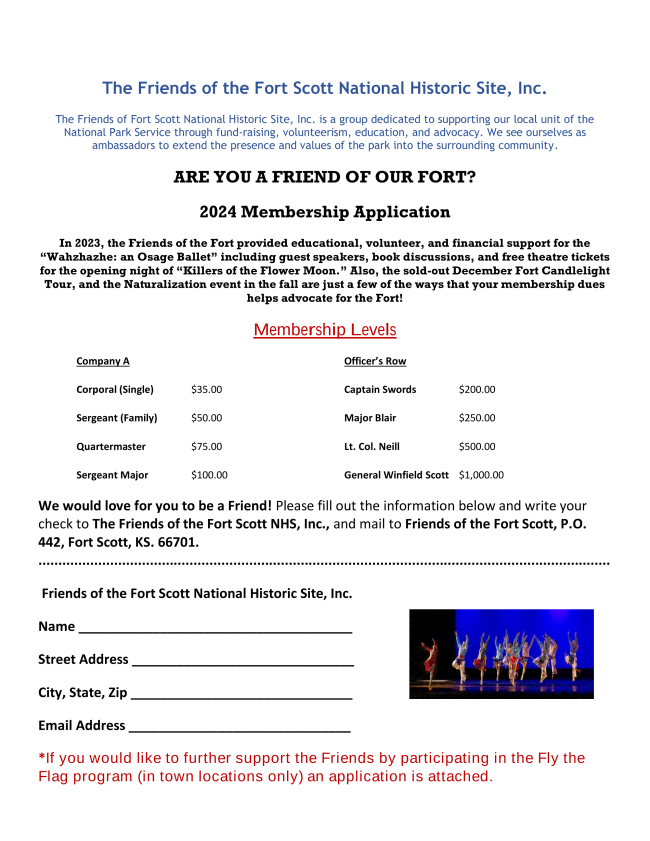
The Friends of the Fort Scott National Historic Site, Inc. is a group dedicated to supporting the local unit of the National Park Service through fund-raising, volunteerism, education, and advocacy.

Are you a friend of our Fort?

In 2023, the Friends of the Fort provided educational, volunteer, and financial support for the “Wahzhazhe: an Osage Ballet” including guest speakers, book discussions, and free theatre tickets for the opening night of “Killers of the Flower Moon.” Also, the sold-out December Fort Candlelight Tour, and the Naturalization event in the fall are just a few of the ways that your membership dues helps advocate for the Fort!

Click here for a printable application!

Thank you to our Chamber Champion members below!
Facebook

Bourbon County Local News