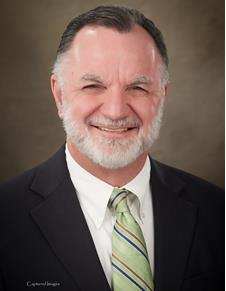
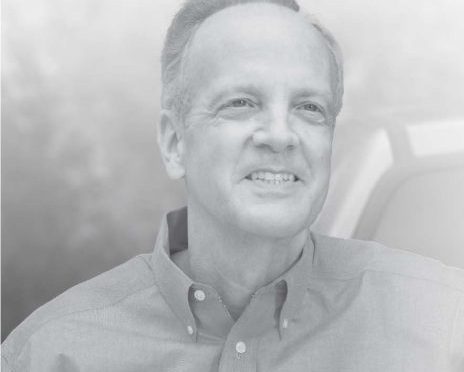
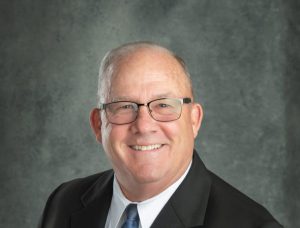
Gregg Motley announces that he has filed for reelection to serve as District 4 County Commissioner to serve the constituents, elected officials, and employees of Bourbon County.
“The Kansas Secretary of State assigned term lengths to the two new districts created by the voters of Bourbon County. The commission gave a three-year term to the 5th District winner and I received a one-year term. Accordingly, I am running for a full four-year term to begin in 2027.”
When asked what his agenda is for the coming years, Motley, responded, “The hallmark of my service during my first term has been to work for fairness for employees, to respond to constituents in a timely and meaningful manner, and to steer the commission away from political in-fighting with other elected officials and return the focus to the business of the people.”
Additionally, Motley will focus his attention on returning fiscal responsibility to the county balance sheet, employing his degree in accounting, years of experience banking municipalities of all sizes, and graduate degree in management.
The budget year 2026 saw a dramatic cut in the mill levy, which many applauded, but left the county in a vulnerable position, as the cuts came at the expense of exhausting the financial reserves of the county.
“Right now, we are not in a position to go to the public markets with a bond issue if we are faced with a large expenditure, such as unexpectedly replacing infrastructure such as a bridge. Local banks are reluctant to lend the county money at advantaged rates given what they are seeing. My goal is to restore financial integrity to the county by building back reserves over time and resisting any growth in the mill levy by achieving operating efficiencies.”
Many candidates speak of operational efficiency, so it is natural to wonder how this situation might be different.
“We have some low-hanging fruit opportunities,” Motley explained. “We have three significant contracts for venders in Johnson County, which not only engage skillsets and software packages we already possess in the building, but also takes Bourbon County money and exports it to Johnson County. Having lived there, I know that we need that money much more than they do.”
In conclusion, Motley said, “This is a difficult position for which very few want to apply. This is a spiritual calling for me, to serve the county which gave me such a wonderful send off after a 45-year career in banking and business. I am determined to bring good governance back to the county if the voters in the 4th District will give me the chance.”
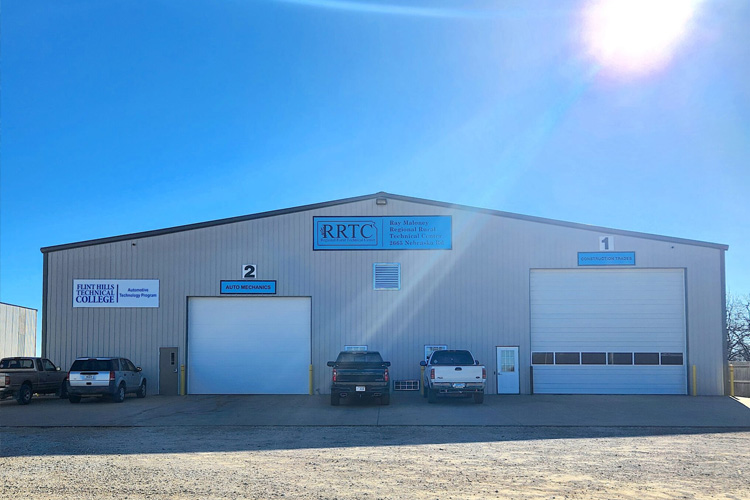
Flint Hills Technical College is seeking a full-time instructor for the Automotive Technology program, located in LaHarpe, KS, beginning with the Fall 2026 semester.
The successful candidate will have knowledge of the principles of operation for fundamental concepts of at least half of the following subjects:
Automotive Engines
Automotive Brakes
Electrical
Engine Performance
Automotive HVAC
Steering and Suspension
Automatic Transmissions/Transaxles
Manual Power Trains
Qualifications:
Associate’s Degree in related field required (or willingness to obtain within a specified timeframe); Bachelor’s degree preferred.
Minimum of two years’ work experience in the automotive field or two years of teaching experience in automotive education.
ASE Certifications in instructional areas (or ability to obtain certification within a specified timeframe).
Strong communication skills – both verbal and written
A Kansas teaching certificate is not a requirement for this position.
Salary and Benefits:
Full-time, 9-month position
A competitive salary range of $40,000-$54,000, commensurate with experience and education level
KPERS retirement plan
Employer-paid health insurance for the employee
Annual salary is distributed over 12 months
Flexible teaching schedule.
Application Process:
To apply, please send a cover letter, resume, unofficial college transcripts, and contact information for three professional references to Human Resources at [email protected].
The FHTC Board of Trustees reserves the right to withdraw positions prior to being filled.
Welcome to “Kansas Common Sense.” Thanks for your continued interest in receiving my weekly newsletter. Please feel free to forward it on to your family and friends if it would interest them.
Chairing Appropriations Subcommittee Hearing with Commerce Secretary Lutnick On Wednesday, as Chairman of the Senate Appropriations Subcommittee on Commerce, Justice and Science (CJS), I led a hearing with Secretary Howard Lutnick to discuss the President’s FY27 budget request for the Department of Commerce. I questioned Secretary Lutnick on the status of the department’s efforts to implement the Broadband Equity, Access and Deployment (BEAD) program, as well as its plan to utilize the program’s $21 billion in leftover allocations. I also emphasized the importance of these allocations being spent for the purposes of deploying broadband services across the U.S. to customers who would not otherwise be served.
During the hearing, I also asked Secretary Lutnick about the department’s efforts to modernize the NOAA’s Geostationary Extended Observations (GeoXO) satellite system to improve NOAA’s ability to provide accurate, lifesaving weather forecasting and monitoring data. Following the recent severe weather that has impacted communities across Kansas, I spoke to Secretary Lutnick about the importance of maintaining full staffing and 24/7 weather monitoring at National Weather Service (NWS) offices around the country to provide critical public safety information to communities. I also highlighted for the Secretary the important work being done at Kansas State University Salina Aerospace and Technology Campus through their pilot training program partnership with the NOAA Commissioned Officer Corps, preparing the next generation of students for careers operating aircraft for scientific research and environmental surveying.
You can watch my opening remarks here, as well as my questioning of Secretary Lutnick here and here.
Discussing USDA FY27 Budget Request with Secretary Rollins On Wednesday, U.S. Department of Agriculture Secretary Brooke Rollins testified before the Senate Appropriations Subcommittee on Agriculture to discuss UDSA’s operations and the department’s FY2027 budget request. I spoke with her about the importance of continuing to fund international food aid programs such as Food for Peace and the McGovern-Dole Food for Education Program, which use American-grown commodities to feed the hungry worldwide. We also discussed my efforts to move Food for Peace permanently to USDA, and how the department is temporarily taking on the program.
We also spoke about the National Bio and Agro-Defense Facility, or NBAF, and how Congress can work with the administration to make certain full operation and staffing of the facility is achieved in a timely manner. Last November, I urged USDA to pursue an exemption from the federal hiring freeze to hire necessary staff at NBAF. I am pleased that they responded to this call and are working to make certain NBAF is ready to take on the mission of the Plum Island Animal Disease Center.
We discussed the work USDA is doing to increase fertilizer access for producers, and I emphasized the importance of Congress and the administration working to help lower the cost of inputs. Finally, I asked that Secretary Rollins and USDA continue to engage with her colleagues in the administration to quickly finalize the 45Z tax credit to allow farmers and fuel producers to benefit from the production of biofuels made from home-grown feedstocks.
I appreciate Secretary Rollins appearing before the committee, and I look forward to working with her and USDA throughout the appropriations process and this year on ways to benefit rural America.
You can watch my questions to Secretary Rollins here.
Read more about my conversation with Secretary Rollins in The Topeka Capital Journal here.
Questioning HHS Secretary Kennedy on Bolstering Rural Health Care
This week, I participated in a Senate Appropriations Subcommittee on Labor, Health and Human Services, Education and Related Agencies (LHHS) hearing with Department of Health and Human Services Secretary Robert Kennedy Jr. to discuss the challenges facing our nation’s health care system and efforts to support rural health care.
During the hearing, I emphasized the workforce shortages that continue to impact hospitals in Kansas and across the country. I have visited every hospital in Kansas, and in my conversations with health providers, the most consistent challenge they face is the ability to recruit and retain doctors, nurses and other health care professionals. This issue is especially pronounced in rural communities, where access to care often depends on having the workforce in place to keep hospital doors open.
In my questioning, I also highlighted the Rural Health Transformation Program, which I worked to establish through the Reconciliation Bill. This program provides an opportunity for states like Kansas to invest in long-term solutions that strengthen the health care workforce, expand access to care and support rural providers.
In addition, I highlighted our work as part of the bipartisan 340B Working Group to find a path forward that strengthens and sustains the program for the patients and providers who rely on it. I will continue working to support policies and investments that help address workforce shortages and make certain Kansans have access to quality health care close to home.
You can watch my questioning of Secretary Kennedy here.
Questioning U.S. National Guard Leadership on KC-135 Tanker Fleet Modernization
On Tuesday, the Senate Appropriations Subcommittee for Defense heard testimony from General Steven Norsdhaus, Chief of the National Guard Bureau; Lieutenant General Robert D Harter, Chief of the Army Reserve; Rear Admiral Richard Lofgren, Acting Chief of the Naval Reserves; Lieutenant General Leonard F. Anderson IV, Commander of the Marine Corps Reserve; and Lieutenant General John P. Healy, Chief of Air Force Reserve.
I questioned General Nordhaus about the KC-46A mission and the Air Force’s plans to replace the KC-135 with the more modern KC-46A. Currently, the KC-135 is based at the 190th Air National Guard Refueling Wing in Topeka. The KC-135 is an aging fleet; most aircraft are over 60 years old. As the Guard and Reserve forces are becoming increasingly relied upon for both homeland and international missions, we must supply our Guard and Reserve forces with the necessary equipment to support the joint force.
As a senior member of the subcommittee, I look forward to working with my colleagues and the National Guard and Reserve leadership to best equip the Guard and Reserve with resources that allow them to mirror their active-duty counterparts and defend our country.
I continue to monitor developments in the Persian Gulf. President Trump this past week extended the original two-week ceasefire as efforts continue to resume direct negotiations while the United States maintains the blockade of the Strait of Hormuz. Despite the blockade, the extension of sanctions waivers on Russian oil sales is a mistake. The relief for American consumers is minimal, and it enriches the Kremlin at a time when Moscow had begun to feel economic pressure during its war against Ukraine. Further, I am concerned by reports of significant drawdowns in key munitions during this war that could leave our country unprepared to fight a sustained war elsewhere. As a member of the Defense Appropriations Subcommittee, my colleagues and I have sought to address this problem by strengthening our defense industrial base and increasing the speed of munitions output. It remains imperative that the administration provide Congress with up-to-date information on the war’s progress and the path to a durable peace.
The U.S. Needs Our NATO Allies Now More Than Ever
The ongoing U.S. military operation in Iran has created numerous consequences for both the U.S. and our NATO partners in Europe. High gas prices, heightened security threats and stalled trade through the Strait of Hormuz have led to frustrations that extend far beyond our borders.
Alliances are never free of frustrations as each member country prioritizes its own interests and foreign policy. But we should be careful to not overlook the ways our allies are quietly assisting the U.S. in the conflict against Iran.
The U.S. is stronger because of the willing and able partners in Europe with whom our global interests largely align. At a time when our nation’s own budgetary pressures and backlogged industrial base limit our ability to sustain force in multiple theaters simultaneously, we cannot afford to take them for granted. Indeed, we need them now more than ever and should treat them accordingly — as the valued allies they are.
Discussing Haskell University with Interior Secretary Burgum I met with Secretary of Interior Doug Burgum this week to discuss the future of Haskell Indian Nations University and how we can work together to provide long-term stability at the university. I emphasized the need for consistent leadership and highlighted my legislation to transition Haskell’s governance to a Board of Regents, which would strengthen accountability and continuity. I also encouraged the department to engage more directly on this effort and to support robust funding for Haskell in the upcoming budget cycle. I appreciate Secretary Burgum for meeting with me to discuss this important topic.
Receiving an Update from Acting U.S. Attorney General Todd Blanche
This week, I spoke with Acting U.S. Attorney General Todd Blanche about the Department of Justice’s (DOJ) priorities, including the importance of timely FY26 grant funding for Kansas law enforcement entities that rely on these resources to keep their communities safe. We also discussed the opportunity to establish a federal law enforcement training facility in Kansas, and I encouraged continued engagement from DOJ leadership to keep this effort moving forward. Thank you to Acting Attorney General Blanche for the conversation. As Chairman of the Senate Appropriations Subcommittee on Commerce, Justice and Science, I look forward to working with him and DOJ on continuing to support law enforcement in Kansas and across the country.
God of Grace and Glory
Appreciated this hymn from church on Sunday.
Lo’ the hosts of evil ’round us,
On Thy people pour your power,
Crown Thine ancient Church’s story,
Bring her bud to glorious flower
Cure Thy children’s warring madness,
Bend our pride to Thy control.
Shame our wanton selfish gladness,
Rich in thing and poor in soul.
Grant us wisdom, grant us courage,
For the living of these days,
For the living of these days.
Now Accepting 2026 Service Academy Applications
Applications are now open for students to apply to a United States Service Academy for the Class of 2031. One of my favorite duties as a U.S. Senator is appointing Kansans to the U.S. Military Academy in West Point, New York; the U.S. Naval Academy in Annapolis, Maryland; the U.S. Air Force Academy in Colorado Springs, Colorado and the U.S. Merchant Marine Academy in Kings Point, New York.
For the list of requirements and to apply, you can visit my website here. Applications must be submitted by 11:59 p.m. CT on September 18, 2026. After applications have been reviewed, applicants will be notified of interviews with my Service Academy Selection Board.
Honored to Serve You in Washington It is an honor to serve you in Washington, D.C. Thank you to the many Kansans who have been calling and writing in to share their thoughts and opinions on the issues our state and country face. I appreciate the words of Kansans, whether in the form of a form of letter, a Facebook comment or a phone call, who wish to make their voice heard.
Please let me know how I can be of assistance. You can contact me by email by clicking here. You can also click here to contact me through one of my Kansas offices or my Washington, D.C., office.
Very truly yours,
Jerry
To unsubscribe from this newsletter, please click here.
Pittsburg
306 N. Broadway, Suite 125 (rear entrance of bank)
P.O. Box 1372
Pittsburg, KS 66762
Phone: (620) 232-2286
Fax: (620) 232-2284
Lu’s Ice Cream is excited to celebrate our amazing local educators during
Teacher Appreciation Week (May 4–8, 2026)
And we’re inviting area businesses to be part of something special!
We’d like to extend a big THANK YOU to Kansas Teachers Community Credit Union for stepping up to help provide our local teachers with a free scoop of ice cream! We are incredibly grateful for their support.
However, in order to provide ALL USD 234 teachers with a free scoop, we are still in need of additional sponsors.
This is a fun and meaningful opportunity for your business to:
✨ Support our hardworking teachers
✨ Show your community involvement
✨ Gain positive exposure and goodwill
Businesses can contribute toward free scoop coupons that will be distributed to local teachers during the week. As a thank you, all coupons will recognize our generous sponsors.
No contribution is too small…every scoop helps us celebrate more teachers!
If your business is interested in sponsoring or would like more information, please reach out to:
Quarterly Downtown Meet & Greet scheduled for May 5th!
The Fort Scott Area Chamber of Commerce invites downtown business owners, representatives, and community members to attend:
Downtown Meet & Greet
Tuesday, May 5th
8am-9am
@ City State Bank, 202 Scott St.
These quarterly informal gatherings provide an opportunity to network, collaborate, and share ideas regarding downtown events, promotions, and other topics impacting our downtown district. Coffee, juice, and light refreshments will be provided.
The Fort Scott Area Chamber of Commerce invites members and guests to attend a Chamber Coffee on Thursday, April 30, at 8 a.m., hosted by Briggs of Fort Scott, located at 1819 S. Main St.
The event will be held in the north showroom building, with attendees entering through the south door. Coffee, juice, and light refreshments will be served, and attendees will have the opportunity to win a door prize.
Briggs of Fort Scott is celebrating a significant milestone, marking ten years of service to the community since opening its doors on March 16, 2016. Over the past decade, Briggs of Fort Scott has experienced steady growth and success, made possible by the continued support of the Fort Scott community and the surrounding four-state area.
Throughout its ten years, Briggs of Fort Scott has remained committed to serving its customers while building strong relationships throughout the region. The company extends its appreciation to the community for its ongoing support and looks forward to continued growth and service in the years ahead.
For more information, contact the Fort Scott Area Chamber of Commerce at (620) 223-3566 or visit the Events Calendar at fortscott.com and click on the “Chamber Coffees” category for upcoming hosts and locations.
Governor Kelly Signs Bipartisan Bill
Expanding Child Care Tax Credits
TOPEKA – Governor Laura Kelly today announced she has signed Senate Bill 82, which expands access to tax credits for employer expenses for child care and contributions to third parties that expand the availability of community child care. The bill also creates income tax credits for the sale of higher-ethanol blends of fuels and the purchase of lockable gun and ammunition storage.
“Throughout my administration, I have strived to make Kansas a place where people want to put down roots. Senate Bill 82 helps strengthen child care access while ensuring our economy remains healthy and thriving — making our state more appealing to workers, employers, and families alike,” Governor Laura Kelly said. “This is smart, commonsense legislation that will make our state stronger.”
Senate Bill 82 modifies credit percentages, allowable credit amounts, and eligible expenses for the existing child care assistance tax credit that provides a credit to employers who provide child care services to their employees. Businesses that pay for their employees’ child care services, establish or expand a child care program utilized by employees, or pay for referral services that connect employees to child care providers would now be eligible to receive a tax credit of 75% of the total amount the business expends on these services.
“Access to quality, affordable childcare is a hurdle for both employers and employees. I’m proud of the Legislature’s work to simplify and modernize the child care assistance tax credit,” said Senate Majority Leader Chase Blasi. “These improvements allow employers to invest more broadly in their communities to ensure our workforce remains strong.”
In addition, the bill would also allow businesses to receive an additional credit for donations made to organizations that expand access to child care services in the business’s community. Under these modernized tax credits, businesses could claim up to $100,000 in non-refundable credits per tax year and carry over any unused credit for up to three years.
“Access to high‐quality child care is essential for Kansas children, families, and our state’s economy. Kansas businesses want to be part of the solution and this bill streamlining the business tax credit for child care will make that more feasible,” said David Jordan, President of the United Methodist Health Ministry Fund. “Thanks to Governor Kelly and the Legislature for taking this important step to stimulate business investments in the early childhood system. It will benefit Kansas families and our economy.”
Senate Bill 82 also creates a non-refundable income tax credit of $0.05 for each gallon of E15 or higher-ethanol blend fuel sold at retail. This credit would be capped at $2.5 million per year. The bill also creates an individual income credit for the purchase of lockable gun and ammunition storage items and repeals certain other tax credits.
In addition to Senate Bill 82, Governor Kelly also signed the following bipartisan bills:
House Substitute for Senate Bill 51: Making changes related to responsibilities of the Executive Branch Chief Information Technology Officer (CITO); Executive Branch Information technology services, including telecommunications and cloud computing; and IT audit reporting requirements.
Senate Bill 300: Creating requirements for certain manufacturers of alcoholic liquor regarding corporation income tax and repealing certain statutory language.
Senate Bill 430: Including mitragynine, a psychoactive component of kratom, on schedule I of the Uniform Controlled Substances Act as well as reconciling two amendments to specific statutes regarding theft and expungement.
House Bill 2029: Reconciling amendments to statues that were amended more than once during the current and prior legislative sessions.
TOPEKA – Governor Laura Kelly has vetoed five bills.
The following veto message is from Governor Kelly regarding her veto of House Bill 2043:
“For the last several years, the Legislature has promised to solve the property tax issue for Kansans. This has always been a false promise. The only property tax that the state levies is 20 mills for public schools. All other property taxes are levied at the local level.
“Knowing that legislators were anxious to tell their constituents they had done something to alleviate their property tax burden this session, I offered a three pronged, workable approach: a one-time $250 reduction on their car tax; a permanent increase from $75k to $150K exemption from the state mill levy for schools on their home; and a $60million fund to help counties mitigate property tax increases.
“Legislative leadership never allowed legislators to discuss or vote on my proposal. Instead, they ramrodded through another sure-to-fail, untenable property tax bill.
“I don’t dispute that property taxes in Kansas are too high. I have been saying that since 2012 when the disastrous “tax experiment” focused on income tax reduction that primarily benefitted those at the top. Those ill-advised cuts drastically reduced revenues coming into state coffers. The state responded by, among other things, cutting support to local communities for vital services, leaving our counties and cities to pick up the slack. Those additional burdens make it very difficult for our municipalities to hold the line on property taxes.
“It is time for the Legislature to partner with our city and county officials to develop a strategy to reduce the property tax burden on their constituents and return to the balanced “three-legged stool” approach to taxes — sales, income and property — that Kansas needs to thrive.
“Therefore, under Article 2, Section 14(a) of the Constitution, I hereby veto House Bill 2043.”
The following veto message is from Governor Kelly regarding her veto of Senate Substitute for House Bill 2111:
“While HB 2111 may be well-intentioned, this legislation was not requested by the agri-tourism industry at large. Rather, it was requested by a single entity and rammed through the legislative process at the last minute. It is irresponsible for the Legislature to rush to amend state law on behalf of a single entity when the changes contained in this bill could have far-reaching negative consequences for the agri-tourism industry as a whole.
“Additionally, this bill overrides local governments’ ability to enforce their own building codes, regulations, and ordinances on the new class of agri-tourism entities created by this bill. I do not support the Legislature’s continued attempts to infringe on local control and this bill is another example of that. Cities and counties are best positioned to partner with agri-tourism businesses to develop and enforce regulatory structures that foster this diversified revenue stream while protecting the health and safety of Kansans.
“Therefore, pursuant to Article 2, Section 14(a) of the Constitution of the State of Kansas, I hereby veto Senate Substitute for House Bill 2111.”
The following veto message is from Governor Kelly regarding her veto of House Bill 2515:
“I have made it a priority during my administration to find ways to reduce the tax burden for Kansans, best evidenced by the elimination of both the food sales tax and the state income tax on social security. I have also made it a priority to protect the state’s ability to meet its obligations to fund schools, build roads, take care of foster children and other essential services, while ensuring the long-term financial health of the state. I have done this by consistently rejecting proposals that diminish state resources while benefitting just a select subsection of Kansas citizens. HB 2515 fits into that category.
“Therefore, under Article 2, Section 14(a) of the Constitution, I hereby veto House Bill 2515.”
The following veto message is from Governor Kelly regarding her veto of House Bill 2044:
“This bill contains issues that warrant serious discussion by the Legislature. The discussion should take place using traditional legislative procedures and within the context of other discussions related to taxes. Those discussions should then be juxtapositioned with budget issues to ensure that, should it be enacted, the state can continue to meet its obligations and remain fiscally sound long term.
“That process did not occur regarding this bill.
“Therefore, under Article 2, Section 14(a) of the Constitution, I hereby veto House Bill 2044.”
The following veto message is from Governor Kelly regarding her veto of House Bill 2763:
“I wholeheartedly believe that elementary students need a minimum of 30 minutes recess every school day. Recess contributes to the physical health of children and enhances their ability to learn. I also support implementation of a State Fitness Test to be administered annually, as required for participation in the federal Rural Health Transformation grant program.
“The leadership of State Board of Education and the Kansas State Department of Education have agreed to begin taking the steps to implement the Fitness Test once federal guidance is provided to states. They will further reaffirm their recommendation that elementary schools provide a minimum of 30 minutes of recess every school day and work with any school districts not currently following their recommendation to facilitate implementation wherever feasible.
“I appreciate the State Board of Education’s willingness to use its constitutional authority to modify curriculum requirements mandated in HB 2763.
“Therefore, under Article 2, Section 14(a) of the Constitution, I hereby veto House Bill 2763.”
FORT SCOTT, KANSAS — The Healthy Bourbon County Action Team recently held two Employer Insight Collaborative sessions on February 17 and February 19 to address workforce challenges in Bourbon County. The events brought together 44 employers and partners across healthcare, manufacturing, hospitality, banking, and more.
Supported by the Pathways to a Healthy Kansas initiative, the collaborative provided a dedicated space for community partners to identify practical strategies for strengthening the local workforce.
Key Workforce Insights
While industries varied, the challenges reported were remarkably consistent. Employers identified the following as the most difficult positions to fill:
Leadership and management roles
Information technology (IT)
Skilled trades
Healthcare and helping professions
Technical occupations
Addressing the “Soft Skills” Gap
A significant portion of the discussion focused on foundational workplace behaviors. While technical skills can often be taught on the job, employers noted critical gaps in:
Reliability and attendance
Professionalism and workplace expectations
Communication skills, including customer interaction and writing
Initiative and problem-solving
Teamwork and critical thinking
Leadership capacity
“While industries may differ, the workforce challenges employers are experiencing are remarkably similar. By bringing employers and community partners together, we can focus on practical solutions that support both our businesses and our workforce.” — Jody Love, President and CEO of the Healthy Bourbon County Action Team
Strategic Opportunities for Improvement
The collaborative identified specific areas where different sectors can coordinate to improve workforce readiness:
For Employers: A focus on stronger onboarding, mentorship, and internal leadership development.
For Educators: Strengthening connections between students and employers while expanding real-world learning.
For Community Organizations: Improving awareness of resources and connecting education to support services.
Next Steps & Action Plan
To build on the momentum of these sessions, partners have committed to several immediate actions:
Weekly Social Media Series: Increasing the visibility of workforce resources.
Lunch & Learn Sessions: Strengthening collaboration with Fort Scott Community College.
Training Coordination: Working with Pittsburg State University’s Kelce Center for Business & Talent Development.
Strategic Initiatives: Exploring the “Work Ready Communities” initiative and pursuing pilot program funding.
About the Partners
Pathways to a Healthy KansasThe largest community grant initiative funded by Blue Cross and Blue Shield of Kansas, providing tools to improve active living, healthy eating, and economic opportunity. Visit bcbsks.com/pathways.
Blue Cross and Blue Shield of KansasAn independent licensee of the Blue Cross Blue Shield Association and the state’s largest insurer, serving all Kansas counties except Johnson and Wyandotte. Visit bcbsks.com.
Many times, in our lives, we face doubt. Author Max Lucado calls these moments “doubtstorms.” If you’ve lived long enough, you’ve likely weathered one.
Let me ask you, have you ever had a doubtstorm? Last weekend, I attended a junior college baseball doubleheader, and what I witnessed was a powerful reminder of how we should respond when doubt rolls in. In the first game, the Fort Scott Community College Greyhounds baseball team fell behind early, 8-0. Most folks in the stands probably thought the game was over. Not the players in the dugout though. Not that team.
Why? Because their coach doesn’t think that way. Inning by inning, they chipped away. Two runs. Then three. Then two more. They stayed steady, consistent, and relentless. By the final out, they had turned an 8-0 deficit into a 13-8 victory.
You might say that was luck. Then came game two. In the first inning, they were down 11-1. A ten-run deficit. That’s a mountain in junior college baseball, a level filled with talent, grit, and future professionals. Once again, the Greyhounds didn’t flinch. They stayed locked in. One inning at a time, they battled back. And once again, they won. Final score: 20-16.
That’s not luck. That’s belief. There’s a passage in the Gospel of Matthew 14:25 where the disciples are caught in a storm, filled with fear and doubt. Then Jesus comes to them, walking on the water. In their doubtstorm, they couldn’t see clearly, but He was there all along.
Life works the same way. There is a window in every heart through which we see God. At one time, that window is clear, but then life happens; a loss, a diagnosis, a disappointment, and a rock cracks the glass. Suddenly, our view isn’t so clear anymore.
Here’s the truth: even when the storm clouds roll in, even when we can’t see Him, God is still there. That same steady belief is reflected in leadership. John Hill, now in his 18th year as head coach with over 600 wins, leads with calm and consistency. His players trust him because he trusts them. His philosophy is simple; consistency, persistence, and time. That belief shows up when it matters most.
Thought for the Week, “When doubtstorms come, and they will, stay steady. Trust the process. Trust your purpose. Most importantly, trust that you are never alone in the storm.” Gerald “Judge” Hart, former District Judge and longtime loved FSCC professor.
Dr. Jack Welch serves as President of Fort Scott Community College. With a career spanning professional sports, public education, and rural community development, he brings a servant-leader mindset and a passion for building trust-driven cultures that empower people to thrive in the classroom, on the field, and in life. He is also the author of Foundations of Coaching: The Total Coaching Manual.