Category Archives: Kansas

Kansas DCF Extends Deadline for Pandemic Relief Program

Program provides funds to help eligible young adults in need

TOPEKA – The Kansas Department for Children and Families has extended the deadline to Sept. 10, 2021, for its independent living pandemic relief program, which provides a one-time benefit to help Kansas young adults ages 18 to 26 who experienced foster care, juvenile justice or tribal authority out of home placement at or after the age of 14.

“The pandemic has been difficult for all Kansans,” DCF Secretary Laura Howard said, “and this program provides eligible young adults in need the chance to apply for this benefit and get financial assistance to help them in their daily lives.”

The program was developed after the Consolidated Appropriations Act (PL 116-260) was signed into law on December 27, 2020. The Supporting Foster Youth and Families through the Pandemic Act (H.R. 7947) was included in the Consolidated Appropriations Act and provides funding to every state to support youth and young adults during the COVID-19 pandemic.

Independent living pandemic relief program recipients must meet the following requirements:

  • Currently between the ages 18 and 26
  • Currently residing in Kansas
  • Experienced out of home placement in the custody of one of the following agencies at age 14 or older:
  • Kansas Department for Children and Families (formerly known as Social and Rehabilitation Services)
  • Tribal authority
  • Kansas Department of Corrections- juvenile services (formerly known as juvenile justice authority)
  • Other state child welfare system (verification of custody will be required for young adults who experienced custody in another state.)
  • Not currently participating in the DCF independent living program

Payments for this program will be issued starting in late September.

To complete the program application online, visit http://www.dcf.ks.gov/CAASP/Pages/ILPandemicRelief.aspx. Applicants will be asked to upload a copy or photo of their identifying documentation: State photo ID, social security card, or certified birth certificate. Applicants will need to have these documents accessible while completing the application.

Interested individuals may also print an application form and send the completed form to DCF youth programs via email, mail, fax (785-296-4685), or in-person delivery.

For mailing or in-person, the address is:

DCF Youth Programs Kansas Department for Children and Families Prevention and Protection Services 555 S. Kansas Avenue, 4th Floor​​ Topeka, KS 66603

If applicants do not have access to a printer, please email [email protected] and a copy will be mailed with an envelope for return.

Safer Classrooms Workgroup Announced

Governor Laura Kelly Announces Safer Classrooms Workgroup to Protect Students, Teachers from COVID-19

TOPEKA – To protect Kansas students, teachers, and staff from the threat of the contagious Delta variant of COVID-19, Governor Laura Kelly today announced the Safer Classrooms Workgroup.

The workgroup, composed of highly skilled health professionals from across Kansas, will highlight the urgency of protecting kids from COVID-19 and use the best available science and information to support Governor Kelly’s administration, local governments, and school districts to promote health and safety in our schools.

“Children are catching the virus, being hospitalized, and dying from COVID at increasingly higher rates. There’s nothing more important than keeping our students healthy and in the classroom,” Governor Kelly said. “The Safer Classrooms Workgroup will provide information and guidance to give parents, teachers, school boards, and others the tools they need to make informed decisions to protect our students and our communities.”

The Safer Classrooms Workgroup will be composed of pediatricians, family physicians, school nurses, pharmacists, school psychologists, and other health professionals. They will meet weekly to highlight the urgency of protecting our kids from the delta variant, speaking with educators, parents, and advocates about their experiences as schools work to mitigate the spread of COVID-19.

Every week, the workgroup will release a “School Safety Report” to serve as a resource for media, parents, schools, communities, and policymakers.

Information in this weekly report will include:

  • Timely and relevant policies on testing and masking in schools, and best practices that can be shared across school districts.
  • Updates on school districts with clearly communicated quarantine, testing, and masking policies, to ensure parents and families have what they need to know to keep their children safe.
  • Information on school district vaccination and testing events – with resources to help schools plan, publicize, and implement.
  • County-level data on youth vaccinations, cases, hospitalizations, and deaths.
  • Schools with active outbreaks.

“We got our kids back in school by listening to health professionals, wearing masks, implementing stringent public health protocol, and getting vaccinated,” Governor Kelly said. “We’ll keep them there by continuing to follow the best health practices. I encourage all Kansans to get vaccinated as soon as possible.”

KDOT kicks off 2021 regional Local Consult meetings


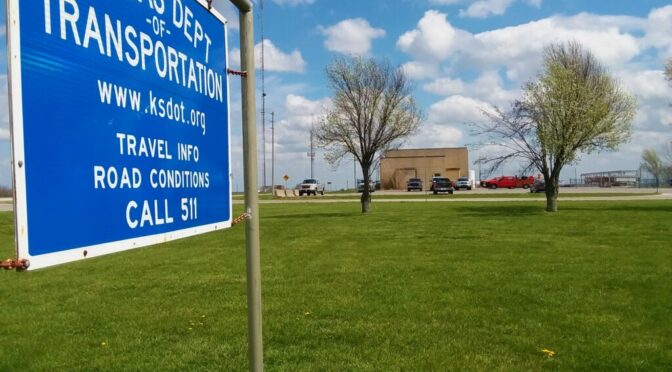
The Kansas Department of Transportation is hosting eight public Local Consult meetings this fall as part of the Eisenhower Legacy Transportation Program (IKE) project selection process. All Kansans are invited to participate. Participants will have the opportunity to share their community and region’s transportation priorities and provide input on a list of potential highway expansion and modernization projects. This year’s Local Consult meetings will take place virtually to comply with current state guidance related to COVID-19. Participants can attend the online regional meeting as well as a virtual on-demand option.

Online live Zoom meetings – go to https://www.ksdotike.org/projects/local-consult-process to register for each regional meeting. Participate in live conversations about regional transportation priorities and hear directly from KDOT Secretary Julie Lorenz. The schedule for the online regional and metro meetings is:

  • Southeast Kansas – 1:30 p.m. on Wednesday, Sept. 8
  • Wichita metro – 9:30 a.m. on Thursday, Sept. 9
  • North central Kansas – 1:30 p.m. on Wednesday, Sept. 15
  • Northeast Kansas – 1:30 p.m. on Thursday, Sept. 16
  • Kansas City metro – 9 a.m. on Thursday, Sept. 30
  • South central Kansas – 1:30 p.m. on Monday, Oct. 4
  • Southwest Kansas – 9:30 a.m. on Tuesday, Oct. 5
  • Northwest Kansas – 9:30 a.m. on Wednesday, Oct. 6

Virtual on-demand experience – Allows Kansans to review Local Consult information and provide input on their own schedules. Visit https://www.ksdotike.org/projects/local-consult-process for more information about the schedule for these meetings.

Local Consult is a process that takes place every two years for KDOT to listen to regional needs from the perspective of Kansans who live and work in each of the six districts and two metropolitan areas. The regional discussions will be influenced by the 1,900 Kansans who participated in a survey earlier this summer to share their top transportation interests and concerns.

About the IKE Program – IKE is a 10-year program that addresses highways, bridges, public transit, aviation, short-line rail and bike/pedestrian needs across Kansas. The program and associated projects are focused on making roads safer, supporting economic growth and creating more options and resources for Kansans and their communities. For more information about the IKE program: www.ksdotike.org.

###

This information can be made available in alternative accessible formats upon request.

For information about obtaining an alternative format, contact the KDOT Communications Division,

700 SW Harrison St., 2nd Fl West, Topeka, KS 66603-3754 or phone 785-296-3585 (Voice)/Hearing Impaired – 711.


KS National Guard Deployed to Louisiana

Governor Laura Kelly Sending Kansas National Guardsmen to help in Louisiana

~~Kansas National Guard Providing Critical Aid to Areas Affected by Hurricane Ida~~

TOPEKA –Today Governor Laura Kelly announced Soldiers and Airmen from the Kansas National Guard will be deployed to Louisiana to provide support in and around areas affected by Hurricane Ida. The Guardsmen are deploying as part of an Emergency Management Assistance Compact, a multistate agreement that allows states to send government aid to other states in emergency situations.

“In times of crisis, Kansans have always stepped up to help out our fellow Americans – and today is no different,” Governor Laura Kelly said. “Today, I deployed Kansas National Guard Soldiers and Airmen to Louisiana to help those struggling in the areas affected by Hurricane Ida. We stand ready to provide relief for the impacted families.”

Approximately 280 Soldiers and Airmen will deploy for this mission, which is expected to last 21 days, including travel. The deploying Soldiers and Airmen are members of the Kansas Army National Guard’s 130th Field Artillery Brigade, Manhattan; 1st Battalion, 161st Field Artillery, Hutchinson; 1161st Forward Support Company, Wichita; 169th Combat Sustainment Support Battalion, Olathe; 635th Regional Support Group, Wichita; 891st Engineer Battalion, Iola; and the Kansas Air National Guard’s 184th Wing, Wichita and the 190th Air Refueling Wing, Topeka. The Guardsmen will be taking engineering equipment such as skid steers, dump trucks, chain saws, and excavators. They will also be taking other equipment which includes generators, light medium tactical vehicles, high mobility multipurpose wheeled vehicles, and palletized load system trucks.

“This humanitarian mission is part of what the National Guard is all about,”Maj. Gen. David Weishaar, the adjutant general and director of the Kansas Division of Emergency Management said. “Citizen-Soldiers and Airmen supporting the civil authorities in time of trouble. It’s a mission we do well, are proud to do and one that we have asked our Guardsmen to do quite often the past 18 months. The efforts of these Kansas Soldiers and Airmen will give their Louisiana brothers and sisters in uniform much-needed relief and help the people affected by this disaster get back on their feet that much quicker.”

Grants For Non-Profit Arts Organizations Announced

Governor Laura Kelly Announces New Grant Program to Support Non-Profit Arts Organizations

TOPEKA – Today, Governor Laura Kelly announced new grant program designed to help non-profit arts organizations in Kansas recover from the COVID-19 pandemic.

“These grants will provide immediate help for non-profit arts organizations across Kansas,” Governor Laura Kelly said. “My administration will continue supporting our arts community to create new tourist opportunities and recruit new families and businesses to Kansas. I encourage any organization that would benefit from these funds to apply now.”

The Short-Term Operational Support program provides immediate on-time grants to arts non-profits facing financial hardship due to unforeseen circumstances beyond their control. Funding for this program comes from the National Endowment for the Arts through the 2021 Federal American Rescue Plan Act (ARPA). Nationally, $54 million has been allocated for 62 state and regional agencies to grant.

Grant funding can be used for:

  • Salary support;
  • Fees to support the services of contractual personnel for specific activities required as part of annual organizational operations;
  • Facility operational costs such as rent and utilities;
  • Costs associated with health and safety supplies for staff and/or visitors;
  • Marketing and promotion costs.

“These grants will help ease this financial burden for Kansas’ arts community,” Lieutenant Governor and Commerce Secretary David Toland said. “This funding is designed to assist with day-to-day operations that are critical to any organization. If you think that your organization might benefit from this program but aren’t sure how to start, reach out to the Commerce team and we’ll be happy to help.”

Applications are open through September 4, 2021. For more information, including qualifications and how to apply, click here.

Applications will be reviewed by a committee of Kansas Creative Arts Industries Commission (KCAIC) and Kansas Department of Commerce staff. Grant recommendations and reviews will be presented to the full KCAIC Board, which will make final determination based on available funding and size of qualified applicant pool.

KCAIC will notify all applicants of the final decision in early October.

About the Kansas Department of Commerce

As the state’s lead economic development agency, the Kansas Department of Commerce strives to empower individuals, businesses and communities to achieve prosperity in Kansas.  Commerce accomplishes its mission by developing relationships with corporations, site location consultants and stakeholders in Kansas, the nation and world.  Our strong partnerships allow us to help create an environment for existing Kansas businesses to grow and foster an innovative, competitive landscape for new businesses. Through Commerce’s project successes, Kansas in 2021 was awarded Area Development Magazine’s prestigious Gold Shovel award and was named Site Selection Magazine’s Best Business Climate in the West North Central region of the United States.

Long-Term Care Facility Vaccine Data Tracked

KDADS Header


For Immediate Release:    
August 27, 2021

Contact:    
Cara Sloan-Ramos
[email protected]

Kansas Launches Online Dashboard to Track Vaccination Data Among Healthcare Personnel in Long-Term Care Facilities

TOPEKA – Governor Laura Kelly announced today that the Kansas Department for Aging and Disability Services (KDADS) and Kansas Department for Health and Environment (KDHE) have collaborated to create an online dashboard that makes it easier for the public to track vaccination rates among healthcare personnel in the state’s long-term care facilities (LTCFs) in anticipation of the federal regulation requiring staff vaccinations within the nation’s more than 15,000 Medicare and Medicaid-participating nursing homes.

The anticipated emergency federal requirement is being developed by the Centers for Medicare & Medicaid Services (CMS) in collaboration with the Centers for Disease Control and Prevention (CDC). This new requirement is a key component of protecting the health and safety of nursing home residents and staff by ensuring that all nursing home staff receive COVID-19 vaccinations.

The state’s newly launched dashboard extrapolates data specific to Kansas from the CDC’s National Healthcare Safety Network (NHSN) COVID-19 Long Term Care Facility Module and provides a view of the healthcare personnel vaccination rates for Kansas’s federally licensed LTCFs.

“The importance of vaccinations for individuals who work with the older population so profoundly impacted by COVID-19 can’t be overstated as the decision to get vaccinated can not only protect their health, but the health of their colleagues, patients and their families, and the communities they serve,” KDADS Secretary Laura Howard said. “The dashboard provides Kansas an important local tool to share CMS vaccination data among healthcare workers in this setting with the public.”

The most recent healthcare personnel vaccination rate data available from CMS (updated August 26, 2021) shows that in Kansas, 86.7 percent of current residents and 58.1 percent of current staff (healthcare personnel) have completed COVID-19 vaccinations per facility.

“We know that vaccinations are the most effective way to protect ourselves and others from COVID-19,” said Lee Norman, M.D., KDHE Secretary. “This dashboard helps to highlight CMS facilities in the state as they work to vaccinate their employees to protect the important population they serve.””

The Kansas dashboard, to be updated by KDHE Fridays by 12:30 p.m., includes both a map view and a table view. The map view of the dashboard categorizes federally licensed LTCFs into four categories based on healthcare personnel vaccination rates:

  • Below 50%
  • 50-70%
  • 70-90%
  • Above 90%

The table view provides a list of all federally licensed LTCFs and their healthcare personnel vaccination rates.

The state dashboard includes the most recent healthcare personnel vaccination rate data available from CMS. CMS publishes data reported by nursing homes to the CDC’s NHSN on a weekly basis; the data is typically published 11 days after being submitted. More information is available on the CMS website.

Kansas Lakes with Blue-Green Algae Advisories

Public Health Advisories for Kansas Lakes Due to Blue-Green Algae

TOPEKA – The Kansas Department of Health and Environment (KDHE) and the Kansas Department of Wildlife and Parks (KDWP) has issued several public health advisories for Kansas lakes due to blue-green algae.

Active Advisories

Warning

Altamont City Lake “Idle Hour” Main Lake, Labette County

Gathering Pond at Milford, Geary County

Harvey County East Lake, Harvey County

Hodgeman County State Fishing Lake, Hodgeman County

Jerry Ivey Pond, Saline County

Lake Afton, Sedgwick County

Marion Reservoir, Marion County (elevated Aug. 26)

Melvern Outlet Pond, Osage County

Melvern Outlet Swim Pond, Osage County

Milford Lake Zones A and C, Geary County

Neosho County State Fishing Lake, Neosho County

South Lake, Johnson County


Watch

Altamont City Lake “Idle Hour” North Lake, Labette County

Big Hill Lake, Labette County

Big Eleven Lake, Wyandotte County

Brown State Fishing Lake, Brown County

Buhler City Lake, Reno County

Ford County Lake, Ford County

Lake Jeanette, Leavenworth County

Marion County Lake, Marion County

Milford Lake Zone B, Geary County

Parsons Lake, Neosho County

Pony Creek Lake, Brown County

Riverwalk Landing Pond, Geary County

Webster Reservoir, Rooks County (lowered Aug. 26)


When a warning is issued, KDHE recommends the following precautions be taken:

  • Lake water is not safe to drink for pets or livestock.
  • Lake water, regardless of blue-green algae status, should never be consumed by humans.
  • Water contact should be avoided.
  • Fish may be eaten if they are rinsed with clean water and only the fillet portion is consumed, while all other parts are discarded.
  • Do not allow pets to eat dried algae.
  • If lake water contacts skin, wash with clean water as soon as possible.
  • Avoid areas of visible algae accumulation.

A watch means that blue-green algae have been detected and a harmful algal bloom is present or likely to develop. People are encouraged to avoid areas of algae accumulation and keep pets and livestock away from the water.

During the watch status, KDHE recommends the following precautions be taken:

  • Signage will be posted at all public access locations.
  • Water may be unsafe for humans/animals.
  • Avoid areas of algae accumulation and do not let people/pets eat dried algae or drink contaminated water.
  • Swimming, wading, skiing and jet skiing are discouraged near visible blooms.
  • Boating and fishing are safe. However, inhalation of the spray may affect some individuals. Avoid direct contact with water, and wash with clean water after any contact.
  • Clean fish well with potable water and eat fillet portion only.

KDHE investigates publicly-accessible bodies of water for blue-green algae when the agency receives reports of potential algae blooms in Kansas lakes. Based on credible field observation and sampling results, KDHE reports on potentially harmful conditions.

If you observe a scum or paint-like surface on the water, small floating blue-green clumps or filaments in the water, or if the water is an opaque green, avoid contact and keep pets away. These are indications that a harmful bloom may be present. Pet owners should be aware that animals that swim in or drink water affected by a harmful algal bloom or eat dried algae along the shore may become seriously ill or die.

For information on blue-green algae and reporting potential harmful algal blooms, please visit www.kdheks.gov/algae-illness/index.htm.

Bird Hunters Help Needed

KDWP Biologists Seek Help From Migratory Game Bird Hunters

PRATT –“Did you hunt geese, dove, or ducks last year? If yes, how many did you bag?” This is just one of a handful of questions that can provide biologists at the Kansas Department of Wildlife and Parks (KDWP) with information critical to managing migratory game bird populations.

Most game bird hunters in Kansas are familiar with the Harvest Information Program (HIP) permit, but some may not be aware of the short survey that is associated with its purchase. A HIP permit, available for just $2.50, is required to hunt ducks, coots, geese, brant, swans, doves, woodcock, rails, snipe, sandhill cranes, band-tailed pigeons, and gallinules in Kansas; however, the associated survey is voluntary. Therefore, KDWP biologists are encouraging all HIP permit holders to, “Don’t Skip the HIP” and complete the survey upon purchase.

The survey consists of 10 short questions related to the species each game bird hunter typically pursues. This information is provided to the U.S. Fish and Wildlife Service (USFWS) to ensure that more detailed, nationwide surveys are sent to the appropriate hunters. For example, most surveys about dove harvest are typically sent to hunters who hunt doves, while most waterfowl harvest surveys are sent to hunters who typically pursue ducks and geese. The data collected is then used to make sound decisions concerning hunting seasons and population management of migratory game bird species. So in essence, hunters serve as biologists’ eyes and ears in the field, helping to improve wildlife conservation efforts and protecting the hunting heritage.

Join KDWP in spreading the “Don’t Skip the HIP” message! For more information about the HIP permit, visit ksoutdoors.com/Hunting/Hunting-Programs/Harvest-Information-Program-HIP.

COVID-19 Travel Quarantine List

KDHE Amends Travel Quarantine List

TOPEKA – The Kansas Department of Health and Environment (KDHE) has amended its travel quarantine list to remove the state of Louisiana. The countries of French Polynesia, Georgia and Guadeloupe have been added and the countries of Fiji and Isle of Man have been removed.

  • Traveled on or after July 29 to Martinique.
  • Traveled on or after Aug. 27 to French Polynesia, Georgia or Guadeloupe
  • Traveled between Aug. 13 to Aug. 27 to Louisiana.
  • Traveled between July 29 and Aug. 27 to Isle of Man.
  • Traveled between July 15 and Aug. 27 to Fiji.
  • Attendance at any out-of-state or in-state mass gatherings of 500 or more where individuals do not socially distance (6 feet) and wear a mask.
  • Been on a cruise ship or river cruise on or after March 15, 2020.

The travel and mass gathering quarantine period is seven days with a negative test result or 10 days without testing, with release from quarantine on Day 8 and Day 11, respectively. Further information on quarantine periods can be found on KDHE’s website.

For those traveling internationally, the Centers for Disease Control and Prevention (CDC) is requiring testing within three days of flights into the U.S. For further information on this and other requirements, visit their website.

For those who are fully vaccinated (meaning it has been greater than two weeks since they completed their vaccinations) they are not required to quarantine regarding travel or mass gatherings if they meet all of the following criteria:

  • Are fully vaccinated (i.e., ≥2 weeks following receipt of the second dose in a 2- dose series, or ≥2 weeks following receipt of one dose of a single-dose vaccine).
  • Have remained asymptomatic since the travel.

Persons who do not meet the above criteria should continue to follow current quarantine guidance for travel or mass gatherings.

Additionally, people with previous COVID-19 disease are not required to quarantine following travel if they meet all of the following criteria:

  • Have evidence of a previous infection supported by a positive PCR or antigen test
  • Are within 6 months following infection. If an investigation was done documenting the date that symptoms resolved, or the date isolation measures were discontinued for asymptomatic patients, then the 6-month period can start from that end date. If those dates are not available, then the period will start from the date of the positive laboratory test. A serology or antibody test may not be substituted for a laboratory report of a viral diagnostic test.
  • Have remained asymptomatic since the travel

Persons who do not meet all three of the above criteria should continue to follow current quarantine guidance for travel.

The travel quarantine list is determined using a formula to evaluate new cases over a two-week period, then adjusted for population size to provide a case rate per 100,000 population. This provides a number that can then be compared to the rate in Kansas. Locations with significantly higher rates — approximately 3x higher — are added to the list.

For more information on COVID-19, please visit the KDHE website at www.kdhe.ks.gov/coronavirus.

Input Needed On Homeowner Assistance Plan

State officials are seeking public feedback to inform a new housing initiative that will support Kansas homeowners in need. The Kansas Homeowner Assistance Fund (KHAF), established by the American Rescue Plan Act (ARPA) through the Kansas Office of Recovery and administered by Kansas Housing Resources Corporation (KHRC), will aim to prevent mortgage delinquencies and defaults, foreclosures, loss of utilities or home energy services, and displacement of homeowners experiencing financial hardship associated with the COVID-19 pandemic.
“In less than a year, we’ve provided almost $50 million in emergency rental assistance to Kansas renters, landlords, and service providers,” said Ryan Vincent, KHRC’s Executive Director. “We’re proud to have helped more than 15,000 Kansas households avoid eviction and remain stably housed during the pandemic, but we know our state’s housing needs don’t stop with tenants. Kansas homeowners: Help is on the way.”
Program administrators and state officials welcome public input as they design a program to meet the needs of Kansas homeowners. Community members are invited to share their input three ways:
  1. Join the public webinar Tuesday, Aug. 31, at 10 a.m.to learn about the proposed plan.
  2. Share your experience and expertiseby participating in our surveys targeting specific stakeholder groups:
3.  Subscribe to KHRC’s mailing list and select “Homeowner Assistance” to stay posted on the latest program news and announcements.
The draft program plan will be published online for public review on Monday, Aug. 30. Community members are invited to learn about the proposed plan during the public webinar at 10 a.m. onTuesday, Aug. 31. The public comment period will close Wednesday, Sept. 8. Program administrators will review the comments received, make any recommended adjustments, and finalize the plan by Wednesday, Sept. 15.
Learn more about the KHAF initiative online.
###
Kansas Housing Resources Corporation (KHRC) is a self-supporting, nonprofit, public corporation committed to helping Kansans access the safe, affordable housing they need and the dignity they deserve. KHRC serves as the state’s housing finance agency (HFA), administering essential housing and community programs to serve Kansans.

Flags Half-Staff For Afghanistan Military Personnel Deaths

Header


For Immediate Release:    
August 27, 2021

Contact:    
Reeves Oyster, Press Secretary
[email protected]

Governor Laura Kelly Directs Flags be Flown at Half-Staff to Honor U.S. Service Members Killed in Kabul Terrorist Attack

TOPEKA – In accordance with Executive Order #20-30, and following the proclamation of President Joe Biden, Governor Laura Kelly has directed flags throughout the State of Kansas be lowered to half-staff effective immediately until sunset on August 30, 2021, to honor and pay respects to U.S. service members and other victims killed in the terrorist attack on August 26, 2021, in Kabul, Afghanistan.

“My father was career Army, and I know firsthand the sacrifices those in our military and their loved ones make for our country,” Governor Kelly said. “My thoughts are with the families of the victims of Thursday’s tragic attack in Kabul.”

 To receive future email alerts when the governor orders flags to half-staff, please visit: https://governor.kansas.gov/newsroom/kansas-flag-honor

Nurses Urged to Renew License

Governor Kelly Urges Nurses to Renew Licensing Before August 28 Deadline

~Nurses with license expiration dates between March 31, 2020 through July 31, 2021 must renew before Saturday~

TOPEKA – Governor Laura Kelly urged Kansas nurses to renew their licensing requirements before the Saturday, August 28, 2021 deadline. The Kansas State Board of Nursing announced the notice for Kansas Nurses, and employers of Kansas Nurses, who were working under the professional licensing waivers issued via the COVID-19 disaster declaration Executive Order 21-09. Licensed nursing professionals impacted by the ending of these waivers are urged to renew their license as soon as possible.

“Since COVID-19 invaded Kansas, our nurses have been on-call around the clock to keep Kansans safe and healthy and I can’t thank them enough for their life-saving work,” Governor Laura Kelly said. “Right now, we need our Kansas nurses more than ever. I urge all Kansas nurses to renew their licensing, so we can continue to care for patients.

“To all the unvaccinated Kansans – we owe it to our nurses to get vaccinated now. We must reduce the strain on our hospital system and our healthcare workers. We all need to step up and do our part to protect each other,” Governor Kelly said.

The Board of Nursing began sending multiple electronic and postcard mail renewal notices to licensees and stakeholders about the expiring waivers in the weeks and months leading up to the ending of these waivers.  The Board has also continued to release public notices via social media, the agency newsletter and the KSBN website throughout the COVID pandemic emergency.

Without a disaster declaration, the governor and Board of Nursing cannot further extend the waivers. Legislative action is necessary to extend any waiver beyond August 28th.

The nurses impacted by these waivers are those who had a Kansas nursing license with a normal expiration date of March 31, 2020 through July 31, 2021 and who have NOT yet renewed their licensure.

Any of these licensees that are NOT renewed by August 28, 2021 will begin to lapse on August 29, 2021.

A nurse with a lapsed Kansas nursing license can no longer work until their license is reinstated.

If you are a Kansas Nurse or if you employ a Kansas Nurse and you are unsure when your nursing licenses expires, you may check the status of your license via the Nursing License Verification Database.  This is a free service offered to the public and nurses.

Renewing your Kansas nursing license is a simple process that takes only minutes to complete.

  • To renew your license, simply visit the “Getting Started” section of the Board of Nursing website.
  • Read and follow all applicable instructions.
  • Then, log into the Kansas Nursing License Portal to complete your renewal and pay applicable fees.
  • To confirm your renewal has been completed, the nurse may do so via the same portal or by checking the Nursing License Verification Database.  (Please allow up to two hours for the public verification database to update prior to checking.)

For more information or to renew your nursing license, please visit the Board of Nursing’s website at https://ksbn.kansas.gov/