Category Archives: Government

Airport Receives Two Grants To Update

Fort Scott Airport runway.

In June, the Fort Scott City Commission approved a Kansas Department of Transportation grant in the amount of $109,600 for the Automated Weather Observation Station upgrades at the airport with the city match of $12,118.

Fort Scott Economic Development Director Rachel Pruitt, along with Fort Scott Airport Director Kenny Howard informed the commission that the city received this and another grant from K.D.O.T.

Howard stated that the A.W.O.S. upgrade is badly needed at the Airport as the current system is about 19 years old, according to the meeting minutes.

“The A.W.O.S. is the on-field reporter of weather, visibility, etc.,” Howard said.

Fort Scott Airport Office.

The other grant received from K.D.O.T. is for lighting the runway, Howard said.

The PAPI (Precision Approach Path Indicators) and REIL (Runway End Identifier Lights) Grant from KDOT is for runway lighting at the airport in the amount of $177,462. The city match for the grant is $19,718.

The commission discussed the airport 2,100-foot runway extension and how this lighting would be affected, according to the minutes.

Kenny stated that the grant can be delayed if the runway extension occurs within the next two years.

“We are waiting for more grant money for the extension,” Howard said.”The design for the runway extension is not completed yet.”

Pruitt stated that she is applying for another grant for the extension July.

The office and pilots lounge of the Fort Scott Airport.

Bourbon County In A Drought Watch

Governor Updates Drought Declarations in Kansas Counties

The Governor’s Drought Team examines continued drought conditions as summer temps climb.

Topeka – While there have been some recent rains, drought conditions for many areas of Kansas continue to worsen.  Today Governor Jeff Colyer updated the Drought Declaration for Kansas counties with Executive Order 18-16 (attached).  The update includes all 105 counties either in an emergency, warning or watch status. This order places nearly half of Kansas counties in an emergency drought status.

“Kansans need to know no matter where you live in the state, the drought is not over,” said Governor Jeff Colyer.  “I’ve heard many concerns from producers and have seen the conditions first hand. We appreciate our federal partners at the Natural Resources Conservation Service as well as the Kansas Association of Conservation Districts— when we asked them to identify additional sources of assistance they responded quickly to help producers address these extreme drought conditions.”

The updated drought declaration has 50 counties in emergency status, 27 in warning status while 28 counties are in watch status. This action was recommended by Tracy Streeter, Director of the Kansas Water Office (KWO) and Chair of the Governor’s Drought Response Team.

“With reported livestock water shortages, low flows at some of our reservoirs and monthly outlooks favoring persistent drought we know it’s imperative to monitor conditions closely,” said Tracy Streeter. “Some areas of Kansas are behind more than 15 inches in moisture for the year and outlooks favor above normal temperatures and below normal precipitation in July.”

Counties in the emergency stage are eligible for emergency use of water from certain state fishing lakes due to the KWO Memorandum of Understanding (MOU) with the Kansas Department of Wildlife (KDWPT). They also become eligible for water in some Federal reservoirs.

Individuals and communities need to contact KWO for a water supply request prior to any withdrawals from lakes. They will, in turn, be referred to the appropriate office to obtain the necessary permit to withdraw the water.

This Executive Order and any authorized upgrade shall remain in effect for those counties so identified until rescinded by Executive Order or superseded by a subsequent Executive Order revising the drought stage status of the affected counties. Effective immediately:

  • Declare a Drought Emergency, Warning or Drought Watch for the counties identified below;
  • Authorize and direct all agencies under the jurisdiction of the Governor to implement the appropriate watch or warning level-drought response actions assigned in the Operations Plan of the Governor’s Drought Response Team.

The Governor’s Drought Response Team will continue to watch the situation closely and work to minimize the effects the drought has on Kansans.

For more detailed information about current conditions, see the Kansas Climate Summary and Drought Report on the Kansas Water Office website at www.kwo.ks.gov.

County Drought Stage Declarations:

Drought Emergency: Barber, Barton, Butler, Chase, Clark, Clay, Coffey, Comanche, Cowley, Dickinson, Edwards, Ellsworth, Finney, Ford, Geary, Grant, Gray, Greenwood, Hamilton, Harper, Harvey, Haskell, Hodgeman, Kearny, Kingman, Kiowa, Lincoln, Lyon, Marion, McPherson, Meade, Morris, Morton, Osage, Ottawa, Pawnee, Pottawatomie,  Pratt, Reno, Rice, Riley, Saline, Sedgwick, Seward, Shawnee, Stafford, Stanton, Stevens, Sumner, Wabaunsee

Drought Warning: Allen, Anderson, Atchison, Brown, Chautauqua, Doniphan, Douglas, Elk, Ellis, Franklin, Greeley, Jackson, Jefferson, Lane, Leavenworth, Montgomery, Nemaha, Neosho, Ness, Rush, Russell, Scott, Trego, Wallace, Wichita, Wilson, Woodson

Drought Watch: Bourbon, Cherokee, Cheyenne, Cloud, Crawford, Decatur, Gove, Graham, Jewell, Johnson, Labette, Linn, Logan, Marshall, Miami, Mitchell, Norton, Osborne, Phillips, Rawlins, Republic, Rooks, Sheridan, Sherman, Smith, Thomas, Washington, Wyandotte

Note to Editor:  The Americans with Disabilities Act, (42 U.S.C. 12101), requires the Kansas Water Office to print the reasonable accommodations messages.

# # #

As the state’s water office, KWO conducts water planning, policy coordination and water marketing as well as facilitates public input throughout the state.

The agency prepares the KANSAS WATER PLAN, a plan for water resources development, management, and conservation.

Friday Night Concert

Cherry Jammers from Cherry Grove Baptist Church, rural Fort Scott, performed during the Friday Night Concert.

The weekly summer Friday Night Concert at Heritage Park, 1st and Main streets, downtown, was moved indoors July 6 because of the heat. Temperatures were in the 90s.

The Cherry Jammers, a singing group from Cherry Grove Baptist Church, performed in the basement of the First United Methodist Church, Third Street and National Avenue, instead.

First Behavioral Health Prevention Conference Sept. 19, 20

Kansas Prevention Collaborative Conference Slated for September

A Conference to Connect Kansas Communities


TOPEKA – The Kansas Prevention Collaborative (KPC), an initiative of the Kansas Department for Aging and Disability Services (KDADS), has scheduled a conference for September 19 and 20, 2018, marking the first behavioral health prevention conference in Kansas in many years. The conference will take place at the Capitol Plaza Hotel and Convention Center in Topeka.


The purpose of the conference is to empower prevention coalitions to redouble their efforts in the community. The theme, Connecting Communities, echoes what has long been the work of coalitions: bringing community members together to work toward a common goal.


“This conference is one of the ways we are working to strengthen our prevention efforts statewide and to empower communities to prevent avoidable tragedies and lives derailed by substance abuse,” said KDADS Secretary Tim Keck. “I encourage everyone interested in behavioral health and prevention education to participate in this event.”


The KPC Conference provides educational opportunities to increase awareness of emerging trends, to build skills and knowledge of ways to prevent suicide, alcohol, tobacco and drug abuse, and to advocate for best practices. Registration begins July 1. Early bird registration (before August 1) is available for $100. After August 1, registration will be $125. For more information, visit kansaspreventioncollaborative.org.


Andrew Brown, KDADS Prevention Program Manager, invites everyone to attend.


“This conference reflects the values of the Kansas Prevention Collaborative in that it will be an opportunity for community leaders and organizers to learn from one another, meet experts in the prevention field, and enable

them to connect with other prevention coalitions doing similar work,” Brown said. “At KDADS, we believe that collaboration across communities is vital to preventing tragedies such as deaths of despair, and to improving the lives of Kansans for future generations.”


KPC is a group of eight organizations funded by KDADS working to integrate and innovate behavioral health prevention efforts. This conference is part of KPC’s strategy to ensure that Kansans get the tools they need.


Chad Childs, a Prevention Project Coordinator at Wichita State University’s Community Engagement Institute, one of KPC’s partners, is enthusiastic about the implications of a Kansas-specific prevention conference.


“The planning committee is comprised of Kansans who value suicide and substance abuse prevention work, so this conference has been designed to be educational and practical for priorities in Kansas communities. Attendees will leave with tools for overcoming obstacles facing their community and for making connections throughout the state. The goal is to make sure they know they’re not alone and there are resources to help them along the way,” said Childs.


The KPC is excited to provide this learning opportunity to communities across Kansas. For more information on the conference and the work of the KPC, please visit kansaspreventioncollaborative.org.


Please contact the KPC at [email protected] with questions.


About KDADS:

The Kansas Department of Aging and Disability Services was created on July 1, 2012 by Governor Sam Brownback’s executive reorganization order that merged the former Department on Aging with the Disability and Behavioral Health Services Division from the former Department for Social and Rehabilitation Services and elements of the Health Occupations Credentialing Division at the Kansas Department of Health and the Environment. The agency administers services to older adults; administers behavioral health, addiction and prevention programs; manages the four state hospitals; administers the state’s home- and community-based services waiver programs under KanCare, the state’s Medicaid program; and directs health occupations credentialing. For interviews or media inquiries, please contact Angela de Rocha, Director of Communications, at [email protected].


About the Kansas Prevention Collaborative:

The Kansas Prevention Collaborative was created in 2015 to integrate and innovate behavioral health prevention efforts. A partnership of several different states, educational, and provider agencies, the KPC’s goal is to expand prevention efforts to be more inclusive of mental health promotion, suicide prevention, and problem gambling education and awareness, as well as to increase the availability of resources to adequately fund local-level prevention and promotion strategic plans. For interviews, media inquiries, or more information, please contact the Kansas Prevention Collaborative at [email protected].

KDHE Welcomes KanCare Liaison

Kolloh Nimley

Newly-created position to bridge gaps in health care services


TOPEKA –  Kansas Department of Health and Environment (KDHE) Secretary Jeff Andersen is pleased to welcome Kolloh Nimley to serve as the agency’s KanCare Liaison. She will work closely with the KDHE divisions of Public Health and Health Care Finance to identify gaps in health care services. She will also collaborate with contractors, stakeholders, policymakers, legislators and the general public to improve healthcare outcomes.


“Our Public Health and Medicaid programs serve the same populations, so it is important that we focus on comprehensive services that promote Kansans’ well-being,” said Governor Jeff Colyer. “I am pleased that we now have a designated individual who will look for data-driven solutions to assist KanCare consumers.”


Monday, July 2 was Nimley’s first day on the job. She has a bachelor’s degree in nursing from the University of North Dakota, a master’s in political science from the University of Oklahoma and is a doctoral candidate in healthcare administration at Franklin University in Columbus, Ohio. She has more than 19 years of experience in policy work, addressing public health, global health and health care policy in the United Kingdom, State of Minnesota and the International Medical Graduates program with the State of Minnesota, similar to Kansas’ J-1 Visa Waiver program.


Nimley will, among other duties, work with KanCare Managed Care Organizations (MCOs) in reviewing data related to KanCare recipients to identify gaps in coverage where an existing program may provide a benefit to consumers. She will work in the Office of the Secretary, in Topeka.


“We are pleased that Kolloh has joined KDHE,” said Secretary Andersen. “Her extensive education and experience will be an asset in building bridges and connectivity between the Kansas Medicaid program and public health offerings—contributing to our efforts to take a more holistic approach to the healthcare of Kansans.”

KDHE’s Division of Public Health includes the following bureaus: Community Health Systems, Disease Control and Prevention, Epidemiology and Public Health Informatics, Family Health, Health Promotion, Oral Health and the Center for Performance Management.

KDHE’s Division of Health Care Finance includes KanCare, Electronic Health Records, Medicaid Program Integrity, the State Employee Health Plan, Office of Inspector General, Projections and Informatics, and Health Information Technology and the Health Information Exchange.


The KanCare Liaison is different from the KanCare Ombudsman position, which is designed to assist KanCare consumers directly with case-specific concerns.

Tyson Endorsed by Farm Bureau

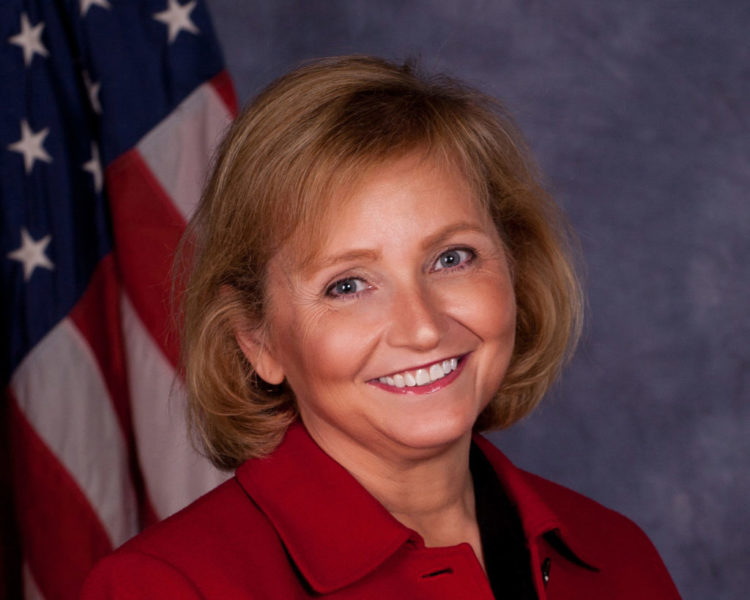
Caryn Tyson Honored By Kansas Farm Bureau’s Endorsement of Her Candidacy


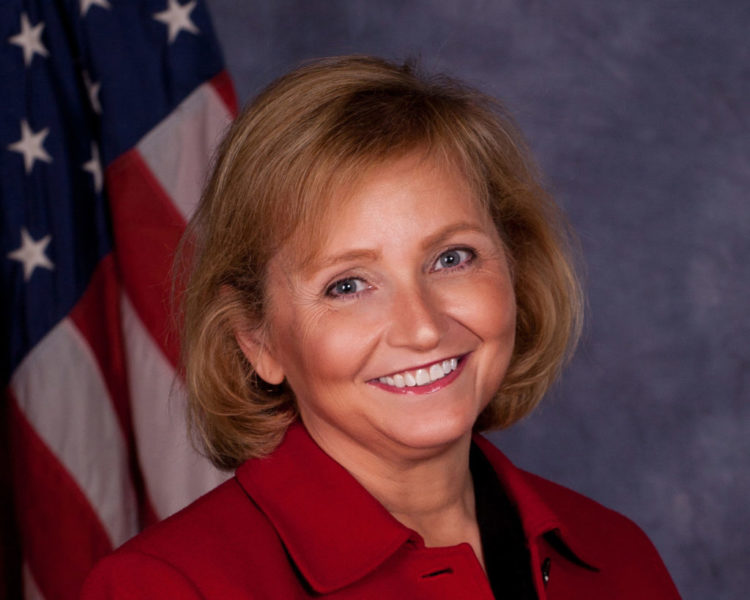
(PARKER, KS) – Caryn Tyson, a Kansas State Senator running for the Kansas 2nd Congressional District, released the following statement today regarding her endorsement from the Kansas Farm Bureau.


“Agriculture is an essential part of the Kansas economy and it is an essential part of my life. My husband, Tim, and I are fifth generation Kansans who own a ranch in Linn County. I’m proud to be a rancher, proud to be a Kansan, and proud to be endorsed by the Kansas Farm Bureau. I’m truly honored by their support and look forward to being a champion for Kansas’ farmers and ranchers in Congress,” Tyson said.


Caryn Tyson has degrees in mathematics and computer science from Kansas State and a master’s degree in engineering management from KU. After graduating she began working in the Information Technology industry and continued working in this field for more than 25 years. Caryn’s work included space shuttle support for NASA where she received awards for achievement and teamwork.


Caryn and her husband, Tim – both fifth-generation Kansans – own and operate Tyson Ranch in Linn County, established in 1871 by Tim’s great-great-grandfather.

New Trucks Being Considered For Fort Scott Fire Department

Firefighter Travis Mewhinney stands next to the ladder truck that is to be replaced in 2019 if the city commission approves it this month.

The 1993 model ladder truck the Fort Scott Fire Department has is in need of replacement.

“We have to worry about the liability of that truck,” Fire Chief Paul Ballou said. “It’s past 25 years old…The ladder truck passed its’ certification, but it’s past its’ 25 years life…We are trying to get everything out of them that we can.”

Ballou expressed concerns about getting replacement parts for vehicles that old.

Newer models have longer ladders and more seats for firefighters

“This (ladder) is 75 feet,” Firefighter Travis Mewhinney said. “The one we are looking at (for replacement) is around 100 feet.”

“It seats three firefighters and a driver,” Mewhinney said. “The new one seats five firefighters and a driver.”

The ladder truck has been used to assist with training and fires with multi-story buildings.

“Like Victorian homes,” Ballou said. “Where you can’t get a ground ladder up to the roof.”

“It was used on the downtown fire (in 2005), and has been used in Nevada and Pleasanton in mutual aid (to their firefighters),” Mehinney said.

While the ladder truck is used less, the pumper truck is used virtually every day.

“The E1 pumper truck, a 1997, is used all the time,” Mewhinney said.

Jon Garrison, Fort Scott Director of Finance gave a preliminary budget update for the 2019 budget at the city commission meeting June 19, according to the unapproved city minutes.

Garrison stated there are two big projects coming up for consideration: the River Intake Structure which will cost approximately $5,000,000 and the purchase of two fire trucks – a  ladder truck and a pumper truck which will amount to approximately $1,500,000, according to the unapproved minutes.

“A ladder truck averages close to $800,000 to $1 million,” Chief Ballou said. “A pumper truck is $305,000 to $450,000.”

Garrison desires to have a budget work session before the July 17 city commission meeting, with the 2019 budget being approved at the August 7 meeting, according to the unapproved minutes.

Fort Scott Fire Department’s E1  pumper truck, used virtually every day, is also in need of replacement.

Flags Half-Staff For Victims of Shooting

Governor Colyer Orders Flags to Be Flown at Half-Staff in Honor of Victims of Capital Gazette Shooting

Topeka – The White House, this morning issued a directive to lower flags to half-staff.

Following the directive of President Donald Trump, in accordance with Executive Order 10-12, Kansas Governor Jeff Colyer has ordered all flags to be flown at half-staff from now until sundown July 3, 2018 as a mark of respect for the victims of the terrible act of violence perpetrated on June 28, 2018 at the Capital Gazette newspaper in Annapolis, Maryland.

“I pray for the families and loved ones of this terrible tragedy.  The news media perform an important duty in our society and should never have to fear losing their lives in the course of that duty,” said Governor Jeff Colyer.

To subscribe to receive email alerts when the Governor orders flags to half-staff, please visit http://governor.ks.gov/subscribe-to-flag-honors.

Dept. of Revenue: $1.2 billion More For Kansas


TOPEKA—Fiscal year-end tax receipts came in $1.21 billion above last year, and $317.81 million over fiscal year predictions, according to the latest revenue report released Monday.


Year-end tax receipts were bolstered by a more than 20 percent increase in June collections, with $133.02 million over last year, which was $143.79 million more than expected for the month.


“With tax receipts coming in above expectations every month during the last year, there’s optimism that this trend will continue,” Secretary Sam Williams said. “The increase in sales tax collections indicate more retail spending precipitated by wage gains from the federal tax cuts passed into law six months ago.”


Fiscal year retail sales tax collections took in $55.82 million more than last year. For the month, sales tax collections came in $6.98 million more than last June, which was $10.76 million more than expectations for the month.


Individual income tax continues to demonstrate strong performance above expectations, with fiscal year collections at $229.42 million more than predicted for the year, and $1.07 billion above last year. Individual income tax collections for the month came in $114.03 million more than last June’s receipts.

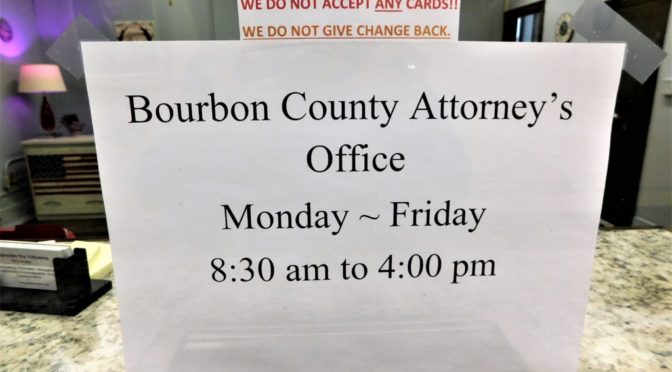
Bourbon County Commission Agenda July 3

Agenda

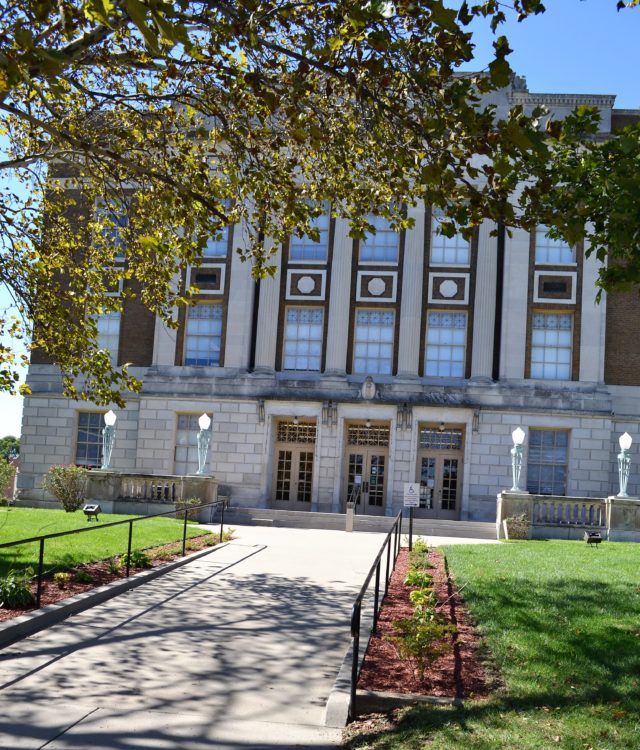
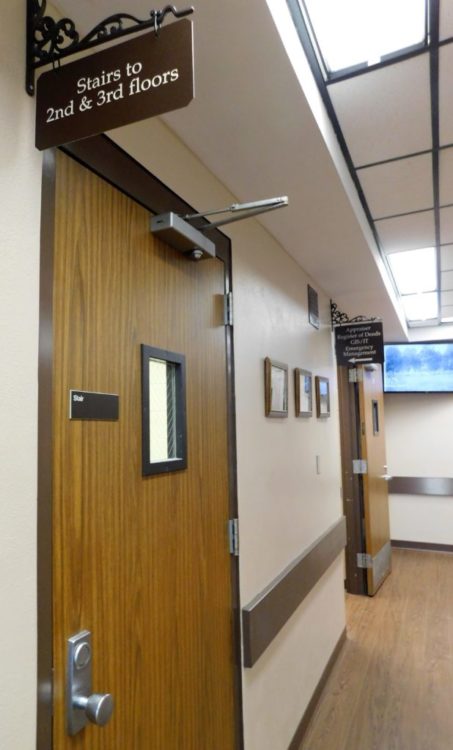
Bourbon County Commission Room

2nd Floor, County Courthouse

210 S. National Avenue

Fort Scott, KS 66701

Tuesdays starting at 9:00


Date: July 3rd, 2018

1st District-Lynne Oharah Minutes: Approved: _______________

2nd District-Jeff Fischer Corrected: _______________

3rd District-Nick Ruhl Adjourned at: _______________

County Clerk-Kendell Mason

9:00-9:45-Jim Harris

10:30-10:15-Gaylen Garrison-Family Heritage Insurance

10:30-11:00-Clint Anderson and Justin Meeks-Job description employment

11:00-12:00-Justin Meeks

11:00-11:15-Executive Session- Privileged in the attorney-client relationship

11:15-11:30-Executive Session-Safety and security of the Courthouse

12:00-1:30-Commissioners gone to lunch

1:30-2:00-Jacqie Spradling

2:00-2:15-Shane Walker-2019 IT Budget

Justifications for Executive Session:

          Personnel matters of individual non-elected personnel

          Consultation with an attorney for the body or agency which would be deemed privileged in the attorney-client relationship

          Matters relating to employer-employee negotiations whether or not in consultation with the representative(s) of the body or agency

          Confidential data relating to financial affairs or trade secrets of corporations, partnerships, trusts and individual proprietorships

          Preliminary discussions relating to the acquisition of real property

          Matters relating to the security of a public body or agency, public building or facility or the information system of a public body or agency, if the discussion of such matters at an open meeting would jeopardize the security of such public body, agency, building, facility or information system

Hilderbrand Endorsed By Kansas Farm Bureau

KANSAS SENATOR RICHARD HILDERBRAND RECEIVES

ENDORSEMENT FROM KANSAS FARM BUREAU

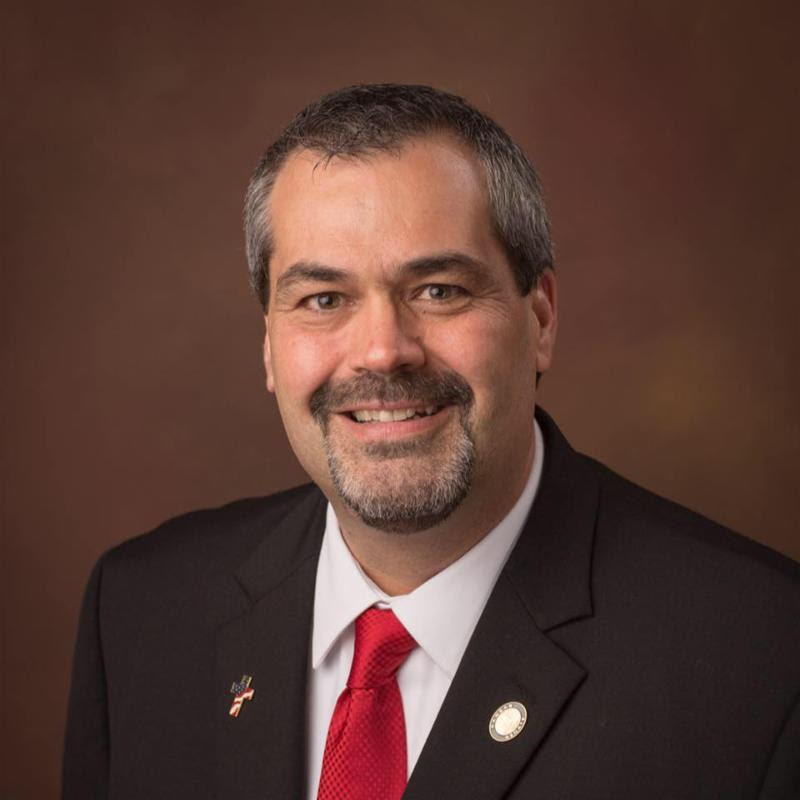
GALENA- Kansas Senator Richard Hilderbrand (R-Galena) received the endorsement of the Kansas Farm Bureau, an advocacy group that works to strengthen agriculture through the support of farmers and ranchers.

“I am honored to receive this important endorsement,” Hilderbrand said. “If elected, I will continue to advocate for Kansas’ agriculture industry and work to secure and protect our farmers’ interests.”

The Kansas Farm Bureau’s Voters Organized to Elect Farm Bureau Friends (VOTE FBF) Political Action Committee (PAC) released its election candidate endorsements for state and federal races last Friday.

Rescuing The Vulnerable From a Vehicle

On a 90-degree day, the interior of a parked car can soar to over 115 degrees within 15 minutes, according to a press release from the Kansas Department of Health and Environment. Cracking a window has been proven to not help

As of July 1 people who see people or animals who have been left locked unattended in parked cars and try to rescue them, will be given protection from lawsuits.

“If someone see’s a child or animal in a locked vehicle, and that person believes that they are in danger, they can break a window to help that animal or child without fear of being liable for the damages or for being prosecuted,” Kansas Senator Richard Hilderbrand told FortScott.Biz.

The law was signed by the governor in April and became effective, Sunday, July 1.

House Bill 2516 provides immunity from civil liability for damage to a motor vehicle for a person who enters the vehicle, by force or otherwise, to remove a vulnerable person or domestic animal if they are in imminent danger.

The following is a press release from the Kansas Department of Health and Environment:

On average, 37 children and over three dozen animals die in a hot car each year in the United States. Hot car-related injuries and deaths are 100 percent predictable and 100 percent preventable.

The Humane Society Legislative Fund (HSLF) of Kansas, KidsAndCars.org and Safe Kids Kansas (sponsored in part by the Kansas Department of Health and Environment) joined together on Monday, June 25, to discuss the new law that goes into Sunday, July 1. It passed during the 2018 Legislative session. The Hot Cars Law gives good Samaritans in Kansas the legal right (under certain conditions) to break a window to help a vulnerable person or animal trapped inside a hot car.

On a 90-degree day, the interior of a parked car can soar to over 115 degrees within 15 minutes. Cracking a window has been proven to not help.

Experts say the most dangerous mistake a parent or animal owner can make is to assume leaving a child or animal alone in a parked car is a safe option, even for just a few minutes.

Already this year, there have been 18 confirmed child deaths in hot cars. A child’s body can overheat three to five times faster than an adult’s, and since animals cannot sweat the way we do, they are unable to regulate their internal body temperature as effectively.

An animal or child can sustain brain damage, organ damage or failure and death from a vehicular heatstroke within minutes of being trapped.

The new law will empower the Kansas community to act fast and safely to help rescue a vulnerable person or animal trapped in a hot car.

Before you can exercise your right to intervene, the following must be checked:

  • Is the car locked?
  • Is the person or animal suffering in imminent danger?
  • Have you notified local law enforcement?
  • Are you using reasonable force to break entry?
  • Can you remain with the person or animal until law enforcement arrives?
  • Is the animal in question domestic? This law does not apply to livestock animals.

Kansas joins 21 other states who protect good Samaritans from legal retribution for assisting people or animals in imminent danger when trapped in a hot car.

For further information, please contact KidsAndCars.org: Amber Rollins, 913-732-2792, [email protected]; or HSLF of Kansas: Miranda Pratt, 417-294-4048, [email protected].