

Category Archives: Business
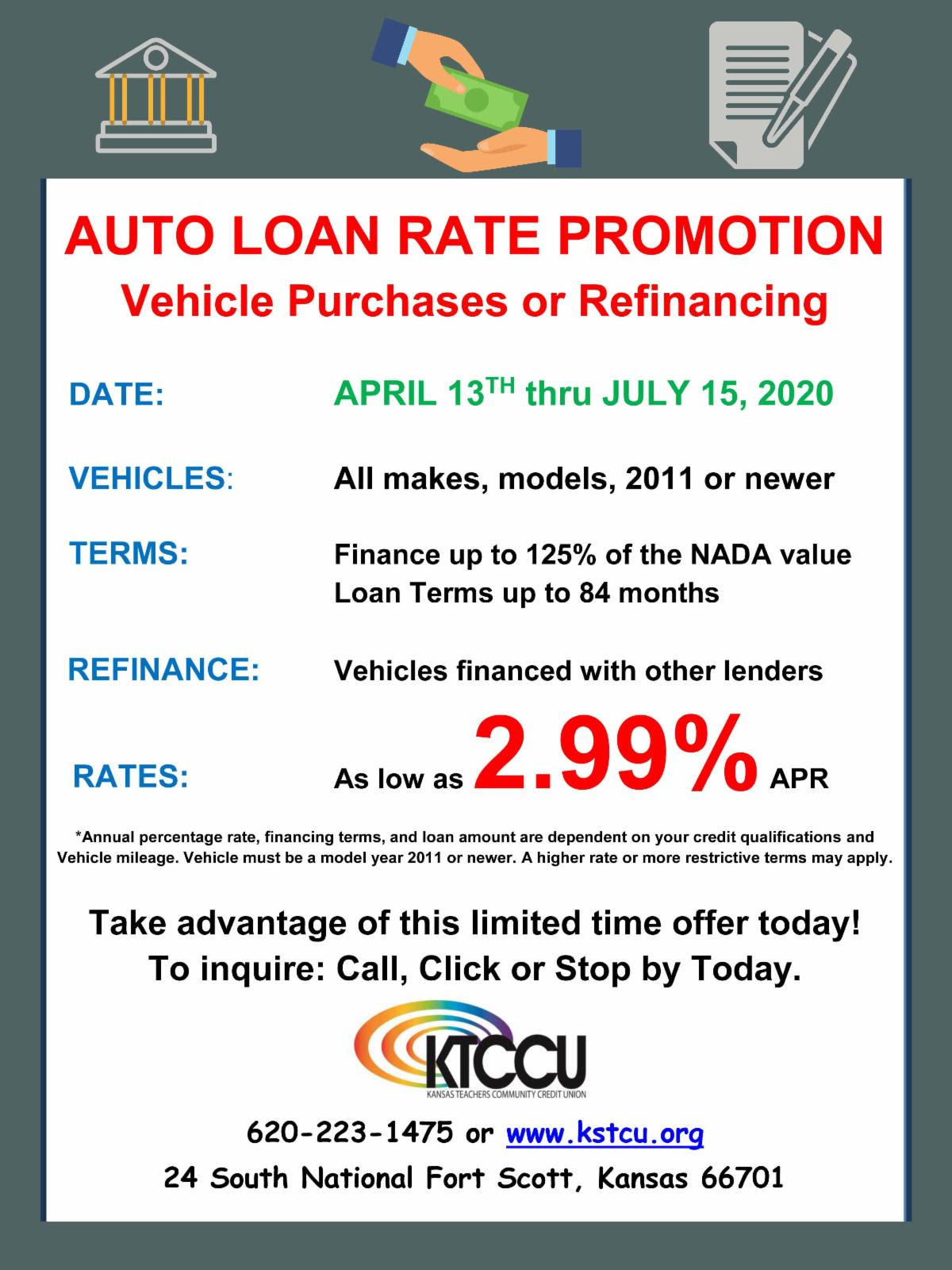
KTCCU Offers Scholarships and Auto Loans
|
|




|
|
|
|
|
|
|
|

|
|
|
|
|

Perry’s Pork Rinds April 10 Drive-Through

Paycheck Protection Program For Small Businesses
To see the website:
US Chamber of Commerce – SBA Paycheck Protection Overview
PAYCHECK PROTECTION PROGRAM (PPP) INFORMATION SHEET:
BORROWERS
The Paycheck Protection Program (“PPP”) authorizes up to $349 billion in forgivable loans to small businesses to pay their employees during the COVID-19 crisis. All loan terms will be the same for everyone.
The loan amounts will be forgiven as long as:
The loan proceeds are used to cover payroll costs, and most mortgage interest, rent, and utility costs over the 8 week period after the loan is made; and
Employee and compensation levels are maintained.
Payroll costs are capped at $100,000 on an annualized basis for each employee. Due to likely high subscription, it is anticipated that not more than 25% of the forgiven amount may be for non-payroll costs.
Loan payments will be deferred for 6 months.
When can I apply?
Starting April 3, 2020, small businesses and sole proprietorships can apply for and receive loans to cover their payroll and other certain expenses through existing SBA lenders.
Starting April 10, 2020, independent contractors and self-employed individuals can apply for and receive loans to cover their payroll and other certain expenses through existing SBA lenders.
Other regulated lenders will be available to make these loans as soon as they are approved and enrolled in the program.
Where can I apply?
You can apply through any existing SBA lender or through any federally insured depository institution, federally insured credit union, and Farm Credit System institution that is participating. Other regulated lenders will be available to make these loans once they are approved and enrolled in the program. You should consult with your local lender as to whether it is participating. Visit www.sba.gov for a list of SBA lenders.
Who can apply?
All businesses – including nonprofits, veterans organizations, Tribal business concerns, sole proprietorships, self-employed individuals, and independent contractors – with 500 or fewer employees can apply. Businesses in certain industries can have more than 500 employees if they meet applicable SBA employee-based size standards for those industries
For this program, the SBA’s affiliation standards are waived for small businesses
(1) in the hotel and food services industries (click HERE for NAICS code 72 to confirm); or
(2) that are franchises in the SBA’s Franchise Directory (click HERE to check); or
(3) that receive financial assistance from small business investment companies licensed by the SBA.
Additional guidance may be released as appropriate.
What do I need to apply?
You will need to complete the Paycheck Protection Program loan application and submit the application with the required documentation to an approved lender that is available to process your application by June 30, 2020.
What other documents will I need to include in my application?
You will need to provide your lender with payroll documentation.
Do I need to first look for other funds before applying to this program?
No. We are waiving the usual SBA requirement that you try to obtain some or all of the loan funds from other sources (i.e., we are waiving the Credit Elsewhere requirement).
How long will this program last?
Although the program is open until June 30, 2020, we encourage you to apply as quickly as you can because there is a funding cap and lenders need time to process your loan.
How many loans can I take out under this program?
Only one.
What can I use these loans for?
You should use the proceeds from these loans on your:
Payroll costs, including benefits;
Interest on mortgage obligations, incurred before February 15, 2020;
Rent, under lease agreements in force before February 15, 2020; and
Utilities, for which service began before February 15, 2020.
What counts as payroll costs? Payroll costs include:
Salary, wages, commissions, or tips (capped at $100,000 on an annualized basis for each employee);
Employee benefits including costs for vacation, parental, family, medical, or sick leave; allowance for separation or dismissal; payments required for the provisions of group health care benefits including insurance premiums; and payment of any retirement benefit;
State and local taxes assessed on compensation; and
For a sole proprietor or independent contractor: wages, commissions, income, or net earnings from self-employment, capped at $100,000 on an annualized basis for each employee.
How large can my loan be?
Loans can be for up to two months of your average monthly payroll costs from the last year plus an additional 25% of that amount. That amount is subject to a $10 million cap. If you are a seasonal or new business, you will use different applicable time periods for your calculation. Payroll costs will be capped at $100,000 annualized for each employee.
How much of my loan will be forgiven?
You will owe money when your loan is due if you use the loan amount for anything other than payroll costs, mortgage interest, rent, and utilities payments over the 8 weeks after getting the loan.
Due to likely high subscription, it is anticipated that not more than 25% of the forgiven amount may be for non-payroll costs.
You will also owe money if you do not maintain your staff and payroll.
Number of Staff: Your loan forgiveness will be reduced if you decrease your full-time employee headcount.
Level of Payroll: Your loan forgiveness will also be reduced if you decrease salaries and wages by more than 25% for any employee that made less than $100,000 annualized in 2019.
Re-Hiring: You have until June 30, 2020 to restore your full-time employment and salary levels for any changes made between February 15, 2020 and April 26, 2020.
How can I request loan forgiveness?
You can submit a request to the lender that is servicing the loan. The request will include documents that verify the number of full-time equivalent employees and pay rates, as well as the payments on eligible mortgage, lease, and utility obligations. You must certify that the documents are true and that you used the forgiveness amount to keep employees and make eligible mortgage interest, rent, and utility payments. The lender must make a decision on the forgiveness within 60 days.
What is my interest rate?
0.50% fixed rate.
When do I need to start paying interest on my loan?
All payments are deferred for 6 months; however, interest will continue to accrue over this period.
When is my loan due?
In 2 years.
Can I pay my loan earlier than 2 years?
Yes. There are no prepayment penalties or fees.
Do I need to pledge any collateral for these loans?
No. No collateral is required.
Do I need to personally guarantee this loan?
No. There is no personal guarantee requirement. ***However, if the proceeds are used for fraudulent purposes, the U.S. government will pursue criminal charges against you.***
What do I need to certify?
As part of your application, you need to certify in good faith that:
Current economic uncertainty makes the loan necessary to support your ongoing operations.
The funds will be used to retain workers and maintain payroll or to make mortgage, lease, and utility payments.
You have not and will not receive another loan under this program.
You will provide to the lender documentation that verifies the number of full-time equivalent employees on payroll and the dollar amounts of payroll costs, covered mortgage interest payments, covered rent payments, and covered utilities for the eight weeks after getting this loan.
Loan forgiveness will be provided for the sum of documented payroll costs, covered mortgage interest payments, covered rent payments, and covered utilities. Due to likely high subscription, it is anticipated that not more than 25% of the forgiven amount may be for non-payroll costs.
All the information you provided in your application and in all supporting documents and forms is true and accurate. Knowingly making a false statement to get a loan under this program is punishable by law.
You acknowledge that the lender will calculate the eligible loan amount using the tax documents you submitted. You affirm that the tax documents are identical to those you submitted to the IRS. And you also understand, acknowledge, and agree that the lender can share the tax information with the SBA’s authorized representatives, including authorized representatives of the SBA Office of Inspector General, for the purpose of compliance with SBA Loan Program Requirements and all SBA reviews.
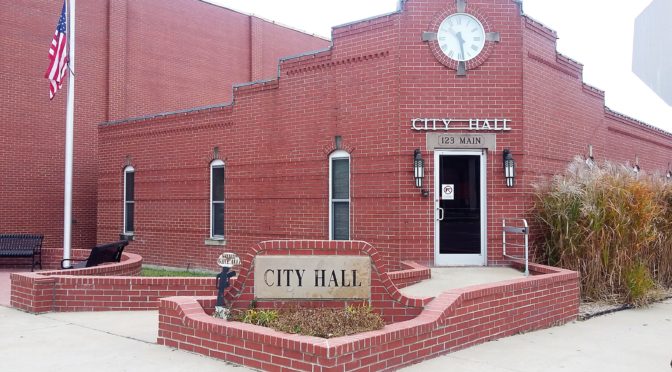
Emergency Response Loans In Fort Scott
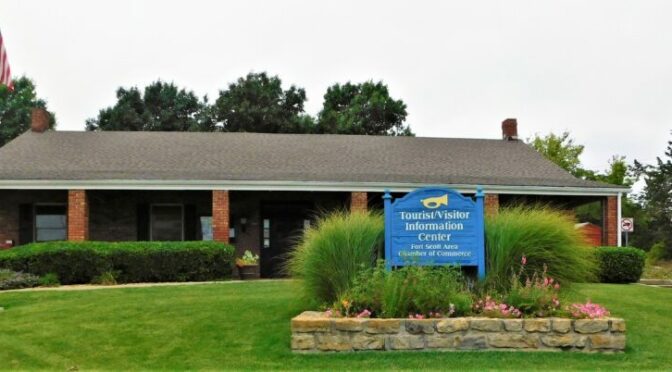
Need A Source of Income? Jobs Are Available

With the loss of jobs due to the pandemic in the country, many people are looking for sources of income after losing their jobs.
The Fort Scott Area Chamber of Commerce has put together a list of available local jobs.
RETAIL
TRACTOR SUPPLY 2420 S. Main St.
Store Team Member
WAL-MART~ Ft. Scott
General Maintenance
Caps 1 & 2 team Members
Cashiers
FOOD INDUSTRY
DOMINO’S ~ www.jobs.dominos.com
Customer Service Rep
Delivery Driver’s
ARBY’S~ Ft. Scott
Crew Members
McDonald’s ~ 2224 S. Main St.
Assistant Manager
Crew Person
PIZZA HUT ~ 1810 S. Main St.
Team Member
Assistant Restaurant Manager
Delivery Driver
Restaurant General Manager
WENDY’S~ 2000 S. Main St.
Crew Member
Assistant General Manager
Restaurant Manager
TACO BELL~ 2305 S. Main St.
General Manager
Crew Member
Shift Leaders
SUBWAY~ 1715 S. National Ave.
Sandwich Artist
DAIRY QUEEN~ Ft. Scott
Shift Leader
MANUFACTURING
CAPSTONE LOGISTICS www.capstone.jobs
Warehouse Associate
LABCONCO Corp.~ 2500 Liberty Bell Rd
Mechanical Assembly
EXTRUSIONS, INC.~ 2401 S. Main St.
Manufacturing Positions
PEERLESS PRODUCTS ~ 2403 S. Main St.
Production (entry level) Assembler
Second Shift Saw Operator
CNC Operator – 2nd shift
Field Service Technician
Janitorial
Thermal Labor
MID-CONTINENTAL ~ 401 E. Hudson St.
Construction Laborers
Brick/Stone Mason
Apprentice
UTILITIES SAFETY & DESIGN, INC.
Natural Gas Technician – travel, on-call.
$15-$20 pay range
Apply on Indeed or USDI out of Wichita
ASSOCIATED WHOLESALE GROCERS
Case Picker/Warehouse
Stack Station Operator
WARD-KRAFT~ 2401 Cooper St.
Production Member
CUSTOMER SERVICE/SALES/CLERICAL
WARD-KRAFT~ 2401 Cooper St.
Data Entry/ CSR
COBALT MEDPLANS ~ 2801 S. Horton St.
Claims Examiner
Customer Service Representative
DFC – State of Kansas
Child Protection Specialist
KEY INDUSTRIES, INC. www.keyapparel.com
Direct Business Sales to Business
LANDMARK NATIONAL BANK ~ Ft. Scott
Full-Time Teller – South Branch
Commercial Banking Loan Assistant
FIRST SOURCE TRANSACTION SERVICE
F/T Claims Examiner
F/T Data Entry
BRIGGS AUTO GROUP, FT. SCOTT
Receptionist/Administrative Assistant
UMB Financial Corporation
Personal Banker I
Rent-A-Center – Ft. Scott
Customer Account Rep
E3 Ranch – Ft. Scott, KS
Digital Marketing Coordinator, Social
Media, Email, Social Media
TFI FAMILY SERVICES- Ft. Scott, KS
Adoption Accelerator
T-ROC– Ft. Scott, KS
Wireless Specialist (F/T) Feeder
CASH To GO– Ft. Scott, KS
Office Manager
MISCELLANEOUS
RAILCREW XPRESS ~ Lenexa, KS
Professional Drivers
RUSSELL CELLULAR ~ Ft. Scott
Wireless Retail Sales Associate
HEALTHCARE
MEDICALODGES~medicalodges.jobs.net
HCBS Supervisor – Home Health
Home Health Aide – PCS
Certified Nursing Assistant
PRESBYTERIAN VILLIAGE ~
2401 S. Horton
PRN & CAN
PRN – Sining Service Assist. Dietary Aide
RN
PRN
PRN & CMA
PRN – Housekeeping/Laundry Supervisor
CHC/SEK ~ Fort Scott
Registration Clerk/Primary Care
Tri-Valley Development Services ~ 4305 Campbell
Residential Services Specialist
Day Services Specialist (DSS)
INTEGRITY HOME & HOSPICE CARE IntegrityHC.com/employment.jobs
Home Health RN Case Mgr $2500 Bonus
Hospice RN Case Manager
Hospice Rn/PRN
Hospice RN Part Time
Home Health PRN/RN
R1 RCM– Ft. Scott (PRN)
Patient Registration Rep.
Public Hearing Notice Economic Development Applications
The City of Fort Scott is posting this notice for the purpose of considering
applications to be submitted under the CDBG Local Revolving Loan Emergency Response for the effects of COVID 19 on local businesses.
The funds will be used for working capital such as: salaries, wages, inventory, utilities, rent, insurance payments, etc., and must retain LMI (low to moderate income) jobs. The estimated fund amounts available will be over $265,000.
Program and application information may be found at fscity.org. Contact Rachel Pruitt for additional details at rpruitt@fscity.org
April 3 Online Session for Small Businesses
Kansas officials to provide information to small businesses via First Friday online session April 3
Heads of agencies will take part in K-State monthly program in light of COVID-19
MANHATTAN, Kan. – Officials of two lead Kansas agencies responding to the COVID-19 outbreak will provide information for small businesses online Friday, April 3 at 9:30 am, as part of K-State Research and Extension’s First Friday monthly webinar series. The call will be recorded and archived.
The session, to be conducted via Zoom, is free and open to anyone interested in resources available to the public, particularly small businesses and employees in Kansas affected by the global pandemic.
Speakers include:
- David Toland, Kansas Secretary of Commerce
- Delia Garcia, Kansas Secretary of Labor
- Laurel Klein Searles, Kansas Director of Unemployment Services
“Kansas has responded quickly to the concerns of small businesses and employees who have lost their livelihoods because of COVID-19,” said Nancy Knopp Daniels, community vitality specialist with K-State Research and Extension. “This call occurs every month in support of small business, but this month we have a special edition to highlight these response programs.”
She noted that a record 3.3 million Americans filed unemployment claims in the past week, which eclipsed the old record of 695,000 new claims in 1982.
To participate, go to https://ksu.zoom.us/j/2636377104; or One-Tap Mobile, + 13462487799,,2636377104#.
More information about First Friday e-Calls is available online or by contacting Daniels at 785-410-6352 or nkdaniels@ksu.edu.
The Small Business Owner’s Guide to the CARES Act
The programs and initiatives in the Coronavirus Aid, Relief, and Economic Security (CARES) Act that was just passed by Congress are intended to assist business owners with whatever needs they have right now.
When implemented, there will be many new resources available for small businesses, as well as certain non-profits and other employers.
This guide provides information about the major programs and initiatives that will soon be available from the Small Business Administration (SBA) to address these needs, as well as some additional tax provisions that are outside the scope of SBA.
To keep up to date on when these programs become available, please stay in contact with your local Small Business Administration (SBA) District Office, which you can locate here.
Struggling to get started? The following questions might help point you in the right direction.
Do you need:
• Capital to cover the cost of retaining employees? Then the Paycheck Protection Program might be right for you.
• A quick infusion of a smaller amount of cash to cover you right now? You might want to look into an Emergency Economic Injury Grant.
• To ease your fears about keeping up with payments on your current or potential SBA loan? The Small Business Debt Relief Program could help.
• Just some quality, free counseling to help you navigate this uncertain economic time? The resource partners might be your best bet.
Already know what resources you’re looking for? The table of contents can direct you to more information about the program or assistance product you need.
Table of Contents
Paycheck Protection Program Loans
2
Small Business Debt Relief Program
6
Economic Injury Disaster Loans and Emergency Economic Injury Grants
7
Small Business Counseling
9
Small Business Contracting
10
Small Business Tax Provisions
11
2
Paycheck Protection Program (PPP) Loans
The program would provide cash-flow assistance through 100 percent federally guaranteed loans to employers who maintain their payroll during this emergency. If employers maintain their payroll, the loans would be forgiven, which would help workers remain employed, as well as help affected small businesses and our economy snap-back quicker after the crisis.
PPP has a host of attractive features, such as forgiveness of up to 8 weeks of payroll based on employee retention and salary levels, no SBA fees, and at least six months of deferral with maximum deferrals of up to a year.
Small businesses and other eligible entities will be able to apply if they were harmed by COVID-19 between February 15, 2020 and June 30, 2020. This program would be retroactive to February 15, 2020, in order to help bring workers who may have already been laid off back onto payrolls. Loans are available through June 30, 2020.
FREQUENTLY ASKED QUESTIONS
QUESTION:
What types of businesses and entities are eligible for a PPP loan?
Answer:
• Businesses and entities must have been in operation on February 15, 2020.
• Small business concerns, as well as any business concern, a 501(c)(3) nonprofit organization, a 501(c)(19) veterans organization, or Tribal business concern described in section 31(b)(2)(C) that has fewer than 500 employees, or the applicable size standard in number of employees for the North American Industry Classification System (NAICS) industry as provided by SBA, if higher.
• Individuals who operate a sole proprietorship or as an independent contractor and eligible self-employed individuals.
• Any business concern that employs not more than 500 employees per physical location of the business concern and that is assigned a NAICS code beginning with 72, for which the affiliation rules are waived.
• Affiliation rules are also waived for any business concern operating as a franchise that is assigned a franchise identifier code by the Administration, and company that receives funding through a Small Business Investment Company.
QUESTION:
What are affiliation rules?
Answer:
Affiliation rules become important when SBA is deciding whether a business’s affiliations preclude them from being considered “small.” Generally, affiliation exists when one business controls or has the power to control another or when a third party (or parties) controls or has the power to control both businesses. Please see this resource for more on these rules and how they can impact your business’s eligibility.
QUESTION:
What types of non-profits are eligible?
Answer:
In general, 501(c)(3) and 501(c)(19) non-profits with 500 employees or fewer as most non-profit SBA size standards are based on revenue, not employee number. You can check here.
FAQ’s continue on the next page!
3
QUESTION:
How is the loan size determined?
Answer:
Depending on your business’s situation, the loan size will be calculated in different ways (see below). The maximum loan size is always $10 million.
• If you were in business February 15, 2019 – June 30, 2019: Your max loan is equal to 250 percent of your average monthly payroll costs during that time period. If your business employs seasonal workers, you can opt to choose March 1, 2019 as your time period start date.
• If you were not in business between February 15, 2019 – June 30, 2019: Your max loan is equal to 250 percent of your average monthly payroll costs between January 1, 2020 and February 29, 2020.
• If you took out an Economic Injury Disaster Loan (EIDL) between February 15, 2020 and June 30, 2020 and you want to refinance that loan into a PPP loan, you would add the outstanding loan amount to the payroll sum.
QUESTION:
What costs are eligible for payroll?
Answer:
• Compensation (salary, wage, commission, or similar compensation, payment of cash tip or equivalent)
• Payment for vacation, parental, family, medical, or sick leave
• Allowance for dismissal or separation
• Payment required for the provisions of group health care benefits, including insurance premiums
• Payment of any retirement benefit
• Payment of State or local tax assessed on the compensation of employees
QUESTION:
What costs are not eligible for payroll?
Answer:
• Employee/owner compensation over $100,000
• Taxes imposed or withheld under chapters 21, 22, and 24 of the IRS code
• Compensation of employees whose principal place of residence is outside of the U.S.
• Qualified sick and family leave for which a credit is allowed under sections 7001 and 7003 of the Families First Coronavirus Response Act
QUESTION:
What are allowable uses of loan proceeds?
Answer:
• Payroll costs (as noted above)
• Costs related to the continuation of group health care benefits during periods of paid sick, medical, or family leave, and insurance premiums
• Employee salaries, commissions, or similar compensations (see exclusions above)
• Payments of interest on any mortgage obligation (which shall not include any prepayment of or payment of principal on a mortgage obligation)
• Rent (including rent under a lease agreement)
• Utilities
• Interest on any other debt obligations that were incurred before the covered period
FAQ’s continue on the next page!
4
QUESTION:
What are the loan term, interest rate, and fees?
Answer:
For any amounts not forgiven, the maximum term is 10 years, the maximum interest rate is 4 percent, zero loan fees, zero prepayment fee (SBA will establish application fees caps for lenders that charge).
QUESTION:
How is the forgiveness amount calculated?
Answer:
Forgiveness on a covered loan is equal to the sum of the following payroll costs incurred during the covered 8 week period compared to the previous year or time period, proportionate to maintaining employees and wages (excluding compensation over $100,000):
• Payroll costs plus any payment of interest on any covered mortgage obligation (not including any prepayment or payment of principal on a covered mortgage obligation) plus any payment on any covered rent obligation plus and any covered utility payment.
QUESTION:
How do I get forgiveness on my PPP loan?
Answer:
You must apply through your lender for forgiveness on your loan. In this application, you must include:
• Documentation verifying the number of employees on payroll and pay rates, including IRS payroll tax filings and State income, payroll and unemployment insurance filings.
• Documentation verifying payments on covered mortgage obligations, lease obligations, and utilities.
• Certification from a representative of your business or organization that is authorized to certify that the documentation provided is true and that the amount that is being forgiven was used in accordance with the program’s guidelines for use.
QUESTION:
What happens after the forgiveness period?
Answer:
Any loan amounts not forgiven are carried forward as an ongoing loan with max terms of 10 years, at a maximum interest rate of 4%. Principal and interest will continue to be deferred, for a total of 6 months to a year after disbursement of the loan. The clock does not start again.
QUESTION:
Can I get more than one PPP loan?
Answer:
No, an entity is limited to one PPP loan. Each loan will be registered under a Taxpayer Identification Number at SBA to prevent multiple loans to the same entity.
QUESTION:
Where should I go to get a PPP loan from?
Answer:
All current SBA 7(a) lenders (see more about 7(a) here) are eligible lenders for PPP. The Department of Treasury will also be in charge of authorizing new lenders, including non-bank lenders, to help meet the needs of small business owners.
5
QUESTION:
How does the PPP loan coordinate with SBA’s existing loans?
Answer:
Borrowers may apply for PPP loans and other SBA financial assistance, including Economic Injury Disaster Loans (EIDLs), 7(a) loans, 504 loans, and microloans, and also receive investment capital from Small Business Investment Corporations (SBICs). However, you cannot use your PPP loan for the same purpose as your other SBA loan(s). For example, if you use your PPP to cover payroll for the 8-week covered period, you cannot use a different SBA loan product for payroll for those same costs in that period, although you could use it for payroll not during that period or for different workers.
QUESTION:
How does the PPP loan work with the temporary Emergency Economic Injury Grants and the Small Business Debt Relief program?
Answer:
Emergency Economic Injury Grant and Economic Injury Disaster Loan (EIDL) recipients and those who receive loan payment relief through the Small Business Debt Relief Program may apply for and take out a PPP loan as long as there is no duplication in the uses of funds. Refer to those sections for more information.
6
Small Business Debt Relief Program
This program will provide immediate relief to small businesses with non-disaster SBA loans, in particular 7(a), 504, and microloans. Under it, SBA will cover all loan payments on these SBA loans, including principal, interest, and fees, for six months. This relief will also be available to new borrowers who take out loans within six months of the President signing the bill into law.
FREQUENTLY ASKED QUESTIONS
QUESTION:
Which SBA loans are eligible for debt relief under this program?
Answer:
7(a) loans not made under the Paycheck Protection Program (PPP), 504 loans, and microloans. Disaster loans are not eligible (see p. 7 for more information on these).
QUESTION:
How does debt relief under this program work with a PPP loan?
Answer:
Borrowers may separately apply for and take out a PPP loan, but debt relief under this program will not apply to a PPP loan.
QUESTION:
How do I know if I’m eligible for a 7(a), 504, or microloan?
Answer:
In general, businesses must meet size standards, be based in the U.S., be able to repay, and have a sound business purpose. To check whether your business is considered small, you will need your business’s 6-digit North American Industry Classification System (NAICS) code and 3-year average annual revenue. Each program has different requirements, see https://www.sba.gov/funding-programs/loans for more details.
QUESTION:
What is a 7(a) loan and how do I apply?
Answer:
7(a) loans are an affordable loan product of up to $5 million for borrowers who lack credit elsewhere and need access to versatile financing, providing short-term or long-term working capital and to purchase an existing business, refinance current business debt, or purchase furniture, fixtures and supplies. In the program, banks share a portion of the risk of the loan with SBA. There are many different types of 7(a) loans, you can visit this site to find the one that’s best for you. You apply for a 7(a) loan with a bank or a mission-based lender. SBA has a free referral service tool called Lender Match to help find a lender near you.
QUESTION:
What is a 504 loan and how do I apply?
Answer:
The 504 Loan Program provides loans of up to $5.5 million to approved small businesses with long-term, fixed-rate financing used to acquire fixed assets for expansion or modernization. It is a good option if you need to purchase real estate, buildings, and machinery. You apply through a Certified Development Company, which is a nonprofit corporation that promotes economic development. SBA has a free referral service tool called Lender Match to help find a lender near you.
QUESTION:
What is a microloan and how do I apply?
Answer:
The Microloan Program provides loans up to $50,000 to help small businesses and certain not-for-profit childcare centers to start up and expand. The average microloan is about $13,000. These loans are delivered through mission-based lenders who are also able to provide business counseling. SBA has a free referral service tool called Lender Match to help find a microlender near you.
QUESTION:
I am unfamiliar with SBA loans, can anyone help me apply?
Answer:
Yes, SBA resource partners are available to help guide you through the loan application process. You can find your nearest Small Business Development Center (SBDC) or Women’s Business Center here.
7
Economic Injury Disaster Loans & Emergency Economic Injury Grants
These grants provide an emergency advance of up to $10,000 to small businesses and private non-profits harmed by COVID-19 within three days of applying for an SBA Economic Injury Disaster Loan (EIDL). To access the advance, you first apply for an EIDL and then request the advance. The advance does not need to be repaid under any circumstance, and may be used to keep employees on payroll, to pay for sick leave, meet increased production costs due to supply chain disruptions, or pay business obligations, including debts, rent and mortgage payments.
FREQUENTLY ASKED QUESTIONS
QUESTION:
Are businesses and private non-profits in my state eligible for an EIDL related to COVID-19?
Answer:
Yes, those suffering substantial economic injury in all 50 states, DC, and the territories may apply for an EIDL.
QUESTION:
What is an EIDL and what is it used for?
Answer:
EIDLs are lower interest loans of up to $2 million, with principal and interest deferment at the Administrator’s discretion, that are available to pay for expenses that could have been met had the disaster not occurred, including payroll and other operating expenses.
QUESTION:
Who is eligible for an EIDL?
Answer:
Those eligible are the following with 500 or fewer employees:
• Sole proprietorships, with or without employees
• Independent contractors
• Cooperatives and employee owned businesses
• Tribal small businesses
Small business concerns and small agricultural cooperatives that meet the applicable size standard for SBA are also eligible, as well as most private non-profits of any size. See below for more info on size standards.
QUESTION:
My private non-profit is not a 501(c)(3). Is it still eligible for an EIDL and a grant?
Answer:
Yes, if you are a private non-profit with an effective ruling letter from the IRS, granting tax exemption under sections 501(c), (d), or (e) of the Internal Revenue Code of 1954, or if you can provide satisfactory evidence from the State that the non-revenue producing organization or entity is a non-profit one organized or doing business under State law. However, a recipient that is principally engaged in teaching, instructing, counseling, or indoctrinating religion or religious beliefs, whether in a religious or secular setting, or primarily engaged in political or lobbying activities is not eligible to receive an EIDL. If you are uncertain whether you qualify, please consult with legal counsel to determine whether your organization meets program criteria.
QUESTION:
Who is eligible for an Emergency Economic Injury Grant?
Answer
Those eligible for an EIDL and who have been in operation since January 31, 2020, when the public health crisis was announced.
8
QUESTION:
How long are Emergency Economic Injury Grants available?
Answer:
January 31, 2020 – December 31, 2020. The grants are backdated to January 31, 2020 to allow those who have already applied for EIDLs to be eligible to also receive a grant.
QUESTION:
If I get an EIDL and/or an Emergency Economic Injury Grant, can I get a PPP loan?
Answer:
Whether you’ve already received an EIDL unrelated to COVID-19 or you receive a COVID-19 related EIDL and/or Emergency Grant between January 31, 2020 and June 30, 2020, you may also apply for a PPP loan. If you ultimately receive a PPP loan or refinance an EIDL into a PPP loan, any advance amount received under the Emergency Economic Injury Grant Program would be subtracted from the amount forgiven in the PPP. However, you cannot use your EIDL for the same purpose as your PPP loan. For example, if you use your EIDL to cover payroll for certain workers in April, you cannot use PPP for payroll for those same workers in April, although you could use it for payroll in March or for different workers in April.
QUESTION:
How do I know if my business is a small business?
Answer:
Please visit https://www.sba.gov/size-standards/ to find out if your business meets SBA’s small business size standards. You will need the 6-digit North American Industry Classification Code for your business and your business’s 3-year average annual revenue.
QUESTION:
How do I apply for an economic injury disaster loan?
Answer:
To apply for an EIDL online, please visit https://disasterloan.sba.gov/ela/. Your SBA District Office is an important resource when applying for SBA assistance.
QUESTION:
I am unfamiliar with the EIDL process, can anyone help me apply?
Answer:
Yes, SBA resource partners are available to help guide you through the EIDL application process. You can find the nearest Small Business Development Center (SBDC), Women’s Business Center, or SCORE mentorship chapter at https://www.sba.gov/local-assistance/find/.
9
Counseling & Training
If you, like many small business owners, need a business counselor to help guide you through this uncertain time, you can turn to your local Small Business Development Center (SBDC), Women’s Business Center (WBC), or SCORE mentorship chapter. These resource partners, and the associations that represent them, will receive additional funds to expand their reach and better support small business owners with counseling and up-to-date information regarding COVID-19. There will soon be a joint platform that consolidates information and resources related to COVID-19 in order to provide consistent, timely information to small businesses. To find a local resource partner, visit https://www.sba.gov/local-assistance/find/.
In addition, the Minority Business Development Agency’s Business Centers (MBDCs), which cater to minority business enterprises of all sizes, will also receive funding to hire staff and provide programming to help their clients respond to COVID-19. Not every state has a MBDC. To find out if there is one that services your area, visit this site.
FREQUENTLY ASKED QUESTIONS
QUESTION:
Do I have to pay for counseling and training through SBDCs, WBCs, and MBDCs?
Answer:
Counseling is free and training is low-cost with these partners. The additional funds that Congress provided will help keep this possible. Mentorship through SCORE is always free.
QUESTION:
What is a SBDC?
Answer:
SBDCs are a national network of nearly 1,000 centers that are located at leading universities, colleges, state economic development agencies and private partners. They provide counseling and training to new and existing businesses. Each state has a lead center that coordinates services specifically for that state, which you can find by clicking the link above. To find out more about SBDCs, visit https://americassbdc.org/about-us/.
QUESTION:
What is a WBC; is it only for women?
Answer:
WBCs are a national network of more than 100 centers that offer one-on-one counseling, training, networking, workshops, technical assistance and mentoring to entrepreneurs on numerous business development topics. In addition to women, WBCs are mandated to serve the needs of underserved entrepreneurs, including low-income entrepreneurs. They often offer flexible hours to meet the needs of their diverse clientele. To find out more about WBCs, visit https://www.awbc.org/.
QUESTION:
What is SCORE?
Answer
SCORE provides free, confidential business advice through our volunteer network of 10,000+ business experts. You can meet with a mentor online. Find out more here.
QUESTION:
Who do MBDCs serve?
Answer:
MBDCs are a good option for minority-owned businesses (including those owned by Black, Hispanic, Asian American/Pacific Islander, and American Indian business owners), especially those seeking to penetrate new markets — domestic & global — and grow in size and scale.
10
Contracting
If you are a government contractor, there are a number of ways that Congress has provided relief and protection for your business. Agencies will be able to modify terms and conditions of a contract and to reimburse contractors at a billing rate of up to 40 hours per week of any paid leave, including sick leave. The contractors eligible are those whose employees or subcontractors cannot perform work on site and cannot telework due to federal facilities closing because of COVID-19.
If you need additional assistance, please reach out to your local Small Business Development Center, Women’s Business Center, SCORE chapter, or SBA District Office. You should also work with your agency’s contracting officer, as well as the agency’s Office of Small and Disadvantaged Business Utilization (OSDBU).
11
Small Business Tax Provisions
Employee Retention Credit for Employers Subject to Closure or Experiencing Economic Hardship
This provision would provide a refundable payroll tax credit for 50 percent of wages paid by eligible employers to certain employees during the COVID-19 crisis. The credit is available to employers, including non-profits, whose operations have been fully or partially suspended as a result of a government order limiting commerce, travel or group meetings. The credit is also provided to employers who have experienced a greater than 50 percent reduction in quarterly receipts, measured on a year-over-year basis.
Wages of employees who are furloughed or face reduced hours as a result of their employer’s closure or economic hardship are eligible for the credit. For employers with 100 or fewer full-time employees, all employee wages are eligible, regardless of whether an employee is furloughed. The credit is provided for wages and compensation, including health benefits, and is provided for the first $10,000 in wages and compensation paid by the employer to an eligible employee. Wages do not include those taken into account for purposes of the payroll credits for required paid sick leave or required paid family leave, nor for wages taken into account for the employer credit for paid family and medical leave (IRC sec. 45S).
• The credit is not available to employers receiving assistance through the Paycheck Protection Program. The credit is provided through December 31, 2020.
Delay of Payment of Employer Payroll Taxes
This provision would allow taxpayers to defer paying the employer portion of certain payroll taxes through the end of 2020, with all 2020 deferred amounts due in two equal installments, one at the end of 2021, the other at the end of 2022. Payroll taxes that can be deferred include the employer portion of FICA taxes, the employer and employee representative portion of Railroad Retirement taxes (that are attributable to the employer FICA rate), and half of SECA tax liability.
• Deferral is not provided to employers receiving assistance through the Paycheck Protection Program.
Craw-Kan Provides Internet Service in Designated Areas For Students Going Online

Craw-Kan Telephone Cooperative, Girard, is giving several area high school students and staff who may not have internet connectivity at home, a place where they can connect for free.
This is an effort to help with aiding students and staff in online school work as physical access to schools has been shut down due to the Covid-19 pandemic, Zach Adams, Craw-Kan Marketing Manager said.
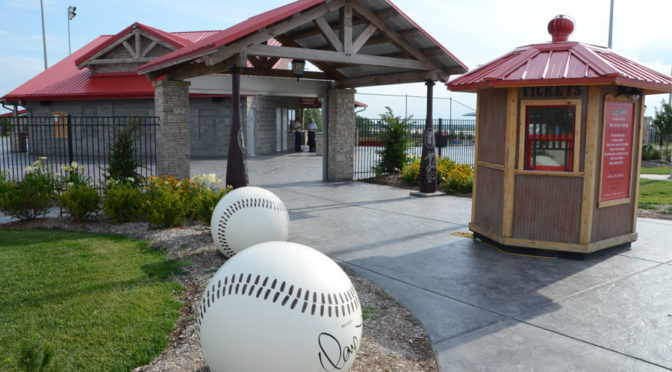
As of March 30, Craw-Kan has hotspots located at LaRoche Baseball Complex in Fort Scott’s Industrial Park, south of the city and the new Fort Scott Central office building, located south of Family Video on National Avenue and in Uniontownon on the north side of the town square.

“We have plans to add additional wifi hotspots to other rural Bourbon county communities this week as wifi equipment becomes available,” he said. “The SSID (name) of the wifi connection that you will see on your device will be ‘Craw-Kan Free WIFI’ .”
To view a map of the free hot spots click below:

“This map is the go-to,” Adams said. More hot spots will be added.
“Craw-Kan deployed a large number of our staff last week to bring as many wifi hotspots online across our very large service area,” Adams said. “As of March 30, 2020, we had 24 different hotspots available in about 10 or so school districts across Southeast Kansas and a couple in Southwest Missouri.”

“They are fully open public wifi hotspots and no password is required,” he said.
One has to be near the hot spot to use it.
“While we are using high power outdoor wifi transmitters, you must still be within range to use the internet at one of these hotspots,” Adams said. “The range of these radios differs by locations, however, most reach a 150 – 300 ft radius around the hotspot. Basically they are designed to be drive-up/walk-up access and we do ask that anyone using the hot spot exercises proper caution and maintains social distancing guidelines recommended by the State of Kansas. “
“While we implemented this program to assist in online education, the general public would be allowed to access these wifi hotspots for other uses,” he said. “However, we do reserve the right to block traffic that would be considered abuse at our discretion. This is not designed for people to sit in their cars and watch Tiger King on Netflix or stream all the Star Wars movies on Disney +. We will be monitoring traffic/bandwidth usage and can block usage by service (or individual device) if needed to maintain the integrity of the connection for student educational usage.”

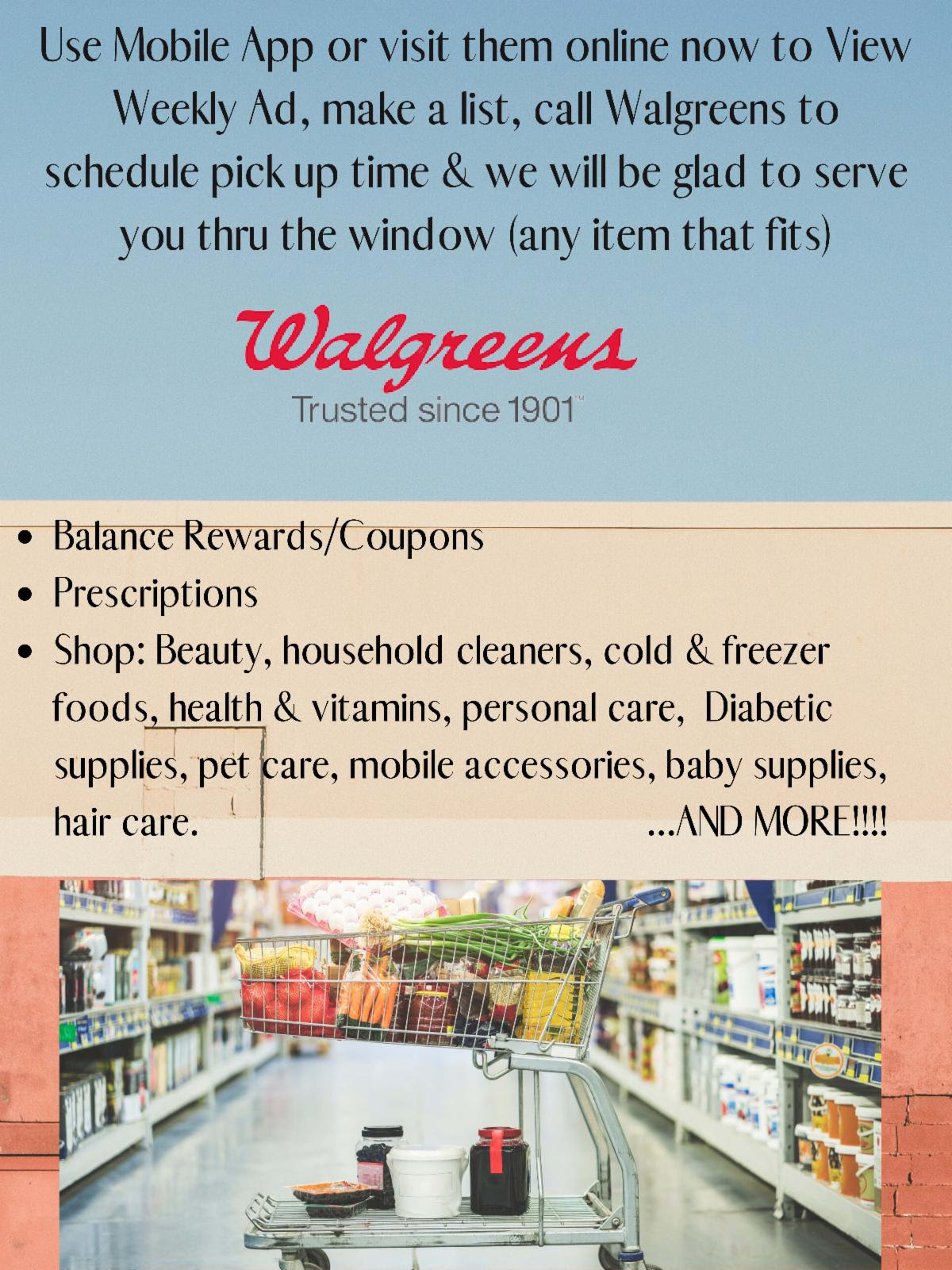
Walgreens: Offering In-Store Products Through the Pharmacy Drive-Through

Need A Job? First Source Is Hiring
|
|
|

|
|
|