Click below:
All posts by Submitted Story
The Fort Scott Police Department Daily Reports Jan. 30-Feb. 3
Click below:
“Outstanding” Weekend for FSHS Forensics Team

The Fort Scott High School Forensics team competed in Chanute on Friday and Saturday as well as in Lawrence on Saturday.
On Friday night at Chanute, in Congress, Lincoln Douglas, and Public Forum Debate: Thade Yates placed 5th in Novice House, Neil Gugnani placed 2nd in Novice house, Jacob Ham and Zach Mundhenke placed 5th in PFD, Audra McFarland and Karina Kantilal placed 3rd in PFD, Grant Feagins and Shekhar Gugnani placed 2nd in PFD, Mark Adams placed 2nd in LD and Rebekah Sweyko placed 1st in Open house.
On Saturday, at Chanute, Poetry: 1st place and state qualifier Chloè Studyvin, Duo: 1st place and state qualifier Chloe Studyvin and Rebekah Sweyko, Impromptu: 1st place and state qualifier Rebekah Sweyko,
Domestic Extemp: 2nd place and state qualifier Rebekah Sweyko,
International Extemp: Novice Shekhar Gugnani takes 5th place!
At Lawrence High School on Saturday, in Poetry: Placing second and qualifying for state was Brooklyn Lyons and placing first and qualifying for state was Elizabeth Ngatia.
In Prose: Placing first and qualifying for state was Brooklyn Lyons.
In Duo: Placing fourth Audra McFarland and Karina Kantilal and in
Original Oration: Placing first and qualifying to state was Elizabeth Ngatia.
In Program of Oral Interpretation: Placing second was Karina Kantilal.
Finally, in Domestic Exempt and Impromptu Placing first and qualifying for state in both is Mark Adams.
We had an outstanding first weekend out, and we look forward to improving even more as the year progresses.
Submitted by Angella Curran.
Minutes of the Fort Scott City Commission Jan. 15
CITY OF FORT SCOTT
CITY COMMISSION MEETING
Minutes of January 15, 2019 Regular Meeting #1
The regular meeting of the Fort Scott City Commission was held January 15th, 2019 at 6:00 p.m. in the City Commission Room, 123 S. Main, Fort Scott, Kansas.
ROLL CALL:
Commissioners Adamson, Bartelsmeyer, Nichols, and Parker were present with Mayor Mitchell presiding.
INVOCATION: Pastor Norman Tillotson, First Baptist Church, said a prayer asking God for guidance for the City, our Government and City officials.
AUDIENCE IN ATTENDANCE: Arnold Schofield, Travis Shelton, Rhonda Dunn, Darrell Parker, Larry Gazaway, Deb Needleman, Rachel Pruitt, Pastor Norman Tillotson, Seth Simpson, Jennifer LaRoche, Billy Keith, Mark McCoy, Chad Brown, Jody Hoener, Frank Adamson, Kevin Allen, Lindsay Madison, Clayton Miller, and representing the press, Jason Silvers, Fort Scott Tribune.
PROCLAMATIONS/RECOGNITIONS: Recognition of Alpha Money and Randy Ballweber – Codes Certification – (Rescheduled to February 5th, 2019 meeting)
APPROVAL OF MINUTES AND APPROPRIATIONS/CONSENT AGENDA:
-
Approval of minutes of the regular meeting of December 18th, 2018.
-
Approval of Appropriation Ordinance 1230-A totaling $581,238.41.
-
Resolution 1-2019 designating the official City newspaper.
-
Resolution 2-2019 designating the official City depositories for public funds
-
Certificate of Appropriateness – 7 South National Avenue and 6 East Wall
-
Certificate of Appropriateness – 10-12 East Wall Street
-
Certificate of Appropriateness – 124 E. Wall Street
-
Resolution 3-2019 – Notice of Hearing with Reference to Alleged Unsafe and Dangerous Structure located at 1612 E. Oak – Public Hearing Date – 3/5/2019 at 6:15 p.m.
Commissioner Parker asked about Item G, the Certificate of Appropriateness for 124 E. Wall. She reviewed the information in the packet and asked if this outdoor addition needed approval from SHIPO. She asked if more detailed drawings were needed from the property owner.
Arnold Schofield, Chairman, Design Review Board, was present and said that SHIPO is more concerned with alterations to the exterior and interior, and outside features are left to the local government officials to approve. The original photos submitted were not to the Board’s liking, but Rachel added the dimensions to the photos as she was also at the meeting and then showed them to the Board, and this was ultimately approved.
A discussion was also held about the outside park area and if the property owner was responsible for any liability. Jody Hoener said that she has talked to her insurance carrier already on this. It is a private playground area.
Bartlesmeyer moved the Consent Agenda. Nichols seconded. All voted aye.
APPROVED CONSENT AGENDA.
REORGANIZATION OF CITY COMMISSION AND ELECTION OF MAYOR, COMMISSION PRESIDENT, B.C.E.D.C.I. REPRESENTATIVE, AND FORT SCOTT HOUSING AUTHORITY DELEGATE.
-
-
Election of Mayor
-
Commissioners thanked JoLynne Mitchel for the great job she did serving as Mayor the last two and a half years.
Bartelsmeyer moved to appoint Jeanie Parker as Mayor of the City of Fort Scott. Nichols seconded. All voted aye.
APPOINTED JEANIE PARKER AS MAYOR OF THE CITY OF FORT SCOTT.
City Clerk, Diane Clay, administered the Oath of Office to the newly elected Mayor, Jeanie Parker.
-
-
Election of Commission President
-
Nichols moved to appoint Cindy Bartelsmeyer as President of the Fort Scott City Commission. Adamson seconded. All voted aye.
APPOINTED CINDY BARTELSMEYER AS PRESIDENT OF THE FORT SCOTT CITY COMMISSION.
-
-
Election of Bourbon County Economic Development Council Inc. Representative
-
Bartelsmeyer moved to appoint Dr. Randy Nichols as the City’s representative on the Bourbon County Economic Development Council, Inc. Adamson seconded. All voted aye.
APPOINTED DR. RANDY NICHOLS AS THE CITY’S REPRESENTATIVE FOR THE BOURBON COUNTY ECONOMIC DEVELOPMENT COUNCIL, INC.
-
-
Election of Fort Scott Housing Authority Delegate
-
Mitchell moved to appoint Cheryl Adamson as the City’s representative on the Fort Scott Housing Authority Board. Parker seconded. All voted aye.
APPOINTED CHERYL ADAMSON AS THE CITY’S REPRESENTATIVE FOR THE FORT SCOTT HOUSING AUTHORITY BOARD.
APPEARANCE/COMMENTS/PUBLIC HEARING:
-
APPEARANCE: Mark McCoy – Discussion on Visioning Committee – Mr. McCoy appeared before the Commission to discuss the idea of a joint City/County form of government. There is one county in the State of Kansas that has this form of government and that is in Wyandotte County. He asked for the Commission to consider putting a task force together to research this option.
City Manager said that City staff has been looking at this. We have to do what is best for the citizens of Fort Scott. He asked the Commission to consider supporting the visioning committee.
Adamson moved to approve to support the visioning committee and their research. Nichols seconded. All voted aye.
APPROVED TO SUPPORT THE VISIONING COMMITTEE AND THEIR RESEARCH INTO A JOINT CITY/COUNTY FORM OF GOVERNMENT.
B. CITIZEN COMMENTS (Concerning Items Not on Agenda – 3 minute
limit per citizen) – None
-
PUBLIC HEARINGS: None
CONSIDERATION:
-
Airport Electric Vault Upgrade – Rachel Pruitt, Economic Development Director, introduced Seth Simpson, Airport Manager, to the Commission. She informed the Commission that there is $150,000 in F.A.A. entitlement funds that need to be spent or they will expire. They would like to upgrade the electrical at the airport.
Seth Simpson informed them that a new structure will be built on the east side of the outside of the hangar. The structure will house all the electrical for the airport. LED lights will be installed which will be more energy efficient.
Rachel informed the Commission that she and Seth are meeting with the F.A.A. tomorrow afternoon. The grants have not been awarded yet.
-
Consideration to Solicit Bids – Self Contained Breathing Apparatus (16) – Paul Ballou, Fire Chief, informed the Commission that the Fire Department received an Assistance to Firefighters Grant (AFG) to replace the self-contained breathing apparatuses that are currently used by the Fire Department personnel during firefighting and hazardous environments. This grant was awarded in July of 2018. He asked for approval to solicit bids for 16 self-contained breathing apparatuses which the grant will pay for.
Mitchell moved to approve to solicit bids for 16 self-contained breathing apparatuses. Bartelsmeyer seconded. All voted aye.
APPROVED TO SOLICIT BIDS FOR 16 SELF-CONTAINED BREATHING APPARATUSES.
COMMISSION/STAFF:
-
Director Updates:
Deb Needleman – KCAMP – Deb informed the Commission that the City’s insurance group, KCAMP, has a Risk Avoidance Grant program. She applied for a grant and the City was awarded $2,000. This amount was used to purchase light bars for the Fire Chief and Deputy Fire Chief’s vehicles. She will apply again next year.
Frank Adamson – City Manager asked Frank Adamson to update the Commission on the Fisher Park project.
Frank said he started working on this project about three years ago. This project is to install a parking lot on the west side of Main Street to alleviate parking on Main Street when games are held. He has raised about $8,400. He has visited with AG Engineering who has estimated it will cost about $8,500 to design the parking lot. There will be some opposition due to the house that is located to the north side of the proposed area.
City Manager asked the Commission to discuss the proposed area with AG Engineering to see if it is feasible for a parking lot.
Nichols moved to allow the City Manager and Frank Adamson to visit with AG Engineering to see if the proposed area is feasible for a parking lot. Mitchell seconded. Bartelsmeyer, Mitchell, Nichols, and Parker voted aye. Adamson abstained. Motion carried.
Approved to allow the City Manager and Frank Adamson to visit with AG Engineering to see if the proposed area is feasible for a parking lot.
Rachel Pruitt – Rachel said she had several updates to give:
Price Chopper Incentives – Rachel informed the Commission that with the closure of Price Chopper, she wanted to point out that no taxpayer dollars are affected by the closing. Price Chopper had performance-based tax incentives with the CID and the TIF. She knew there had been several comments about how much taxpayer dollars were invested and there were none.
Fort Scott Lofts – Rachel shared photos of the floor plan for the Union Block building which will house Fort Scott Lofts. They plan to have nine units on the 1st floor. This will go through the Planning Commission process as they will need a Conditional Use Permit to allow residential living on the first floor of the building.
County Survey – Rachel said she just received, this afternoon, a copy of a survey that the County plans to send out. It is called the Bourbon County Business Retention and Expansion Survey. It is sponsored by Bourbon County, Healthy Bourbon County Action Team, Fort Scott Area Chamber of Commerce, and Live Local. It is a 13 page questionnaire. The City was not aware of this survey and she was told that the County Commission approved the survey today. There are specific City questions on this questionnaire and she would have liked for the City to be involved since there are specific City questions.
City Manager said that the City is not involved in this survey and if the County is going to do one, the City should have been asked about it. The City knows what our goals are: Lower taxes, Healthcare, and Streets. That is the City’s mission. The City should have seen this questionnaire first. He checked with the Chamber’s president and he had not seen this questionnaire either.
Commissioner Bartelsmeyer said that this questionnaire is not confidential due to the questions asked.
Commissioner Nichols said that he sits on one of the boards that is sponsoring this and had no idea about it.
City Manager stated that the City is not involved in it and does not support it.
Thanks – Rachel thanked the City Commissioners for serving on the board. They all do a great job!
B. City Commission:
Nichols – Congratulated Jeanie Parker on becoming Mayor and thanked JoLynne for serving as Mayor.
Adamson – Remarked that it was a pleasure to have JoLynne as Mayor.
Mitchell – Congratulated Jeanie Parker on becoming Mayor. She thanked Rachel for all her hard work.
Bartelsmeyer – She also expressed her congratulations to Jeanie Parker and thanked JoLynne for the great job she did while being Mayor.
Parker – Thanked JoLynne for her terms as Mayor and stated this will be a challenge but she will do her best as Mayor.
C. City Attorney: Nothing to report.
-
City Manager:
-
City Manager thanked JoLynne for the great job she did while she was Mayor. She always handled herself in a good manner.
-
Flag Pole at Skubitz Plaza – City Manager said that there was a letter to the editor in Saturday’s newspaper regarding the flag pole at Skubitz Plaza. This will have to go through the Design Review Board, and ultimately, the City Commission before any approval is given. It is still in the design stage and could take quite some time. The City will discuss any problems with this when more information is available.
-
Tourism – City Manager thanked Larry Gazaway for the great job he is doing traveling to trade shows and marketing Fort Scott and the LaRoche Baseball Complex. He appreciates his hard work.
ADJOURNMENT:
Mitchell moved to adjourn the meeting at 7:16 p.m. Parker seconded. All voted aye.
ADJOURNED MEETING AT 7:16 P.M.
The next regularly scheduled meeting is to be held on February 5th, 2019 at 6:00 p.m.
RECORDED BY:
DIANE K. CLAY
Fort Scott City Commision Agenda for Feb. 5
Agenda for the Fort Scott City Commission for Feb. 5 at 6 p.m. at city hall, 123 S. Main.
I. ROLL CALL:
ADAMSON BARTELSMEYER MITCHELL NICHOLS PARKER
II. FLAG SALUTE:
III. INVOCATION: Pastor Matthew Hunt, Faith Church
IV. PROCLAMATIONS/RECOGNITIONS: Recognition of Alpha Money and Randy Ballweber – Codes Certification
V. CONSENT AGENDA:
-
Approval of minutes of the regular meeting of January 15th, 2019.
-
Approval of Appropriation Ordinance 1231-A totaling $589,319.33.
-
Approval of 2019 Cereal Malt Beverage License – Package Sales – GW2 DBA Cash Saver, 911 E. 6th Street
VI. APPEARANCE/COMMENTS/PUBLIC HEARING:
-
APPEARANCE: Jerry Witt, Riverfront lighting
B. CITIZEN COMMENTS (Concerning Items Not on Agenda – 3 minute limit per citizen) –
C. PUBLIC HEARINGS/COMMENTS: None
VII. CONSIDERATION:
-
Consideration of Resolution 3-2019 declaring it necessary to acquire Fire Fighting Equipment for use by the Fire Department of the City of Fort Scott, Kansas and to issue General Obligation Bonds of said City to pay the costs thereof; and providing for the giving of notice of intention to acquire said equipment and to issue said General Obligation Bonds
- Consideration of appointments to Golf Course Advisory Board
- Approval of 2019 ADM Contract
- Approval to purchase sewer push camera
- Approval to solicit bids for water leak correlator
- Consideration of new life insurance benefit offering
VIII. COMMENTS:
- Director Updates:
- Commission:
- City Manager:
EXECUTIVE SESSION:
I MOVE THAT THE CITY COMMISSION RECESS INTO EXECUTIVE
SESSION FOR ________________________________ IN ORDER TO
(see below justification)
DISCUSS ______________________________________. THE
EXECUTIVE SESSION WILL BE ___________ MINUTES AND THE OPEN
MEETING TO RESUME AT ________________.
Justifications for Executive Sessions:
-
Personnel matters of non-elected personnel
-
Consultation with an attorney for the body or agency which would be deemed privileged in the attorney-client relationship
-
Matters relating to employer-employee negotiations whether or not in consultation with the representative or representatives of the body or agency
-
Confidential data relating to financial affairs or trade secrets of corporations, partnerships, trusts and individual proprietorships
-
Preliminary discussions relating to the acquisition of real property
X. MOTION FOR ADJOURNMENT: ROLL CALL
Angel Investor Tax Credit Applications Open for 2019
Topeka, Kan. – Applications are now being accepted for companies seeking investment through the Kansas Angel Investor Tax Credit (KAITC) program for 2019. The program offers Kansas income tax credits to qualified individuals who provide seed-capital financing for emerging Kansas businesses engaged in development, implementation and commercialization of innovative technologies, products and services.
The KAITC Program is administered by the Kansas Department of Commerce and designed to bring together accredited angel investors with qualified Kansas companies seeking seed and early stage investment. The purpose of the Kansas Angel Investor Tax Credit act is to facilitate:
o The availability of equity investment in businesses in the early stages of commercial development.
o Assist in the creation and expansion of Kansas businesses, which are job and wealth creating enterprises.
Applications for certification will be accepted only for Kansas businesses in the seed and early stage rounds of financing.
Companies must meet the following criteria to be certified as a Qualified Kansas Business:
o The business has a reasonable chance of success and potential to create measurable employment within Kansas.
o In the most recent tax year of the business, annual gross revenue was less than $5,000,000.
o Businesses that are not Bioscience businesses must have been in operation for less than five years; bioscience businesses must have been in operation for less than 10 years.
o The business has an innovative and proprietary technology, product, or service.
o The existing owners of the business have made a substantial financial and time commitment to the business.
o The securities to be issued and purchased are qualified securities.
o The company agrees to adequate reporting of business information to the Kansas Department of Commerce.
o The ability of investors in the business to receive tax credits for cash investments in qualified securities of the business is beneficial, because funding otherwise available for the business is not available on commercially reasonable terms.
o Each applicant must sign a Qualified Company Agreement with the Kansas Department of Commerce.
Certification of companies must meet mandates established by Kansas statute to allow accredited Angel Investors to receive the Kansas Angel Investor Tax Credit. This year, the application fee has been reduced from $750 to $500.
Applications for companies seeking investment are accepted from February 1st, 2019 through August 31st, 2019.

Obituary of Danny E. Culbertson, Sr.

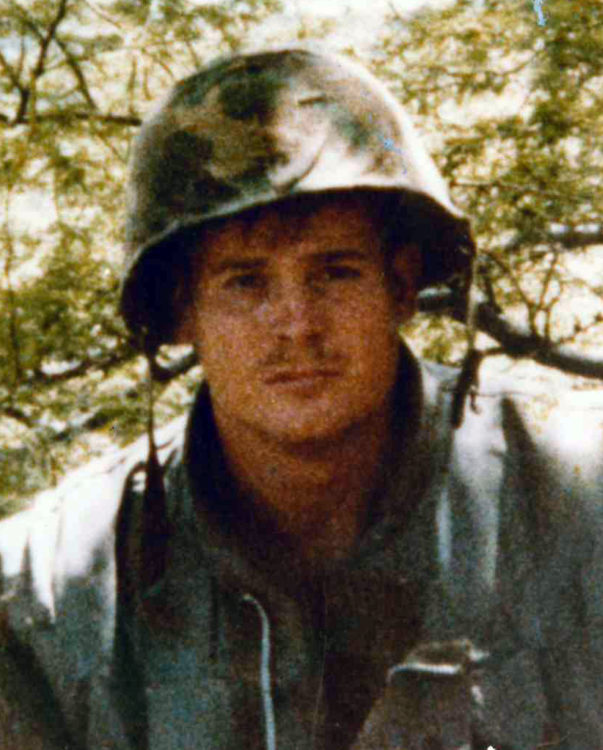
Danny E. Culbertson, Sr., age 58, resident of Mulberry, KS, died Saturday, January 26, 2019, at Via Christi Hospital, Pittsburg, KS.
There was cremation.
Rev. Chuck Russell will conduct Memorial Services at 2:00 PM Friday, February 8th, at the Cheney Witt Chapel.
Memorials are suggested to the Danny Culbertson Memorial Fund and may be left in care of the Cheney Witt Chapel, PO Box 347, 201 S. Main, Ft. Scott, KS 66701. Words of remembrance may be submitted to the online guestbook at cheneywitt.com.

Obituary of Elmer Jack Adamson
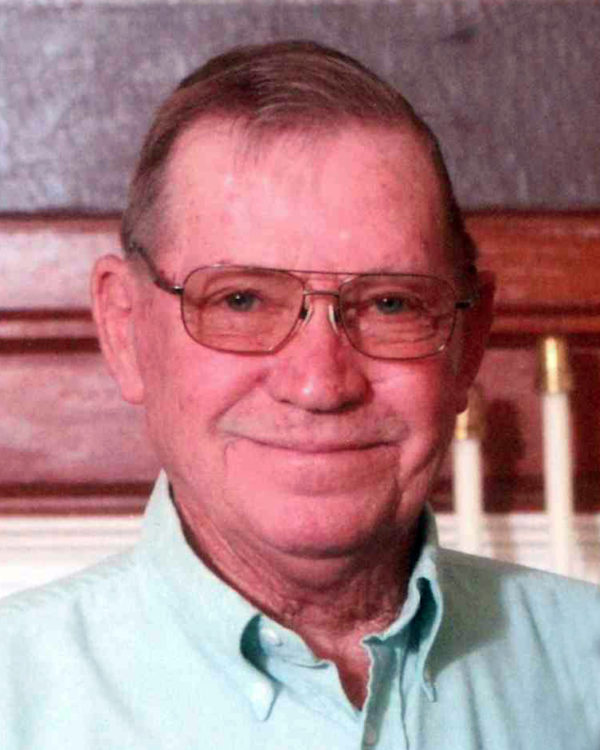
Elmer Jack Adamson, age 76, resident of Ft. Scott, KS, died Friday, February 1, 2019, at St. Francis Hospital, Wichita, KS.
Jack was born December 19, 1942, in Ft. Scott, the son of Paul King Adamson, Sr. and Edna Ellen Deeds Adamson. He graduated from Uniontown High School with the class of 1960.
He married Mary Alice Henderson on January 11, 1964, in Miami, OK. Jack worked for Frisco and then Burlington Northern Railroad for over 35 years. He enjoyed hunting, fishing and farming. He loved spending time with his family.
Survivors include his wife Mary of the home; a son, Doug Adamson and wife Carol, Ft. Scott; a daughter, Melissa Davis and husband Ron, Butler, MO; two sisters, Marilyn Harrington, Paola, KS, and Beatrice Alt, Ft. Scott; three grandchildren, Joshua Adamson and wife Stacey, Ashley Adamson, and Ethan Clark and wife Amanda; 1 great-grandson, Kasen Clark; three step-grandchildren, Terri Manley, Cody Davis, and Ronna Davis; and numerous nieces and nephews.
He was preceded in death by three brothers, Paul “Dobber”, Richard “Sonny”, and Frank Adamson; a sister Patricia White; and his parents.
Rev. Chuck Russell will conduct funeral services at 2:00 Monday, February 4th, at the Cheney Witt Chapel.
Burial will follow in the Centerville Cemetery, Devon, KS. Memorials are suggested to Care to Share and may be left in care of the Cheney Witt Chapel, PO Box 347, 201 S. Main, Ft. Scott, KS 66701. Words of remembrance may be submitted to the online guestbook at cheneywitt.com.
Quarterly Downtown Meet & Greet
The Fort Scott Area Chamber of Commerce invites any community members interested in Downtown Fort Scott to Boiler Room Brewhaus, 10 S. National Avenue, on February 5th, 2019, from 8:30-9:30 a.m. The Quarterly Downtown Meet & Greet is hosted by the Chamber for downtown business owners, representatives and any community members to attend to network and share ideas on events, promotions and anything related to downtown!
Please join us on Tuesday, February 5th for the Downtown Meet & Greet. Contact the Chamber at 620-223-3566 with questions.
Submitted by:
Lindsay Madison, Executive Director, lindsay.madison@fortscott.com
Monica Walden, Administrative Assistant, adminassist@fortscott.com
Phone: (620) 223-3566
The Bourbon County Sheriff’s Office Daily Reports Feb. 1
FSNHS Summer Student Intern Positions Available Feb. 4
Fort Scott National Historic Site will begin recruiting for a GS-05 Park Ranger (Student Trainee) temporary position Monday, February 4 for the summer of 2019 as part of the National Park Service’s Pathways Program. Additional positions will be announced later this spring.
The Park Ranger intern will assist the Division of Interpretation and Resource Management with leading our YCC and youth outreach programs. They will present talks, answer questions, guide small groups and provide orientation services to park visitors. The interns will also participate in maintenance and resource management projects, as well as working closely with park staff on critical special initiatives including website development, social media, and special events.
In order to be eligible for an appointment under the Pathways Internship Program you must be a current a student who has been accepted for enrollment or is enrolled at least half-time in an accredited high school, college, professional, technical, vocational, or trade school pursuing a qualifying degree or certificate. To maintain eligibility for internships individuals must remain enrolled in a degree or certificate program throughout their appointment. Additional information on the Pathways Internship Program can be found at: www.usajobs.gov/Help/working-in-government/unique-hiring-paths/students
The GS-05 park rangers earn 16.10 per hour, generally works full-time 40-hour week, and is entitled to paid holidays. Holiday, evening, and weekend work is required. A driver’s license is recommended.
This position is expected to start in early May and end in September. Application information can be found at: www.usajobs.gov/GetJob/ViewDetails/522940700. The advertisement closes February 11, 2019.
For more information about the park in general, contact Fort Scott NHS at (620) 223-0310 or visit our website at www.nps.gov/fosc.
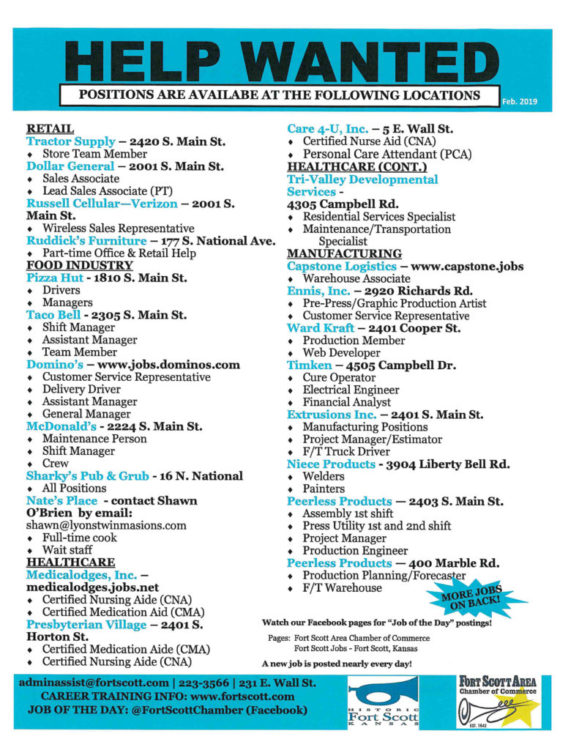
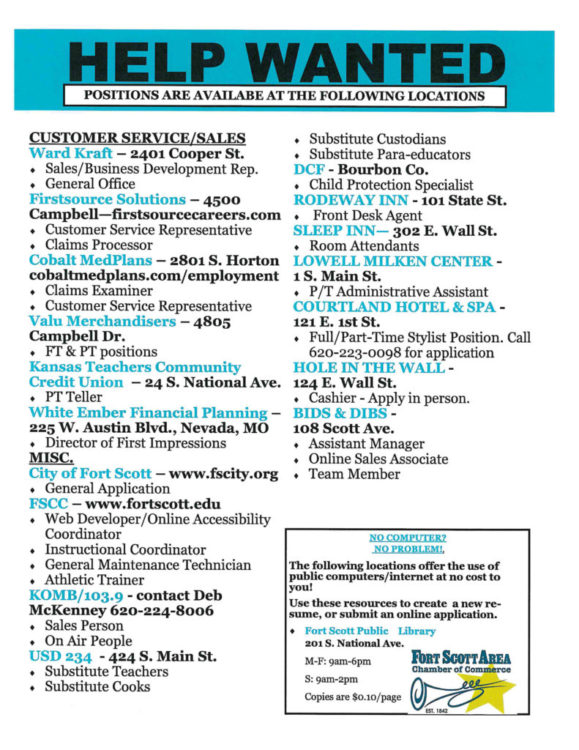
Chamber of Commerce: Help Wanted Postings For February