2026 Summer Art Competition Now Open

|
|

Ad: What FSCC Offers
Looking for a college that gives you options? At Fort Scott Community College, students can choose from associate degrees in Arts, Science, Applied Science, and General Studies, along with a variety of certificates that lead straight to rewarding careers. Whether you’re interested in healthcare fields like Certified Medication Aide, Nurse Aide, EMT, Home Health Aide, Manicuring, or Phlebotomy, or want to take on a technical challenge with certificates in Ag Technology (John Deere), Construction, Cosmetology, Criminal Justice, Environmental Water Tech, Farm & Ranch Management, Harley-Davidson Technology, Heavy Equipment Operation, HVAC, Masonry, or Welding we’ve got you covered!
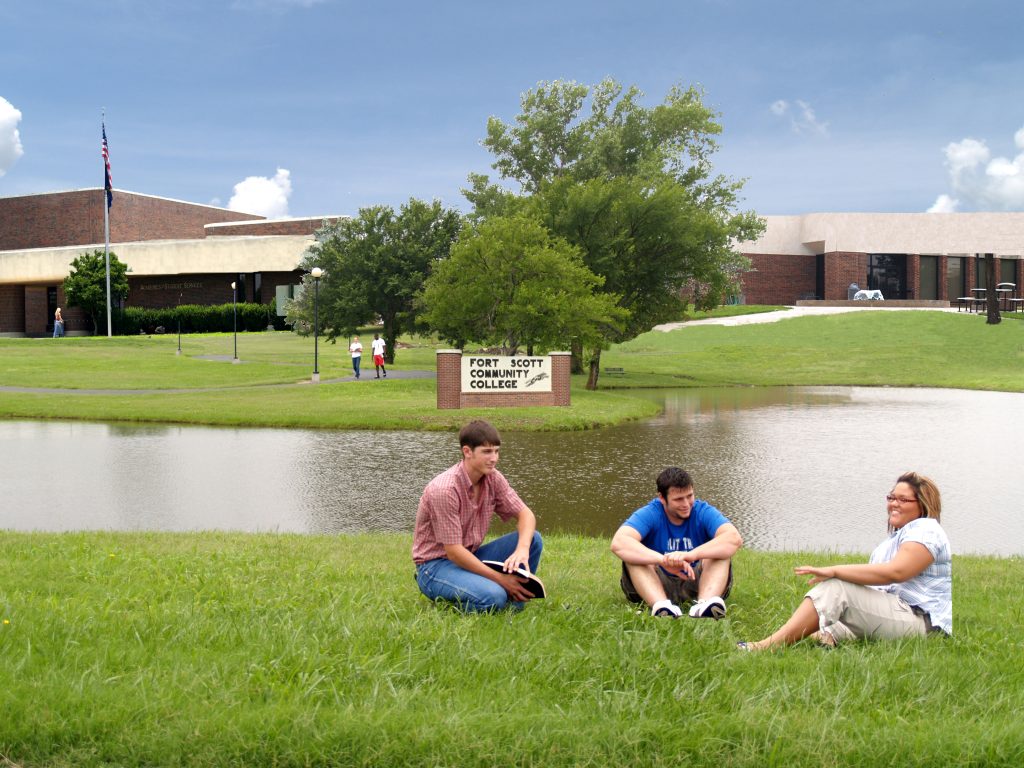
But college isn’t just about the classroom. FSCC offers plenty of ways to get involved through music and performance opportunities (band, choir, theater), student clubs and organizations (like Collegiate Farm Bureau, Phi Theta Kappa, SkillsUSA, STEAM Club, FSCC Media Team, and more), and even competitive judging teams in livestock and meat.
If athletics is more your thing, FSCC is home to intercollegiate sports for both men and women. Compete in basketball, baseball, softball, volleyball, rodeo, track & field, or cross country, all while building friendships and representing the Greyhounds.
And the best part? We’re still growing. New programs, degrees, certifications, and athletic opportunities are on the horizon! There’s never been a better time to join FSCC!
Fort Scott Community College; where opportunity meets possibility.
U.S. Senator Jerry Moran Newsletter
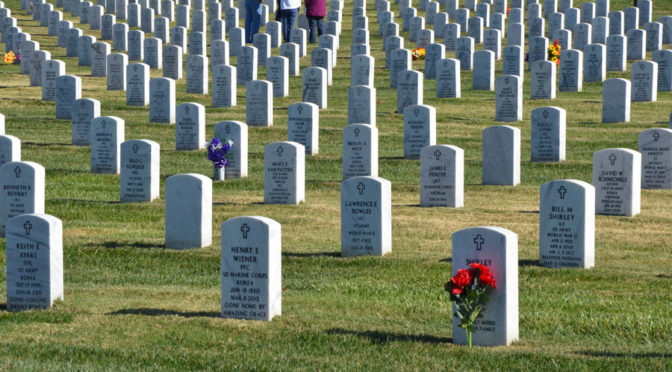
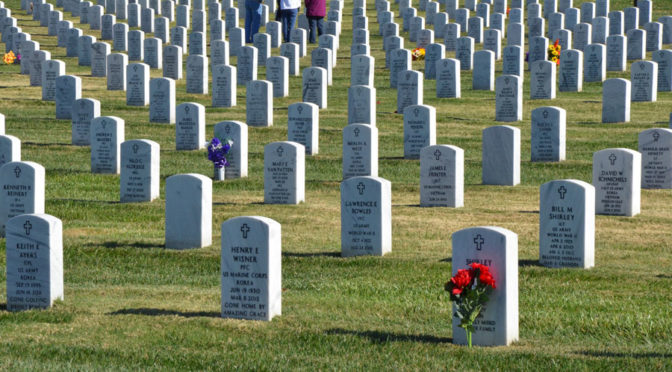
Memorial Day: Honoring Those Who Made the Ultimate Sacrifice
|



.jpg "5.19.26_SAC-D_Hearing_(cropped).jpg")


Send Off For Lady Tigers Today at 10:30 a.m.
|

|

|
|
|

|
|
|
|

|
|
|
|

|
|
|


|
CFSEK Announces Over $367,000 in Scholarships
The Community Foundation of Southeast Kansas (CFSEK) and its affiliate foundations in Columbus, Fort Scott, and Girard are excited to announce their 2026 scholarship recipients. In 2026, a total of $367,462 was awarded across 44 scholarship opportunities to 148 Southeast Kansas students pursuing higher education. In 2026, 900 applications were submitted! A full description of each scholarship is available at SoutheastKansas.org/Scholarships.
“I think this year was really exciting because of the sheer number of applications we received,” said Kara Mishmash, CFSEK Program Coordinator. “It made it difficult during the evaluation process, but it just makes you see how important scholarships are for students and how great the need is.”
This year’s scholarship recipients are:
Ad Astra Endowed Scholarship
- Kendall Crager – Pittsburg High School – Pittsburg State University
- Alexander Beasley – St. Mary’s Colgan Catholic School – Pittsburg State University
Albright Family Scholarship – Healthcare Related Field of Study
- Briten Wilkinson – Westville High School – Pittsburg State University
- Jennifer Palmer – Stockton High School – Labette Community College
Albright Family Scholarship
- Audrey Hertrich – Pittsburg High School – University of Kansas
- Edin Juarez-Perez – Pittsburg High School – Pittsburg State University
- Maizey Willilams – Southeast High School – Labette Community College
- Michael Smith – Southeast High School – Pittsburg State University
Bill House Agricultural Scholarship
- Aidan Bartholomew – Erie High School – Kansas State University
- Ainsley Viets – Girard High School – Kansas State University
- Alex Scheele – Marysville High School – University of Nebraska
- Allyson Rietcheck – Eudora High School – Kansas State University
- Avarielle Hightower – Prairie View High School – Undecided
- Avery Ziegler – Trego Community High School – Kansas State University
- Blaine King – Crest High School – Kansas State University
- Braden Norwood – Arkansas City High School – Oklahoma State University
- Brayton Brueggen – Louisburg High School – Kansas State University
- Bryce Hoeltzel – USD 384 Blue Valley – Kansas State University
- Calla Higbie – Homeschool – Connors State College
- Cally Miller – Circle High School – Kansas State University
- Clara Gfeller – Chapman High School – Kansas State University
- Conner Hoelting – Mission Valley USD #330 – Highland Community College
- Cooper Newby – Labette County High School – Kansas State University
- Cooper O’Brien – Oswego High School – NEO A&M College
- David Schenker – Parsons High School – Concordia University
- Dustin Denton – Valley Heights High School – Kansas State University
- Elizabet Burciaga – Liberal High School – Kansas State University
- Gail Wright – Chanute High School – Kansas State University
- Jade Peak – Southeast High School – Kansas State University
- Jaiton Bosse – Osage City High School – Kansas State University
- Jewel Endicott – Uniontown High School – Kansas State University
- Joree Bentz – Washington County High School – Oklahoma State University
- Jory Ratzlaff – Canton-Galva High School – Kansas State University
- Josie Kueser – Ellsworth High School – Kansas State University
- Kaylee Lunsford – Homeschool – Oklahoma State University
- Kennedy Holcomb – Dexter High School – Redlands Community College
- Kiser Wiatrak – St. Paul High School – Missouri State University
- Kristin Partlow – Neoga High School – Kansas State University
- Kyndel Randall – Dexter High School – Bethel College
- Lauren Chaney – Grove High School – Oklahoma State University
- Macie Morris – Ballard R-II – Kansas State University
- Maddie Weaber – Wamego High School – Oklahoma State University
- Madelin Beshear – Independence High School – Kansas State University
- Madison McGee – Arkansas City High School – Oklahoma State University
- Maggie McVey – Caney Valley High School – Kansas State University
- Maiya Shelor – Minneola High School – Kansas State University
- Marisa Wasinger – Hays High School – Kansas State University
- Mary Chirpich – St.Pius X Highschool – Kansas State University
- Mary Vajnar – Hays High School – Kansas State University
- Natalia Onelio – Girard High School – Fort Hayes State University
- Owen Murphy – Girard High School – Kansas State University
- Rayleea Russell – Girard High School – Kansas State University
- Ryan Myers – Minneapolis High School – Kansas State University
- Sage Toews – Canton-Galva High School – Kansas State University
- Sydney Heller – Sylvan-Lucas Unified High School – Kansas State University
- Teagan Grady – Derby High School – Kansas State University
- Vanessa Jones – Rock Creek High School – Kansas State University
- Wade Martin – Dexter High School – Kansas State University
- William Adcock – Sedan High School – Clarendon Community College
- Wyatt Martin – Dexter High School – Pratt Community College
Charles & Jane Maxwell Memorial Scholarship (CACF)
- Katelyn Draeger – Columbus Unified High School – Pittsburg State University
Columbus Cares Scholarship
- Jane Doe – Columbus Unified High School – Pittsburg State University
Class of 1986 Friendship Scholarship (CACF)
- Katelyn Draeger – Columbus Unified High School – Pittsburg State University
Commerce Bank Pittsburg Scholarship
- Sydney Ewing – Pittsburg Community Schools USD 250 – University of Kansas
- Leah Caskey – St. Mary’s Colgan Catholic School – Kansas State University
Craig Crespino Scholarship
- Maggie Niggemann – Girard High School – Pittsburg State University
- Izabelle Tierney – St. Mary’s Colgan Catholic School – City Pointe Beauty Academy
Dr. Daniel & Jeannette Minnis Oral Health Scholarship
- Noah Freiburger – Verona High School – Pittsburg State University
Dylan Meier “Get Busy Livin’” Foundation Scholarship
- Abigail Albright – Frontenac High School – Pittsburg State University
- Adessah Reed – Pittsburg Community Schools USD 250 – Saint Louis University
- Avery Hipfl – Frontenac High School – Labette Community College
- Caleb Humble – Girard High School – Kansas State University
- Carston Simmons – St. Mary’s Colgan Catholic School – Pittsburg State University
- Faith Kimzey – Pittsburg Community Schools USD 250 – Pittsburg State University
- Hayden Turnbull – St. Mary’s Colgan Catholic School – University of Kansas
- Kadence Burns – Pittsburg Community Schools USD 250 – Neosho County Community College
- Lauren Crawford – Pittsburg Community Schools USD 250 – Pittsburg State University
- Madison Coester – Girard High School – Johnson County Community College
- Maleia Sukraw – St. Mary’s Colgan Catholic School – Pittsburg State University
- Michael Smith – Southeast High School – Pittsburg State University
- Parker Pinamonti – Pittsburg Community Schools USD 250 – Pittsburg State University
- Seth Wilson – Girard High School – Pittsburg State University
Dylan Meier “Get Busy Livin’” Foundation – Dragon of the Year
- Cole Hayden – Pittsburg High School – Fort Scott Community College
Dylan Meier “Get Busy Livin’” Foundation – KPREPS Player of the Year
- Ian Premer – Great Bend High School – University of Notre Dame
Gabriel John Ison Memorial Scholarship
- Ava Freimiller – Pittsburg Community Schools USD 250 – Pittsburg State University
- Faith Kimzey – Pittsburg Community Schools USD 250 – Pittsburg State University
Haberbosch Family Scholarship (FSACF)
- Brevyn Campbell – Marmaton Valley High School – Sterling College
- Sophia Heim – Marmaton Valley High School – Kansas State University
Joe & Margarita Sauer Scholarship
- Caleb Humble – Girard High School – Kansas State University
- Josie Gronau – Girard High School – Pittsburg State University
- Megan Bennett – Girard High School – Pittsburg State University
Joe F. Zakowski and Mary Alice Gilmore Zakowski Scholarship
- Addilyn Streeter – St. Mary’s Colgan Catholic School – Southeast Missouri State University
- Addisyn Dewey – St. Mary’s Colgan Catholic School – Neosho County Community College
- Alexander Beasley – St. Mary’s Colgan Catholic School – Pittsburg State University
- Anamarija Kalan – St. Mary’s Colgan Catholic School – Pittsburg State University
- Brady Badart – St. Mary’s Colgan Catholic School – Pittsburg State University
- Caleb Garner – St. Mary’s Colgan Catholic School – Pittsburg State University
- Carston Simmons – St. Mary’s Colgan Catholic School – Pittsburg State University
- Esvin Mendez – St. Mary’s Colgan Catholic School – University of Kansas
- Eve Brown – St. Mary’s Colgan Catholic School – Pittsburg State University
- Hayden Turnbull – St. Mary’s Colgan Catholic School – University of Kansas
- Izabelle Tierney – St. Mary’s Colgan Catholic School – City Pointe Beauty Academy
- Janessa Davis – St. Mary’s Colgan Catholic School – Pittsburg State University
- Jayden Brown – St. Mary’s Colgan Catholic School – Pittsburg State University
- Josie Kendrick – St. Mary’s Colgan Catholic School – Pittsburg State University
- Leah Caskey – St. Mary’s Colgan Catholic School – Kansas State University
- Maleia Sukraw – St. Mary’s Colgan Catholic School – Pittsburg State University
- Rebekah Landsteiner – St. Mary’s Colgan Catholic School – Pittsburg State University
- Sadie Fox – St. Mary’s Colgan Catholic School – Pittsburg State University
- Izabella Sheldon – Northeast High School – Undecided
- Ania Brown – Pittsburg Community Schools USD 250 – Pittsburg State University
- Brette Pasteur – Pittsburg Community Schools USD 250 – Grayson College, Denison TX
- Cannon Loughmiller – Pittsburg Community Schools USD 250 – University of Kansas
- Grace Rogers – Pittsburg Community Schools USD 250 – Mid America Nazarene University
- Grace Wilson – Pittsburg Community Schools USD 250 – Labette Community College
- Jace Akins – Pittsburg Community Schools USD 250 – University of Nebraska
- Kadin Navaratnam – Pittsburg Community Schools USD 250 – Evangel University
- Kalin Manuel – Pittsburg Community Schools USD 250 – Pittsburg State University
- Kayanna Emery – Pittsburg Community Schools USD 250 – Missouri Southern State University
- Kaylee Patrick – Pittsburg Community Schools USD 250 – Pittsburg State University
- Kya Galindo – Pittsburg Community Schools USD 250 – Pittsburg State University
- Makayla De Luna – Pittsburg Community Schools USD 250 – Pittsburg State University
- McKenzi Lee – Pittsburg Community Schools USD 250 – Washburn University
- Savana Wisdom – Pittsburg Community Schools USD 250 – Pittsburg State University
- Sophia Hertrich – Pittsburg Community Schools USD 250 – University of Missouri-Kansas City
Larry & Regina Weaver Scholarship
- Angie Morgan – Pittsburg Community Schools USD 250 – Pittsburg State University
- Janessa Davis – St. Mary’s Colgan Catholic School – Pittsburg State University
M.L. (Lee) & Noretta Caldwell Education Fund Scholarship
- Avarielle Hightower – Prairie View USD 362 – Undecided
- Alexia Ludwig – Parsons High School – Labette Community College
- Avery Hipfl – Frontenac High School – Labette Community College
- Grace Wilson – Pittsburg Community Schools USD 250 – Labette Community College
- Gretchen Boyers – Girard High School – Labette Community College
- Katelyn Peterson – Paola High School – Undecided
Marcia Smith Memorial Scholarship (CACF)
- Jacianna Heflin – Columbus Unified High School – Pittsburg State University
- Jaxson Bailey – Galena High School – University of Missouri
- Kolby Matson – Galena High School – Undecided *
- Piper Hayes – Columbus Unified High School – Pittsburg State University
Maureen H. Paulsen Memorial Scholarship (CACF)
- Jane Doe – Columbus Unified High School – Pittsburg State University
- Katelyn Draeger – Columbus Unified High School – Pittsburg State University
- Piper Hayes – Columbus Unified High School – Pittsburg State University
- Trinity Green – Columbus Unified High School – Pittsburg State University
Mount Carmel Foundation – Helen Kriegsman Memorial Scholarship
- Briten Wilkinson – Westville High School – Pittsburg State University
Mullendore – Butler Endowed Scholarship
- Afifa Purnata – Field Kindley High School – University of Oklahoma
- Aiden Campbell – Cedar Vale High School – Cowley County Community College
- Haiden Edens-Ranes – Caney Valley High School – Mid America Nazarene University
- Madelin Beshear – Independence High School – Kansas State University
- Madelyn Mills – Caney Valley High School – Kansas State University
- Peyton Morris – Sedan High School – University of Arkansas
- Tialyn Vanderpool – Sedan High School – Cowley County Community College
Nancy Evans Community Health Nursing Scholarship
- Malerie Whittley – JMJ Homeschool – Pittsburg State University
Pat Forbes Scholarship
- Rebekah Landsteiner – St. Mary’s Colgan Catholic School – Pittsburg State University
Peggy Gannon Memorial Scholarship
- Stewart Davenport – Fort Scott High School – University of Kansas
Ronald W. Murray Engineering Scholarship
- Christian Pielach – Galena High School – Pittsburg State University
- Dakota Bennett – Galena High School – Emporia State University
- Kamden Martin – Galena High School – Missouri Southern State University
Sandra B. Houser Memorial Scholarship (CACF)
- Morgan Richards – Columbus Unified High School – Pittsburg State University
- Trinity Green – Columbus Unified High School – Pittsburg State University
Short Fine Arts Scholarship
- Leo Norman – Pittsburg Community Schools USD 250 – Pittsburg State University
Stacy Goedeke Scholarship
- Brayton Brueggen – Louisburg High School – Kansas State University
Thomas J. Restivo Memorial Scholarship
- Laila Davis – Fort Scott High School – Pittsburg State University
Tyler R. Jeck Scholarship
- Carston Simmons – St. Mary’s Colgan Catholic School – Pittsburg State University
- Janessa Davis – St. Mary’s Colgan Catholic School – Pittsburg State University
- Joseph Lomshek – St. Mary’s Colgan Catholic School – Pittsburg State University
VetLinks.org Brian Kavanagh Scholarship PSU Clin. Psych Grad/Master’s Social Work Programs
- Keatyn O’Dell – Northeast High School – Pittsburg State University
VetLinks.org Brian Kavanagh Scholarship PSU ROTC
- Scott Sloan – Frontenac High School – Pittsburg State University
Vinylplex/Sanderson Pipe Scholarship
- Ania Brown – Pittsburg Community Schools USD 250 – Pittsburg State University
- Elijah McCubbin – Frontenac High School – University of Kansas
- Scott Sloan – Frontenac High School – Pittsburg State University
William H. Zimmer Memorial Scholarship
- Andi Nordt – Erie High School – Allen County Community College
- Grant Reissig – Erie High School – Cowley County Community College
- Jaylee Kramer – Erie High School – Labette Community College
- Raegan Holbert – Erie High School – Labette Community College
William J. Sollner Family Scholarship
- Izabella Sheldon – Northeast High School – Undecided
- Teagan Smith – Northeast High School – Pittsburg State University
The Community Foundation would like to congratulate all the recipients and wish them the best of luck on their next adventure!
The Community Foundation of Southeast Kansas awarded over $2.8 million in grants from all foundation funds in 2025 and has facilitated over $29 million in total granting to Southeast Kansas since its inception in 2001. CFSEK serves the region by providing donors with various charitable interests and encouraging charitable giving, which addresses present and future needs in our area. The Columbus Area, Fort Scott Area, and Girard Area Community Foundations are affiliates of CFSEK. More information about CFSEK is available at SoutheastKansas.org.
Obituary of Harley Louis Fuhrman

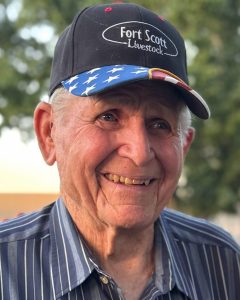
Harley Louis Fuhrman, age 86, a resident of Bronson, Kansas, left his earthly home to join the Lord on Sunday, May 24, 2026, with his loved ones by his side. Harley was born to G. Leslie “Pete” Fuhrman and Bertha (Perry) Fuhrman on November 26, 1939, in Bronson. Harley attended the Dry Ridge one room schoolhouse for his primary education and then attended high school at Blue Mound, Kansas, where he graduated with the Class of 1958. Harley attended Ft. Scott Community College where he played both basketball and football, graduating in 1961. Harley enlisted with the United States Army in 1962 and was honorably discharged in 1964. Harley spent his entire life as a farmer and rancher, in partnership with his brother until 1978, then he and Beverly ventured out on their own. Harley enjoyed bowling for over forty years. He bowled in men’s leagues, mixed leagues and bowled in many tournaments. His men’s team won the Kansas State Bowling Tournament in 1977. Throughout his life, he enjoyed working with his hands, not only on the farm, but as a master wood craftsman. Harley made each of his grandchildren a bed and toy chest. He was diverse in his ability, making china hutches, entertainment centers, beds, dressers and corner cabinets for family members. He also assisted in adding the annex onto the Bronson United Methodist Church. Harley enjoyed camping and going on vacation with his children and other family members. He also enjoyed other travels with his family to Alaska, Italy and most recently a cruise to the Caribbean. Harley served as a board member for several organizations such as USD #235 School Board, Moran Coop and Farm Bureau. He was also an ACCO Seed and Vigortone dealer. Harley married Beverly Jo Bacon on June 19, 1966, in Bronson, Kansas. This union was blessed with two children, Christine M. and W. Kenneth.
Harley was preceded in death by his parents, brothers, Leroy Fuhrman and wife, Luella and Duane Fuhrman and wife, Deanna and a sister, Helen Rife, and husband, Sam. Harley is survived by his loyal wife, Beverly of fifty-nine years, his daughter Christine M. Hanna and husband, Aric and his son, W. Kenneth Fuhrman and wife, Sue. Also surviving are grandchildren, Haylee J. Hanna and husband, Nick Watson, Brody B. Hanna and wife, Karli, Chance W. Fuhrman and Alexa Fuhrman and a great-grandson, Asher A. Watson and numerous nieces and nephews.
Pastor Tracy Smith will conduct funeral services at 10:30 A.M. Thursday, May 28th at the Bronson United Methodist Church. Burial with military honors will follow in the Bronson Cemetery. The family will receive friends from 5 to 7 P.M. Wednesday at the Bronson United Methodist Church. Memorials are suggested to the Bronson United Methodist Church and may be left in care of the Cheney Witt Chapel, 201 S. Main, P.O. Box 347, Ft. Scott, KS 66701. Words of remembrance may be submitted to the online guestbook at cheneywitt.com.
Obituary of Mark Christian Kase

Mark Christian Kase, age 66, resident of Garland, KS, passed away Sunday, May 10, 2026, at Medicalodge of Nevada. He was born February 26, 1960, in Norfolk, VA, the son of Mark and Anne Scheiberger Kase. Mark served 21 years in the Marines. He then spent his remaining career of 24 years in law enforcement with the Sheriff’s department and security. Mark enjoyed all things outdoors including yard work, camping and of course shooting. He also enjoyed woodworking and reading.
Survivors include his wife Denise Howard-Kase of the home; 6 children, James Ryan Howard (Stephanie), Thomas Jay Howard (Jessica), Christopher Michael Kase (Christine) Jonathon Stuart Howard, Heather Anne Searles (Mike), and Jonathon Stuart Howard-Kase; 3 grandchildren, Ava Kase, Hunter Kase, and Sloane Wolfe; and 2 sisters, Kim Kase-Atkins and Karen Marchesseau.
There was cremation. Graveside services will be held at 12:30 PM Monday, June 8th, at the U.S. National Cemetery. The family will receive friends from 11:30 AM until 12:15 PM Monday at the Cheney Witt Chapel. Memorials are suggested to the Mark Kase Memorial Fund and May be left in care of the Cheney Witt Chapel, PO Box 347, 201 S. Main St., Fort Scott, KS 66701. Words of remembrance may be submitted online at cheneywitt.com.
The Bourbon County Sheriff’s Office Daily Reports May 26
Arrest Summary
SEESTED, KOLBY ROBERT, 26
Arrested: 5/22/2026 3:55 AM
Agency: BCSO
Charges:
– Dui; 1st Conviction ($1,000 cash/surety)
– Transporting An Open Container ($0 cash/surety)
Bond Total: $1,000
LAWRENCE, CHANDLER LEE, 23
Arrested: 5/22/2026 4:18 PM
Agency: Fort Scott PD
Charge: Warrant: Bourbon County (probation violation) *
Bond Total: $2,000
PEARSON, MARTIN JOSEPH JR, 40
Arrested: 5/22/2026 5:27 PM
Agency: Fort Scott PD
Charge: Violation Of Protection Order; Unknown Circum
Bond Total: $2,500
MUMBOWER, KARA LAWAYNE, 35
Arrested: 5/23/2026 3:09 AM
Agency: BCSO
Charges:
– Dist Or Poss W/Int Drug Paraph For Illegal Use ($0 cash/surety)
– Dui; Misdemeanor ($0 cash/surety)
– Possess Opiates/Opium/Narc Drug And Certain Stim ($2,500 cash/surety)
Bond Total: $2,500
MELOY, TROY WAYNE, 36
Arrested: 5/23/2026 10:46 PM
Agency: BCSO
Charge: Dui; Misdemeanor
Bond Total: $5,000
GIER, CHRISTIAN LEE, 48
Arrested: 5/25/2026 10:07 PM
Agency: Fort Scott PD
Charge: Warrant: Bourbon County (probation violation) *
Bond: $0
Inmate Released List
BELCHER-COWLISHAW, GABRIELLE KAYE, 20
Booked: 04/02/2026
Released: 5/22/2026 at 3:06 PM
Type: Own recognizance
Released to: Self
EISENBRANDT, JONAH ISAIAH, 46
Booked: 05/22/2026
Released: 5/24/2026 at 6:18 PM
Type: Time served
Released to: Self
LAWRENCE, CHANDLER LEE, 23
Booked: 05/22/2026
Released: 5/22/2026 at 7:46 PM
Type: Surety bond
Released to: A1 Bonding
LEONARD, HILARY ROSE, 42
Booked: 05/02/2026
Released: 5/24/2026 at 5:05 PM
Type: Surety bond
Released to: Able Bonding
MELOY, TROY WAYNE, 36
Booked: 05/23/2026
Released: 5/25/2026 at 9:46 AM
Type: Surety bond
Released to: A Plus
MUMBOWER, KARA LAWAYNE, 35
Booked: 05/23/2026
Released: 5/25/2026 at 12:32 AM
Type: Surety bond
Released to: Able Bonding
PEARSON, MARTIN JOSEPH, 40
Booked: 05/22/2026
Released: 5/23/2026 at 4:14 PM
Type: Surety bond
Released to: A+ Bonding
SEESTED, KOLBY ROBERT, 26
Booked: 05/22/2026
Released: 5/22/2026 at 2:10 PM
Type: Cash bond
WILLIAMS, WANDA CHRISTINE, 42
Booked: 05/02/2026
Released: 5/23/2026 at 11:05 AM
Type: Transferred out
Released to: SMOJS
Source: Arrest Summary PDF | Inmate Released List PDF
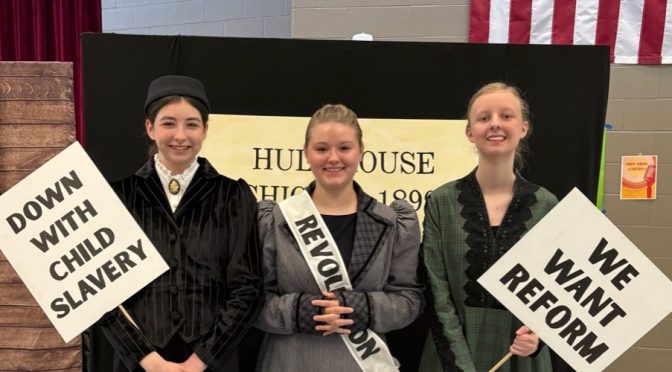
Fort Scott National History Day State Champions Set to Present at Christian Learning Center
Southeast Kansas will send two projects to the National History Day Championship in College Park, Maryland, June 14-18. Three projects from Christian Learning Center attended the State National History Day Championships in Topeka in April.
The Fort Scott State Champion groups competing at Nationals in June will present their performances at 6:30 PM on Thursday, May 28th, at the Christian Learning Center in Fort Scott. This presentation will allow the students to practice sharing their projects and raise funds for their trip to College Park, MD. The community is invited to attend and support the two student groups. Attendees can enter through the CLC Gym doors.
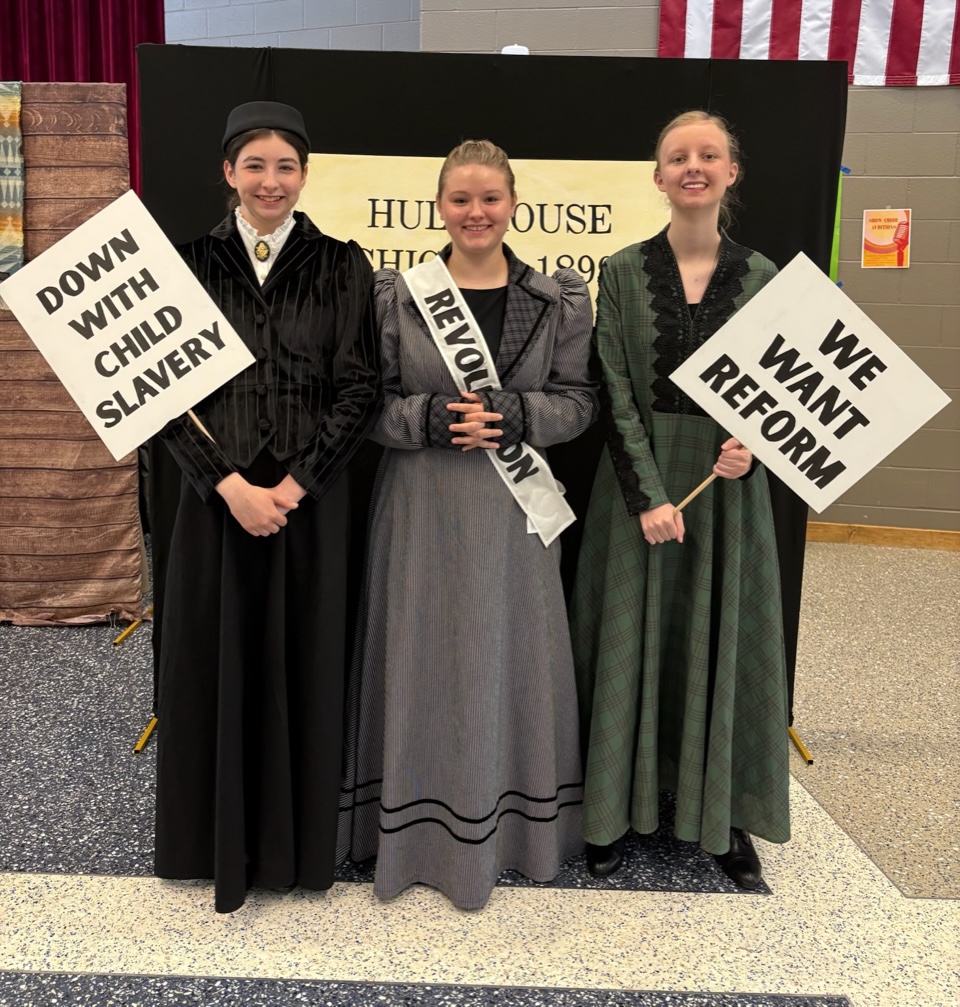
Sophomores Kenlee Eden, Blair Felt, and Kodie Wells from Fort Scott Christian Learning Center will participate in the Senior Group Performance category, coached by Megan Felt and Rachel Wells. Their project is titled Down With Child Slavery: Revolutionizing Child Labor Standards. Their project is a performance based on Florence Kelley. In 1891, Florence Kelley spearheaded a labor rights revolution in America. Intense reactions brought both strong opposition and overwhelming support as she continued to promote equality. Ultimately, these conflicts would bring lasting reform to child labor rights by paving the way for the Fair Labor Standards Act of 1938.
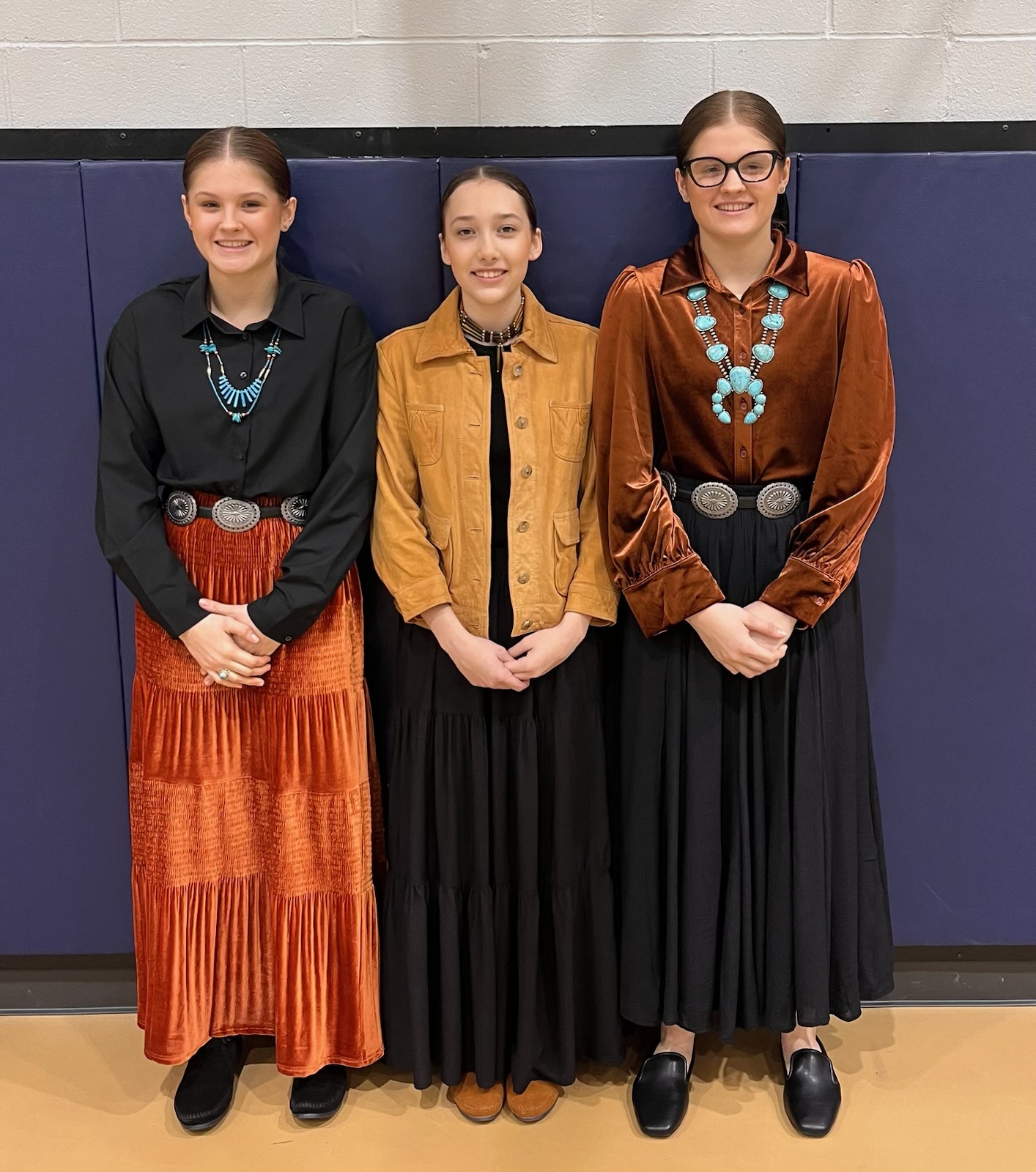
8th-grade students Bella Antone, Charlee Wells, and Hadley Wells from Fort Scott Christian Learning Center participated in the Junior Group Performance category at the State National History Day competition, coached by Rachel Wells and Megan Felt. Their project is Bridging Two Cultures: A Crusader that Revolutionized Navajo Health Care with Lasting Reform. The performance is based on Annie Dodge Wauneka’s reaction to the devastating impact of disease on her people; she became a crusader for Navajo health care. Her efforts began in the 1950s and continued until her death in 1997, inspiring lasting reform in public health policies and the empowerment of Indigenous peoples.
History Day encourages students to express their knowledge of and interest in history through creative and original dramatic performances, media presentations, historical papers, website design, or three-dimensional exhibit projects. The research and study for district, state, and national competitions take place throughout the entire school year.
The national competition involves the top 2,800 students from across the nation, chosen from over 800,000 who compete to advance from local to state to national competition. All 50 states and several countries will be represented at the National competition. The theme this year is ‘Rights and Responsibilities in History.’
The Lowell Milken Center provides critiques and helps with research for National History Day Unsung Hero projects from Kansas and throughout the United States.
For more information, contact Megan Felt, LMC Program Director, at [email protected] or (620) 223-1312.

Bourbon County Clerk Files Lawsuit Seeking to Block Recall Petition
Fort Scott, Kansas — Bourbon County Clerk Susan Walker filed a lawsuit in Bourbon County District Court on May 22, 2026, asking a judge to stop the recall petition currently being circulated against her. The case, Walker v. Crux et al. (BB-2026-CV-000048), names Bourbon County Attorney James Crux and the three members of the recall committee — Kyle R. Parks, Kevin Wagner, and Lyle K. Owenby — as defendants. Hon. Richard M. Fisher Jr. is assigned to the case.
Walker also filed an emergency motion asking the court to halt signature-gathering immediately while the case is decided.
What Walker is arguing
Her 28-page lawsuit makes two main arguments:
- The county attorney never officially signed off on the version of the petition being circulated. Under K.S.A. 25-4322(b), the county attorney has to review any recall petition and notify the official, the recall committee, and the county election officer in writing before signatures can be collected. Walker says Crux did that for the first draft (see his letter on April 27, 2026) but not for the amended version.
- The reasons listed don’t legally qualify as grounds for a recall. Under K.S.A. 25-4302, a Kansas official can only be recalled for a felony conviction, “misconduct in office,” or “failure to perform duties prescribed by law.” Walker argues the petition is too vague to meet the standard Kansas courts have set in earlier recall cases.
What’s the recall about?
The recall traces back to an error on early-voting ballots for the November 4, 2025 general election. According to Walker, USD 235 (Uniontown school district) had not told the Clerk’s office which of three “voting plans” (A, B, or C, under K.S.A. 72-1083) it wanted to use for its school board race. The clerk’s office printed ballots under Plan C when the correct plan was Plan B. By the time the mistake was caught, 52 early voters had cast incorrect ballots. Walker laid out her account in a May 10 statement on FortScott.biz.
What both sides agree on
Both sides agree on the core error: the USD 235 early-voting ballots were wrong, and Walker’s office printed corrected ballots in time for Election Day. Walker’s lawsuit adds (and the recall side does’t dispute) that the election was then certified. No formal challenge was filed regarding the results of the election.
Where they disagree
When Walker found out — and how fast she responded. This is the heart of the recall. The previous no-confidence vote said the ballots were wrong “despite timely notifications from affected residents… while advance voting was actively underway,” and the recall petition echoes it almost word for word: the problem was “brought to her attention by multiple individuals during the early voting period.” Both imply Walker was aware of the issue and chose not to act for some time. Walker tells it differently. Her May 10 statement says the first notification was a call “before 12:00 PM on November 3” — the day before the election. Her lawsuit puts the first call at exactly 9:51 a.m. She says she began fixing the problem immediately, as K.S.A. 25-604(c) requires (“corrected without delay”). Neither the petition nor the no-confidence letter names dates, people, or specifies a timeline for the earlier complaints; Walker says she has a record of the November 3 call.
FortScott.biz contacted Bourbon County Republican party to see if they had any supporting information or evidence for the version of the timeline from the no confidence vote. The chairperson responded with this statement:
The issue that my precinct committeemen and women are focused on is that the wrong ballots were distributed.
(FortScott.biz also reached out to the households of Kyle R. Parks, Kevin Wagner, and Lyle K. Owenby via Facebook messenger asking if they had any information or evidence to support their statements in the recall petition that are disputed by the clerk. Mr. Owenby gave the query a thumbs up, but no other response was received before this article was published.)
Whether this legally counts as “failure to perform duties.” The petition says yes: Walker “caused to be printed and distributed incorrect ballots,” didn’t fix it quickly enough, and made statements “later contradicted by testimony from the school superintendent.” Walker says no: USD 235 failed to certify its voting plan, and she fixed the resulting ballot error as soon as she was notified they intended to use a different plan.
Whether the county attorney has signed off on the current petition. Walker says Crux’s April 27 letter only reviewed the first draft and that the amended version needs a new written determination. But that letter actually ruled on the two grounds separately finding “failure to perform duties” sufficient and “misconduct” insufficient. Crux told the committee, “Only the sufficient reasons for recall should be contained on the petition.” The amended petition does exactly that: it drops “misconduct” and keeps “failure to perform duties.” Whether Crux’s existing determination carries over as approval, or whether the amendment requires a fresh K.S.A. 25-4322(b) letter, is one of the questions for the court.
Whether the petition is specific enough. Kansas court rulings — Reynolds v. Figge, Baker v. Gibson, Unger v. Horn, and Cline v. Tittel — say a recall petition must state its grounds in 200 words or fewer (K.S.A. 25-4320) and specifically enough for the official to respond to (K.S.A. 25-4329). The recall petition’s key allegation reads: “The improper preparation, verification, and distribution of official ballots demonstrate a failure to perform the duties required of the office of County Clerk acting as County Election Officer under Chapter 25 of the Kansas Statutes.” Walker argues that allegation fails the specificity test. As her lawsuit explains on page 13:
“K.S.A. Chapter 25 includes forty-seven separate articles with hundreds of statutes containing thousands of subsections. Defendant Recall Committee must be more specific in its petition if they wish to allege violating a statute as grounds for recall. They could, for instance, cite to specific statutes as Defendant Crux did in his letter evaluating the first proposed recall petition. … There, Defendant Crux says, K.S.A. §§ 25-604(a) and 25-2303(a) are duties of the County Election Officer. Such specificity is nowhere in the Recall Petition, as it must be.”
In other words, Walker argues the petition must meet the same specificity standard Crux himself applied when he reviewed it.
Whether “misconduct” is still being alleged. The first draft used the word “misconduct.” Crux’s April 27 letter found “nothing in the petition supports this allegation.” The amended petition drops the word but keeps the same allegations. Walker says the misconduct claim is therefore still being made, just relabeled.
What this lawsuit does and doesn’t decide
According to K.S.A. 25-4325, the recall committee and people circulating the petition swear, under penalty of perjury, that the claims are true, but the claims do not have to be proven true in court for a recall to move forward. The law leaves the truth of the allegations to the voters. The only way to stop a recall petition in court is to show that it is legally invalid — not to show that its accusations are false.
That is the kind of challenge Walker has brought. She disputes several of the petition’s factual claims, but her lawsuit does not ask the court to decide whether they are true. It argues the petition is procedurally and legally insufficient: that the county attorney never issued the determination K.S.A. 25-4322(b) requires for the circulating version, and that its grounds are too vague and too disconnected from her actual duties. Kansas courts have drawn this line clearly. In Baker v. Gibson (1995), the Court of Appeals held that “the truth or falsity of the grounds must still be determined by the electorate, not the county or district attorney” — the very sentence Crux quoted in his April 27 letter, where he wrote that he reviewed the petition “assuming the facts are true,” not checking whether they were. Cline v. Tittel (1995) drew the same distinction, holding that the county or district attorney decides a petition’s legal sufficiency but “does not determine whether the grounds asserted should subject the local officer to recall.”
What the county attorney does decide is legal sufficiency: whether the petition alleges one of the three statutory grounds, states it specifically enough for the official to answer, and follows the required steps. If the court sides with Walker on any of those, it could block the petition without ever ruling on what she knew, when she knew it, or how fast she acted.
Timeline
- October–November 3, 2025 — Early voting underway. Walker says her first notification of the ballot problem came November 3; the recall side says residents notified her earlier.
- November 3–4, 2025 — Corrected ballots printed overnight; election held November 4.
- April 10, 2026 — Bourbon County GOP votes no confidence in Walker.
- April 22–27, 2026 — Recall committee files first draft of petition with Crux.
- April 27, 2026 — Crux issues his written determination: petition can proceed on “failure to perform duties,” not on “misconduct.”
- Early May 2026 — Recall committee files amended petition dropping “misconduct.”
- May 10, 2026 — FortScott.biz reports the amended petition has been filed; Walker issues her statement.
- May 22, 2026 — Walker files her lawsuit and emergency motion.
What Walker is asking for
She wants the court to declare the amended petition invalid and block signature-gathering, any recall election, and certification of any results. Her emergency motion, filed under K.S.A. 60-903, argues the ongoing recall is doing harm to her reputation that can’t be undone later. Walker is represented by Jonathan L. Ehrlich, Joshua A. Ney, and Wyatt Hoagland of KN Law Group in Olathe. No defense attorneys had appeared as of filing.
What happens next
Three things are in motion at once:
- The emergency motion. Judge Fisher can grant or deny it without first hearing from the defendants, but only if he finds Walker is being immediately harmed. This is the soonest milestone: if granted, signature collection stops while the case plays out; if denied, signatures keep being collected.
- The main lawsuit. The four defendants have been served and typically have 21 days to respond. Expect motions to dismiss and a hearing schedule over the coming weeks.
- The signature window. Under K.S.A. 25-4324, a recall committee has 90 days to gather the required signatures, and that clock starts when the committee receives the county attorney’s written notice that the grounds are sufficient. The only such notice in the record is Crux’s April 27 letter on the first petition, which would put the deadline on or about July 26, 2026. Walker’s lawsuit argues the amended petition now being circulated never received its own sufficiency notice, so when — or whether — a valid 90-day clock started is itself one of the disputed questions. Unless the court intervenes, signature-gathering continues.
Being named in a lawsuit is not a finding of wrongdoing; defendants may respond and contest the claims. FortScott.biz will continue to follow the case.

From the Bleachers by Dr. Jack Welch
Who Are You Listening To?
One of the greatest challenges in leadership is deciding whose voice deserves your attention. Whether leading a business, a school, or even a family, there will always be opinions coming from every direction. Some voices provide wisdom, perspective, and accountability. Others simply create noise.
In The 7 Habits of Highly Effective People, Stephen Covey reminds us to “seek first to understand, then to be understood.” Effective leaders listen carefully before reacting emotionally. They gather facts, consider motives, and stay grounded in principles rather than popularity.
Unfortunately, leadership today often faces a different challenge, the anonymous critic. There are individuals who act like chameleons, constantly changing colors depending on the environment around them. In public, they may smile, shake your hand, and offer encouragement. Behind closed doors, especially when comments can remain anonymous, the tone changes. Frustration becomes anger. Criticism becomes personal. Rumors replace solutions.
Interestingly, anonymous criticism rarely comes from the organization’s strongest performers. Most high-impact employees are too busy working, producing, solving problems, and helping others succeed to spend their energy hiding behind anonymous attacks. More often, the loudest anonymous voices come from individuals struggling with performance, resisting accountability, or frustrated because expectations are increasing around them. Instead of growing through the challenge, they attempt to pull others backward into negativity.
Strong leaders cannot allow anonymous negativity to become the steering wheel of an organization. That does not mean leaders should ignore criticism. In fact, constructive criticism is healthy and necessary. Good leaders need honest people around them who are willing to speak truth respectfully, even when conversations are difficult. Accountability strengthens organizations.
The difference is this: trustworthy voices bring concerns with integrity and solutions attached. Anonymous anger often brings division without responsibility. In coaching, I learned quickly that if I listened to every voice in the stands, our team would never move forward. Some people react emotionally to a single loss, a bad quarter, or one difficult decision. Leadership requires the discipline to stay focused on long-term goals instead of short-term noise.
The same is true in business and education. Listen to people who are willing to stand behind their words. Listen to those who want the organization to succeed more than they want attention. Listen to principled people, not emotional winds. In the end, leadership is not about pleasing every voice. It is about responsibly guiding the mission forward.
Thought for the Week
“Wise leaders do not follow the loudest voices. They follow the clearest principles.” Joshua Welch, Welch Land Development.
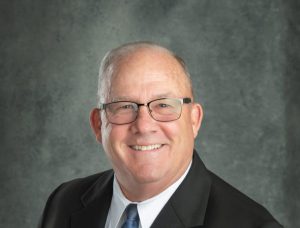
Dr. Jack Welch serves as President of Fort Scott Community College. With a career spanning professional sports, public education, and rural community development, he brings a servant-leader mindset and a passion for building trust-driven cultures that empower people to thrive in the classroom, on the field, and in life. He is also the author of Foundations of Coaching: The Total Coaching Manual.