Downtown Halloween Parade/Trick-or-Treat is Tomorrow, Saturday Oct. 25 at 10 a.m.

|
|

|
|
|

|
|
|
|
|
|
|
|
|

|
|||||||||||||||
|
|||||||||||||||
|




Fort Scott Stamp Club Meets November 8 At The Library


Ad: DBB Seeks Individuals With Accounting, Payroll, and Bookkeeping Experience
DBB Inc, formerly Diehl Banwart Bolton CPA PA’s, is looking to add to our great staff. We are looking for qualified, motivated individuals with experience in accounting, payroll, and/or bookkeeping. We have full-time and part-time positions available. DBB Inc, is a full-service accounting, payroll, and tax preparation firm with a long history of excellence. We offer competitive compensation and benefits for all full-time employees. Please send your resume to cpatax@cpadbb.com , mail to PO Box 869 Fort Scott KS 66701 or drop off at 7 ½ E Wall St, Fort Scott KS. We will schedule interviews with all qualified applicants.

Bourbon County Commission Special Meeting: Noise Ordinance and Payroll

Before discussing a proposed noise ordinance, the clerk’s office addressed the commission concerning the new payroll company the county is changing over to.
Payroll
County Clerk Susan Walker read a statement to the commission about the payroll and benefits problems they are currently having with the new payroll system the county.
“It was not an operation improvement. It was a political move,” she said the commission’s decision to hire Pay Entry to do the county’s payroll.
“It undermines the efficiency,” she said. It has not saved time for her office but has added to the hours needed.
Walker also stated that recent comments in commission meetings implied a failure of her office. Implying that any payment has been processed without prior approval is false.
Jennifer Hawkins, Deputy Clerk, addressed the commission regarding the affects of what the new payroll system is doing.
She is working directly with Pay Entry and cited several issues she found in her meeting with them Thursday morning.
“My main concern is employees can change the cost center and their job title,” even by accident, she said, which would change their pay rates and what account their pay comes out of. Pay Entry said they cannot lock employees out of that part of the program without locking everyone else out too, including supervisors.
“The system seems rather clunky compared to what we have now. In my opinion, it’s taking two steps back compared to what we now use,” said Jennifer.
Commissioners Samuel Tran and Mika Milburn both wanted to include the vendor’s representative in a meeting about the issues.
Commissioner David Beerbower suggested putting the changeover to having Pay Entry manage the county’s payroll (which was to take place on Sunday) on hold until they can have a meeting with the payroll vendor at the regular commission meeting on Monday.
This shouldn’t be happening during the election time, Beerbower pointed out, as the clerk has election responsibilities taking her time.
Beerbower told Milburn to reach out to Emerson to ask for a delay in starting up to allow for time to work out the issues.
Walker said she was asked to start up at the end of the quarter, and she suggested waiting to start up until the start of the new year.
Tran said the commission needs to discuss it among the three of them. He also said that when there’s a problem, those involved are either a help or a hindrance.
He said the county officials and employees need to work as a team.
He also said they are trying to make things better.
Walker said that nothing was broken in the system that the county had been using.
Milburn will pass on the clerk’s office issues to Pay Entry, and the changeover will be delayed until the problems can be worked out.
Noise Ordinance Resolution
Tran said he spoke to the county’s attorneys, and the county doesn’t have standing for an injunction or a cease and desist order, so the noise ordinance is the next step they can take. It will give them standing.
Beerbower shared a noise resolution example with the commission that a citizen had given him for review. He said it is similar to noise resolutions in Atchison and Douglas Counties.
Some highlights from the resolution he read include:
Defining “plainly audible” as sound an unaided human ear 75 feet from the source can hear. Tran also requested the addition of reverberation to the ordinance.
The ordinance differentiated between residential, agricultural and commercial/industrial areas. It also distinguished between noise volume allowed during the day and night.
Daytime (7 AM-10 PM) decibel limits in the ordinance are 60 dB in residential, 65 in agricultural, and 70 in commercial and industrial areas.
Actions on the list of violations include: operating outdoor power equipment between 10 PM and 7 AM, operating muffler-less vehicles, operating amplified music or a speaker at a volume heard beyond the property boundary.
Normal agriculture operations, special events, and construction during the day are exempted from the resolution.
Enforcement would be by the sheriff’s department. Violations may result in a citation and misdemeanor charge with fines of $500 and up to 30 days in jail. Each day of the violation qualifies as a separate offense. The county can seek an injunction to stop continuous offenders.
Beerbower expressed concern about adding decibel levels to the resolution because of the issue of who measures the sound.
He said the language of the ordinance, which calls noise that causes damage to another’s health and impedes their ability to enjoy their life a violation, is adequate.
Public Comments
Zach Cross expressed concern that the commissioners consider grandfathering in existing businesses. He owns a kennel business in the south end of the county and is concerned about his ability to continue to operate if a new neighbor doesn’t want the noise of the kennel so close to their property.
Mary Ridge expressed concern about noise from gunfire and fireworks.
Michael Hoyt compared the ordinance to a speed limit change, which is enforced the minute it’s published.
Beerbower asked Tran and Milburn if they had any changes to suggest.
Beerbower asked to bring it back to the regular meeting on Monday. He said he would get legal’s opinion before then.
Safety Tips For Halloween

|
|
TOPEKA – With just a few safety steps, you can prevent children from going bump in the night to ensure a happy Halloween. Injuries can be scary, but the good news is they are preventable. Safe Kids Kansas, the Kansas Poison Center and the Kansas State Fire Marshal remind families to make safety part of your fall festivity planning.
Child pedestrian injuries are more likely on Halloween than on any other night of the year. Drivers need to slow down and be extra alert, especially in neighborhoods, as more children will be on the streets and sidewalks. Kids may be focused on gathering candy and the excitement of the holiday rather than being careful while crossing streets.
Review safety rules with your kids before they leave the house. Children younger than age 12 should not cross streets on Halloween without an adult or responsible teenager. If your children are mature enough to be out without supervision, make sure they keep to familiar areas that are well-lit, stick to a pre-planned route and trick-or-treat in groups. Carry a cell phone in case of an emergency but pay attention to your surroundings and don’t be distracted by texting or talking on the phone.
“On Halloween night, it’s important to see and be seen,” Cherie Sage, Safe Kids Kansas, said. “Carry a flashlight and have your trick-or-treaters wear reflective tape or stickers on costumes and treat bags.”
Remind children to be careful with candy. It’s hard to resist the temptation to dive right into treats, but it is best to check sweets before children are allowed to eat them. Only eat treats in original and unopened wrappers. Also, be aware that kids are in a candy-seeking mode, so keep medicine locked up and away and keep the Poison Help number programmed into your phone: 1-800-222-1222.
According to the National Fire Protection Association, nearly half of home structure fires happened because decorations were too close to a heat source. Most of these incidents were started by candles. Play it safe and use battery-powered candles or lights. Remember to ensure your family has working smoke and carbon monoxide alarms on every level of your home, both inside and outside of every sleeping area.
“Our goal is to keep every trick-or-treater safe this Halloween,” Mark Engholm, Kansas Fire Marshal, said. “Use battery-powered candles, watch for trip hazards and remind kids to stay alert and visible while out collecting treats.”
With Halloween just a week away, follow these tips to ensure everyone has a fun and safe holiday:
Costume Safety
- Choose costumes and decorations that are flame-resistant or flame-retardant.
- Prevent trips and falls by choosing a costume that is the right size and choose non-toxic face paint and makeup instead of masks, which can obstruct a child’s vision.
- Make trick-or-treaters visible to drivers with reflective tape or stickers and carry glow sticks and flashlights to help see and be seen. Remind kids not to chew or bite glow sticks, as the liquid inside can irritate their mouths and eyes.
Decorate Safely
- Keep flammable materials such as hay bales, corn stalks and paper decorations away from heat and flame sources, including candles, light bulbs and heaters.
- Use battery-operated candles in jack-o-lanterns and decorations.
- Set a reminder to blow out any candles and unplug lights at the end of the evening.
- If you are attending parties or haunted houses, look for the exits in case of an emergency.
- If using dry ice, wear gloves or use tongs when handling it, and do not put it in cups where it could be swallowed and cause severe burns.
Walk Safely
- Stick to sidewalks or paths. Do not walk through neighbors’ yards, as there may be hazards you can’t see.
- If there are no sidewalks along your street, walk on the road facing traffic as far to the left as possible.
- Only cross the street at corners and crosswalks – not between parked cars – and make eye contact and wave at drivers before crossing to ensure they see you.
- Pay attention to your surroundings and put away phones and other potential distractions.
Drive Safely
- Slow down and be alert in residential neighborhoods, especially when turning at intersections or entering and exiting driveways and alleys. Children are excited on Halloween and may move in unpredictable ways.
- Eliminate any distractions inside your car so you can concentrate on the road and your surroundings.
- Popular trick-or-treating hours are 5:30 p.m. to 9:30 p.m., so be especially alert for kids during those hours.
For more tips on how to keep kids safe on Halloween and throughout the year, visit safekids.org.
###
About Safe Kids Kansas Safe Kids Kansas is a non-profit coalition of statewide partners working to prevent childhood injury, the leading cause of death and disability in children. The Kansas Department of Health and Environment serves as the Lead Agency for the coalition.
Visit us at safekidskansas.org, Facebook and Instagram.
About the Kansas State Fire Marshal
The Kansas State Fire Marshal’s office is dedicated to protecting the lives and property of the citizens of Kansas from the hazards of fire, explosion and hazardous materials. KSFM’s aims to reduce the deaths, injuries, and property losses of Kansans through inspection, enforcement, regulation, investigation, hazardous material incident mitigation and public education.
Visit us at firemarshal.ks.gov, on Facebook or X/Twitter.
About the Kansas Poison Center The Kansas Poison Center at The University of Kansas Health System serves the entire state of Kansas 24 hours a day, 365 days a year. All calls are free, fast and confidential. Call the Poison Help Line at 1-800-222-1222.
KDOT seeking comments on STIP amendment
The Kansas Department of Transportation (KDOT) requests comments on an amendment to the Federal Fiscal Year 2026-2029 Statewide Transportation Improvement Program (STIP) document.
The STIP is a project specific publication that lists all KDOT administered projects, regardless of funding source, and includes projects for counties and cities as well as projects on the State Highway System. The list of projects being amended to the STIP can be viewed at ksdot.gov/about/publications-
The approval of the STIP amendment requires a public comment period, which concludes November 6. To make comments on the amendment, contact KDOT’s Division of Program and Project Management at 785-296-2252.
This information is available in alternative accessible formats. To obtain an alternative format, contact the KDOT Division of Communications, 785-296-3585 (Voice/Hearing Impaired-711).
###
Agenda for This Evenings Bo Co Commission Meeting Oct. 23
Reminder there is also a work session discussing benefits at 5:00 PM.
BOURBON COUNTY, KANSAS
Bourbon County Commission Special Meeting Agenda
Bourbon County Commission Chambers, 210 S National Ave.
Thursday, October 23, 2025, 6:00 PM
I. Call Meeting to Order
Roll Call
Pledge of Allegiance
Prayer
II. Payroll Update – County Clerk
III. Noise Resolution
IV. Adjournment _____________
Commissioners Discuss Noise Resolution in the County Today at 6 p.m.
The Bourbon County Commission will have a special meeting at 6PM to discuss a Noise Resolution.
Submitted by
Susan E. Walker
Bourbon County Clerk
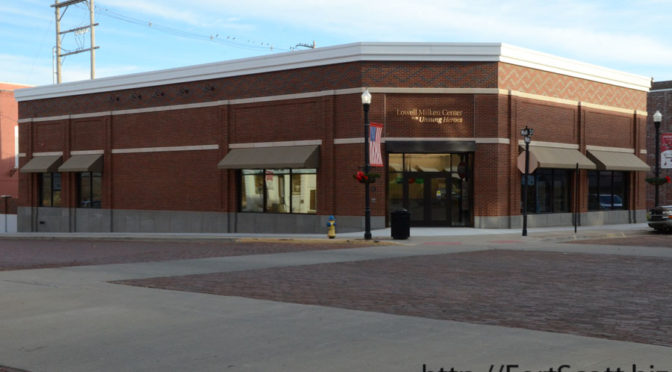
Turning Classroom Curiosity into Discovery: Lowell Milken Center For Unsung Heroes Newsletter
|
||||||||||||||||||||||||||||||||||||||||||||||||||||||||||||||||||||||||||||||||||||||||||||||||||||||||||||||||||||||||||||||
|
||||||||||||||||||||||||||||||||||||||||||||||||||||||||||||||||||||||||||||||||||||||||||||||||||||||||||||||||||||||||||||||


 Learn more about how your students can take part in the 2026 Discovery Award Competition:
 Entries are due July 1, 2026, so now’s the time to start digging into history!
|
|||||||||||||||||||||||||||||||||||||||||||||||
|
|
|||||||||||||||||||||||||||||||||||||||||||||||
|
|||||||||||||||||||||||||||||||||||||||||||||||
|
|||||||||||||||||||||||||||||||||||||||||||||||
|
|
|||||||||||||||||||||||||||||||||||||||||||||||
|
|||||||||||||||||||||||||||||||||||||||||||||||
|
|||||||||||||||||||||||||||||||||||||||||||||||
|
|||||||||||||||||||||||||||||||||||||||||||||||
|
|||||||||||||||||||||||||||||||||||||||||||||||
|
|||||||||||||||||||||||||||||||||||||||||||||||
 Visit Our Newsroom


|
||||||||||||||||||||||||||||||||||||||||||
|
||||||||||||||||||||||||||||||||||||||||||


The Bourbon County Sheriff’s Office Daily Reports October 23
Chief Judge Amy Harth was reappointed in the 6th Judicial District
|
|