Category Archives: Health Care

Nevada Hospital Provided 200 COVID-19 Vaccinations In the Last Week

January 12, 2021


Submitted by
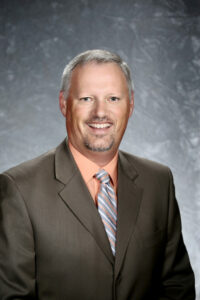
Steve Branstetter, CEO
Nevada Regional Medical Center

As COVID-19 cases continue to impact our hospital, we are seeing hope in the first round of vaccines being administered throughout Missouri.
We are proud to share that over the last week, our Nevada Regional Medical Center team has provided more than 200 vaccinations to front-line health care workers who are among the first group eligible to receive the vaccines, in accordance with Centers for Disease Control and Prevention guidelines.
As our vaccine supply increases throughout the coming weeks and months, we will expand our vaccine operations to the community, as guided by the CDC and the Missouri Department of Health and Senior Services. We will share a defined timeline as more information becomes available.
It will take time to vaccinate all members of our community. In the meantime, please continue to follow all safety precautions – wear a mask, practice physical distancing and hand hygiene.
We will keep you informed and updated as we learn more and prepare for each phase of vaccinations. There are many moving parts related to the supply and administration of the vaccine, so thank you for your patience and understanding as we strive to take care of our community.
Please share this message with your friends, family and others in the community who have questions or concerns about the vaccine. Up-to-date resources and information also are available for individuals on the state’s vaccine website MoStopsCOVID.com.
Please continue to send well wishes to our front-line caregivers as they take care of patients and families.
Sincerely,
Steve Branstetter, CEO
Nevada Regional Medical Center


Natalie Eberhard,Community Relations and Foundation Manager, said Kansans may get vaccines in Missouri as well.

DO’S AND DON’TS FOR PEOPLE
SEEKING THE COVID-19 VACCINE
What can I do to know more about the COVID-19 vaccine?

Research.
Check your doctor, local hospital, local pharmacy or local health department website or social media sites for vaccine availability information.
Be patient.
Know that vaccines only are available in limited quantities and that vaccinations for certain populations, especially health care providers and first responders, take precedence.

Know what vaccination phase you are in.

Missouri’s COVD-19 vaccination website can help you understand the roll-out process, which is risk-based.

Just show up.

Supply is limited. Unlike some other vaccinations, providers will not have vaccine available for the public — outside of those in the priority categories — until Phase 3 vaccination begins.


COVID Vaccination Distribution Order

Governor Laura Kelly Announces Finalized Vaccine Distribution Order

TOPEKA – Governor Laura Kelly on Jan. 7  announced her administration’s final COVID-19 distribution order for population groups in Kansas. The vaccine will be administered in five phases, beginning with those most at risk of contracting or becoming seriously ill from COVID-19 and ending with all Kansans at large.

“These COVID-19 vaccination phase groups were created using guidance from national and state public health experts and with input from the Kansas Coronavirus Vaccine Advisory Council, or COVAC, which represents a diverse group of populations in Kansas,” Governor Laura Kelly said. “My priority remains providing every Kansan with updates and information on vaccine schedules as we get them and to get everyone vaccinated as quickly and efficiently as possible.”

The Kansas Coronavirus Advisory Council, representing a diverse group of Kansans statewide, is part of Governor Kelly’s commitment to maximizing benefits, minimizing harm, and striving for equity, justice, and fairness when it comes to when the vaccine will be made available to which Kansans.

The five phases of the order are as follows:

Phase 1:

     • Health care workers
• Residents or patients in long-term care facilities and senior housing
• Workers critical to pandemic response continuity

*Phase 1 groups have already begun to receive vaccines

Phase 2:

• Persons aged 65 and older

     • High-contact critical workers necessary to maintain systems, assets, and activities that are vital to the state security, the economy or public health, or who interact with large numbers of contacts and job-related COVID-19 exposure. COVID-19 risk is associated with the likelihood of infecting oneself or spreading the virus. Factors that increase risk include proximity, type of contact, duration of contacts and challenges to implement protective measures. This includes:
o Firefighters, police officers, first responders, and correction officers
o Grocery store workers and food services
o K-12 and childcare workers, including teachers, custodians, drivers, and other staff
o Food processing, including meat processing plants
o Large-scale aviation manufacturing plants
o Transportation workers
o Workers in retail, agriculture, supply of critical services or materials for COVID-19 response, the U.S. Postal Service, and Department of motor vehicles

• Those living or working in licensed congregate settings and other special care or congregate environments where social distancing is not possible, including:
o Homeless shelters
o Congregate childcare institutions
o Emergency shelters or safe houses
o Corrections facilities
o Behavioral health institutions

Phase 3:

• Those aged 16-64 with serious medical conditions that increase the risk for severe illness from COVID-19, including:
o Cancer
o Chronic kidney disease
o Chronic obstructive pulmonary disease
o Down Syndrome
o Heart conditions like cardiomyopathies
o Immunocompromised state from solid organ transplant
o Type 2 diabetes
o Sickle cell disease
o Pregnant patients

• Other non-health care workers in critical infrastructure who cannot work remotely, including:
o Agricultural and food workers not included in previous phases
o Workers performing in-person activities indoors, in critical manufacturing, not included in previous phases. This includes aviation and production of critical supplies for the COVID response
o Utility workers
o Social service and government workers not included in previous phases
o Logistics workers, such as truck transportation workers, couriers and others
o Water and wastewater workers
o Shelter and housing workers, finance workers
o Information technology and communications workers

Phase 4:

• Those aged 16-64 with other medical conditions that increase the risk for severe illness from COVID-19 such as:
o Asthma
o Cerebrovascular disease
o Cystic Fibrosis
o Immunocompromised state from blood or bone marrow transplant, immune deficiencies, or use of immune weakening medicines
o Neurologic conditions such as dementia
o Liver disease
o Pulmonary fibrosis
o Type 1 diabetes
o Obesity and severe obesity

Phase 5:

• The rest of the population 16 and older
• Potentially children, dependent upon further research on the effectiveness and risks associated with vaccinating kids

View a visual representation of the distribution order here.

View informational slides regarding vaccine distribution here.

Bourbon County Entities Have Received The COVID-19 Vaccine

COVID-19 Courtesy photo.

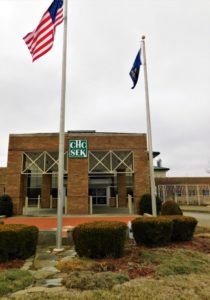
Community Health Center of Southeast Kansas (CHC-SEK) and the local county health department have received the COVID-19 vaccine.

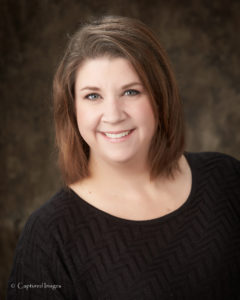
Krista Postai. Submitted photo.

“Each of our clinics did receive the vaccine to immunize medical personnel….our own and any others in the community not covered by the local health department,” said Krista Postai, President and CEO of CHC/SEK. “It is our understanding that staff and residents in long term care (facilities) are being immunized through a federal contract with Walgreens who has received their own allocation of the vaccine.”


“We have exhausted our first shipment of 100 vaccines and are awaiting word on the next shipment,” she said. “We used (these) for our Fort Scott, Pleasanton and Mound City employees along with some other non-CHC/SEK medical personnel.”


“As you may have seen in the media, Kansas does not appear to be faring well in getting their vaccine distributed….although the state says that’s not accurate….it’s a problem, they say, with the reporting system,” Postai said.


“That said, we do anticipate receiving additional vaccine in the communities we serve and will coordinate/collaborate with local health departments, who are also receiving the vaccine,” Postai said.


Postai said she received the following email from KDHE.


  1. “ALL healthcare associated workers, hospital staff and local health dept staff are eligible to receive vaccine right now. This includes dentists, ophthalmologists, EMS workers, home health workers, school nurses, pharmacists, etc.


  1. “If a county has more vaccine and has vaccinated all health care workers in the county, please contact the Kansas Immunization Program at [email protected] and KDHE will help redistribute your extra vaccine doses to another county who still needs more for health care workers.


  1. “KDHE anticipates that additional vaccine doses will arrive weekly in the state. Facilities that received vaccine will automatically receive a separate delivery/shipment for the second dose.


  1. “The Governor’s office and KDHE are working on priorities beyond healthcare workers and long-term care and those will be shared soon. For now, we are asking the whole state to stay in phase 1 and we will move on to phase 2 after all healthcare workers that want to be vaccinated are vaccinated with the first dose.”


For more info: contact [email protected]


Rebecca Johnson, SEKMCHD Director. Submitted photo.

“We received 60 doses and have given them all,” Rebecca Johnson, Southeast Kansas Multi-Health Department Administrator said.


“When we know how many more we’ll be getting and when, we’ll be reaching out to whom KDHE instructs us to vaccinate next,” she said. “When we are able to vaccinate the public, we will advertise this in the paper, radio, Facebook and on our website. From the availability chart, it says high-risk individuals are looking at late winter 2021 and all other adults are looking at spring 2021.”


The Kansas Department of Health and Environment has instructed local health departments to vaccinate Emergency Medical Service personnel, healthcare and public health workers, she said.


“That’s who we’ve administered to,” Johnson said. ” We received 60 doses and have given them all.”


“Walgreens is working with long term care facilities on their vaccination plan,” she said. https://www.walgreens.com/topic/promotion/covid-vaccine.jsp


“In the first category, KDHE has listed Healthcare Personnel, Long Term Care Facility Staff/Residents, and EMS/Frontline Public Health Workers,” she said.  “This chart can be found on the KDHE website or folks can go to our updated website: www.sekmchd.com.


From the sekmchd website:

Coronavirus (COVID-19) Active Cases | January 6, 2021

Allen County 96

Anderson County 71

Bourbon County 83

Woodson County 27

Please call your local health department if you would like a further breakdown of cases at 620-223-4464.

COVID-19 Vaccine FAQs

When will the COVID-19 vaccine be available?

Currently, the vaccine is only available to healthcare workers and long-term care residents. As more vaccine is made available it will be offered to additional groups.

Please see the Expected Vaccine Availability Status to Population Group (pg 3) put out by the Governor’s office. SEKMCHD receives instructions directly from KDHE about which groups are eligible for vaccination with the vaccine they send to us.


Is vaccination mandatory?

Public Health officials are not mandating vaccination at this time. Your employer may require you to be vaccinated.


Will there be enough vaccine for everyone?

The Federal government has indicated that there will be enough for everyone who wants to be vaccinated.


How much will the vaccine cost?

The vaccine itself is being paid for by the federal government. SEKMCHD won’t be charging a fee. Other places giving vaccinations may charge a fee to administer the vaccine.


Where can I get a COVID-19 vaccination?

Right now vaccine is only available for healthcare workers and long-term care residents. Vaccine will be made available to the public in the spring/summer of 2021. At that time it may be available through the health department, pharmacies, and physician offices. Check this website for further updates.


Do I need to make an appointment to get the vaccine?

No. When the health department receives enough vaccine to give to the public we will host a large event. No appointment will be required for that event.


I already had COVID-19.  Do I need to get the vaccine?

It is suggested that you get vaccinated even if you have previously had COVID-19.


How long after I get my vaccine do I need to wear my mask?

You should wear your mask even after being vaccinated. Public health officials will advise when it is safe to go back to not wearing a mask.


I want to get a specific vaccine.  How do I do that?

The health department is unable to honor requests for specific vaccines. The health department cannot request specific vaccines at this time.  When we are ready to begin vaccination of the public we will let the public know which specific vaccine is available.


Kansas Expands Newborn Screening

Kansas Expands Newborn Screening


The Kansas Department of Health and Environment (KDHE) announces that as of January 2, two lysosomal storage disorders (LSD) have been added to the Kansas Newborn Screening blood spot panel: Pompe Disease and Mucopolysaccharidoses I (MPS I).


With this change, Kansas is now screening for 34 of the 35 conditions on the Recommended Uniform Screening Panel. This screening will be part of the standard blood spot screening conducted shortly after birth. While Kansas is not the first state to add Pompe and MPS I to the blood spot screening panel, it is now one of only 23 states to routinely screen for these two LSDs.


Lysosomal storage disorders are a group of diseases that prevent cells from breaking down fats and sugar, causing them to swell. Cells that swell due to LSD causes tissue damage that can lead to a variety of symptoms, such as muscle weakness, enlarged heart, feeding difficulties, intellectual disability and retinal degeneration.


Pompe and MPS I are disorders that are inherited from unaffected parents. When both parents carry a gene for one of these disorders there is a 25% chance their child will be affected by the disorder. Pompe has an incidence rate of 1 in 40,000 and MPS I has an incidence rate of 1 in 100,000. Given these rates, KDHE’s Kansas Newborn Screening Program expects to identify approximately one Kansas infant per year affected by Pompe and one every year and half affected by MPS I.


As with all conditions on the Kansas Newborn Screening panel, treatments are available for these conditions and are most effective when started early. Early detection and treatment for LSDs can help prevent severe disability, early death and can help babies have the best possible quality of life.


###

About the Kansas Newborn Screening Program

The Kansas Newborn Screening Program has screened babies for rare and serious conditions at no charge to families since 1965, starting with screening newborns for phenylketonuria (PKU). Most babies are born healthy. However, some are born with serious medical conditions that may not be visible at birth. Left untreated, these conditions can cause permanent disability or death. Over the years the program has added 31 additional disorders to its panel including hearing loss, critical congenital heart defects, and 29 additional genetic and metabolic disorders. Over 36,700 babies received this essential service in 2019, saving 20 lives and preventing serious illness or disability for more than 200 Kansas children.


Carmen Pike New Administrator At Nevada Hospital

Carmen Pike. Submitted photo.

Moore-Few Care Center Announces New Administrator

Moore-Few Care Center (MFCC) is pleased to announce the promotion of Carmen Pike, RN from Director of Nursing (DON) to Administrator. Her promotion took place in October as the previous administrator Angela Barrett moved on to the position of Controller at Nevada Regional Medical Center.

Pike brings more than 28 years of experience as a career-long employee of MFCC. She has worked her way up through the ranks over the years, with her first job at MFCC as a housekeeper. When asked what she likes about her job, she says she sees long-term care residents as the often-forgotten people of society. “I enjoy taking care of them, making them smile and feel important,” says Pike.

A self-proclaimed overachiever, Pike enjoys learning and advanced her career at MFCC by continuing her education. A Nevada, Mo native, her nursing career path began in the health occupations class at Nevada High School, by which she earned her certification as a nurse aid. She went on to earn her practical nursing license through Crowder College. Later, she became a registered nurse and most recently, in 2020, she passed rigorous state and federal exams to earn her administrator’s license.

As Administrator, I look forward to encouraging a family-oriented team at Moore-Few,” says Pike. “I think that approach will help us provide the best home for residents, where we take care of them, as well as each other. I want our Moore-Few family to look forward to coming to work and to see that hard work pays off.”

Pike lives on a farm in Nevada with her husband of 32 years. They have two sons and two grandchildren. When asked about how she spends her spare time she says, “I LOVE fishing, especially for catfish, and caring for our cows and chickens.”

###

About Moore-Few Care Center
Moore-Few Care Center, a skilled nursing facility, provides a variety of rehabilitation and health care services. The first Moore-Few nursing home was created in the old Nevada City Hospital building when the new hospital construction was completed in 1971. In 1988, Moore-Few Nursing Home was moved to a newly built facility adjoining Nevada Regional Medical Center and referred to as the Moore-Few Care Center. Boyd Ewing’s property was used in the construction of the new building.

Bourbon County Coalition Meets Via Zoom Jan. 6

“We will be having a Zoom meeting at noon on Wednesday, January 6, thanks to Robin and Allen County Thrive,” Billie Jo Drake, the chairwoman, said in an email.

Bourbon County Inter-Agency Coalition

General Membership Meeting Agenda

January 6, 2021

  1. Welcome:
  1. Member Introductions and Announcements:
  1. Program (no programs for Zoom meetings)
  1. Open Forum:
  1. Adjournment: Next General Membership meeting will be February 3, 2021.

Fort Scott Healthcare Workers Receive First COVID-19 Vaccine

Kyla Probasco RN, CHC/SEK Fort Scott administers a dose of Moderna COVID-19 vaccine to Kristen McCoy RN. The clinic began vaccinating its staff against the virus on Wednesday, after receiving its first allocation of Moderna vaccine.   


On Wednesday, Dec. 23, CHC/SEK Fort Scott received its first allocation of Moderna COVID-19 vaccine and vaccinated 20 of its staff against the virus. Next week, per the state vaccination plan, CHC/SEK will begin vaccinating additional healthcare workers in our communities. At the same time, Walgreens and CVS Pharmacies have begun vaccinating residents in nursing homes and senior living facilities.


The Moderna supply is being distributed to local health departments and federally qualified health centers across the state who will vaccinate healthcare workers. The initial vaccine distribution is geared towards healthcare providers and long-term care residents, in line with the CDC’s Advisory Committee on Immunization Practices (ACIP) recommendations. Distribution among these groups is expected to continue through January.


Kansas received its first shipment of Pfizer vaccines for hospital workers on December 14-15. This week,  Pfizer doses were given to participating long-term care facility residents and staff through CVS and Walgreens pharmacies, who are tasked with delivering COVID-19 vaccine to these populations.  The coordination of vaccination activities will occur directly between CVS/Walgreens and those facilities participating in the program.


KDHE is disseminating weekly updates on vaccine developments on their website.


CHC/SEK has planned for, trained, and is looking forward to the day we can begin offering vaccines to the public in the coming year. As soon as we know when public vaccine is on the way, we will keep you informed through your CHC/SEK Patient Portal,  the clinic’s social media platforms, and your local news outlets.


SPARK Recipients Working To Complete Spending

The north wing of the Bourbon County Courthouse houses the county clerk, treasurer and commission offices.

The SPARK recipients are working to complete COVID-19 related projects by the end of 2020, as required by the grant program.

SPARK is responsible for the statewide distribution of the U.S. Coronavirus Relief Fund.

The total amount of grants disbursed in Bourbon County to over 100 entities was $2,835,212.86 on October 21, 2020, according to Bourbon County Economic Director Jody Hoener.

To see the list of recipients:

https://fortscott.biz/news/spark-projects-in-bourbon-county

The Strengthening People and Revitalizing Kansas (SPARK) taskforce is leading the state through recovery from the far-reaching effects of the COVID-19 Pandemic, according to its’ website. https://covid.ks.gov/spark-recovery-office/


“Congress recently passed the new COVID bill that gave an extension to states and cities on spending this money for a year,” said Jody Hoener, the Bourbon County Economic Development Director. “The State of Kansas Recovery Office indicated there will be an extension on our spending plans, but unknown at this time how much of an extension we will receive.”


Jody Hoenor, Bourbon County Economic Development Director. Submitted photo.


Locally, SPARK recipients have been balancing and reconciling expenses.


“At the county level we gathered the department heads who have been awarded funds for programs,” Hoener said. ” We went through every single dollar amount from the department and made sure it matched exactly what the County Clerks Office cut for a check and what Greenbush have in their reports.  Any errors are caught and quickly corrected.  From there, we subtract the total amount spent from the total amount allocated and have a final amount left to spend.”


The other recipients are also required to submit receipts and invoices of SPARK money, she said.


“For the community’s grant/award expenses( they) need to submit receipts and invoices to show dollars spent,” she said. “Greenbush is going through every single receipt and invoice with a fine-tooth comb.  It is very time-consuming as you can imagine.  From this, we have a very clear understanding of the amount spent and how much is left to be spent.”


The Southeast Kansas Educational Service Center (also known as Greenbush) was hired by the county commission to administer the SPARK distribution and oversight.


“Greenbush was contracted to administer the county SPARK funds,” Hoener said.


COVID 19 Relief Legislation Passed

Marshall Issues Statement on COVID Relief Legislation Passed on Dec. 21

WASHINGTON – U.S. Congressman Roger Marshall, M.D. issued the following statement and details on the new COVID relief legislation.

Millions of COVID-19 vaccine doses are being distributed and administered, bringing the hope and possibility of widespread immunity by mid-March. However, our nation still needs a bridge to help us to the spring. With that in mind, I’m supporting the $900 billion COVID relief bill. Since the summer, Republicans have called for a targeted relief package that prioritizes refunding the Paycheck Protection Program, funding for vaccine distribution, additional support for unemployed Americans and resources to allow our children to safely return to the classroom. This relief legislation delivers on all of those priorities and leaves out the unnecessary funding for cities and states and socialist priorities of the left.


This bill repurposes more than $500 billion in unused CARES Act funds to help hardworking Kansans make it through these next winter months. By reopening the highly successful Paycheck Protection Program, which saved more than 500,000 Kansas jobs this year, we will ensure that assistance is again available to struggling small businesses and improvement are made to address issues raised by lenders and business owners.


Families will receive another stimulus check, and federal unemployment benefits have been extended for both full-time and contract workers. Finally, this legislation includes essential funding for the continued manufacturing and distribution of the safe and effective COVID-19 vaccine. This package not only will help families, small businesses, and communities still struggling with the impacts of COVID-19, but it also gives us the tools we need to defeat this virus.”


The COVID Relief bill does the following:

  • Adds $280 billion to the Paycheck Protection Program to support small and mid-size businesses impacted by COVID-19, allowing them to retain employees and keep their door open
    • Gives businesses with 300 employees or less experiencing severe revenue reductions an opportunity to apply for a second PPP loan
    • Includes 501(c)(6) organizations but excludes unions from PPP eligibility
    • $15 billion in funding for entertainment venues, movie theaters, and museums that are experiencing significant revenue loss  
    • Codifies federal rules that ensure churches and faith-based organizations are eligible for PPP loans
    • Makes expenses businesses covered with funds from the Paycheck Protection Program tax deductible
  • Provides $68 billion to ensure continued manufacturing and distribution of safe, effective COVID-19 doses to all Americans, regardless of their ability to pay
  • Delivers $600 in direct payments to both adults and children, with reduced payments for high-earning families
  • Provides $300 per week federal unemployment benefits until March 14, 2021, to help those still struggling to reenter the workforce
    • Extends and phases-out Pandemic Unemployment Assistance, which is a temporary federal program covering self-employed and gig workers, to March 14 (after which no new applicants) through April 5, 2021
  • Sets aside $13 billion for the USDA to continue support of farmers, ranchers and the biofuels industry
  • Provides $82 billion in funding for schools and universities to assist with reopening for in-person learning that also includes $2.75 billion in designated funds for private K through 12 education
  • Extends the deadlines for states and cities to use CARES Act funds by one year  
  • Provides $25 billion in temporary and targeted rental assistance for individuals who lost their source of income during the pandemic
    • Extends the eviction moratorium until January 31, 2021
  • Allocates $7 billion in broadband funding that includes funding to build out rural networks and telehealth


As a physician I often tried to share a message of hope to patients facing a tough diagnosis,” said Rep. Marshall “Over the past 11 months, I’ve learned even more about how important hope is to all of us.  With the vaccines being distributed and given, and now this next phase of COVID relief, I believe hope is visibly there for all Kansans. This Christmas season, I encourage those of us with more than enough to reach out to our neighbors who might benefit from some encouragement and a message of hope.”

###


Freeman Donates to CHC/SEK


Freeman Health System donates to CHC/SEK’s new John Parolo Education Center

PITTSBURG – On Tuesday, Freeman Health System invested in the next generation of rural healthcare professionals through a $1,000,000 donation to the new John Parolo Education Center building at Community at Community Health Center of Southeast Kansas, Pittsburg.

The building project, set to break ground in May, expects to grow the number of primary care physicians in the region as well as other healthcare disciplines. By 2025, Kansas is projected to need an additional 290 primary care physicians just to meet current needs; many rural counties no longer have a dentist. Kansas is experiencing a major exodus of its under-30 population seeking professional opportunities elsewhere.

“The overwhelming support and generosity of Freeman Health System most certainly demonstrates their true commitment to the future of healthcare in southeast Kansas,” said Krista Postai, CHC/SEK President and CEO. “This is an investment not only in health education, but in the lives of hundreds of our young people who will now have the opportunity to train locally and then serve the communities in which there were raised.

Since inception, CHC/SEK has served as a medical training site for healthcare students from all disciplines. It has affiliation agreements with 50 different organizations dedicated to healthcare education and more than 400 students receive training annually within its walls. 

Southeast Kansas is critically underserved in all areas of healthcare and, like all of rural Kansas, is seeing its health resources erode and is challenged to recruit health professionals who typically practice within 75 miles of where they have trained. Studies show that only 2 percent of new doctors want to practice in town with less than 25,000 residents. 

To bring training opportunities to southeast Kansas, CHC/SEK is building a state-of-the-art $5 million, 16,000 sq. ft. facility which will include learning laboratories, classroom and conference rooms designed to support medical and dental residents.

There will be a rural medicine training program for physicians and physician assistants, and post-graduate clinical training for licensure of multiple professionals including pharmacists, social workers and psychologists among others. 

This is indeed a dream come true and we are honored that Freeman CEO Paula Baker – who grew up just a few blocks from where this health education center will be built – shares our vision of training health professionals that are fully committed to the people they serve,” Postai said. We are extremely appreciative for their willingness – especially in the midst of a worldwide pandemic – to look beyond today to a better, healthier tomorrow.”

About Community Health Center of Southeast Kansas

Community Health Center of Southeast Kansas (CHC/SEK) is a non-profit Federally Qualified Health Center dedicated to providing affordable, high quality medical, dental, behavioral health, and pharmacy services to everyone, regardless of income or insurance status. For more information, visit www.chcsek.org.

About Freeman Health System 

Locally owned, not-for-profit and nationally recognized, Freeman Health System includes Freeman Hospital West, Freeman Hospital East, Freeman Neosho Hospital and Ozark Center – the area’s largest provider of behavioral health services – as well as two urgent care clinics, dozens of physician clinics and a variety of specialty services. For more information, visit www.freemanhealth.com

CHC/SEK Collaborates With Ft. Scott Business and State

Krista Postai. Submitted photo.

President and CEO of Community Health Center of Southeast Kansas Krista Postai gave an update on some recent collaborations.

Food Storage With New Ft. Scott Grocery Store

One collaboration is with the Star Emporium Downtown General Store, owned by Bill Michaud of BAJA Investments.

Michaud reached an agreement with the Community Health Center of Southeast Kansas to provide food storage space to expand the food distribution and delivery programs CHC/SEK is currently offering in Crawford County into Fort Scott, with services beginning in January, he said. The store will provide the food storage piece.

To learn more about this new downtown venture:

Star Emporium Downtown General Store To Open Early Next Year

“With the pandemic, we’re finding more and more people are struggling and challenged to find food, so we’re going to be adding food distribution to our list of services,” Postai said.  “The folks in Ft. Scott are providing our freezer and refrigerator space within the basement of the grocery store for any donated food or purchased food from Kansas Food Bank or other local partners.”

“This will not be used as a distribution point for community members, just a place for us to store it,” she said. “Our long-term plan is to create a Food Rx program for chronically ill and food-insecure patients and to offer grocery delivery to homebound patients throughout our region. It’s always great to find partners willing to help and this is a great example.”


Part of Kansas Distribution Plan For COVID-19 Vaccine

“We are part of the state’s overall plan for (COVID-19 vaccine) distribution and are anxiously awaiting its arrival,” Postai said.  “We just learned that we may be receiving one of the ‘super’ freezers from the state which would make the vaccine more accessible. Once available, we will be following state guidelines on priority immunizations which I believe will be front-line medical personnel first. For the latest information on the state’s plan, go to https://www.coronavirus.kdheks.gov/284/COVID-19-Vaccine.”

Nevada Hospital Adds Two Podiatrists

NRMC Welcomes Two New Podiatrists

Nevada Regional Center Center (NRMC), is pleased to announce the addition of two new podiatrists who will begin visiting the NRMC Professional Practice Clinic next month. Shelly Sedberry, DPM, AACFAS and Brittany Ciaramello, DPM, AACFAS will take over for Dr. David Dowell who is leaving to practice closer to his home in Tennessee.

Dr. Sedberry received her doctorate from Des Moines University and has served practices in Des Moines, suburban Chicago and Joplin. She specializes in the treatment of all ailments related to the ankle and foot.

Dr. Ciaramello received her doctorate from the New York College of Podiatric Medicine with additional credentialing in reconstructive rearfoot and ankle surgery. She has served patients in New Haven and Waterbury, Connecticut and Joplin.

Drs. Sedberry and Ciaramello will alternate weeks, providing a podiatric care and surgery five times each month beginning January 5. The Professional Practice Clinic is open weekdays from 8 a.m. to 5 p.m., and is located on the second floor of the south tower at NRMC. For more information, or to make an appointment, call the NRMC Specialty Clinic at (417) 448-2121.

###

About Nevada Regional Medical Center
Serving a six-county area since 1937, Nevada Regional Medical Center is a 71-bed acute, intensive and skilled care hospital. Nevada Regional Medical Center has earned recognition as a respected regional medical center for its comprehensive health care services, skilled and caring employees and state-of-the-art medical technology. Staff represent more than a dozen medical specialties, including family practice, women’s services, neurology, urology, psychiatry, orthopedics, wound care services, and general, vascular, thoracic and oncological surgery. Additionally, consultation clinics are held regularly by specialists in oncology, pulmonology, podiatry, ear, nose, and throat and cardiology.