All posts by Submitted Story
The FS Commission Special Meeting for Today, Updated
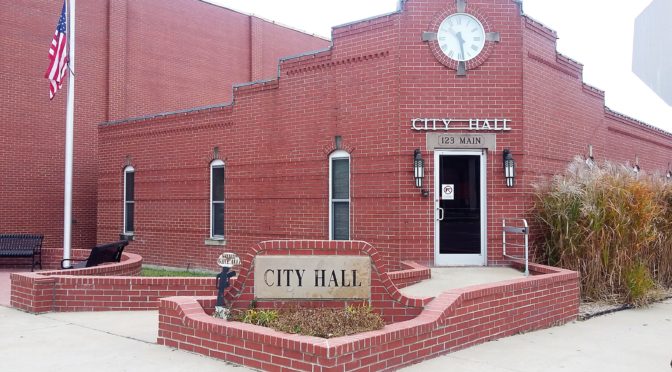
Updated – The City Commission will meet for a special meeting at 5:30 p.m. on Tuesday, March 23rd, 2021 at City Hall in the City Commission meeting room at 123 South Main Street, Fort Scott, Kansas. The City Commission will meet to approve an ordinance to hire Robert L. Farmer as City Attorney. They will also hear a request for the use of Gunn Park on April 9th. Also, to be heard will be approval to apply to the Fort Scott Community Foundation Grant for roller skates.
This meeting will be broadcast on the City’s You tube channel. This meeting is open to the public.
Revised Agenda For Bourbon County Commission On March 23
Agenda
Bourbon County Commission Room
1st Floor, County Courthouse
210 S. National Avenue
Fort Scott, KS 66701
Tuesdays starting at 9:00
Date: March 23, 2021
1st District-Lynne Oharah Minutes: Approved: _______________
2nd District-Jim Harris Corrected: _______________________
3rd District-Clifton Beth Adjourned at: _______________
County Clerk-Kendell Mason
MEETING WILL BE HELD IN THE COMMISSION ROOM. ANYONE ATTENDING THE MEETING WILL BE REQUIRED TO WEAR A MASK. MUST MAINTAIN SOCIAL DISTANCING.
Call to Order
-
- Flag Salute
- Approval of Minutes from previous meeting
- Eric Bailey/Will Wallis – Road and Bridge Report/Disaster 4449-KS Project Details and Total Summary
- Lora Holdridge – 1989 Reappraisal Map
- Resolution 15-21: Sewer District Bond Refinance
- S & P Global Ratings Engagement Letter
- Patrick Clift – Nelson Quarries, Base Rock for County Roads in Jayhawk Windfarm Area
- County Counselor Comment
- Public Comment
- Commission Comment
Justifications for Executive Session:
KSA 75-4319(b)(1) To discuss personnel matters of individual nonelected personnel to protect their privacy
KSA 75-4319(b)(2) For consultation with an attorney for the public body or agency which would be deemed privileged in the attorney-client relationship
KSA 75-4319(b)(3) To discuss matters relating to employer-employee negotiations whether or not in consultation with the representative(s) of the body or agency
KSA 75-4319(b)(4) To discuss data relating to financial affairs or trade secrets of corporations, partnerships, trust, and individual proprietorships
KSA 75-4319(b)(6) For the preliminary discussion of the acquisition of real property
KSA 75-4319(b)(12) To discuss matters relating to security measures, if the discussion of such matters at an open meeting would jeopardize such security measures.
Beware of Utility Assistance Scams
KCC warns consumers to beware of utility assistance scam
TOPEKA — The Kansas Corporation Commission (KCC) has received reports that an individual, claiming to work for the KCC, is calling Kansans asking if they need assistance paying their natural gas bills. Not much information is currently available about these calls. However, the KCC wants to alert the public that any unsolicited call from a person claiming to be a KCC employee offering utility payment assistance is not legitimate. If you receive a call like this, please do not share any personal or financial information.
The KCC has a Consumer Protection Division that ratepayers can contact when they need assistance. The staff is available between 8 am and 5 pm Monday through Friday by calling 800-662-0027 or 785-271-3140 or sending an email to [email protected]. There is also a link to utility assistance programs on the KCC’s website at https://kcc.ks.gov/public-affairs-and-consumer-protection/utility-weatherization-related-assistance-programs.
Roll Up Sleeve Campaign For COVID-19 Eradication
Governor Laura Kelly Announces One Million Doses Administered in Kansas; Launches “Roll Up Your Sleeve” Campaign
~ Over 23% of Kansans vaccinated with first dose of COVID-19 vaccine as the State of Kansas launches campaign to encourage additional vaccinations ~
TOPEKA – Today, Governor Laura Kelly announced Kansas has administered over one million doses of the COVID-19 vaccine, and launched the “Roll Up Your Sleeves” campaign to share the importance of receiving the COVID-19 vaccine. This news comes on the heels of Governor Kelly’s announcement that the state will move into Phase 3 and Phase 4 today, March 22, 2021.
“We administered over one million doses and we’ll keep getting vaccines into arms so our kids can get back in the classrooms, Kansans can get back to work, and life can get back to normal” Governor Kelly said. “With the increased vaccine supply coming to Kansas, we are working to make sure every Kansan gets vaccinated. This vaccine campaign is designed to show every Kansas what the science has proven – that vaccines are safe and will protect all of us from COVID-19.”
The “Roll Up Your Sleeves” campaign will feature broadcast, cable, digital and radio ads. The ads, created by Topeka-based company MB Piland, feature local Kansans who are committed to their community. The campaign will run through the end of June. Ads will also be aired in Spanish.
Find the ads here.
Reminder: Starting today, Kansans in Phase 3 & 4 of the Vaccine Prioritization Plan are eligible to receive the COVID-19 vaccine. Kansans will not be required to bring medical records or “proof” of their health condition. Instead, they will be asked to abide by the honor system and self-attest that they fall in Phase 3 & 4 based on the following:
- Those aged 16 through 64 with serious medical conditions that increase the risk for severe illness from COVID-19, including:
- Cancer;
- Down Syndrome;
- Certain heart conditions;
- Type 2 diabetes;
- Other serious illnesses;
- And pregnant women.
- Those aged 16 through 64 with other medical conditions that increase the risk for severe illness from COVID-19, such as:
- Asthma;
- Cystic fibrosis;
- Liver disease;
- Type 1 diabetes;
- Neurologic conditions like dementia;
- And other medical risks.
- And other non-health care workers in critical infrastructure who cannot work remotely, including:
- Agricultural and food workers not included in previous phases;
- Workers performing in-person activities indoors;
- Utility workers;
- Social service and government workers not included in previous phases;
- Logistics workers, such as truck transportation workers and couriers;
- Water and wastewater workers;
- Shelter, housing, and finance workers;
- And information technology and communication workers.
For more information on COVID-19 vaccines in Kansas and to find a local provider with vaccines available, please visit www.KansasVaccine.gov.
###
Chamber Coffee at Common Ground Coffee Hosted by NRMC
Chamber Coffee to be hosted by Nevada Regional Medical Center
The Fort Scott Area Chamber of Commerce announces that this week’s Chamber Coffee will be hosted by Chamber member Nevada Regional Medical Center. The event will be held at 8am in the Loading Dock area of Common Ground Coffee Co., 12 E. Wall St.
Coffee, juice, and light refreshments will be served, and attendees may register to win special drawing from NRMC.
Attendees are strongly encouraged wear masks and follow social distancing guidelines.
Chamber members and guests are invited to Chamber Coffee events each Thursday at 8 a.m. to network, make announcements, hear about happenings in the community as well as learn about the host business or organization.
***
Kansas Council To Establish Coordination Between Education and Business Announced
Governor Laura Kelly Signs Advantage Kansas Executive Order to Improve Kansas’s Workforce
~Executive order establishes a coordinating council to establish cooperation and coordination between education and business communities~
TOPEKA – Today, Governor Laura Kelly signed Executive Order 21-08 to establish the Advantage Kansas Coordinating Council (AKCC) to improve Kansas’s workforce. Comprised of education and business leaders across the state, the AKCC will align education with state agencies and business needs to develop, retain, and attract talented Kansans into the workforce.
“As we recover from the pandemic, we must rebuild a stronger, healthier workforce that can meet the demands of our growing economy,” said Governor Laura Kelly. “The Advantage Kansas Coordinating Council will empower education and industry leaders to collaborate on long-term solutions, develop the most skilled workforce in the Midwestern region, and recruit new businesses to our state.”
“A well-trained workforce that meets the current and future needs of the state’s many industries is one of the top challenges the Kansas business community faces,” Alan Cobb, President and CEO of the Kansas Chamber said. “Creating “Advantage Kansas” is a significant step forward to addressing these hiring needs, but perhaps more importantly, this effort will provide more economic and professional opportunities for Kansas students graduating from Kansas high-schools, community colleges, technical colleges, four-year institutions or anyone attaining professional certifications. This public-private partnership will be key in ensuring our state’s education system is in sync with the future growth of our state’s economy, the workforce needs of employers, and our collective desire to keep Kansas students in Kansas.”
As outlined in E.O. #21.08, the AKCC will consist of members from the Governor’s office, State Board of Education, Kansas Department of Education, Kansas Board of Regents, Kansas Chamber, and others to create synergy between education, economic systems, and the Framework for Growth.
“This collaboration is strategically aimed at ensuring our state is future-focused, and future-ready,” Lieutenant Governor and Commerce Secretary David Toland said. “Through efforts to align our workforce development efforts more closely with industry demand—and also our ability to support entrepreneurs and build a strong ecosystem for innovative companies to succeed in our state—we can make sure the future is built right here in Kansas.”
Goals outlined for the AKCC include:
- Preparing workers for high-wage, high-demand, high skilled, critical need occupations;
- Expanding public-private partnerships and strategies focused on access and equity to dual and concurrent enrollment;
- Expanding industry driven youth and registered apprenticeship opportunities;
- Conducting a comprehensive assessment of, and recommend targeted improvements in, the use of state and federal resources tied to workforce development, education, and training.
To read E.O. #21.08, click here.
FS Golf Advisory Board Meets March 24
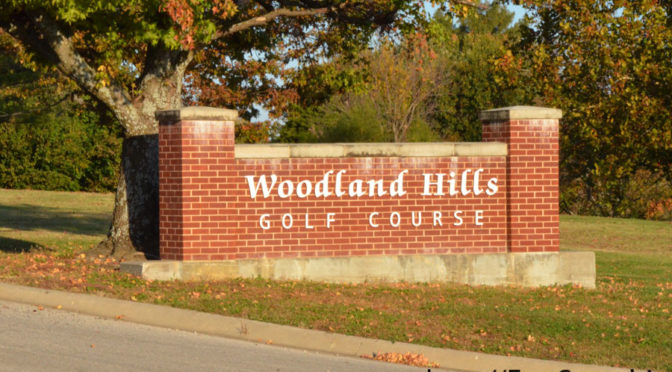
The Golf Course Advisory Board will meet on Wednesday, March 24th, 2021 at 12:00 p.m. at Woodland Hills Golf Course, 2414 S. Horton. The meeting will take place in the clubhouse. This meeting is open to the public.

FCE Starlite Minutes of March 18
March 18, 2021 Minutes
The Starlite FCE held their March meeting at the Yeager Building at the Fairgrounds. President Glenda Miller called the meeting to order. The Pledge of Allegiance and Club Collect was led by Joyce Allen. Eleven members were in attendance and reported twenty-one and half volunteer hours and that they had recycled fifty-five pounds of cardboard.
The minutes of the previous meeting were read and approved. Doris Ericson presented the treasurers report. Glenda Miller passed out membership lists and quizzed the club with a Saint Patrick’s Day green quiz.
Old Business consisted of the Easter Party for Tri-Valley. Glenda Miller had prepared white bunny Easter Bags for the party. Members provided candy, fruit snacks and snack crackers to fill their eggs and bunny bags.
New Business consisted of Walk Kansas. Terri Williams announced that it will be starting March 28th with the theme of Move your Way, Make every Bite Count. Six members signed up to precipitate in the Cross-Country challenge, which has each person exercising for four hours a week. It was also announced that the garden club will be having a plant sale the first Saturday in May at the Farmers Market.
It was discussed whether to have the Spring Social within the County only since the District will not be having one. It was decided to forgo it this year. Deb Lust moved the Starlite donate $60 to the open class Fair premiums, Joyce Allen seconded the motion, motion carried.
Deb Lust announced that the Fort Leavenworth VA will be in Fort Scott Monday to give out the Johnson and Johnson Covid shot to Veterans.
Doris Ericson Moved that the meeting be adjourned, Letha Johnson seconded the motion, meeting adjourned.
After the meeting Glenda Miller presented the program of Decluttering: For a Better Life. She presented many practical ways to sort through items.
Saint Patrick’s Day refreshments of brownie bites, sandwiches, nuts and water were provided by Joyce Allen and Glenda Miller and enjoyed by all.
Prepared by
Terri Williams
The Bourbon County Sheriff’s Office Daily Report March 22

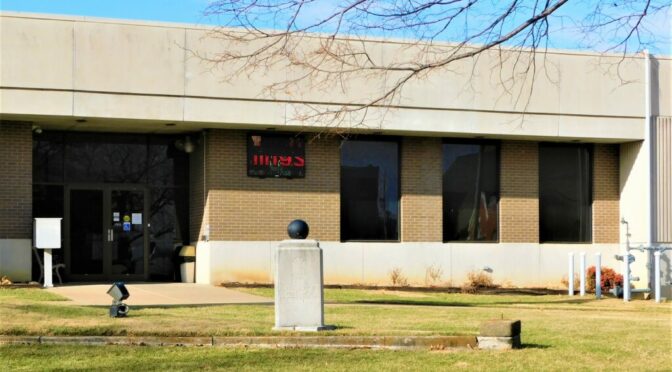
Bourbon County Commission Agenda for March 23
Agenda
Bourbon County Commission Room
1st Floor, County Courthouse
210 S. National Avenue
Fort Scott, KS 66701
Tuesdays starting at 9:00
Date: March 23, 2021
1st District-Lynne Oharah Minutes: Approved: _______________
2ndDistrict-Jim Harris Corrected: _______________________
3rdDistrict-Clifton Beth Adjourned at: _______________
County Clerk-Kendell Mason
MEETING WILL BE HELD IN THE COMMISSION ROOM. ANYONE ATTENDING THE MEETING
WILL BE REQUIRED TO WEAR A MASK. MUST MAINTAIN SOCIAL DISTANCING.
Call to Order
Flag Salute
Approval of Minutes from previous meeting
Eric Bailey/Will Wallis – Road and Bridge Report/Disaster 4449-KS Project Details and Total
Summary
Lora Holdridge – 1989 Reappraisal Map
Resolution 15-21: Sewer District Bond Refinance
County Counselor
Public comment
Commission comment
Let’s Keep the Gardening Trend Going in 2021
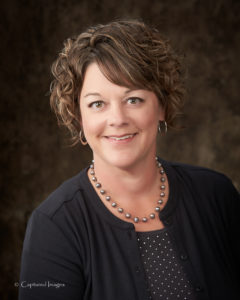
District Extension Agent, Horticulture
Southwind Extension District
111 S. Butler
Erie, KS 66733
Office: 620-244-3826
Cell: 620-496-8786
Last year at this time, I wrote an article on how gardens could provide some food security to us during the chaotic time we were all living through. There was a huge interest in gardening. I remember how our local suppliers couldn’t keep vegetable transplants on the shelves! They were selling out that fast. Many folks tried gardening for the very first time. I hope the same interest in gardening continues this year.
Even if you didn’t give gardening a shot last year, start this year! If you are thinking to yourself that you have never grown anything in your life and just don’t think it’s possible, let me assure you that it is possible. Even for the most novice! You might be thinking that you don’t have space for a garden, or maybe you don’t have a tiller or other equipment. Don’t let that stop you because almost all vegetables can be grown in containers.
The containers don’t have to be anything fancy. Literally, anything that can hold soil and have drain holes drilled in the bottom can be used. Containers that are 16 to 24 inches in diameter work well. Containers less that 12 inches are probably too small – except for lettuces. The most important component of growing vegetables in a container is getting the right potting media. Potting mixes are ideal (instead of soil from your yard). The components are lightweight and hold water and oxygen much better. Make certain that you don’t forget to drill some drainage holes into the bottom of the container.
Fertilizer should be added at planting time and mixed into the soil. If you want to go the organic route, mix blood meal or bone meal into the soil before planting. If you use a synthetic fertilizer, add a slow-release type when preparing the container.
Another benefit to growing vegetables in containers – you don’t have to fight the weather quite as much. Right now, traditional garden soils are way too wet to even think about planting. But with the container system, you can keep them dry inside a garage until you are ready to plant.
Early spring is the ideal time to plant cool season vegetables such as lettuce, spinach, radish, onions, carrots and potatoes. All can be easily grown in containers, even potatoes!
Gardening is a great stress reliever. If you have kids at home, gardening is the perfect activity to get them outside to enjoy some fresh air and sunshine, all while learning at the same time!
Here’s where I come in. I have lots of resource material to help you. The ”Kansas Garden Guide” is a full-color, in-depth guide to planting a garden. It is available in each of our Extension offices for $6. This is one of our only publications that we charge for, but it is worth it. Another very useful publication is “Growing Vegetables in Pots.” You can find a link to this publication and others by visiting our Southwind Extension District website and clicking on the “lawn and garden” tab: www.southwind.ksu.edu
In addition, I’m always available by phone, e-mail or social media to answer your questions. Don’t be afraid to ask! In Extension, we say there are no “dumb” questions. I am here to help you in any way that I can.
Krista Harding is a K-State Research and Extension Agricultural agent assigned to Southwind District. She may be reached at [email protected] or 620-244-3826.
K-State Research and Extension is an equal opportunity provider and employer.