Click below:
All posts by Submitted Story
The Bourbon County Sheriff’s Office Daily Reports May 23
American Legion Post 25 Update
Post 25 Update
May 23. Thursday. 6:00 pm. Legion Women’s Auxiliary meet and greet in Memorial Hall. Open to female family members of Veterans. This meet and greet will continue the process of reestablishing the Fort Scott Auxiliary Unit 25.
May 25. Saturday. 4:00 pm. Enjoy patriotic music at The Fort National Historic Site.
May 26. Sunday. 2:30 pm. Dedication of the U.S. Navy Memorial at Fort Scott National Cemetery.
May 27. Monday. 9:30 am. Prayer at the Courthouse steps in Honor of all American War Veterans.
May 27. Monday. 10:30 am. Memorial Day services at the Fort Scott National Cemetery. This event will be moved to Memorial Hall in the event of inclement weather.
May 27. Monday. 3:00 pm. A “moment of silence” at The Fort National Historic Site.
May 31. Friday. 6 pm. Good Old Days Parade. All Post members and their families are invited to walk or ride as part of the Legion family.
June 3. Monday. 6:30 pm. Post 25 meet and greet at 6:30 pm in Memorial Hall. Come and enjoy the fellowship of other Veterans. Bring an eligible Veteran to visit our Post.
June 3. Monday. 7:00 pm. Post 25 general membership meeting at 7 pm in Memorial Hall. Our membership meetings are open to all. SAL members are strongly encouraged to attend. Bring an eligible Veteran to visit or join our Post.
June 6. Thursday. Skipper Higgins, the oldest living grandson of Andrew Jackson Higgins, will be at the Milken Center throughout the day and available for visiting. At 3:00 pm will be a special Q and A time with him and Jerry Meyer. All veterans in attendance will receive a very special gift from the Lowell Milken Center for Unsung Heroes. See attached flyer.
June 9. Sunday. Aspen Dental is offering free dental services to veterans from fillings, extractions, to even denture repair. Veterans can call 844-277-3646 now to locate the nearest Aspen Dental office and make an appointment for free dental services.
June 14. Friday 7:00 pm. Flag retirement ceremony at The Fort National Historic Site. This event is open to the public and anyone with torn, tattered or unserviceable flags can bring them to The Fort for a dignified retirement.
VA Shuttle Service
The shuttle service is free to any Veteran who needs transportation to the VA for their medical appointments.
Mondays: Fort Scott to Topeka VA Medical Center. Stops in Pleasanton, Louisburg and Ottawa.
Tuesdays: Fort Scott to Topeka VA Medical Center. Stops in Pleasanton, Louisburg and Ottawa.
Wednesdays: Fort Scott to Kansas City VA Medical Center. Stops in Pleasanton and Louisburg.
Veterans must have an appointment scheduled between 9 am and 1 pm on the day they ride the shuttle.
The shuttle will depart from the Fort Scott’s Pete’s 66 service station on Main Street and will return to Fort Scott after the last Veteran has completed their appointment. The departure time is based upon the time of the first appointment of the day at the VA Medical Center day. Riders will be notified of the shuttle departure time the evening before their ride.
Veterans living along Highway 69 or near Louisburg and Ottawa can also schedule a ride to the VA by following the below process. Veterans scheduling rides must be at one of our predetermined stops to ride the shuttle. This is a shuttle service, not a taxi service.
The VA shuttle holds five passengers and riders must preregister for a seat. Seats on the shuttle are open to any area Veteran on a first come, first served basis.
The shuttle does not accommodate wheelchairs or pets. Only certified service dogs are permitted on the shuttle. Oxygen tanks are not permitted on the shuttle. Oxygen concentrators are allowed.
Family members may not ride with the Veteran on the shuttle. However, those Veterans who need a caregiver to accompany them must have a signed note from their doctor attesting that the Veteran requires a caregiver to accompany them to and from their appointment.
To register for a shuttle seat, the Veteran must
· Have an appointment at a VA Medical Center between 9 am and 1 pm for the day they schedule their shuttle seat.
· Call 785-925-0261 or email carljowers@gmail.com to schedule their seat. All seat reservations must be scheduled by 5 pm, the day prior to their appointment.
Please don’t hesitate to call or email me with any questions you might have.
Carl Jowers. Commander
Fort Scott American Legion Thompson-Harkey Post 25
American Legion Member Verification Needed
|

|
||||||||||||||||
|


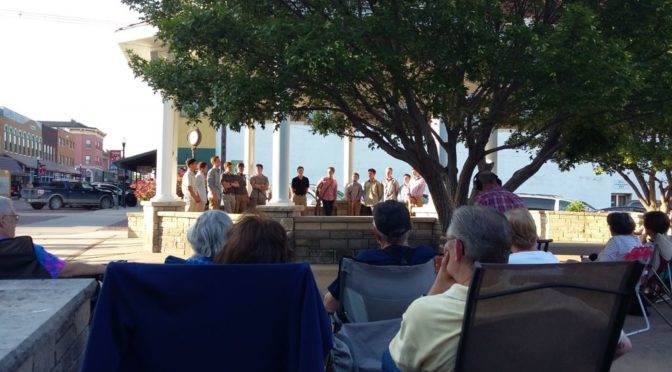
Free Friday Evening Concert: David Prickett
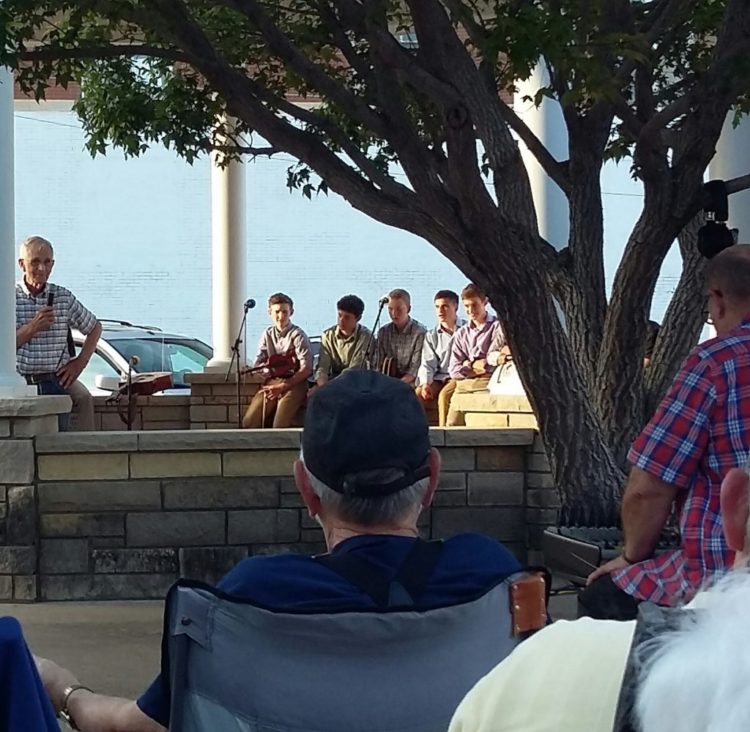
The Chamber of Commerce sponsored program at The Heritage Park Pavilion, First and Main Streets will feature David Prickett on guitar and vocals.
“David performs gospel, classic country and traditional music,” Ralph Carlson, event coordinator. “He is a regular contributor to our Pavilion music. I am quite pleased to get him back. Also performing will be Marilyn Adcock and other musicians.”
The concert starts at 7 p.m. In the event of foul weather, the concert will move indoors at the Common Grounds Coffee Shop.
Come early and bring your lawn chairs as seating is limited.
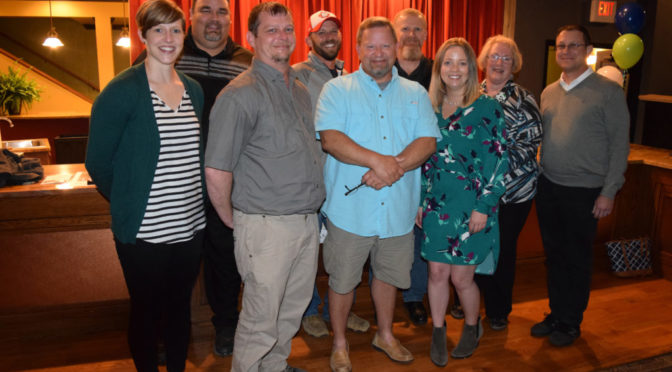
Bourbon County Leadership Class Graduates
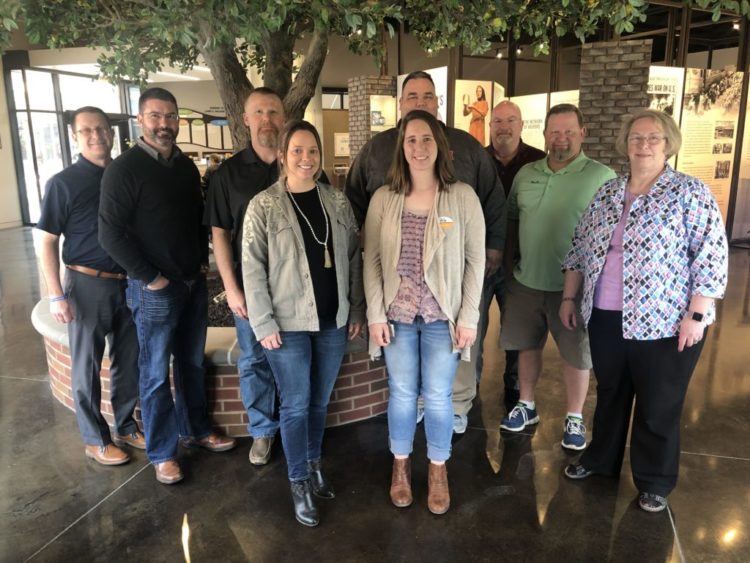
Chamber Celebrates LEAD Bourbon County Class with Graduation
The 2018-2019 LEAD Bourbon County group wrapped up their training with a graduation ceremony at Liberty Theatre Thursday, May 9 at 5:30 p.m. The group consisted of individuals nominated by their employers to participate in the leadership training program called “LEAD Bourbon County.” They have been meeting every month, starting back in September of 2018.
Trainers/Facilitators for the Lead Bourbon County Training were:
Lindsay Madison, Executive Director, Fort Scott Area Chamber of Commerce
Deb Needleman, SPHR, IPMA-SCP, Director of Human Resources, City of Fort Scott
Robert Uhler, IOM, CAE, Community Development Director, City of Fort Scott
Participants in the LEAD Bourbon County Program included –
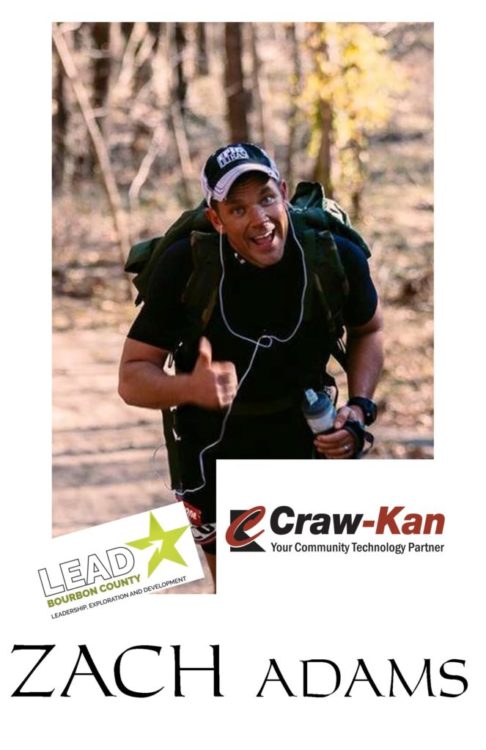
- Zach Adams, Marketing and Customer Service Manager, Craw-Kan Telephone
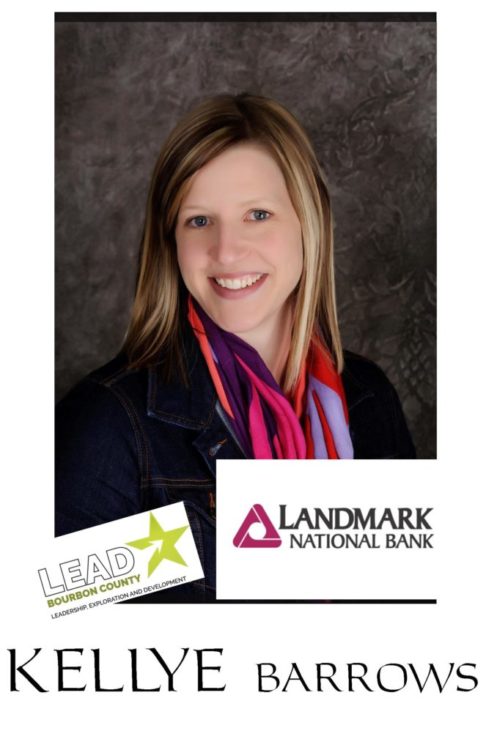
- Kellye Barrows, Culture and Customer Experience Officer, AVP, Marketing, Landmark Bank
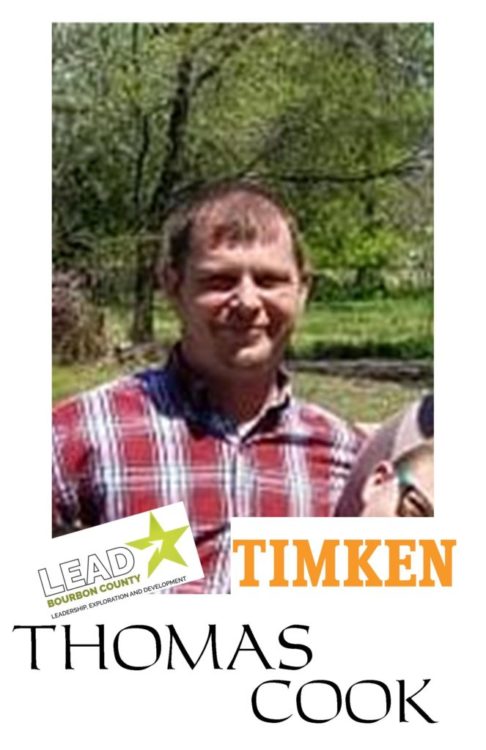
- Thomas Cook, Production Scheduler, Timken
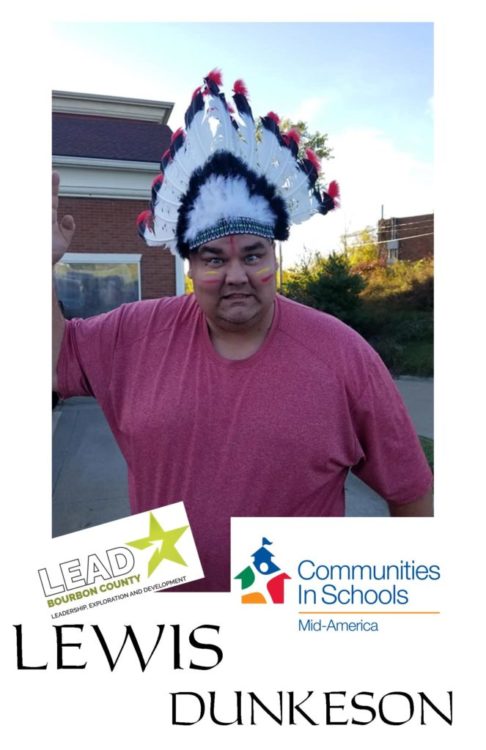
- Lewis Dunkeson, Site Coordinator, Fort Scott High School (Communities in Schools)
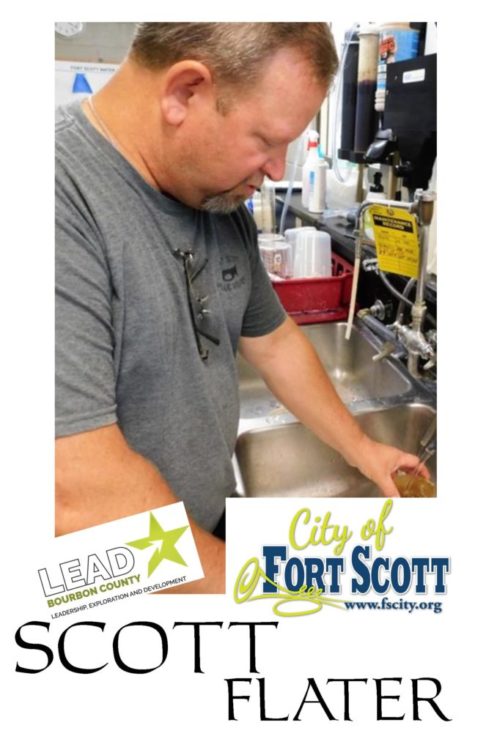
- Scott Flater, Superintendent, Water Production, City of Fort Scott
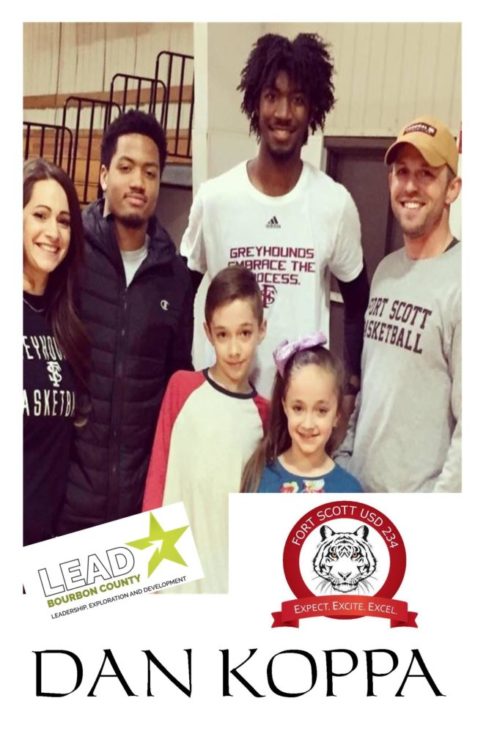
- Daniel Koppa, USD 234 Facilities Director
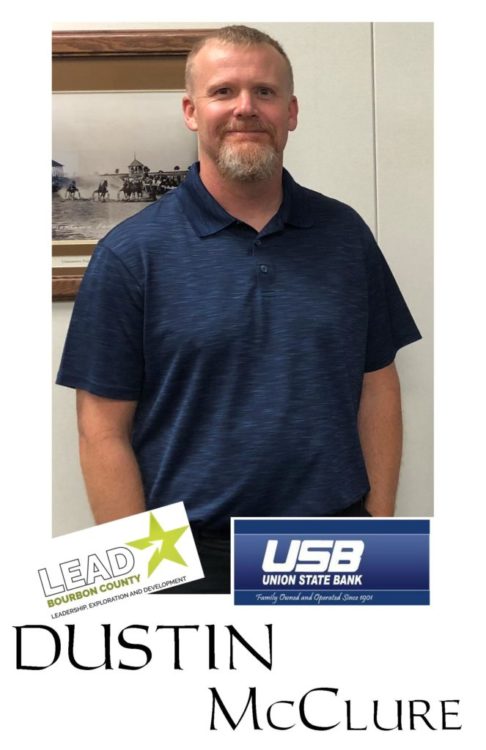
- Dustin McClure, Vice President of IT, Union State Bank
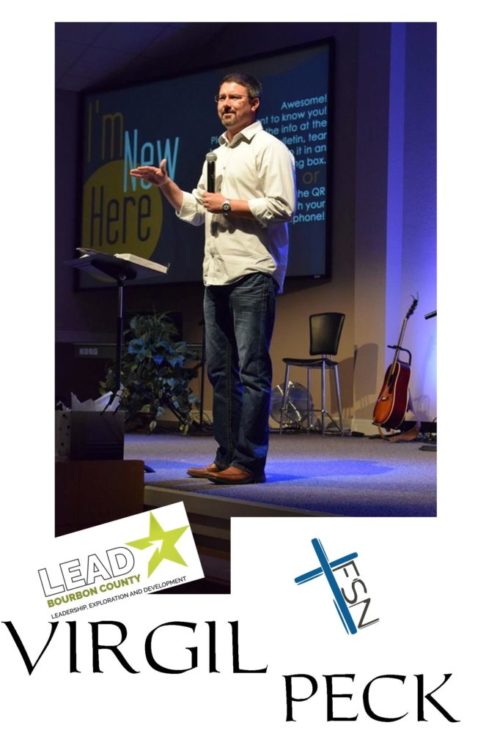
- Virgil Peck, Pastor, Fort Scott Nazarene
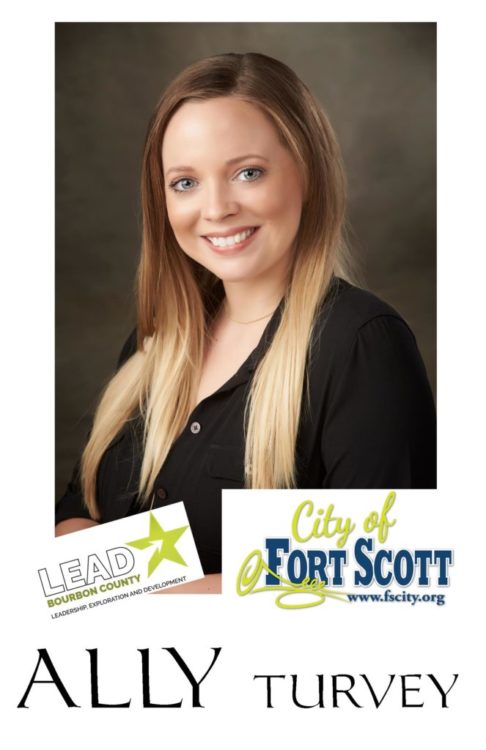
- Allyson Turvey CVB, Group & Convention Sales, City of Fort Scott
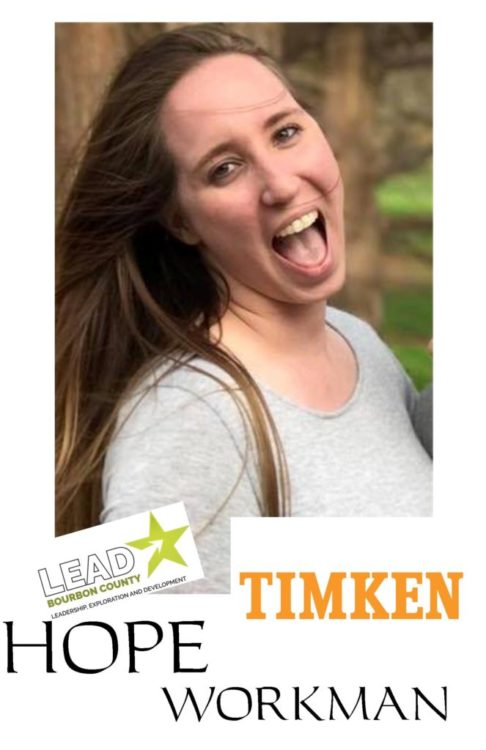
- Hope Workman, SAP Data Clerk, Timken
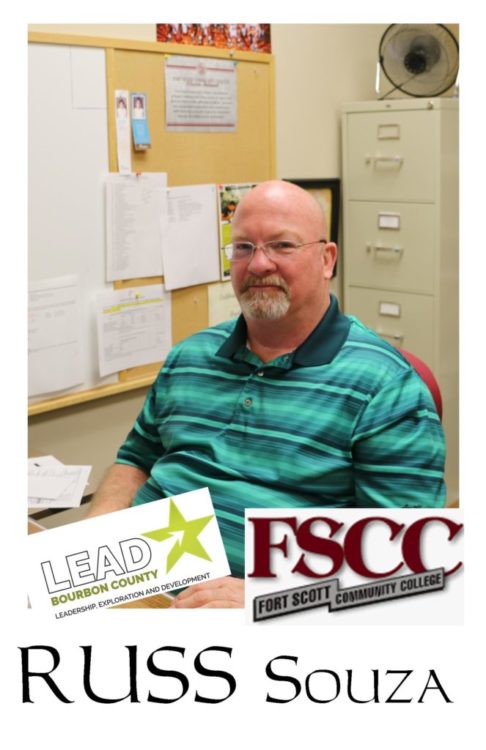
- Russ Souza, Director of Advising and Retention, Fort Scott Community College
During each monthly session the LEAD Bourbon County group learned new techniques and models of leadership, that leadership is not a position but an attitude, and that everyone can lead. The purpose of the curriculum was to stretch the boundaries of thought regarding leadership and to help each individual learn how to get the most out of meetings, individuals, resources, and circumstances.
The past few months the group has also been working on a community project collecting donations towards purchasing park benches for key locations in the area. The group collected a total of $2,687.50, which was enough to purchase 5 park benches for the following locations: three benches in Fort Scott at Riverfront Park and two benches in Uniontown at the Walking Trail.
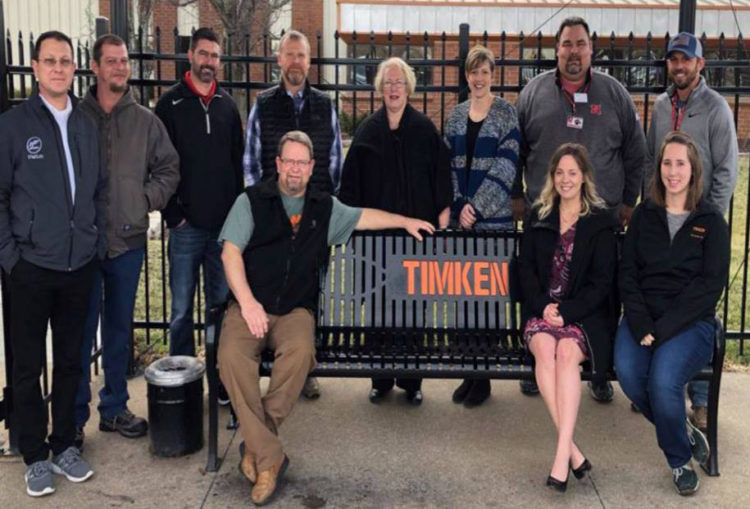
The LEAD Bourbon County group would like to thank the following businesses and organizations for their most generous donations towards the purchase of these benches –
- City of Fort Scott
- Cheney Witt Funeral Home
- CrawKan
- Kiwanis
- Modern Woodmen Fraternal Financial Chapter 514
- Timken
The plan is to have the installation of the new benches completed by the end of June.
City of Fort Police Department: Have A Safety Plan
Fort Scott has been put under a Tornado Watch until 11:00 P.M. That being said, please make sure that you have a plan in place and follow your Tornado Safety precautions in the event that we do go under a Tornado Warning. The City of Fort Scott does not have a designated tornado shelter, therefore we urge you to make proper arrangements.
Presbyterian Village Raises $28,000 For Community Seniors
Presbyterian Village thankful for volunteers, bidders who raised more than $28,000 for community seniors
By Presbyterian Village Executive Director Ginger Nance
While I drove to work this morning reflecting on the many people who helped to make this event possible, my mind quickly went to a story in the Bible (paraphrased to my own understanding) of the three men who were each given a financial gift/s (a talent) and were told to use it to their best ability. After some time, their master returned and asked them what they had done to multiply the gifts (talents and resources) they were given. The story goes on to explain that the men who had used his money and resources to multiply and help the most number of others were blessed beyond measure.
I feel like, in reflection, that is what our community came together to do. We all had small amounts of different gifts & talents that we had been given and we worked together as a community to multiply those small things and we turned them into something great that will help many in need!
A huge thank you goes to the dozens and dozens of volunteers who donated their time baking, boxing and serving delicious cakes, the many who helped set up and be ready for the auction, those who sold tickets, who were live on the radio to tell their story, who donated water, pop, the vacation and items for the auction, those who sponsored, who shared our posts with friends and hung fliers to help with advertising, who boxed dinners, who ran their legs off during the event to get more than 565 meals where they needed to be in the drive-through and lobby spaces, those who auctioneered and caught bids, who directed the flow of traffic and parking, who purchased tickets and bought items at the auction, and the list goes on and on…. without you the success to help our seniors in need would not be possible!
Each task (talent) of those who helped with the Good Samaritan fundraising event, though they may have individually viewed at the time as small and insignificant, made a great impact to our seniors and your gift will multiply beyond what you can see.
Everything seemed to align perfectly for the event. The rain finally broke a few days prior and the weather couldn’t have been more perfect for a nice evening to come together.
A record number of meals were served this year, along with ticket sales for the seven-day vacation to beautiful Santa Fe, New Mexico.
More than $28,000 was raised and will remain in this community to help “bridge the gap” of a financial need that exists today among some of our seniors who reside at the Presbyterian Village.
“Thank you” are not sufficient words to express the deep gratitude felt by the outpouring of love and support we witnessed at this event at the Fort Scott Presbyterian Village. Being a part of this community is a blessing that I could only hope others in our world could experience. What an amazing town we live and work in! Thank you to all of you, who together worked to multiply small portions (talents) into something powerful to help others in need.
The Bourbon County Sheriff’s Office Daily Reports May 22
Niece Hosts Chamber Coffee May 23
|
WEEKLY CHAMBER COFFEE REMINDER
|
|

The Fort Scott Police Department Daily Reports May 21
Click below:
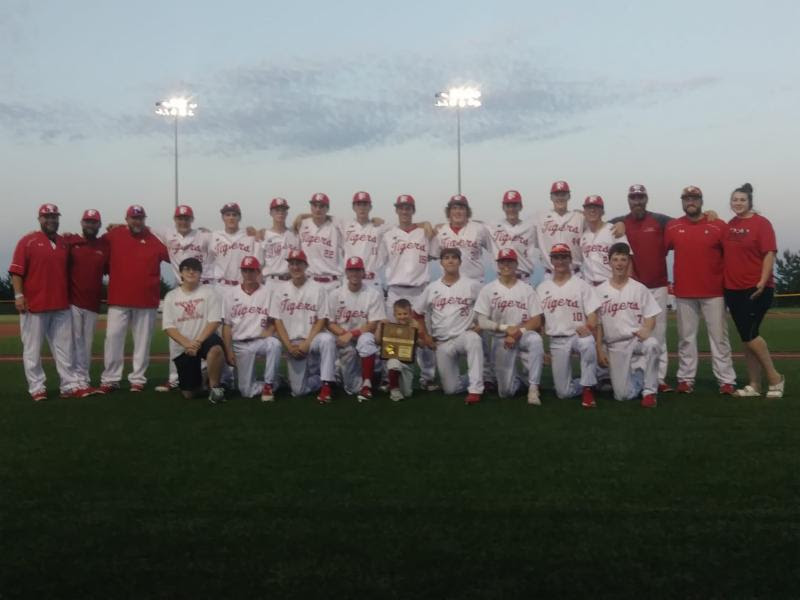
Tiger Send-Off Today, May 22 at 9:30 a.m.
|
||||||||||||||||||||||||||||||||||||||||||||||||||||||||||||||||||||||



 |
|
|
|
|
|