
Prescribed Burning Season Begins in Kansas: Planning Is Key for Success
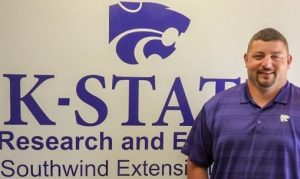
By Lonnie Mengarelli- Southwind Ag and Natural Resources Agent
Prescribed burning season is approaching across Kansas, and as ranchers and land managers prepare to use fire as a management tool, careful planning and attention to safety are essential. When conducted under the right conditions, prescribed burning provides long-term benefits to rangeland, livestock performance, wildlife habitat, and overall landscape health.
Brush control and improved stocker cattle gains are often the primary reasons producers use prescribed fire. Research conducted over several decades consistently shows that mid- to late-spring burning can increase stocker gains by an average of 32 pounds per animal on burned pastures. These gains have been observed even during dry years.
Prescribed fire is also an effective tool for managing woody vegetation, particularly once plants have leafed out. Eastern red cedar is an exception, as it can be controlled by fire at nearly any time of year. Additional benefits of burning include conserving native plant communities, improving grazing distribution, enhancing wildlife habitat, and reducing fuel loads that can contribute to severe wildfires. Fire is commonly used to maintain Conservation Reserve Program (CRP) acres as well. In Kansas, CRP burning is generally allowed from Feb. 1 to April 15 in the eastern counties. Summer burns after July 16 are also permitted. Producers should always check with their local Farm Service Agency office for county-specific requirements.
Weather conditions play a critical role in conducting a safe and effective prescribed burn. Recommended conditions typically include: Wind speeds between 5 and 15 miles per hour, Relative humidity from 40 to 70 percent, and air temperatures between 50 and 80 degrees Fahrenheit. In addition to wind speed and direction, cloud cover and mixing height influence smoke dispersion. Hourly forecasts can help identify potential wind shifts that may occur during the burn period.
Several online tools are available to assist with burn planning. The Kansas Fire and Smoke Model (ksfire.org) predicts smoke movement based on weather conditions, fuel load, and burn size for Flint Hills counties, as well as Johnson, Wyandotte, and Sedgwick counties. The Kansas Mesonet (mesonet.ksu.edu) provides real-time data on humidity, wind direction, and current and forecasted fire danger from more than 70 locations across the state. Forecasts are available through National Weather Service offices. The NWS offices that serve southeast Kansas are Springfield, MO, Kansas City, MO, Wichita, KS, and Topeka, KS. Visit weather.gov and search for the appropriate office for your area.
Burn conditions can change quickly, and recent moisture does not always reduce fire behavior. This year, land managers should be mindful that fires may burn more aggressively and unpredictably, particularly during light-wind conditions. Cutting wider fuel breaks, planning for less effective timber control lines, and having additional personnel and equipment available can help reduce the risk of fire escape. Monitoring the forecast two to three days in advance, ensuring fires are fully extinguished, and considering delays until green-up is more established are additional steps that can improve safety and outcomes.
Kansas regulations require individuals conducting a prescribed burn to notify local fire authorities, avoid creating traffic or airport hazards, and supervise the fire until it is completely extinguished. Some counties also require burn permits. Always confirm local requirements before conducting a prescribed burn.
Prescribed burning remains one of the most effective land management tools available in Kansas. Safety, as always, is the top priority for a successful prescribed burn. Creating a burn plan in advance can be the difference between success and disaster. With proper planning, use of available resources, and adherence to safety guidelines, producers can successfully use fire to improve rangeland productivity while protecting people, property, and natural resources. If you have any questions about prescribed burning, please feel free to call your local extension office and ask for me! I am more than happy to help.
Lonnie Mengarelli is a K-State Research and Extension Agriculture agent assigned to the Southwind District. He may be reached at mengo57@ksu.edu or 620-223-3720