All posts by Submitted Story
Weekly Newsletter of U.S. Senator Jerry Moran
by U.S. Senator Jerry Moran
This Is the Moment for Emergency Global Hunger Programs
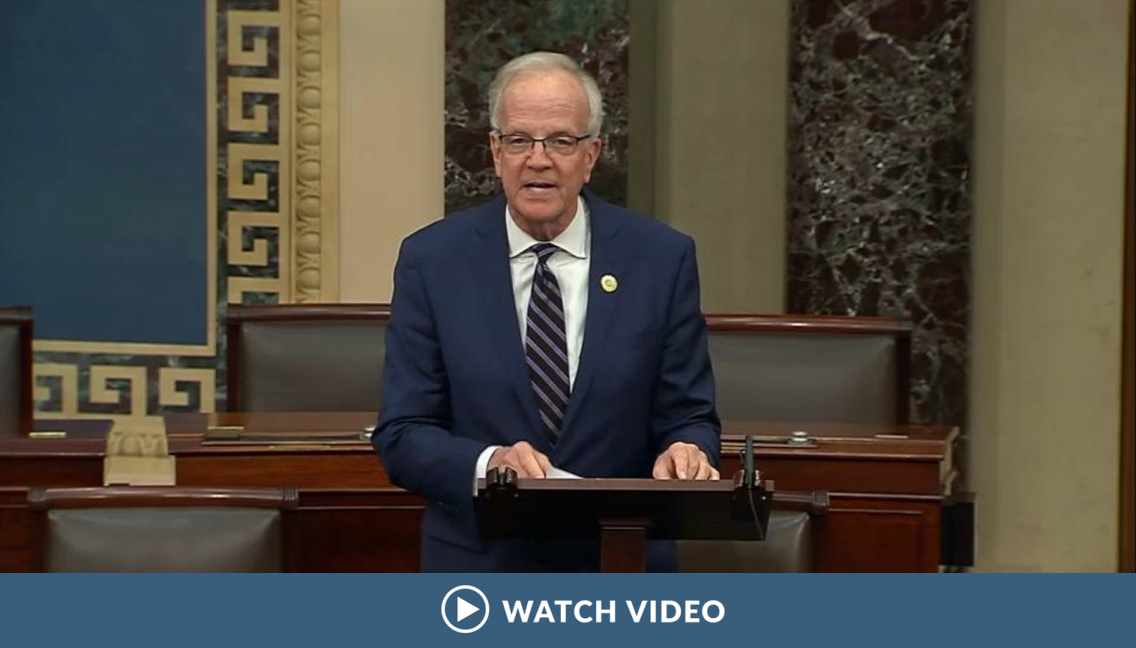
Currently 45 million people across 43 countries are on the brink of famine. This week, I spoke on the Senate Floor to bring greater awareness to one of the most pressing consequences coming out of Vladimir Putin’s invasion of Ukraine: hunger.
Food stability is essential to political stability. Ukraine is a large grain-producing country, not just in wheat, but ranking as a top ten global exporter of corn, sunflower oil and other commodities. As Russia’s tyranny continues, countries around the globe will teeter over the edge, falling further into widespread hunger. As we have seen in the humanitarian disaster unfolding in Afghanistan and the developing crisis caused by this invasion of Ukraine, it is critical to utilize every tool at our disposal to combat this worsening hunger crisis.
As the co-chair of the Senate Hunger Caucus and as a member of the Agriculture Appropriations Subcommittee which funds the Food for Peace and the McGovern-Dole Program, the United States should work quickly to provide the necessary commodities through sale or donation to meet countries’ unsatisfied food and commodity needs. This includes releasing the resources within the Bill Emerson Humanitarian Trust – an emergency international food assistance program to combat global hunger in instances of “exceptional need” – in instances as this one requires. Watch my remarks here or below.
Read my op-ed discussing food security in The Hill by clicking here.
We Must Provide Ukraine with More Timely Security Aid
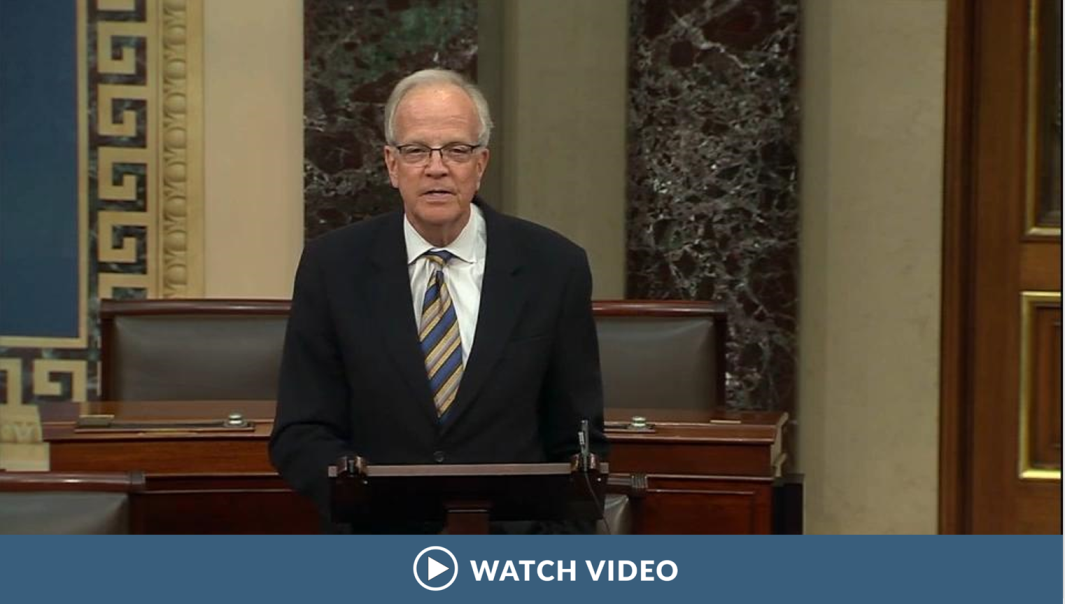
Human spirit defies all expectations, and the Ukrainian people are a testament to that resilience. Failure in our obligations as a country to assist Ukraine would be immoral, deadly and not in our national interest.
Promised aid means nothing. We must provide Ukraine the resources to not just survive, but to win. Watch my remarks on the U.S. Senate Floor here or below.
Celebrating National Ag Week & Welcoming Ag Leaders to Washington
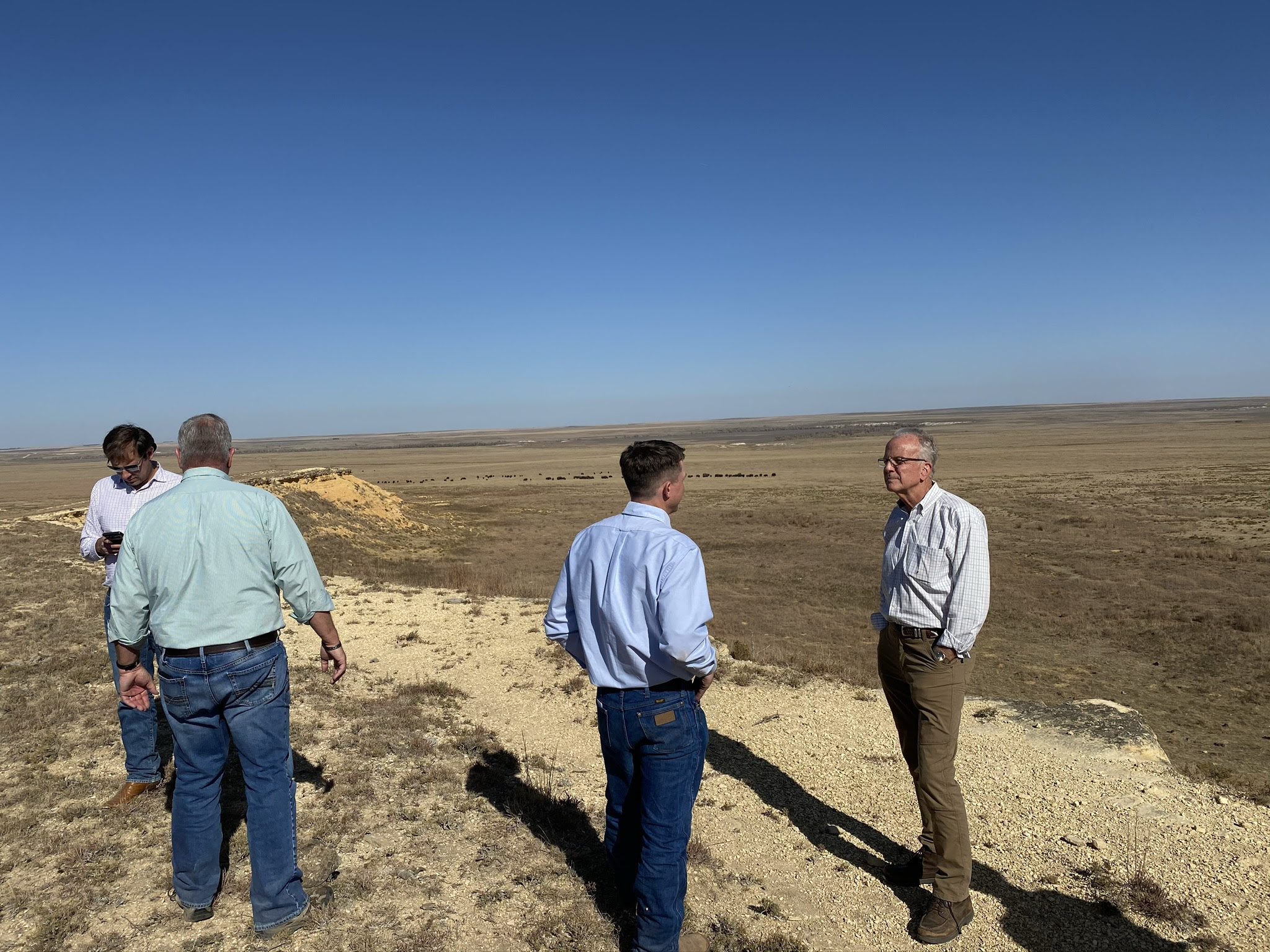
Crops don’t grow unless they are sown. To the farmers, ranchers, agriculture workers and all who steward our land and waters, thank you.
Recognizing all you do to feed, fuel and foster the United States and the world this past National Agriculture week.
4-H Students
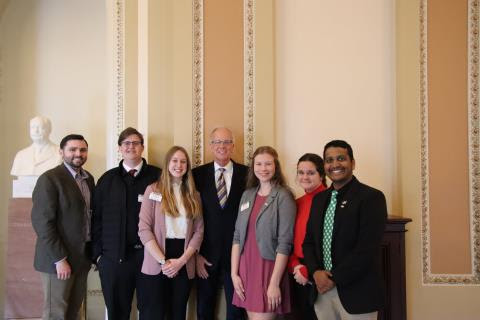
Members of 4-H are invested in their communities and represent the future of Kansas. Thanks to Annika of Wamego, Corey of Girard, Sukesh of Kingman, Katrina of Wichita and Jaden of Sylvan Grove for representing our great state and for speaking with me in the Capitol this Ag Week.
Hilmar Cheese
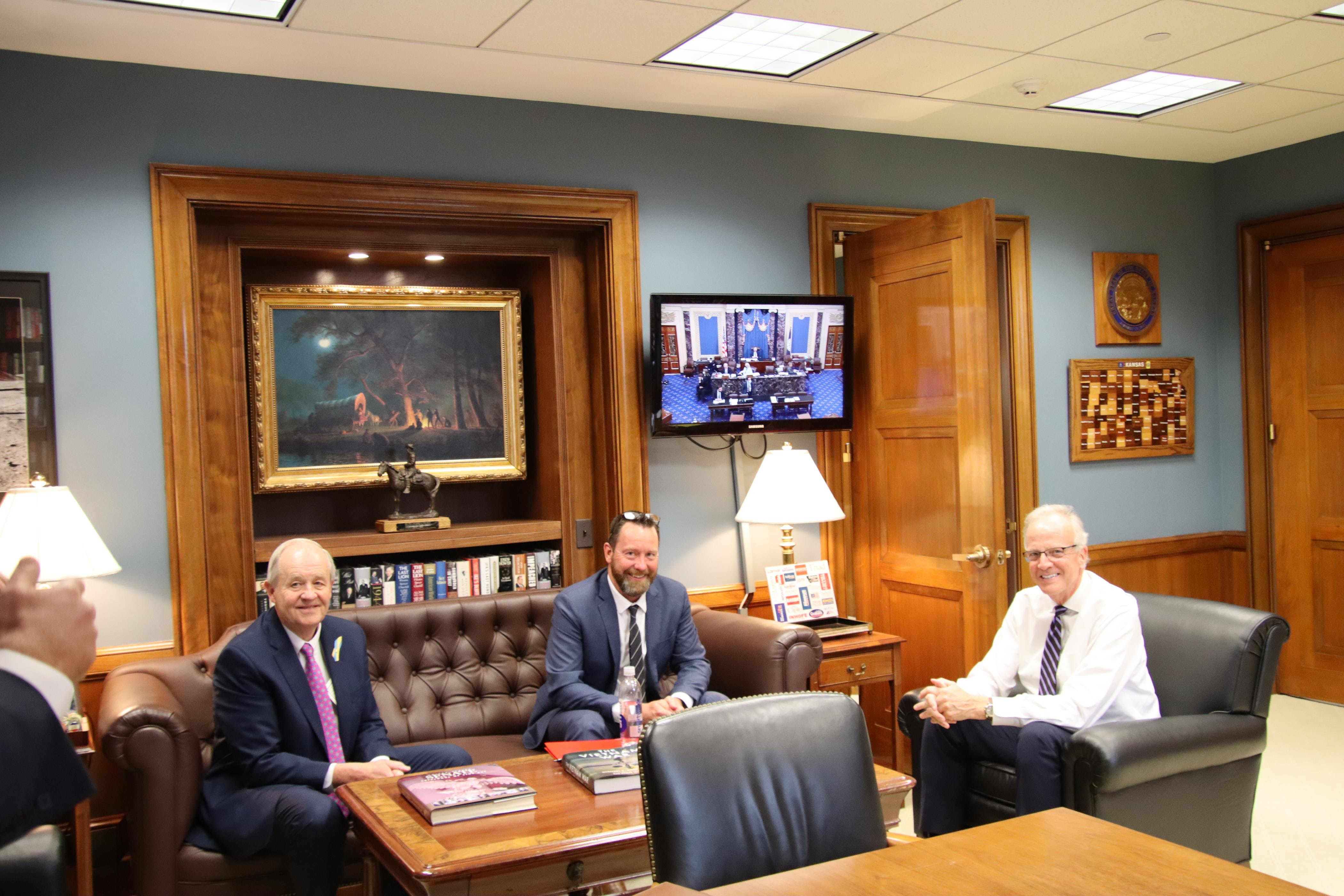
I also met with Hilmar Cheese CEO David Ahlem this week to continue discussions about the company’s plan to build a new cheese facility in Dodge City. Once completed, the new facility is expected to create 750 new jobs in the region and attract five new dairies to supply the plant. To facilitate the new plant, I am working with Dodge City officials to help see this opportunity realized. Mr. Ahlem, who is also president of the International Dairy Foods Association, also discussed issues facing the dairy foods industry, including the Food and Drug Administration Standards of Identity, supply chain disruptions and concerns regarding the Securities and Exchange Commission proposed climate rules. I appreciate Hilmar’s investment in Kansas and look forward to working with the company in the future.
Speaking with Educators and Students
Kansas Delegates for the U.S. Senate Youth Program
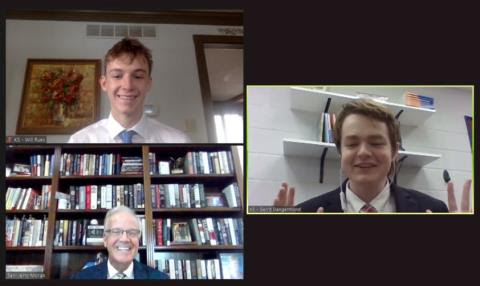
On Tuesday, I spoke with Will Rues of La Crosse and Gerrit Dangermond of Oskaloosa, this year’s U.S. Senate Youth Program Kansas delegates. I am pleased they have the opportunity to represent our state and learn more about government and the legislative process here in our nation’s capital.
Council for Opportunity in Education Seminar
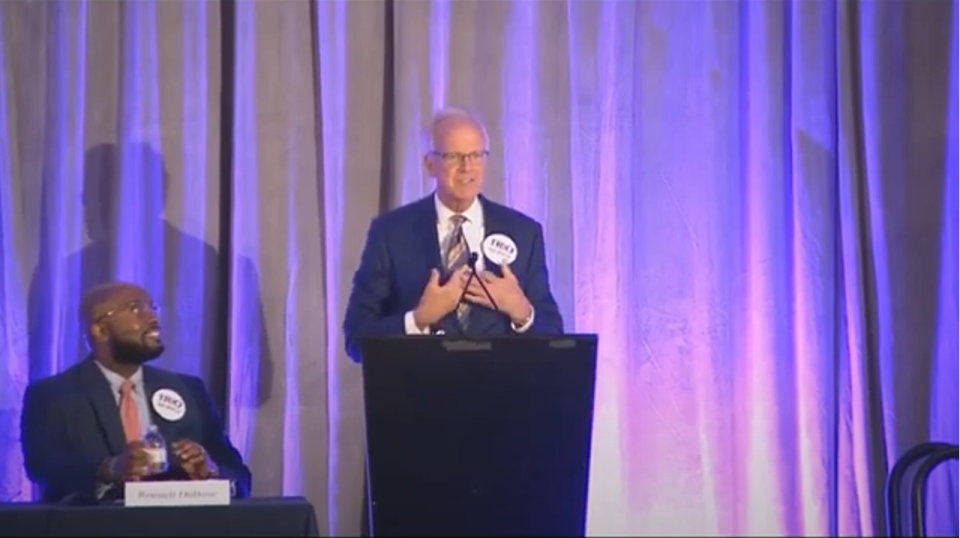
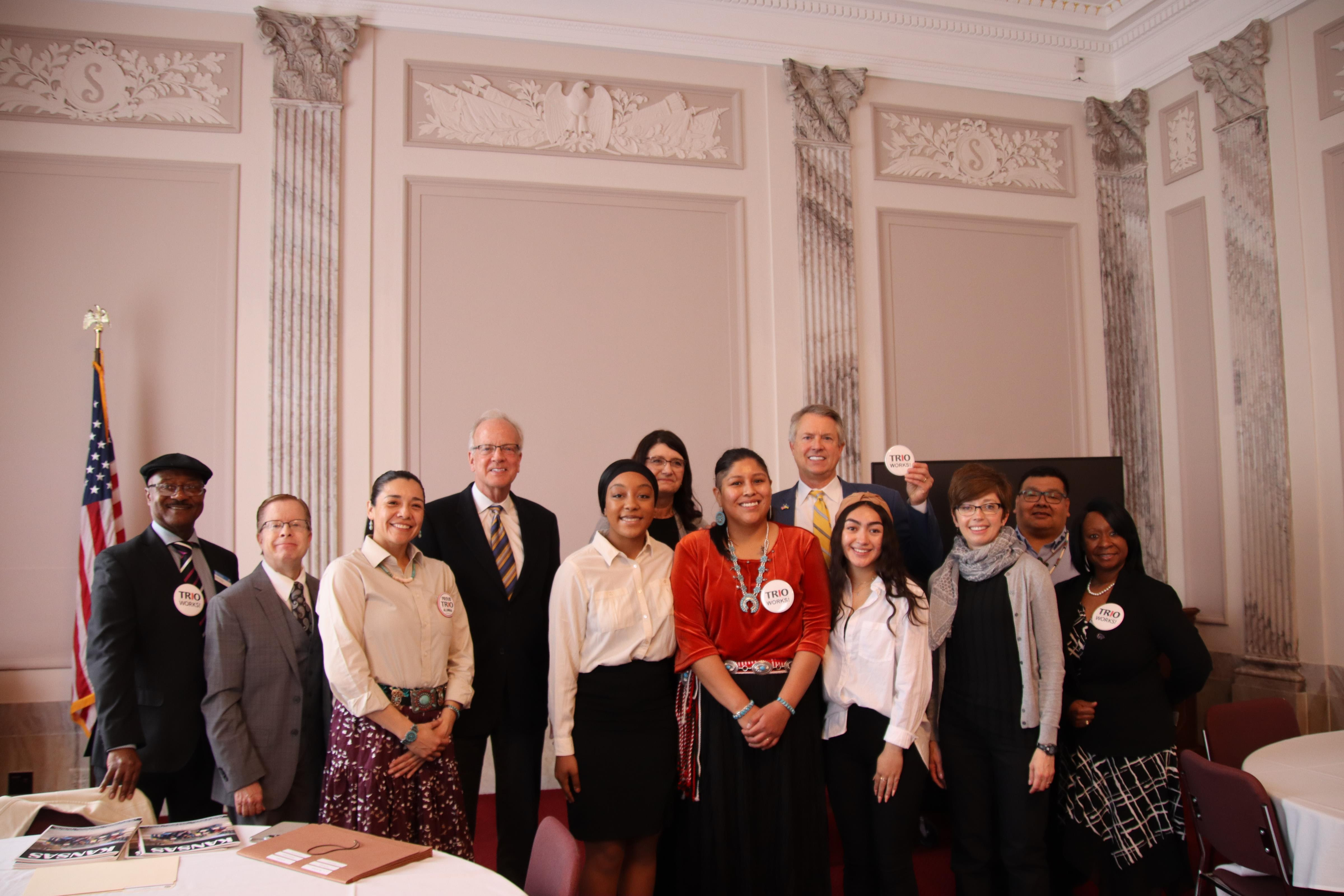
This week, I addressed the Council for Opportunity in Education’s Annual Policy Seminar, a gathering of more than 1,000 federal TRIO program educators, students, and supporters. Federal TRIO programs provide academic tutoring, college and career counseling, financial aid advising and personal mentoring that enables low-income students, students with disabilities, adult learners and veterans to achieve their goal of becoming the first in their families to earn a college degree. There are 53 TRIO projects in Kansas serving over 14,000 students. I was glad to speak to the group about how TRIO programs and services can assist individuals in unlocking opportunity through education. I thank Kurt Peterson, Director of Student Support Services at Garden City Community College, for introducing me, as well as the many Kansans in attendance.
Kansas TRIO
I also was pleased to meet and speak personally with Kansas TRIO students and educators to hear about the positive impact federal TRIO programs have in equipping Kansans to effectively pursue higher education. Education is one of the greatest sources of opportunity in the United States, and TRIO programs assist first-generation and low-income students, as well as veterans and students with disabilities, in preparing for, and attaining, success in higher education. As a first-generation college student, I have long been a supporter of TRIO programs and work each year to see that they receive increased support through my role as an appropriator for the Department of Education. I appreciate these Kansas TRIO students and educators for taking the time to share their insight on the value TRIO programs have in providing opportunity in higher education.
Jefferson West
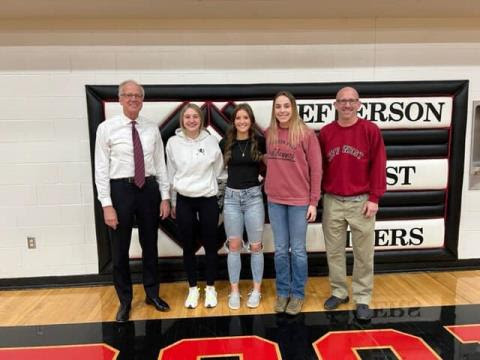
Thanks to Jefferson West seniors Brooklyn, Kierstyn and Mellany, and to government teacher Shawn Dolezilek for showing me around your school this week. I appreciate all Kansas educators who make our state a better place for the students who show up to learn.
Advancing Air Mobility
This week, the Senate passed my bill that would facilitate collaboration between federal agencies and civil aviation industry leaders when developing policies regarding advanced air mobility (AAM).
The Advanced Air Mobility (AAM) Coordination and Leadership Act would instruct the Secretary of the U.S. Department of Transportation to lead a working group comprised of members from multiple government agencies to engage and work with the civil aviation industry. The working group would review policies and programs to help advance the maturation of AAM aircraft operations and create recommendations regarding safety, security and federal investments necessary for the development of AAM. American aviation is entering a new era of innovation and growth, and industry leaders should have a seat at the table as the federal government creates programs to advance the development of this technology and sets safety and operation standards. Passing this legislation in the Senate puts it one step closer to being signed into law and will help Kansas aviation leaders have a role in developing policies designed to shape this new chapter in aviation.
Speaking at Ceremony for the 35th Infantry Division Headquarters Building
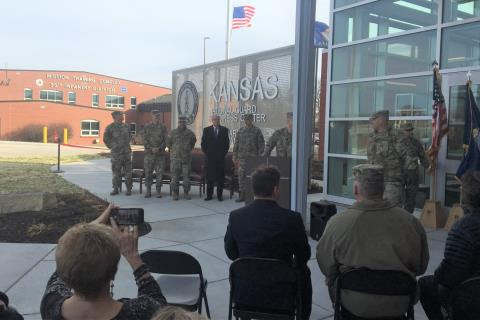
This week, I spoke at the ribbon cutting ceremony for the 35th Infantry Division Headquarters Readiness Center at Fort Leavenworth – the intellectual center of the Army – where training capacity will increase from 13,000 square feet to over 100,000 square feet. As a member of the Senate Appropriations Committee, I helped kick-start this initiative by securing nearly $50 million in federal funding in FY2017 and FY2018 appropriations bills for the construction of these needed facilities.
I’m pleased soldiers stationed at and visiting Fort Leavenworth will continue to receive first class combat readiness instruction through these improvements as they meet the mission objectives of the 35ID Headquarters. Thank you to Major General David Weishaar, Kansas Adjutant General, for the invitation to participate, and congratulations to the leadership of the Army and National Guard for effectively training our citizen soldiers as they prepare to protect and defend our nation.
Improving VA’s Program of Comprehensive Assistance for Family Caregivers
On Tuesday, the Senate Veterans’ Affairs Committee conducted a hearing on improving the VA’s program of comprehensive assistance for family caregivers. The VA is expected to see a significant increase of veterans with long-term care needs. To prepare for this increasing trend, the department has routinely told Congress and veterans that it is shifting the focus of long-term care from institutional care settings to home and community-based settings. Family caregivers play an integral role in making certain our veterans can remain at home and are central to the success of VA’s efforts to shift care to home and community-based settings. It is important to make certain that these frontline heroes are adequately supported in their work caring for our nation’s veterans. This week’s hearing was both timely and necessary as we work to make certain the laws we pass are implemented in ways that work as Congress intends. We have a duty to see to it that VA faithfully executes these laws and is investing resources as intended into family caregivers.
Evaluating the Semiconductor Industry
Semiconductors control every electronic device you own, from your stove to your car to your smartphone. There is an ongoing global semiconductor shortage that is negatively impacting many economic sectors and increasing prices on many consumer goods. Ramping up production of semiconductors to meet demand is made more difficult by the lack of U.S. semiconductor production capabilities, particularly for the newest, cutting-edge chips.
On Wednesday, I participated in a Commerce, Science and Transportation Committee hearing about the health of the U.S. semiconductor industry. I questioned the CEOs of Intel, Micron, Lam Research and PACCAR about the importance of building a strong semiconductor ecosystem in the United States and about federal research programs that might assist the industry. As the lead Republican on the Appropriations Subcommittee that funds many of the federal government’s research programs, ensuring that the US is a leader in semiconductor research is a priority of mine. I am looking forward to working with the firms represented at the hearing, as well as our Kansas semiconductor companies, to ensure that our semiconductor industry is a leader not just in innovative chip research and development, but also in chip manufacturing, assembly, packaging and testing.
Passing of Secretary of State Madeleine Albright
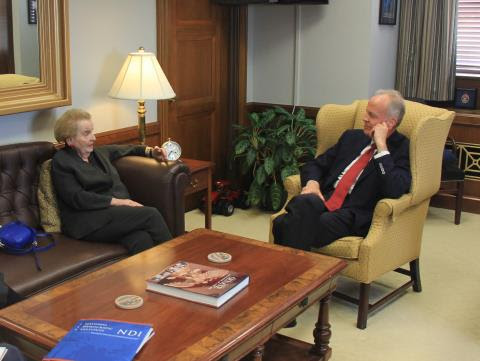
I was saddened to learn of the passing of Secretary of State Madeleine Albright, the first woman to represent our nation in that role. She was an inspiration to all, including women around the world, and generous in her support of young people pursuing public service careers. She was a giant in her field and always gracious to me in the conversations we had. Throughout her distinguished career in public service and after she left the State Department, she worked to address global hunger, advocated for education and worked to increase our country’s security through diplomacy and tackling the root causes of conflicts abroad. I offer my condolences to her loved ones on behalf of a grateful nation.

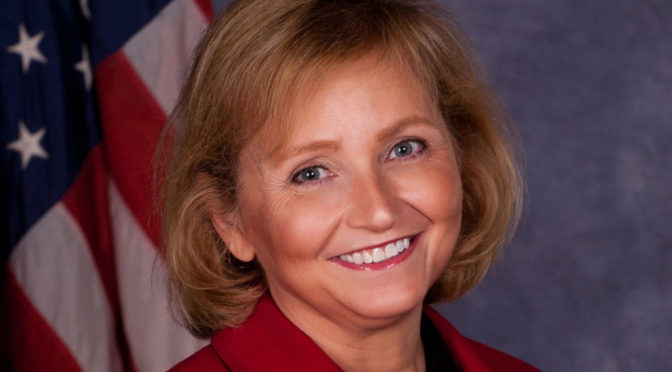
KS Legislative Update by Senator Caryn Tyson
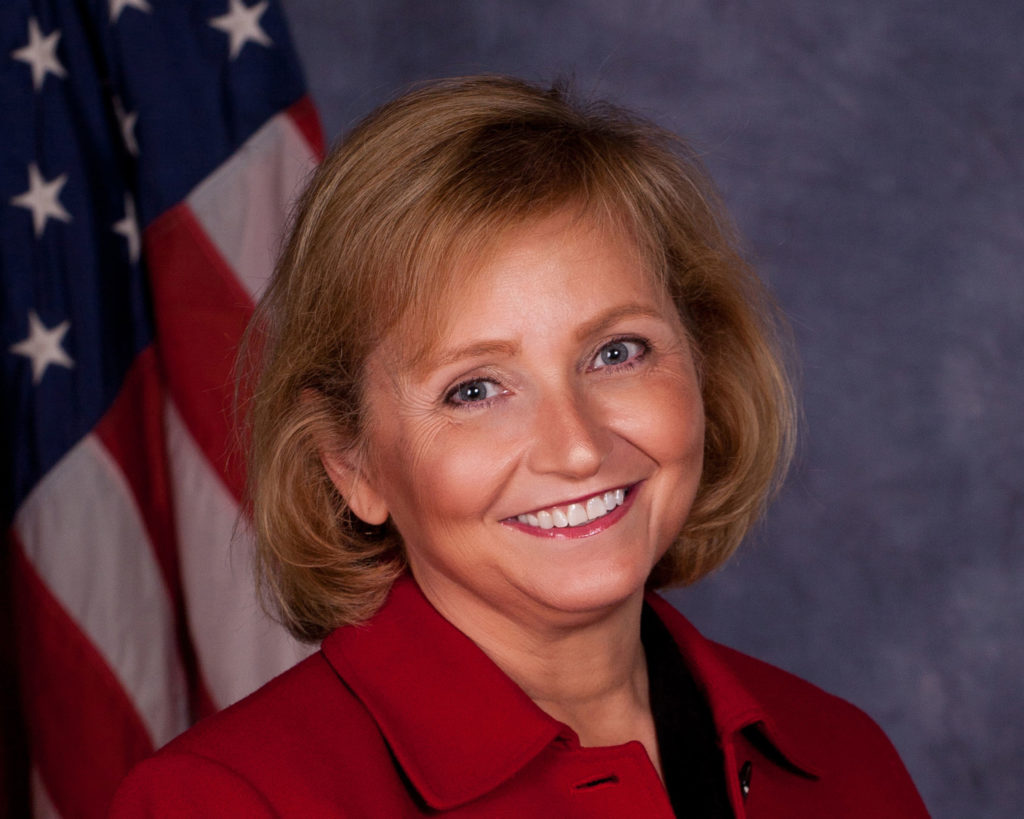
You may have heard the quote, “Expect the best. Prepare for the worst. Capitalize on what comes.” Well, that is what I did the last couple of weeks in an attempt to get tax relief for Kansans.
Tax Relief in Senate Substitute for House Bill (Sen Sub HB) 2239: Property tax freeze via an income tax rebate for low-income seniors and disabled veterans, known as the Golden Years, passed the Senate for at least the third year in a row. Hopefully our friends in the House will help this legislation become law. The bill had a few other provisions: it would increase the standard income tax deduction by 10%, providing real tax relief for all Kansans who pay income tax; it would provide an option for Kansas taxpayers on State and Local Tax (SALT) deduction who are limited by the federal $10,000 cap; it would allow taxpayers who got caught in the carry back carry forward conflict between federal and state statutes from 2018 to 2021 to subtract the loses and carry forward on their state income tax; it would allow exemptions for the federal Work Opportunity Tax Credit and the Employer Retention Credit programs; it would create a tax credit program for donors to technical and community colleges, capped at $7 million a year; and it would create a museum voluntary checkoff program so that individuals may donate to museums of their choosing when they file income tax returns. This tax bill passed 36 to 2. I voted Yes.
Small Business Property Tax Relief: For some reason a bill that came out of the Judiciary Committee had property tax language making changes to property law that had passed last year. The language would have had unintended consequences, so I worked with others to clean it up. Tax bills should be run thru the tax committee and not thru other committees like Judiciary. I also took the opportunity to amend the bill so that businesses that were shut down by the Governor in 2020 could apply for up to $7,500 to help pay for property taxes owed even though they could not conduct business. It was language that had passed the Senate and had been negotiated with the House. However, politics got in the way and the language was lost on the last day of session last year. This could be paid for with the hundreds of millions of dollars in federal SPARK money that are unspent and help businesses still feeling the pain of the 2020 Governor shutdown. Sen Sub HB 2416 passed 26 to 11. I voted Yes.
Early in session the Senate Tax Committee, that I chair, passed legislation to remove the state sales tax on food and allow local governments an option to remove local sales tax. That bill was never debated on the Senate floor. The House did not have one tax bill debated on the House floor this year. It will be interesting to see how this plays out in the final days of session. I will continue to work diligently for Kansas taxpayers.
Last week the Senate worked over 50 bills on the Senate floor in less than three days. Senators would get a list of bills late in the evening and it would take most of the night to read them. It was difficult to get amendments because of the number of bills and the burdensome level of work for the lawyers writing the amendments and others involved in the process. Obviously, there were too many bills to cover in this update. The activity can be found at www.KSLegislature.org under the Senate journals.
It is an honor and a privilege to serve as your 12th District State Senator.
Caryn
Wood and Patel are Debate National Qualifiers
Submitted by Angella Curran, Fort Scott High School Debate Teacher
Congratulations to our National Qualifiers in Public Forum Debate, Berkley Wood and Khris Patel!!
Jaden Garcia and Silvia Moreno are 2nd alternates. Khris and Berkley are headed to Louisville, KY in June! Go Tigers!

Feeling at Home by Carolyn Tucker
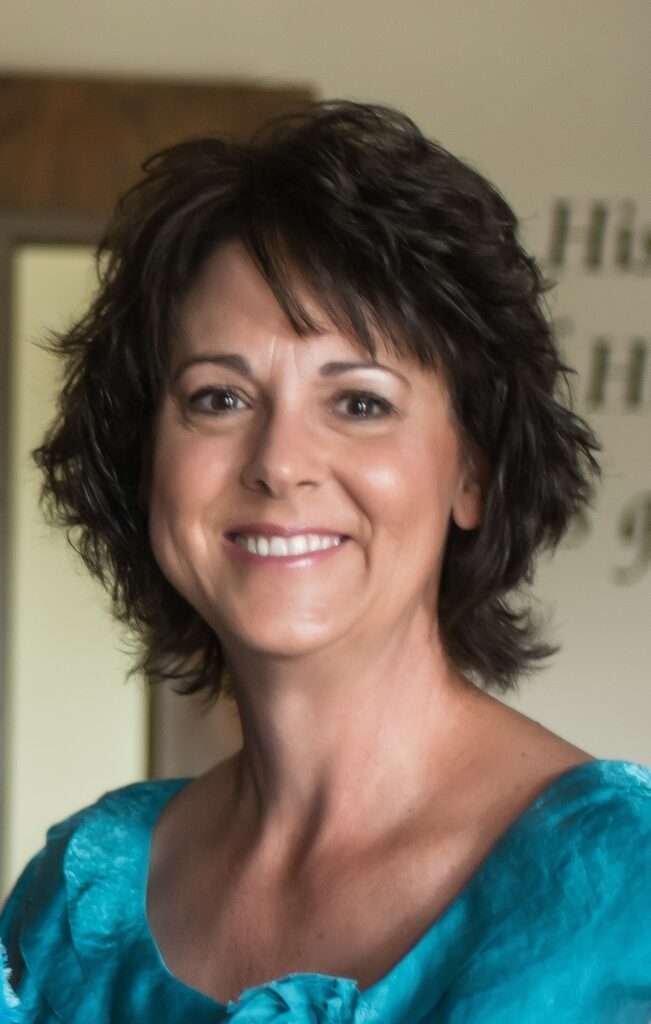
Keys to the Kingdom
Both of my kids are in their 30s and married. But when they come home, it’s like they’ve never left. If they want something to eat or drink, they open the refrigerator or snack cabinet and take whatever suits their fancy. And that’s the way I want it and that’s the way it should be…at least where I come from. There’s a comfortable and loving feeling in making yourself at home. But in order to “make yourself at home” you have to have an up-close and personal relationship with the homeowner.
Too many believers admire God from afar. But He wants our relationship with Him to be genuine and intimate. In Jesus’ earthly life we can see the close relationship He had with His heavenly Father. Jesus spent a lot of time in prayer seeking direction before choosing the disciples, asking for comfort after John the Baptist was beheaded, etc. He depended on His Father to strengthen, console, and speak to Him. Jesus took time out from life’s routine to be alone with God. It’s not our natural tendency to be quiet before the Lord, but Jesus had victory because He fellowshipped with God. And the same is true for us.
Don’t let your sins, failures, or weaknesses come between you and your heavenly Father. God never moves away from us and Jesus never stops interceding for you. When the prodigal son took his inheritance and moved to a distant land, the father stayed right where he was. Day after day, He watched and longed for his son to return home. “So he returned home to his father. And while he was still a long way off, his father saw him coming. Filled with love and compassion, he ran to his son, embraced him, and kissed him…. His father said to the servants, ‘Quick! Bring the finest robe in the house and put it on him. Get a ring for his finger and sandals for his feet. …We must celebrate with a feast, for this son of mine was dead and has now returned to life. He was lost, but now he is found.’ So the party began” (Luke 15:20, 22-24 NLT). Even though the son made every wrong and stupid choice he possibly could, he finally came to his senses and made the decision to go back home. I imagine he had to step away from the loud, distracting, and obnoxious noises of the pigpen to hear God‘s tender voice of direction.
It’s important to understand that the son confessed his sins, failures, and weaknesses to his loving father. “His son said to him, ’Father, I have sinned against both heaven and you, and I am no longer worthy of being called your son‘” (Luke 15:21 NLT). Sweeping sin under the rug will not bring the forgiveness we need in order to have an up-close and personal relationship with our merciful Father.
In the Old Testament, the Lord whispered to Elijah. “And as Elijah stood there, the Lord passed by, and a mighty windstorm hit the mountain. It was such a terrible blast that the rocks were torn loose, but the Lord was not in the wind. After the wind there was an earthquake, but the Lord was not in the earthquake. And after the earthquake there was a fire, but the Lord was not in the fire. And after the fire there was the sound of a gentle whisper. When Elijah heard it, he wrapped his face in his cloak and went out and stood at the entrance of the cave. And a voice said, ‘What are you doing here, Elijah?’” (1 Kings 19:11-13 NLT).
The Key: If you want to feel at home with your heavenly Father, stay close enough to hear Him whisper.
Letter to The Editor: Krista Postai
Community Health Center of Southeast Kansas was one of the largest providers of testing in southeast Kansas, completing 91,621 tests (as of this March 22) since March 2019. Of these, 21, 221 were positive results making 70,400 negative. We have been one of the largest immunizers in the state for all adult and childhood vaccines — since our founding. We have always done this regardless of ability to pay.
As a non-profit, community-owned entity, we provide the services our communities need and request.
When we became one of the first health centers in the nation to receive vaccines, we got more than 3,000 calls in the first hour after we publicized we had vaccines, which actually crashed our phone system. Some people drove more than 300 miles, one way, to get vaccinated.
Our physicians – many of whom provide inpatient care at local hospitals – were devastated at the number of patients we lost prior to the availability of the vaccine. We all lost people we knew and, in some cases, loved.
Up until recently, we were conducting COVID testing more than 1,100 hours per week. All 700 of our staff were exhausted dealing with all aspects of COVID-19.
This past week, when it was announced that there would no longer be payment for the uninsured to be tested for COVID, we did share (through a press release) our policy to continue to provide testing regardless of ability to pay. We do that for all diseases – flu, diabetes, hepatitis, etc.
We are committed to ensuring that everyone gets the same care because they deserve it. And, many folks are still required to demonstrate they don’t have COVID – to travel to another country, to stay in school, etc.
And, just like there are rules to drive big trucks (our staff provides Department of Transportation physicals, etc.), we will continue to offer these services to EVERYONE, whether they have the resources to cover the expense or not.
The public can visit with any of our staff personally to see if they’ve been encouraged in any way to “doctor” the results – most of which were originally all sent to major laboratory services who were paid the same for both negative and positive tests. As are we – when we do get paid from insurance companies and CMS – which has been less than our actual costs.
Our staff are feeling hopeful – this last week, we only had requests for 340 tests and only 12 of these were positive.
It would appear that we’re near the end of this horrible pandemic – at least for now — which resulted in delayed care for many of those with any medical problems and all but depleted our healthcare workforce.
Krista Postai, CEO and President of Community Health Center of Southeast Kansas.
The Cold Weather Rule ends March 31
TOPEKA – The Kansas Cold Weather Rule ends on Thursday, March 31. That means Kansans who are behind on electric and natural gas utility bills will be subject to disconnection of service unless they contact their utility company to make payment arrangements.
The Cold Weather Rule is in effect from November 1 through March 31 each year. It provides protection from disconnection to residential customers served by utilities regulated by the Kansas Corporation Commission’s (KCC). When that protection ends on Thursday, failure to make arrangements or failure to adhere to an already established payment plan could result in disconnection. Reconnection after March 31 may require past due balances be paid in full, depending on the utility’s policy. That is why it is important to call now – while regulated utilities are still required to offer the Cold Weather Rule 12-month payment plan.
The Cold Weather Rule 12-month payment plans require an initial payment of 1/12 of the overdue amount, 1/12 of the bill for current service, the full amount of any disconnection or reconnection fees, plus any applicable deposit owed to the utility. The balance is billed in equal payments over the next 11 months in addition to the regular monthly bill.
The KCC adopted the Cold Weather Rule in 1983 to protect customers during cold winter weather by providing a reasonable and organized method of paying past due and current bills. It is important to note that the KCC does not regulate co-ops or municipal utilities, although many of those utilities also offer a cold weather plan. For a complete list of utilities regulated by the KCC visit: http://kcc.ks.gov/
To find out more about utility assistance programs in your area, please contact your utility or the KCC Consumer Protection Office at 800-662-0027 or 785-271-3140. Utility assistance program information is also posted on the KCC’s website.
KDHE Invites Photographs for Project On Healthy Kansans
KDHE Announces Photo Voice Project for Healthy Kansans 2030
TOPEKA – The Kansas Department of Health and Environment (KDHE) and the Healthy Kansans 2030 (HK2030) project team are inviting photographers to submit photos to be considered for inclusion in a State Health Assessment Report being published later this spring.
“For many people, photographs are a vital way to convey important messages,” Jade Ramsdell, MBA, LSSGB, Performance Improvement Director at KDHE, said. “We are delighted to invite amateur and professional photographers across the state to help us explore and tell the story of the health of Kansas in a different and deeper way.”
The project is seeking photos to help visualize health in Kansas. Entries should answer one or both of the following questions
- What does healthy living look like in your Kansas community?
- What makes it easy or hard to stay healthy in your everyday environment?
Entries can be submitted until April 15. Winners will receive print credit in the report and will be notified of their selection by April 29. A panel of KDHE staff and the HK2030 project team will review and judge each entry.
Complete photo entry details, FAQs and supporting documents are available on the Healthy Kansans 2030 webpage, kdhe.ks.gov/201/. Questions about the project should be directed to [email protected].

Shuttle Offered to KSU to View the Parks Exhibition
One-Day Shuttle Trip to view the Gordon Parks: “Homeward to the Prairie I Come” & Doug Barrett: Find Your Voice Exhibition
Fort Scott-The Gordon Parks Museum has scheduled a one-day shuttle trip, for April 13, 2022 to the Parks exhibition, in the Marion Pelton Gallery at the Marianna Kistler Beach Museum of Art featuring photographs donated by Parks to Kansas State University in Manhattan, Kansas, in 1973.
We will also view the Doug Barrett: Find Your Voice, in the Archie and Dorothy Hyle Family Gallery. Barrett exemplifies Parks’ influence on contemporary artists. Barrett is a Manhattan-based photographer who makes personal connections with his subjects, especially with the harm they have suffered because of race-based stereotypes
The Shuttle Coach leaves at 8:30 a.m. on April 13, 2022 from The Gordon Parks Museum parking lot. Lunch will be on your own at 12 p.m. at restaurants within walking distance of the museum. The shuttle will arrive back at Fort Scott at 6:00 p.m.
Cost is $10 per person for the shuttle trip.
The admission to the museum is free. Enjoy the ride on an Executive Coach Shuttle with comfortable leg room. The registration deadline is Tuesday, April 12, 2022.
Tickets are available at The Gordon Parks Museum, on-line at https://www.gordonparkscenter.org/ or over the phone, at 620-223-2700 ext. 5850.
For more information about the events contact the Gordon Parks Museum by phone (620) – 223-2700, ext. 5850 or by email [email protected].
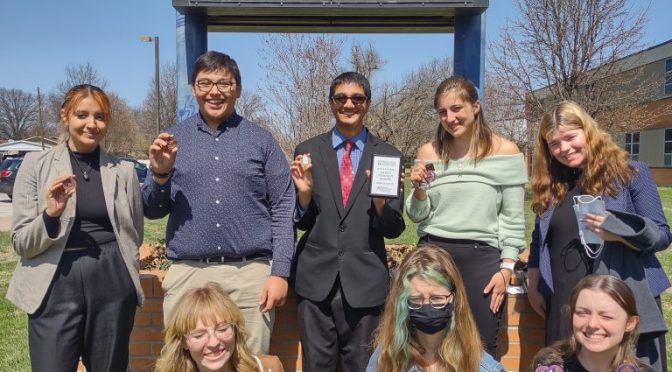
FSHS Talking Tigers Place Second in Parsons Sweep
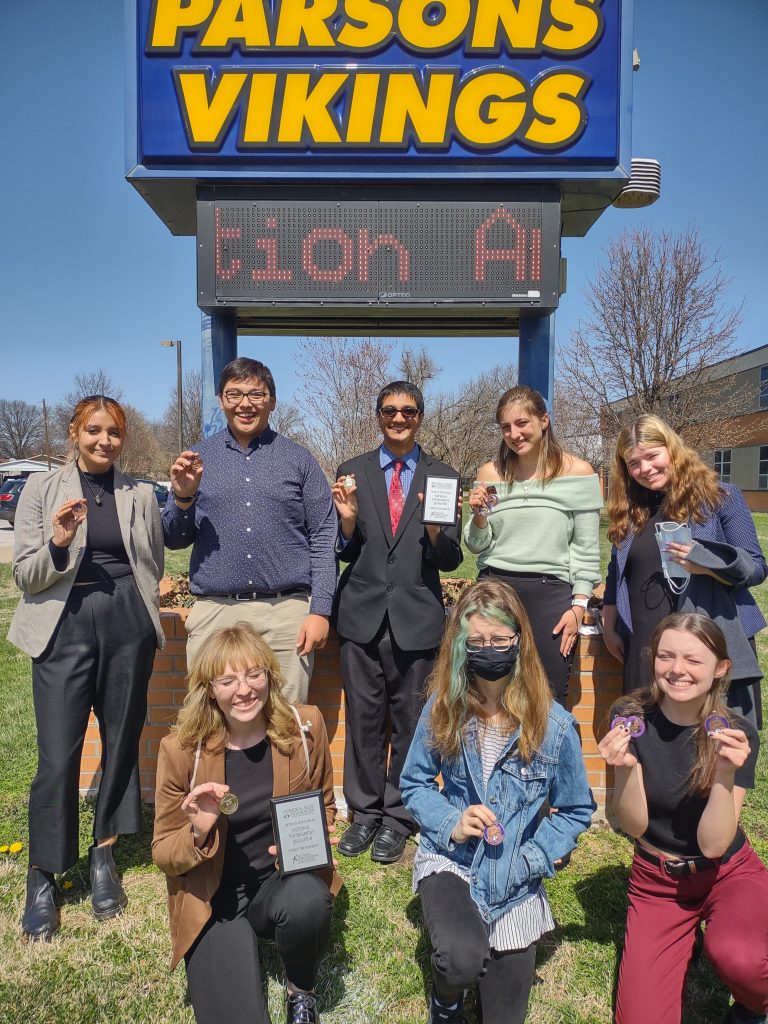
On March 26, four Fort Scott High School Talking Tigers competed in the Parsons invitational.
Fort Scott placed 2nd in Sweeps!
Cadence Tuck: prose -4th, DX-5th, and Informative-2nd (State qualifier!)
Alyssa Popp: poetry – 6th
Joy Self: HI – 1st (State qualifier!), FX – 3rd,
Impromptu – 3rd
Kinsley Davis: OO – 5th, POI – 5th, Impromptu – 5th
Congratulations Talking Tigers!
Submitted by Angella Curran
Energy by Gregg Motley
Energy
We are all painfully aware of the rapid rise in gas prices over the last year, and the significant adjustments we have made in our personal budgets to accommodate the increases. The price at the pump has almost doubled in the last 14 months, setting a new all-time high of $4.33 per gallon of regular gasoline based on the national average.
As individuals and non-oil related businesses, we know this is bad for Bourbon County, but what about our oil producers in the county? Where do we stand in oil production compared to the other 104 Kansas counties? Ninety counties reported oil production in Kansas, leaving 15 with zero production. Cherokee County was the only Southeast Kansas (“SEK”) name on that short list.
Woodson County is the SEK leader in oil production, with 3,788 wells producing 449,792 barrels of oil in 2019. Assuming oil producers are receiving $50 per barrel more than they did in January of 2021, Woodson County would have generated additional gross revenue of $22.5 million in 2019; that is over $7,200 per county resident, which is significant. Of the producing counties in SEK, Labette was at the bottom with 104 wells producing 7,168 barrels, adding annual gross revenue of $358,400.
In 2019, Bourbon County had 697 wells that produced 56,442 barrels of oil. Assuming the same $50 a barrel price increase, that generates an additional $2.8 million dollars in gross revenue, which equates to about $197 per resident. Not insignificant, but certainly less impactful than our neighbors to the west.
These numbers represent estimated additional gross revenue, but inflation has not been limited to the price of oil. Certainly these producers have incurred significant addition costs to get the oil out of the ground and to the buyers. In the process, they have added to our tax base; however, the windfall has been experienced by a relatively few residents while the cost increases at the pump have hit all of us.
The energy sector is another example of how national policies impact rural America beyond our control. We are experiencing the penalty of an overzealous rush to clean energy at the expense of our current system. Common sense would dictate that we let the pace of technological advances determine how quickly we evolve from fossil fuel to renewables. It is too soon to cancel pipelines, withhold Federal real estate from leasing, increase the cost of drilling permits and limit fracking. Additionally, our enemies benefit when we forfeit our energy independence.
Climate change is definitely a factor in all energy discussions, but the best science does not forecast an eminent catastrophe. In the meantime, let us efficiently use our existing energy resources while alternative technology advances, and minimize the negative impact to rural America and our country as a whole. An “all of the above” approach to energy, including nuclear, is best for rural America.
What’s Happening in Fort Scott Newletter March 25
|
|

|
|
|
|
|
|
|

|
|
|
|
|
|

|
|
|
|
|
|

|
|
|
|
|
|
|
|
|
|
|
|

|
|
|
|
|
|

|
|
|
|
|
|




…